


When and How to Cut Your Hair After a Hair Transplant
By Prof. Dr. Soner Tatlıdede · October 2026
When can you cut your hair after a hair transplant?
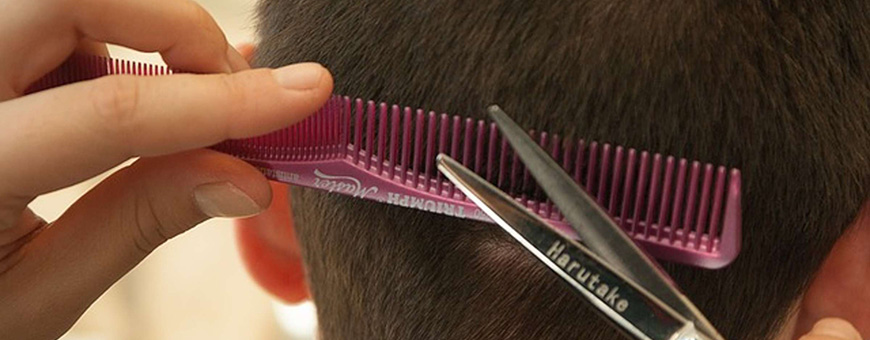
Hair in the donor area can be trimmed after 1 month using scissors or clippers. As for the recipient area, trimming only the ends of the hair using scissors is permitted after 2 months.
However, you must wait at least 6 months before using electromechanical clippers or direct razors/blades on the transplanted follicles.
| Timeline Stage | Donor Area | Recipient Area | Permitted Tool | Direct Medical Guidance |
|---|---|---|---|---|
| First Month (Days 1–30) | Light, cautious trimming allowed after 14 days | Cutting or shaving is strictly prohibited | Scissors only (Donor Area) | Protect newly implanted follicles from any mechanical pressure or tension. |
| Second Month (Days 30–60) | Clipper or scissor haircut | Scissor-trimming of outer tips only | Scissors (Recipient) / Clippers (Donor) | Avoid direct contact between shaving tools and the transplanted scalp surface. |
| Third Month (Days 60–90) | Normal growth and unrestricted cutting | Trimming and shaping hair with scissors | Scissors only for recipient area | Restore a harmonious and balanced appearance between areas without using razors. |
| 4th to 5th Month | Normal styling | Advanced scissor styling and shaping | Primarily scissors | Follicles are more deeply anchored, but the scalp remains sensitive. |
| After 6 Months | All tools are permitted | Electric clippers or razor shaving | Clippers / Razor / Blades / Scissors | Complete tissue and bacterial stabilization of the follicles in the scalp. |
When and How Can You Cut Your Hair After a Hair Transplant?
The hair cutting and styling phase following a hair transplant procedure is one of the pivotal milestones that patients eagerly anticipate, as it symbolizes a gradual return to normal life and routine personal care.
Although advanced techniques utilized in Istanbul—such as Micro-FUE and Sapphire FUE—ensure a fast recovery period and minimal healing of microscopic wounds, handling newly restored tissues with sharp grooming tools mandates adherence to a cautious and strict timeline protocol to guarantee the protection of newly anchored follicles in their new environment.
Frequent inquiries regarding post-transplant hair care are not limited strictly to washing methods or sleeping positions, but extend to daily styling tools and grooming skills: Can I use hair clippers?
When are scissors or razors permitted to touch the scalp? And how do we manage the difference in hair length between the donor and recipient areas? This comprehensive medical guide approved by Clinicana aims to explain the biological stages of graft stabilization and provide detailed instructions for safe hair cutting and styling.
Histological Biology: Why Must We Wait Before Cutting Hair?
To scientifically understand why these time restrictions are imposed, one must comprehend the biological process that transplanted follicles undergo inside the micro-channels. During the first nine days, the graft anchors in place through microscopic blood clots and fibrin fibers. By the fourteenth day, new blood vessels form (Neovascularization), beginning to supply the follicle with oxygen and vital nutrients.
However, the depth and firmness of the follicle at this stage remain superficial and linked to soft scar tissue. Mechanical shaving tools, such as electromechanical clippers, generate shock vibrations (micro-vibrations), and their rapidly moving blades can pull on skin tissues.
This mechanical tension—even if it does not pull out the follicle entirely—causes tearing of newly developing microscopic capillaries, which reduces follicle oxygenation and negatively impacts the overall Graft Survival Rate.
For a detailed guide on activities and mistakes to steer clear of during recovery, read our full article on things to avoid after a hair transplant to protect your grafts.
Step-by-Step Stages of Cutting Hair After Transplant
Scalp response and protection requirements differ based on the clinical distinction between the Donor Area (located at the back and sides of the head) and the Recipient Area (in the frontal hairline or crown).
The donor area only underwent graft extraction and its micro-punctures heal rapidly within 7 to 10 days, whereas the recipient area requires a longer trajectory to establish deep, permanent roots.
1. Stage One: The First Two Weeks (Days 1 – 14)
- Donor Area: Any intervention using grooming tools is strictly forbidden. Wound healing and scab shed are the primary priorities.
- Recipient Area: Touching the hair with any cutting or shaving tool is completely prohibited, while strictly adhering to the daily washing protocol approved by the center.
2. Stage Two: The First Month (Days 15 – 30)
- Donor Area: Hair growing in this area can be trimmed using medical scissors only to refine external appearance if length contrast becomes bothersome.
- Recipient Area: Hair enters what is known as the “Shock Loss” phase, where the superficial hair shaft falls out while the follicle remains alive deep beneath the surface. Shaving or using clippers is entirely forbidden in this area to prevent irritation of vulnerable tissue.
3. Stage Three: The Second Month to the Third Month (Days 30 – 90)
- Donor Area: Electric clippers on high guard settings or scissors are permitted to harmonize the overall appearance with the rest of the head.
- Recipient Area: New hair gradually begins to emerge, initially appearing as thin, short strands. Trimming protruding hair tips using scissors only—performed carefully by a professional barber without touching or extending to the scalp surface—is permitted.
4. Stage Four: From the Fourth Month to the Sixth Month
- Donor Area: Fully normal hair cutting using all standard tools.
- Recipient Area: Transplanted hair density and thickness increase. Scissor styling and shaping are permitted to continue. However, direct razor blades or clippers with sharp pressing contact must still be avoided.
5. Stage Five: After 6 Months and Beyond
- Hair follicles reach structural stability and full histological depth within the scalp. The patient is allowed a complete return to all hair cutting styles and tools, including electromechanical clippers, direct razor blades, and moderate thermal heat styling.
Clinical Comparison of Shaving Tools and Their Impact on Follicles
1. Medical Scissors (Scissor Cut)
- Considered the safest and most important tool during the initial months post-surgery.
- Action Mechanism: Scissors mechanically cut the outer hair shaft in the open air without the cutting edge touching the scalp skin or applying any pulling force on the follicle.
2. Electric Clippers
- Electric clippers contain high-speed moving metal blades and small motors that generate heat and localized vibrations.
- Clinical Impact: Applying clippers directly to the recipient scalp before 6 months causes micro-vibrations that disturb the fragile capillary network surrounding the follicle and may irritate sensitive skin.
3. Razors & Direct Blades
- Straight razors scrape the top layer of skin (epidermis).
- Clinical Impact: Using a razor on the recipient area before full tissue healing risks causing micro-cuts, bacterial infections (such as folliculitis), or damaging superficial graft roots.
Daily Care and Styling Instructions After Hair Transplant
Proper Combing Method:
- Combing is strictly prohibited during the first 3 weeks.
- When starting to comb after the first month, use a wide-toothed comb made of natural materials (such as wood) to prevent static electricity.
- Begin by gently combing only the outer ends of the hair without digging the comb teeth into the recipient scalp skin.
Using Hair Dryers (Blow Dryers):
- Using hot air is completely prohibited during the first 3 months, as high heat causes tissue dryness and severe irritation to the transplanted scalp.
- You may use the “Cold Air” setting only, keeping a minimum distance of 30 cm from the scalp starting from the second month.
Frequently Asked Questions About Hair Cutting and Styling
Does cutting hair speed up its growth rate after a transplant?
No, cutting hair does not affect the internal growth rate of the follicle or its biological speed. Trimming merely improves external appearance and aligns uneven hair ends, creating a visual impression of fuller density.
My hair looks uneven between the donor and recipient areas due to shock loss; what should I do?
A: This is completely normal due to the transplanted hair undergoing the shock loss phase. You can visit a barber to trim the hair in the donor area and sides using scissors or clippers to shorten it so it matches the length of the recipient area, without touching the transplanted area itself.
What instructions should I give my barber when going for my first haircut?
It is preferred to choose a professional barber and clearly instruct them as follows: Do not use clippers or razor blades on the top and frontal hairline of the head.
Use scissors only for the outer tips of the transplanted hair without pressing on the scalp.
Use fully sterilized tools to avoid any risk of bacterial infection.
Medical Disclaimer & Clinical Review
This content is for educational and guidance purposes only and is reviewed by the medical team at Clinicana Clinic – Istanbul. It does not replace direct medical consultation with your treating physician.
Academic & Approved Medical References
- Official Clinical Protocols for Post-Operative Care – Clinicana Hair Transplant Center.
- International Society of Hair Restoration Surgery (ISHRS) Guidelines on Post-Operative Hair Care & Graft Survival.
Related aftercare guides
The scabs must be gone before anyone touches the recipient area with scissors — see scabs after a hair transplant. Until your first haircut, a loose cap is the easiest cover: wearing a cap after a hair transplant. Planning to colour your hair as well? Read dyeing your hair after a hair transplant.

By Prof. Dr. Soner Tatlıdede · October 2026 When can you cut your hair after a hair transplant? Hair in the donor area can be trimmed after 1 month using scissors or clippers. As for the recipient area, trimming only the ends of the hair using scissors is permitted after 2 months. However, you must wait at […]
By Prof. Dr. Soner Tatlıdede · October 2026 Congratulations on completing your hair transplant. While the surgical part is finished, the success of your restoration now depends heavily on the recovery phase. In our clinical experience, the first two weeks post-surgery are just as critical as the procedure itself. Understanding what to avoid after a hair transplant […]
Scalp psoriasis and seborrheic dermatitis are chronic inflammatory conditions that frequently cause discomfort, itching, redness, and scaling. For individuals experiencing hair thinning alongside these conditions, severe anxiety often arises regarding permanent follicle loss and the feasibility of hair restoration. A central concern among patients is whether undergoing a hair transplant while managing scalp psoriasis is […]


Thank you!
Your details have been successfully submitted. Thanks!