


Hair Transplant Success & Graft Survival Rates: 2026 Clinical Guide

By Prof. Dr. Soner Tatlıdede · July 2026
Quick Summary: Medical Facts at a Glance
| Benchmark Category | Real Clinical Metric | Key Medical Insight |
| Graft Survival Rate | 90% – 95% | Biological percentage of transplanted follicles that connect to blood supply and grow permanently. |
| Aesthetic Success | High Naturality | Depends on surgical artistry, proper hairline design, and strategic graft placement. |
| Marketing Claims | “100% Guaranteed” | Scientifically unrealistic; natural biological variation always carries a minor 5% loss margin. |
| Critical Anchoring Phase | First 14 Days | Micro-vessels connect within 3–5 days; aftercare dictates whether grafts survive long-term. |
| Final Maturation Window | 12 to 18 Months | Full density and hair shaft thickening are evaluated only after a complete growth cycle. |
Separating Clinical Reality from Marketing Claims
When patients walk into our clinic for a consultation, their primary concern is rarely about the technical details of the surgery. Instead, they ask a fundamental question: “Will it actually work for me?”
Investing in a hair transplant is a significant decision—financially, physically, and emotionally. It is completely natural to seek total assurance that the procedure will deliver the dense, permanent restoration you desire.
However, the internet is flooded with conflicting statistics. Some marketing campaigns promise a “100% survival guarantee,” while online forums share alarming stories of failed procedures.
As medical professionals, we advocate for total clinical transparency over marketing spin. Understanding the exact scientific difference between commercial claims and surgical reality is crucial for your peace of mind.
This comprehensive guide breaks down the latest medical data on hair transplant success rates and graft survival, explaining what the numbers actually mean, which biological variables influence your results, and how you can maximize your chances of achieving a life-changing outcome.
What “Success Rate” Means in Hair Restoration Surgery
In the medical community, the term “success” is multifaceted. To evaluate statistics accurately, we must distinguish between three distinctly different clinical metrics:
1. Graft Survival Rate (Biological Metric)
This is an objective biological measurement. It refers to the percentage of transplanted hair follicles that successfully anchor into the recipient area, re-establish vascular connection (blood supply), and grow permanent hair shafts.
- Example: If a surgeon implants 3,000 grafts and 2,850 successfully root and grow, the graft survival rate is 95%.
2. Aesthetic Success Rate (Cosmetic Metric)
This measures the cosmetic quality and visual outcome. A patient might technically achieve high graft survival, but if the hairline is designed unnaturally straight, or if density is poorly distributed across the crown, the procedure is considered an aesthetic failure. True success requires both biological viability and surgical artistry.
3. Patient Satisfaction Rate (Subjective Metric)
This evaluates whether the cosmetic outcome matches the patient’s pre-operative expectations. A technically flawless procedure might still leave a patient dissatisfied if they expected teenage hair density despite possessing limited donor supply. Managing expectations prior to surgery is essential.
Typical Graft Survival Ranges in Modern Hair Transplants
What is a realistic scientific expectation? In accredited, medically supervised clinics utilizing modern Micro-FUE or DHI techniques, typical hair transplant graft survival rates range between 90% and 95%.
It is medically critical to clarify that a 100% graft survival rate is biologically impossible. In any tissue transfer procedure—whether organ transplantation or micro-hair grafting—there is always a small margin of loss due to physical micro-trauma or delayed vascularization.
Clinics guaranteeing 100% growth are using promotional slogans rather than clinical facts. Nevertheless, a survival rate exceeding 90% consistently delivers dense, natural-looking results.
Latest Clinical Data on Hair Transplant Graft Survival
Surgical techniques have evolved dramatically over the past decade. Modern hair restoration has transitioned from the unnatural “pluggy” look of the 1980s to seamless microsurgical precision. Recent clinical research published in international dermatological journals highlights key findings:
- Consistently High Yields in Healthy Patients: Studies tracking non-smoking, healthy individuals over 12 to 18 months post-op show graft survival rates consistently above 90%.
- Technique vs. Surgical Expertise: Data indicates that graft survival depends less on the brand of tool used (FUE vs. DHI) and far more on the skill of the surgical team. Transection (accidentally severing the follicle root during extraction) remains the leading cause of graft death—a factor directly linked to surgeon experience.
- The Ischemia Window (“Out of Body” Time): Advanced studies stress that minimizing the time grafts spend outside the body is crucial. Follicles implanted within 2 to 4 hours maintain significantly higher survival rates than those kept ex-vivo for longer periods.
Key Factors That Influence Hair Transplant Success
Achieving exceptional hair transplant density is a direct partnership between surgical expertise and the patient’s biological foundation.
SURGICAL FACTORS
- Extraction Precision
- Delicate Graft Handling
- Chilled Storage (HypoThermosol)
- Implantation Depth & Angle
PATIENT FACTORS
- Donor Density & Caliber
- Scalp Micro-circulation
- Strict 14-Day Post-Op Care
- Smoking & Lifestyle Habits
1. Surgical Experience and Team Handling
- Extraction Precision: The surgeon must align the micro-punch precisely with the subcutaneous angle of the hair root. Misalignment severes the bulb, destroying its viability.
- Hydration and Temperature Control: Hair follicles are sensitive biological organs. If handled aggressively with forceps or allowed to dry out on trays, they die. Top clinics store extracted grafts in chilled nutrient solutions (such as HypoThermosol) to preserve cellular integrity.
- Implantation Depth & Angle: Placing grafts too deep can cause epidermal cysts; placing them too shallow causes desiccation (drying out) and dislodgement.
2. Donor Area Quality and Hair Characteristics
- Donor Density: Surgical restoration cannot create new hair; it redistributes existing follicles. Patients with high donor density naturally achieve fuller visual coverage.
- Hair Caliber (Coarseness): Thick, wavy hair provides significantly greater optical coverage than fine, straight hair. A patient with coarse hair may achieve excellent coverage with 2,500 grafts, whereas fine-haired individuals may require 3,500 grafts for identical visual density.
3. Patient Health, Lifestyle, and Scalp Condition
- Smoking: Nicotine causes severe vasoconstriction (narrowing of blood vessels), restricting vital oxygen supply to newly implanted grafts. Smokers statistically experience lower survival rates and higher risks of poor healing.
- Vascular Health: Uncontrolled diabetes or hypertension impairs micro-vascular formation around new follicles.
- Scalp Health: Active conditions such as seborrheic dermatitis, psoriasis, or severe dandruff must be treated prior to surgery to ensure optimal scalp health.
How Post-Op Care Affects Graft Survival (The 14-Day Window)
At Clinicana, we remind our patients: “We perform precise surgery for 8 hours; you protect your investment for 14 days.”
Day 1 - 3: Fibrin Clot Formation (Extremely Fragile Grafts)
Day 4 - 7: Micro-Vascular Re-connection Begins (Early Rooting)
Day 8 - 10: Initial Scab Softening & Vascular Stabilization
Day 14: Complete Grafts Anchoring (Grafts Are Permanently Secure)
Why the First 14 Days Are Critical
During the first two weeks, grafts undergo the “anchoring phase”:
- Initial Attachment: Grafts are initially held in place only by temporary fibrin clots. They lack physical structural attachment to your scalp.
- Re-vascularization: It takes approximately 3 to 5 days for new capillaries to connect to the implanted roots. Until then, grafts survive purely on local fluid diffusion.
- Trauma Risks: Any accidental friction, scratching, or pressure during this critical window can physically dislodge or crush the follicle. Once lost, a graft cannot grow back.
Common Aftercare Mistakes to Avoid
- Mechanical Scratching: Picking at itchy scabs is the primary cause of post-operative graft dislodgement.
- Strenuous Exercise: Heavy lifting or cardio within the first 14 days spikes blood pressure, causing graft “popping” (bleeding that pushes grafts out of channels).
- Aggressive Washing: Direct high-pressure shower spray can dislodge unanchored follicles.
- Direct Sun Exposure: UV radiation damages delicate healing scalp tissue and compromises follicle survival.
Realistic Expectations: What a Successful Result Looks Like
Achieving cosmetic success requires aligning your expectations with biological limits:
- Cosmetic Density vs. Natural Density: Native scalp density is typically 80 to 100 follicular units per cm². Surgeons target “cosmetic density” (40 to 50 units/cm²), which tricks the human eye into perceiving complete full coverage.
- Strategic Micro-Design: Single-hair grafts are positioned along the leading hairline to create a soft, natural edge, while multi-hair grafts are placed behind to build structural volume.
- The Growth Timeline: * Weeks 2–4: Temporary “shock loss” occurs where hair shafts fall out (the root remains resting safely underneath).
- Months 3–4: Initial thin growth begins.
- Months 6–9: Significant thickening and density emergence.
- Months 12–18: Full, mature clinical results are established. Evaluating success prior to 12 months is clinically premature.
FAQ: Frequently Asked Questions
What is considered a good hair transplant success rate?
A clinically successful procedure achieves a 90% to 95% graft survival rate, alongside natural hairline aesthetics and high overall patient satisfaction.
How many grafts usually survive out of 3,000 implanted?
In a procedure executed by an experienced surgical team, approximately 2,700 to 2,850 grafts out of 3,000 will successfully root and grow permanently.
Can a second hair transplant fix a poor initial result?
Q3: Can a second hair transplant fix a poor initial result?
Does age affect graft survival rates?
Age is not a primary limiting factor; overall donor hair quality and systemic health are. A healthy 60-year-old patient with strong donor density can achieve the same 90-95% survival rate as a younger patient.
Medical Disclaimer & Medical Review
- Medical Reviewer: Prof. Dr. Soner Tatlıdede, Lead Plastic & Hair Transplant Surgeon, Member of ISHRS (22+ years of clinical experience, 18,947 procedures).
- Disclaimer: This article is intended strictly for educational purposes and does not replace personal clinical consultation. Individual results may vary based on physiological factors and adherence to post-operative guidelines.
Academic References
- National Center for Biotechnology Information (NCBI):
- Journal of Cutaneous and Aesthetic Surgery
- International Society of Hair Restoration Surgery (ISHRS)
For what happens to transplanted hair over decades, read is a hair transplant permanent?.


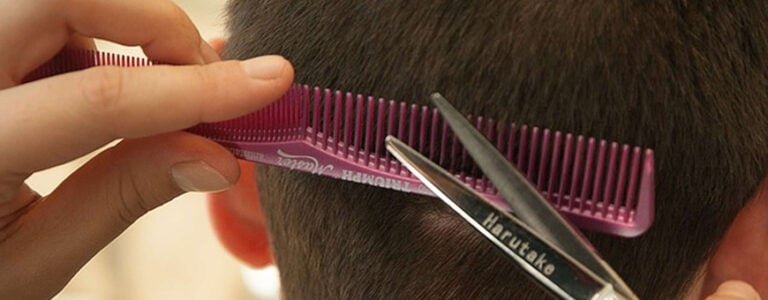
By Prof. Dr. Soner Tatlıdede · October 2026 When can you cut your hair after a hair transplant? Hair in the donor area can be trimmed after 1 month using scissors or clippers. As for the recipient area, trimming only the ends of the hair using scissors is permitted after 2 months. However, you must wait at […]
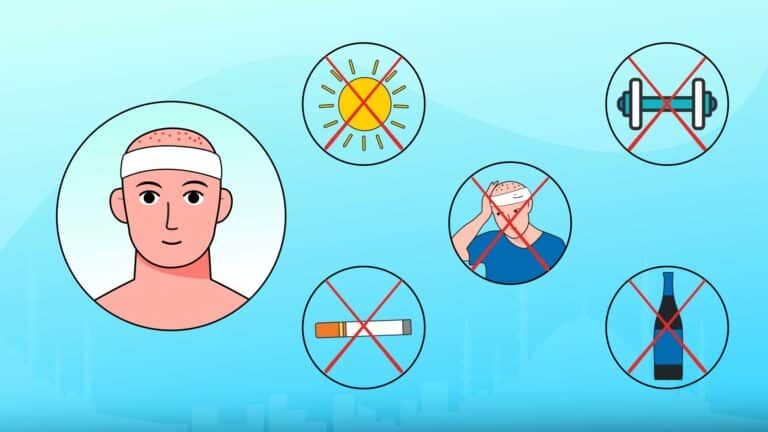
By Prof. Dr. Soner Tatlıdede · October 2026 Congratulations on completing your hair transplant. While the surgical part is finished, the success of your restoration now depends heavily on the recovery phase. In our clinical experience, the first two weeks post-surgery are just as critical as the procedure itself. Understanding what to avoid after a hair transplant […]
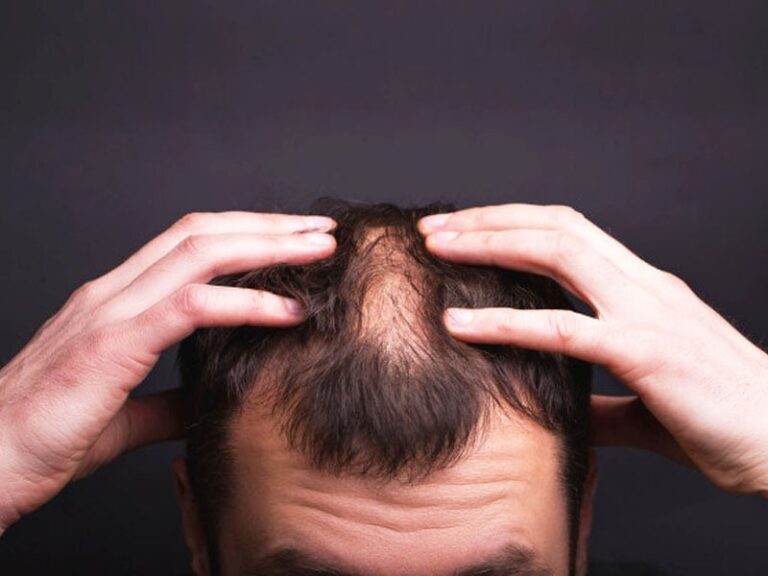
Scalp psoriasis and seborrheic dermatitis are chronic inflammatory conditions that frequently cause discomfort, itching, redness, and scaling. For individuals experiencing hair thinning alongside these conditions, severe anxiety often arises regarding permanent follicle loss and the feasibility of hair restoration. A central concern among patients is whether undergoing a hair transplant while managing scalp psoriasis is […]


Thank you!
Your details have been successfully submitted. Thanks!