





Hair transplant: Before and after photos
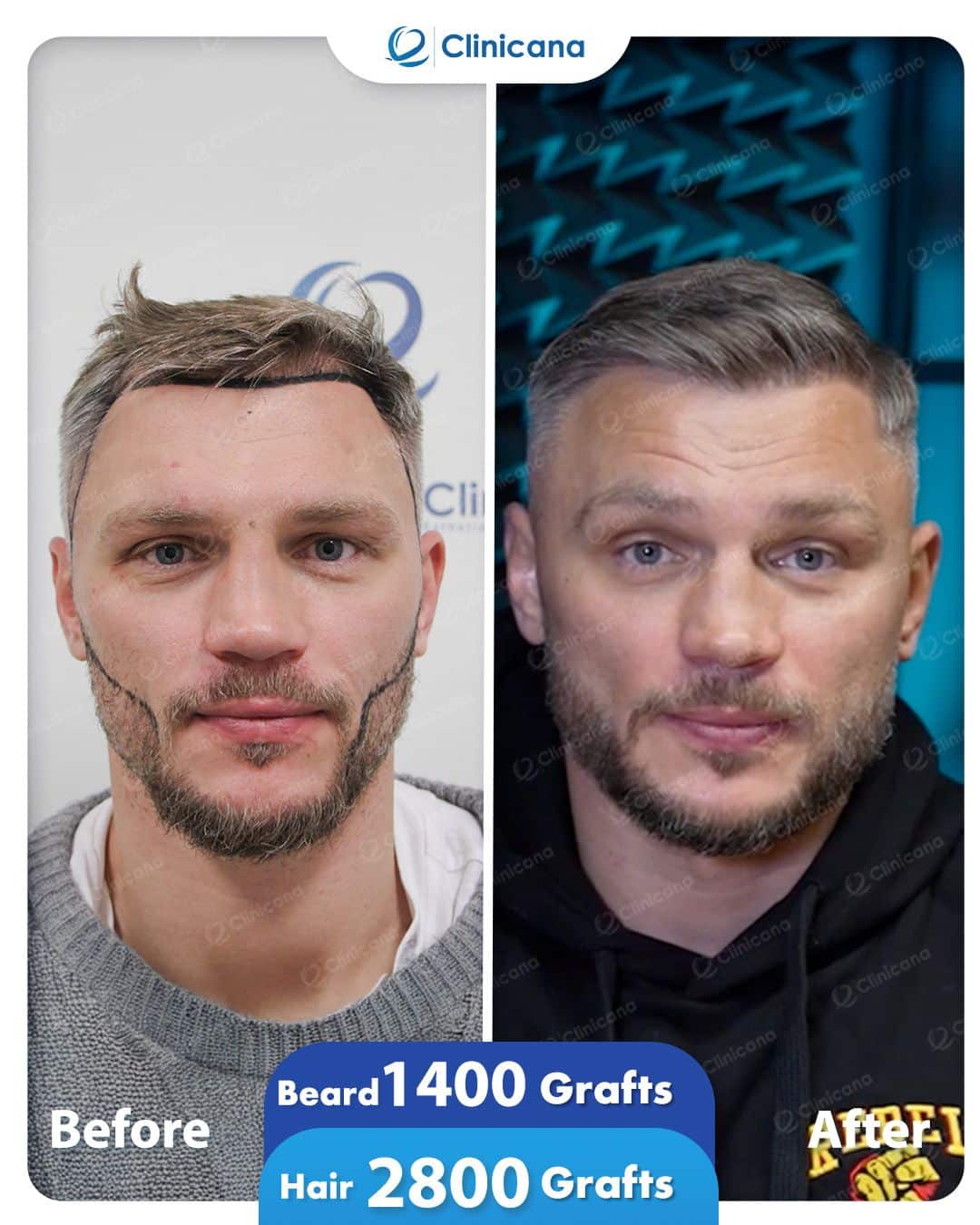
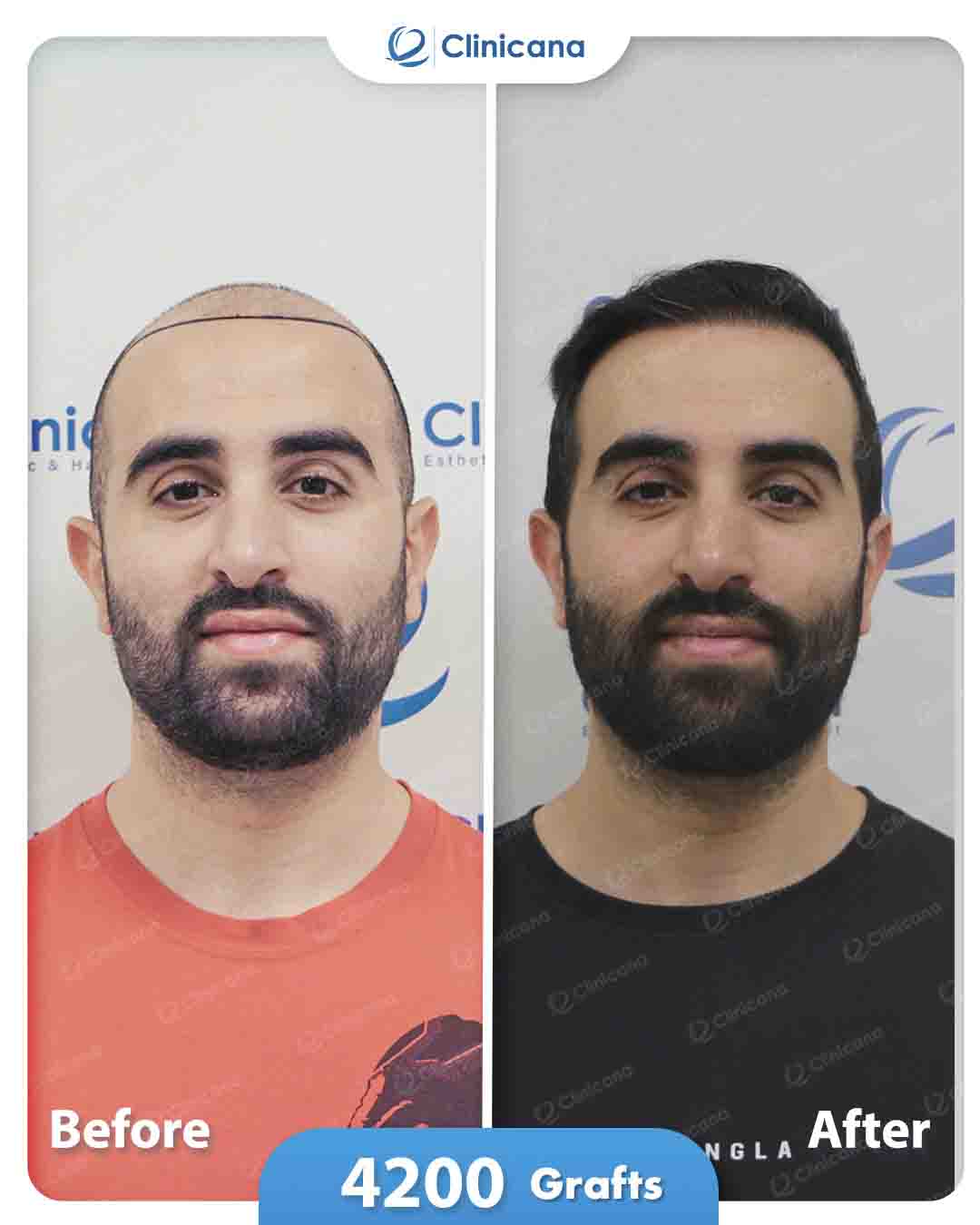
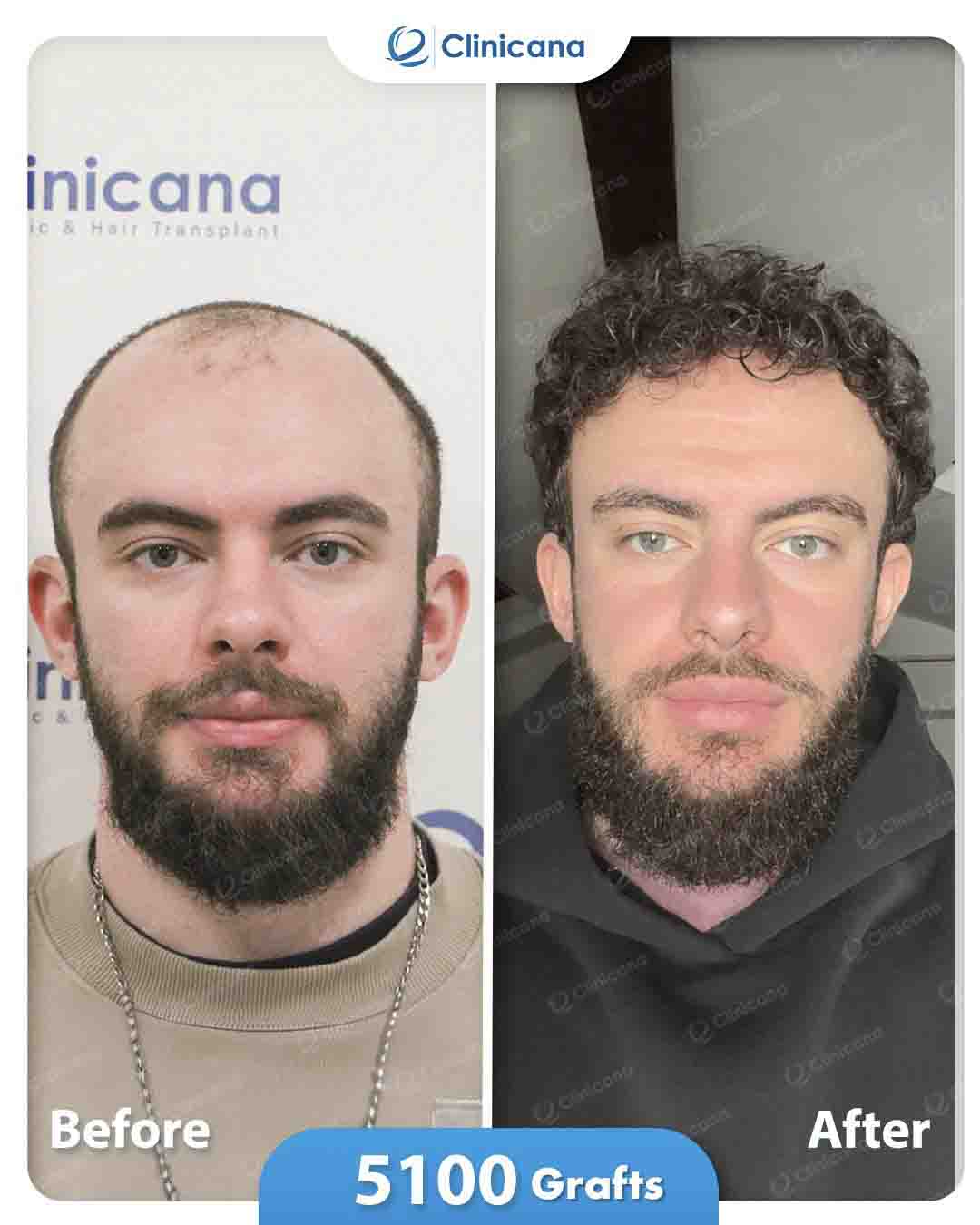
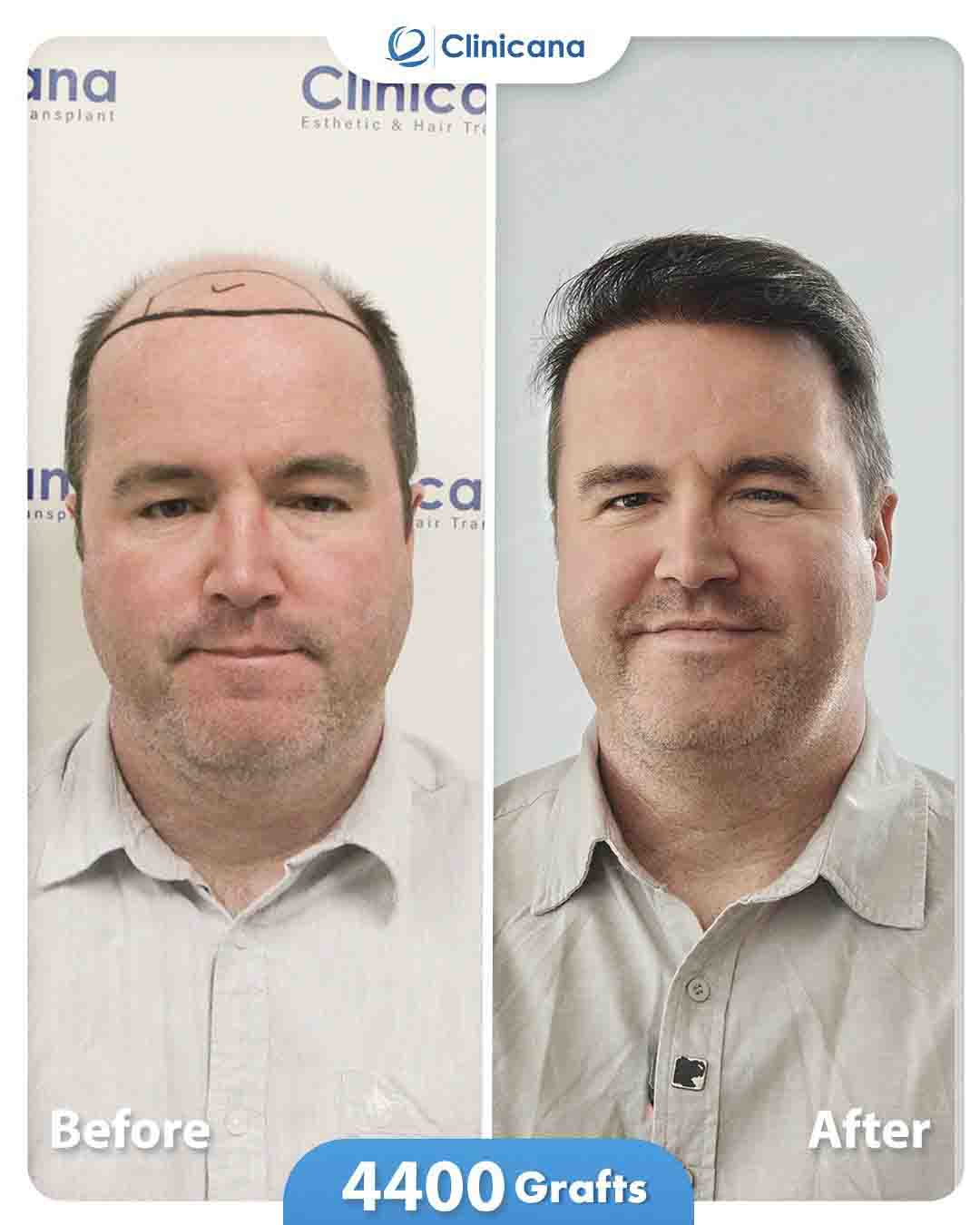
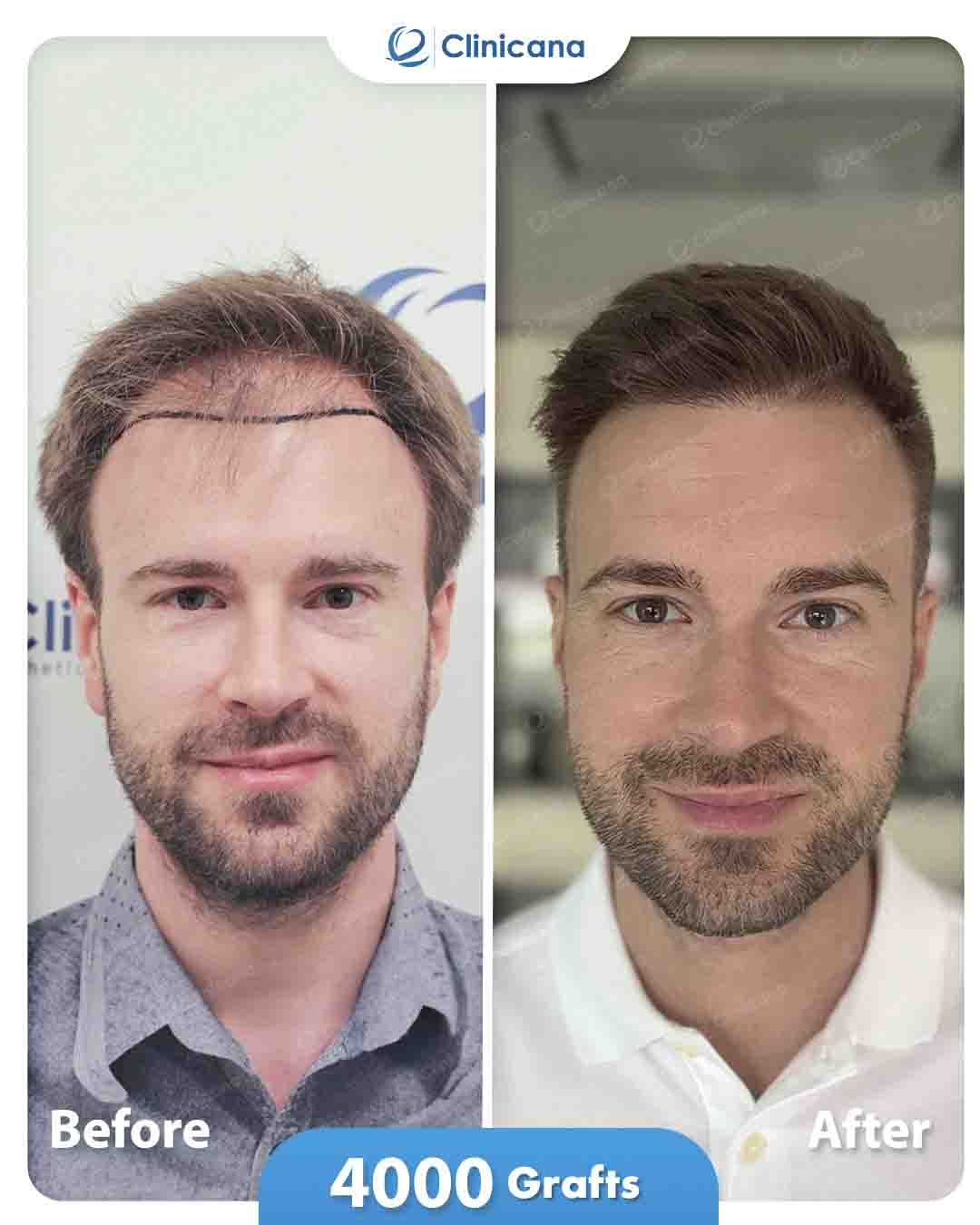
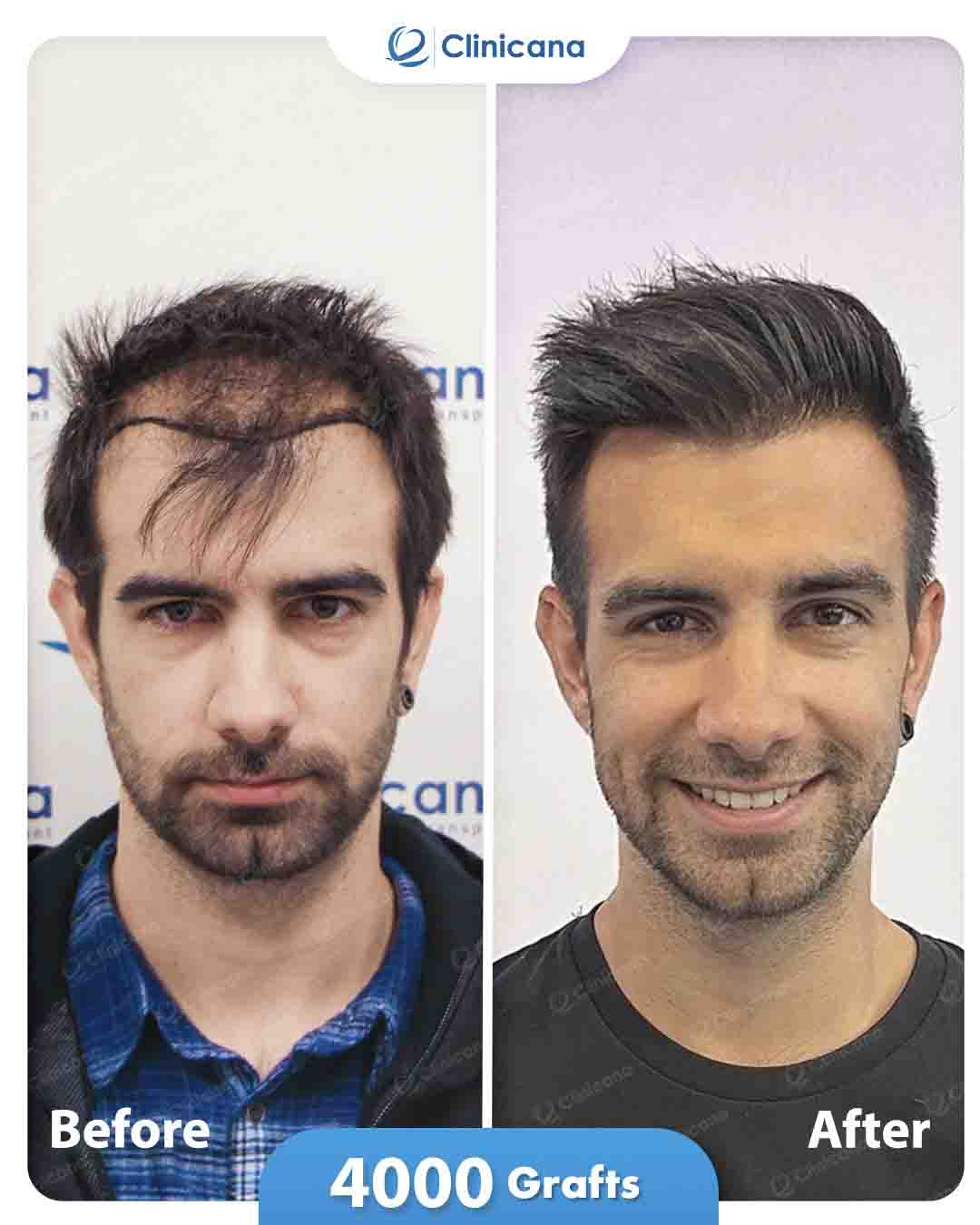
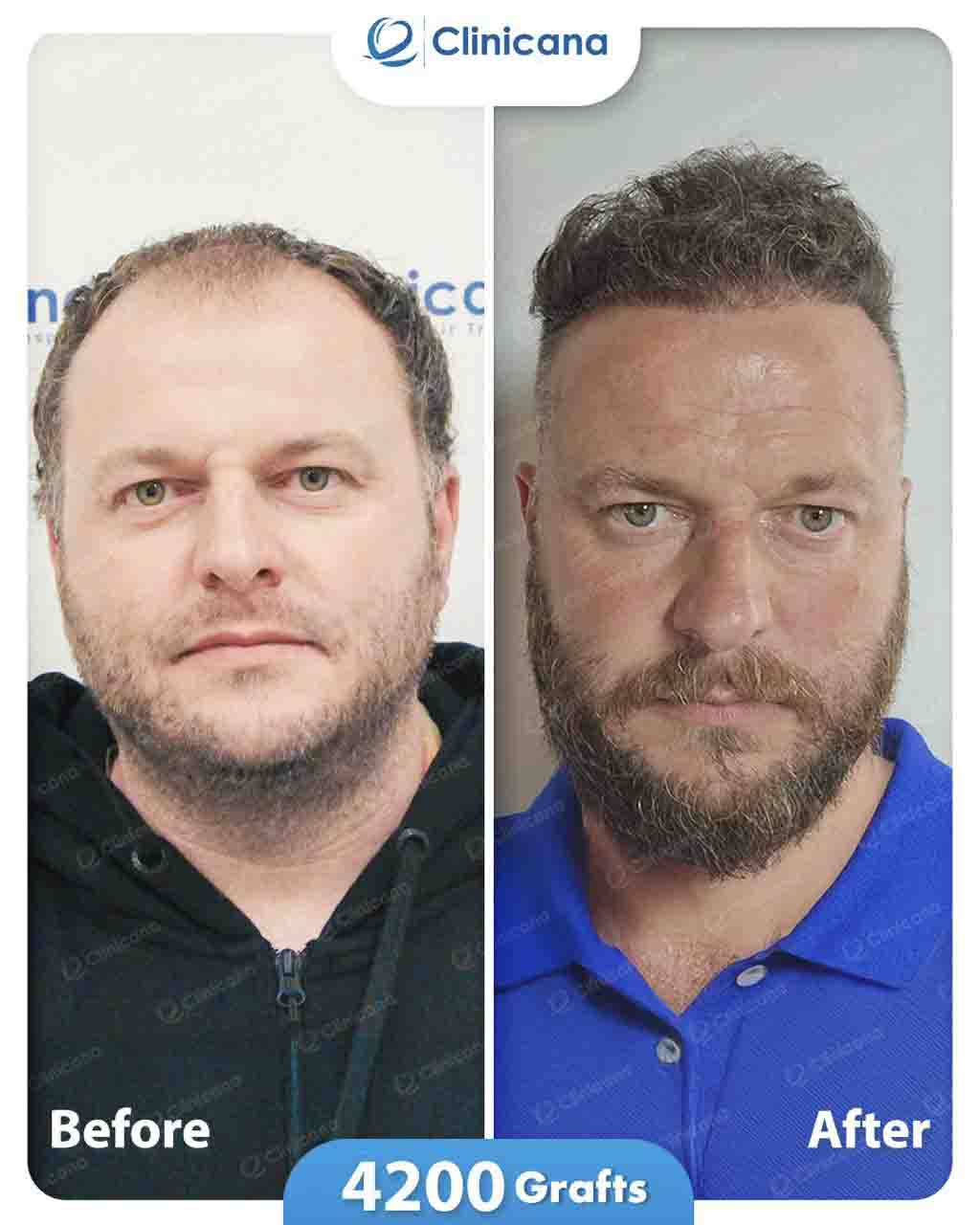
It´s important to see a hair transplant before and after the procedure to evaluate if this is going to be our choice to solve our alopecia problems.
Of course, each case and patient is different, but it´s a fact that usually only after seeing real results and experiences from other people, do we then make a final decision.
When we talk about hair loss problems, we think that the famous adage “A picture is worth a thousand words” is truer than ever, because usually real photos of real patients are the best proof of a successful treatment after coming to our clinic for a hair transplant in Turkey.
Therefore, we proudly show you on this page what a hair transplant looks like before and after passing through the hands of our skilled medical staff at Clinicana.


Diagnostic Parameter Tinea Capitis Alopecia Areata Seborrheic Dermatitis Primary Etiology Dermatophyte fungal infection (Microsporum / Trichophyton) Autoimmune response targeting hair follicles Overgrowth of Malassezia yeast and inflammatory reaction Scalp Scaling Present (fine grayish scales or thick crusting) Absent (scalp is smooth and clinically normal) Present (greasy, yellowish, or diffuse white flakes) Hair Shaft Appearance Broken […]
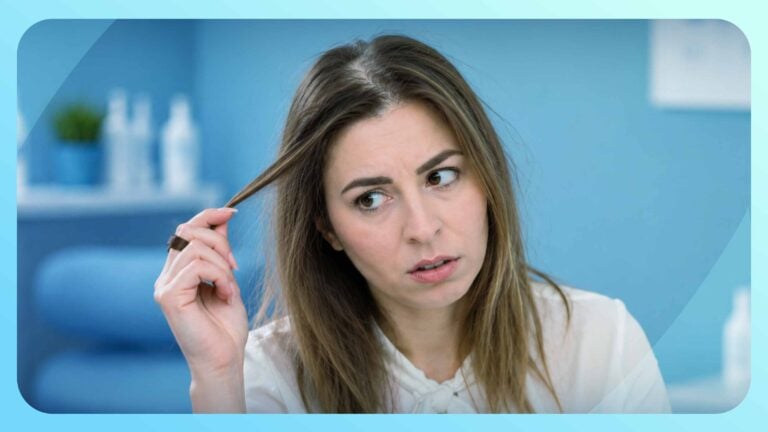
Medical Review by: Prof. Dr. Soner Tatlıdede – September 2026 Quick Summary (TL;DR) Iron deficiency—specifically depleted serum ferritin stores—is one of the most prevalent nutritional triggers of diffuse hair shedding, particularly among women and vegetarians. Iron is not merely a component of blood cells; it serves as a critical biological catalyst for cellular division and oxygen transport inside […]
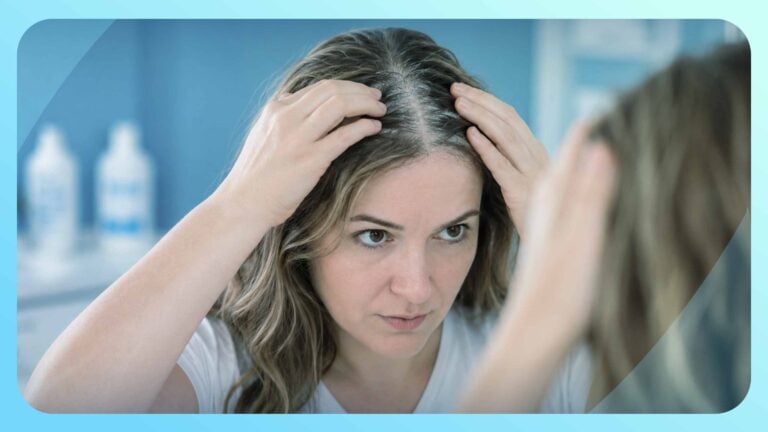
Medical Review by: Prof. Dr. Soner Tatlıdede – September 2026 Direct Definition: What Is Female Pattern Baldness? Female pattern baldness (androgenetic alopecia in women) is a genetically influenced condition characterized by progressive hair thinning across the vertex and widening of the central part line, while usually preserving the frontal hairline. Unlike male pattern hair loss, which frequently causes […]

Thank you!
Your details have been successfully submitted. Thanks!