


Scalp Psoriasis and Hair Loss: Pre and Post-Transplant Safety Guidelines
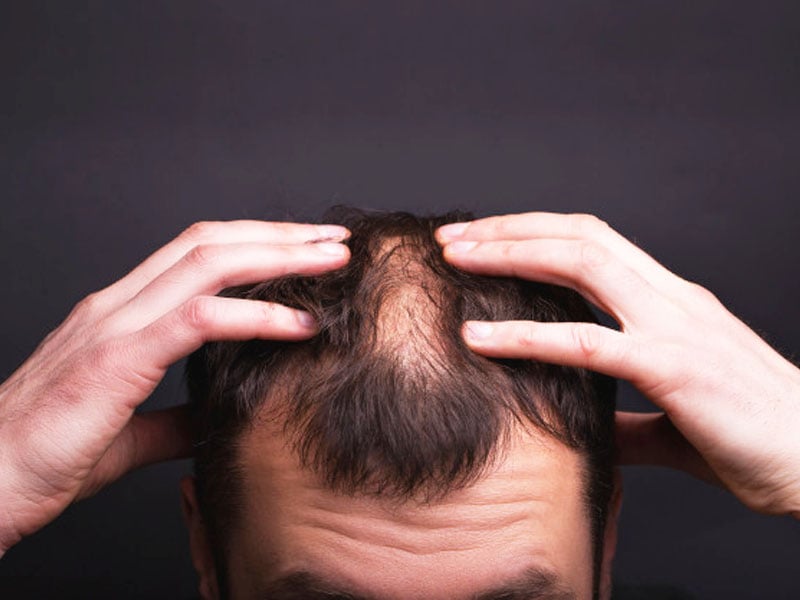
Scalp psoriasis and seborrheic dermatitis are chronic inflammatory conditions that frequently cause discomfort, itching, redness, and scaling.
For individuals experiencing hair thinning alongside these conditions, severe anxiety often arises regarding permanent follicle loss and the feasibility of hair restoration. A central concern among patients is whether undergoing a hair transplant while managing scalp psoriasis is safe and effective.
Under proper dermatological supervision and clinical protocols, hair transplantation can be performed safely for patients with scalp psoriasis.
At Clinicana, under the medical guidance of Prof. Dr. Soner Tatlıdede, patient safety and graft survival are prioritized through tailored pre-operative stabilization and post-operative care strategies.
Understanding Scalp Psoriasis and Hair Loss: Is Damage Permanent?
Scalp psoriasis is an autoimmune skin condition characterized by accelerated skin cell turnover, leading to silver-white scales, plaques, and localized inflammation.
Seborrheic dermatitis shares similar symptoms, such as itching and scaling, but stems from sebum overproduction and yeast activity (Malassezia).
Does Scalp Inflammation Cause Permanent Hair Loss?
- Telogen Effluvium (Temporary Shedding): Chronic inflammation and mechanical irritation from persistent scratching can trigger premature hair shedding (Telogen Effluvium). In most instances, this shedding is temporary, and hair regrowth occurs once inflammation subsides.
- Cicatricial (Scarring) Alopecia: Permanent loss occurs primarily when severe, untreated lesions lead to deep scarring that destroys the hair follicle unit.
- The Mechanical Micro-Trauma Factor: Vigorous scratching damages the epidermal barrier and hair shafts, weakening root anchoring.
Strict inflammation control prior to any surgical intervention prevents irreversible follicle damage and establishes an optimal recipient bed for hair grafts.
Can You Get a Hair Transplant with Scalp Psoriasis?
Yes, patients with scalp psoriasis can undergo a hair transplant, provided the condition is in complete clinical remission at the time of surgery.
Key Pre-Requisites for Surgical Safety
- Inactive Lesions: The scalp recipient and donor sites must be entirely free from active psoriatic plaques, erythema, and scaling.
- The Koebner Phenomenon Risk: Physical trauma to the skin—such as micro-incisions made during Follicular Unit Extraction (FUE) or Sapphire FUE—can trigger new psoriatic lesions at the injury site in active psoriasis patients.
- Dermatological Clearance: Surgery should only proceed after a thorough dermatological evaluation confirms disease control.
Scalp Condition Comparison
Below is a comparison of common scalp conditions and their surgical implications:
Pre-Transplant Safety Protocol: Preparing the Scalp
Pre-operative preparation aims to stabilize the immune response and eliminate scalp inflammation weeks before the procedure.
Step 1: Medical Evaluation and Stabilization (4 to 8 Weeks Prior)
- Topical Corticosteroids & Calcipotriene: Prescribed to suppress plaque formation and local inflammation.
- Medicated Shampoos: Formulated with coal tar, salicylic acid, or ketoconazole to clear scaling and maintain micro-environment balance.
- Systemic Therapy Evaluation: For moderate-to-severe cases, biologic therapies or oral immunosuppressive medications may be managed under dermatological oversight.
Step 2: Pre-Operative Checklist (1 to 2 Weeks Prior)
- Discontinue harsh topical exfoliants or alcohol-based solutions that irritate the dermal layer.
- Avoid aggressive scratching or mechanical scrubbing.
- Complete a final scalp assessment with the medical team at Clinicana to verify donor and recipient site integrity.
Surgical Considerations and Graft Protection Strategies
Surgical precision is critical when operating on patients with a history of scalp psoriasis.
1. Choice of Extraction and Implantation Technique
Using advanced techniques such as Sapphire FUE or Direct Hair Implantation (DHI) reduces micro-vascular trauma, minimizes tissue damage, and lowers the risk of triggering the Koebner phenomenon.
2. Donor Site Management
The donor area (typically the occipital zone) must be examined to ensure no hidden plaques exist. Healthy graft extraction ensures strong follicle viability.
3. Micro-Incision Depth & Density
Graft placement requires carefully calibrated incision depth to protect underlying dermal tissues and maintain blood supply without aggravating sub-clinical inflammation.
Post-Transplant Guidelines: Protecting Grafts and Preventing Flares
The post-operative phase requires diligent adherence to specialized hygiene protocols to protect newly implanted grafts and prevent disease reactivation.
Post-Transplant Recovery Roadmap
Post-Operative Care Rules
- Avoid Scratching: Mechanical disruption during the first 14 days can dislodge grafts or cause secondary bacterial infections.
- Gentle Cleaning Protocol: Use prescribed isotonic saline sprays and ultra-gentle, pH-balanced shampoos during the initial 10 days.
- Reintroducing Psoriasis Treatments: Active topical steroid solutions or coal tar preparations should not be applied directly over newly implanted grafts until cleared by your surgeon (typically after 3 to 4 weeks).
- Moisturization: Apply specialized post-transplant lotions to soften scabs without forcing mechanical desquamation.
Expected Timeline and Healing Outcomes
Recovery following a hair transplant with managed scalp psoriasis follows a structured clinical timeline:
- Days 1–10: Initial graft anchoring and crust formation. Gentle wash protocols prevent plaque buildup.
- Weeks 2–4: Natural shedding of transplanted hair shafts (shock loss). The root structures remain secure beneath the scalp.
- Months 3–6: Early hair regrowth begins. Regular scalp checks ensure no psoriasis flare-ups impair graft emergence.
- Months 12–18: Full density and final results are achieved with healthy hair growth.
Why Choose Clinicana for Specialized Hair Restoration?
Navigating hair transplantation alongside complex scalp conditions requires expert clinical judgment and personalized patient care. At Clinicana Hair Transplant Center in Istanbul, Turkey:
- Expert Medical Supervision: Led by Prof. Dr. Soner Tatlıdede, our medical team conducts comprehensive pre-operative evaluations tailored to sensitive and psoriasis-prone scalps.
- Advanced Sapphire & DHI Technology: We utilize state-of-the-art micro-instruments designed to minimize scalp trauma and support swift recovery.
- Comprehensive Patient Follow-Up: Long-term post-operative guidance ensures your scalp remains healthy and your newly transplanted grafts achieve optimal survival rates.
Academic and Scientific References
- Gupta, A. K., & Lyons, D. C. A. (2019). The Management of Scalp Psoriasis and Its Impact on Hair Growth and Loss. Journal of Cutaneous Medicine and Surgery, 23(6), 615–624.
- Camacho, F. M., & Garcia-Hernandez, M. J. (2017). Surgical Considerations in Patients with Scalp Dermatoses: Preventing the Koebner Phenomenon in Hair Restoration. Dermatologic Surgery, 43(4), 512–520.
- Unger, R. J., & Unger, W. P. (2020). Hair Transplantation (5th ed.). CRC Press. (Chapter on Pre-operative Scalp Conditions and Graft Survival Dynamics).
- Jimenez, F., & Ruifernández, J. M. (2018). Micro-grafting Techniques and Tissue Healing in Inflammatory Scalp Disorders. International Journal of Trichology, 10(3), 101–108.


Medical review by: Prof. Dr. Soner Tatlıdede, hair transplant surgeon (22+ years, 18,947 procedures) – October 2026 When can you cut your hair after a hair transplant? Hair in the donor area can be trimmed after 1 month using scissors or clippers. As for the recipient area, trimming only the ends of the hair using […]

Medical review by: Prof. Dr. Soner Tatlıdede, hair transplant surgeon (22+ years, 18,947 procedures) – October 2026 Congratulations on completing your hair transplant. While the surgical part is finished, the success of your restoration now depends heavily on the recovery phase. In our clinical experience, the first two weeks post-surgery are just as critical as […]
Scalp psoriasis and seborrheic dermatitis are chronic inflammatory conditions that frequently cause discomfort, itching, redness, and scaling. For individuals experiencing hair thinning alongside these conditions, severe anxiety often arises regarding permanent follicle loss and the feasibility of hair restoration. A central concern among patients is whether undergoing a hair transplant while managing scalp psoriasis is […]


Thank you!
Your details have been successfully submitted. Thanks!