


Beard Transplant vs. Minoxidil: Permanent Solution vs. Daily Commitment
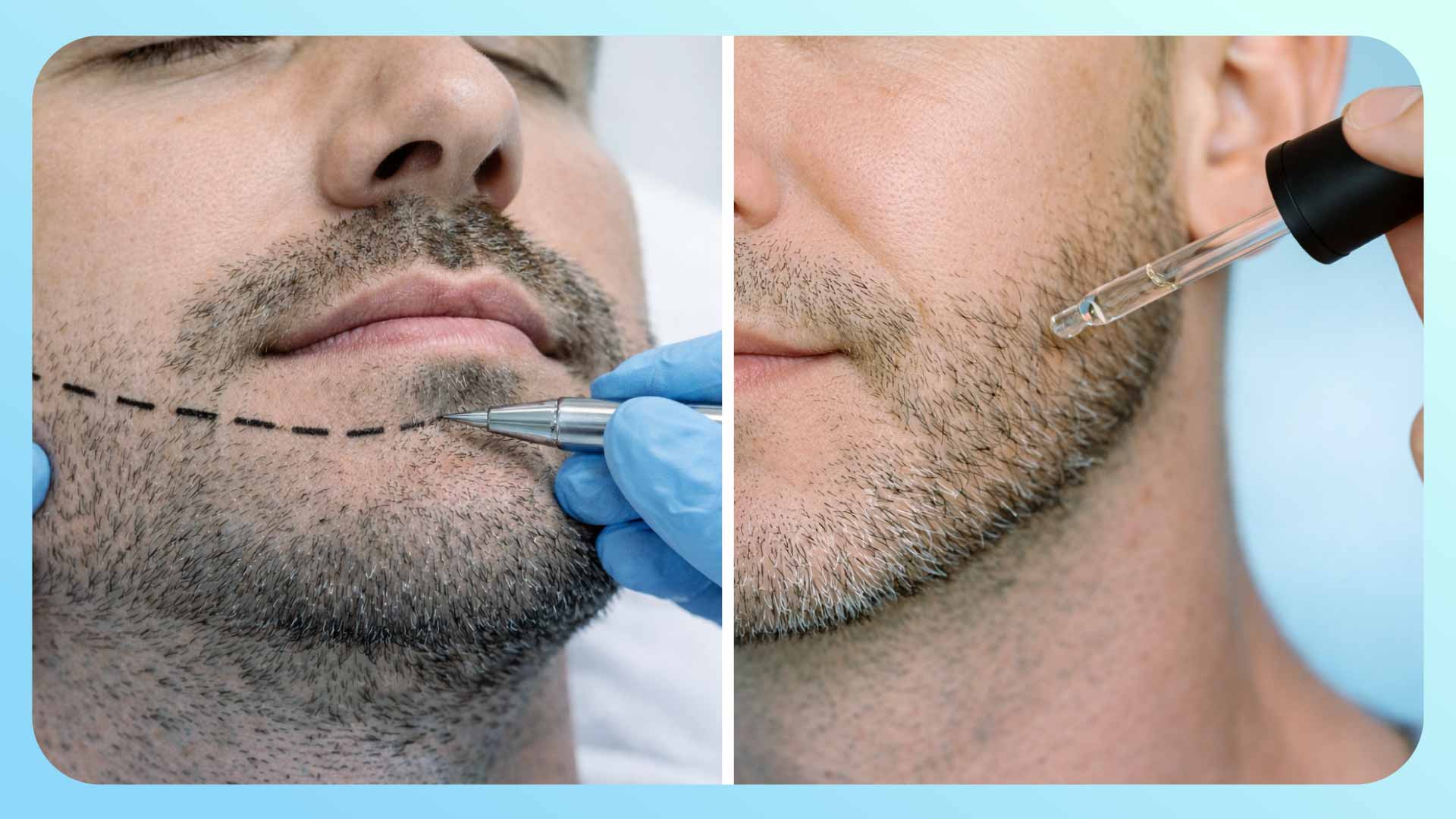
A full, dense beard is often seen as a symbol of masculinity and style, but for many men, genetics simply does not cooperate.
Whether it is a few patchy areas on the cheeks or a completely bare face, the frustration of inability to grow facial hair is a common concern we see in our clinic daily.
When facing this issue, you essentially have two paths: a medical path (Beard Transplant) and a pharmaceutical path (Minoxidil).
One offers a permanent, structural change, while the other offers a temporary chemical stimulation.
At Clinicana, we believe in helping patients make informed medical decisions. This guide breaks down the science, the costs, and the realistic outcomes of both methods, helping you decide if you need a daily routine or a one-time procedure to achieve the beard you desire.
Understanding the Patchy Beard Problem
Before choosing a solution, it is vital to understand the root cause. Beard growth is largely determined by genetics and your hair follicles’ sensitivity to androgens (testosterone and DHT).
- The Genetic Reality: If you have hair follicles in the beard area but they are dormant or producing only fine “peach fuzz” (vellus hair), chemical stimulation might wake them up.
- The “Barren Soil” Reality: If you have absolutely no hair follicles in a specific area (a true bald patch), no amount of chemical stimulation can make hair grow. You cannot stimulate a seed that isn’t there. This is where moving active follicles (transplantation) becomes the only viable option.
Minoxidil for Beards: The “Chemical Stimulation” Route
Minoxidil (commonly known by brand names like Rogaine) was originally a blood pressure medication that had the side effect of hair growth.
Today, it is the most popular over-the-counter remedy for beard growth.
How it works
Minoxidil is a vasodilator. When applied topically, it widens the blood vessels around the hair follicles, allowing more oxygen, blood, and nutrients to reach the hair root.
This extended nutrient supply can force follicles from the resting phase (telogen) into the growing phase (anagen) and turn thin vellus hairs into thicker “terminal” hairs.
The Daily Commitment (Consistency is King)
Minoxidil is not a cure; it is a maintenance treatment.
- Routine: You must apply the liquid or foam twice a day, every day. Missing doses can stall progress.
- The “Shedding Phase”: Many users panic when they start losing hair around week 2-4. This “dread shed” is actually a good sign—it means the weak hairs are being pushed out to make room for stronger ones.
- Timeline: Results are slow. You typically need 3 months to see the first signs of change, 6 months for noticeable density, and at least a year to attempt to make the gains “permanent.”
Limitations & Side Effects
Because it is a drug, systemic absorption can occur.
- Skin Issues: Dryness, flaking, and itching of the facial skin are very common.
- Systemic Side Effects: Some users report heart palpitations, dizziness, or headaches due to blood pressure changes.
- The Reversal Risk: If you stop using Minoxidil before the hairs have fully matured into terminal hairs (which can take 1-2 years), they will likely fall out and return to their original peach-fuzz state.
Beard Transplant: The “Surgical Relocation” Route
A beard transplant is a medical procedure where we physically move hair follicles from the back of your scalp (the donor area) to your face.
How it works
Using FUE (Follicular Unit Extraction) or DHI (Direct Hair Implantation) techniques, we extract genetically resistant hair follicles and implant them into the patchy areas of your beard.
Permanence & Natural Growth
- Once Done, It’s Done: The transplanted hair is permanent. It will grow for the rest of your life.
- Natural Cycle: Because it is real hair, you can shave it, trim it, and style it exactly like a natural beard.
Customization & Artistry
This is where surgical expertise shines. We do not just “add hair.” We design your face.
- Cheek Line: We can create a sharp, laser-defined line or a soft, natural gradient depending on your preference.
- Scar Coverage: It is the only effective way to hide facial scars (from acne or accidents) where hair refuses to grow.
Downtime & Recovery
Unlike the invisible daily routine of Minoxidil, surgery has a recovery phase. You will have tiny scabs on your face for about 10 days.
After that, the transplanted hair will shed (shock loss) before growing back permanently starting around month 3.
Head-to-Head Comparison: Beard Transplant vs Minoxidil
To help you decide, here is a direct comparison of the two methods.
| Feature | Minoxidil (Topical) | Beard Transplant (Surgery) |
| Cost (5 Years) | Moderate ($600 – $1,000+) | High One-Time ($2,500 – $3,500) |
| Permanence | Temporary (Must use for 1-2 years minimum) | Permanent (Lifetime result) |
| Maintenance | High (Apply 2x daily) | Zero (Wash & trim like normal hair) |
| Pain/Discomfort | Skin irritation, dryness | Mild discomfort during recovery (1 week) |
| Guaranteed Results | Low (Depends on genetics) | High (If donor hair is good) |
| Time to Final Look | 6 – 18 months | 10 – 12 months |
| Bald Spots | Ineffective on smooth bald skin | Highly Effective |
5 Key Factors to Decide Which is Right For You
1. Do you have some hair or no hair?
If you have a “baby face” with zero visible follicles, Minoxidil will likely fail. You need a transplant to introduce hair roots. If you have a thin, patchy beard with lots of peach fuzz, Minoxidil is worth a try first.
2. Your Patience Level
If you want a guaranteed result within a year, surgery is the predictable path. If you are willing to experiment for 6-12 months with no guarantee of success, start with Minoxidil.
3. Budget Analysis (Short Term vs Long Term)
Minoxidil is cheap monthly ($10-$20), making it an easy entry point. However, over 10 years, the cost adds up. A transplant is a significant investment upfront but costs nothing afterwards.
4. Tolerance for Daily Routines
Can you commit to applying a chemical to your face twice a day for a year? If you struggle with routine, Minoxidil consistency will drop, and so will your results.
5. Desired Density & Shape Precision
Minoxidil enhances what you have—it cannot change your beard geometry. If you want to lower your cheek line or connect a goatee that naturally doesn’t connect, only a transplant allows you to “draw” new lines.
Hybrid Approach: Using Minoxidil After a Transplant?
Interestingly, these two are not mutually exclusive. In our medical practice, we often prescribe Minoxidil to patients after their beard transplant surgery.
- Accelerating Growth: Minoxidil increases blood flow to the newly implanted grafts, helping them anchor faster and potentially grow sooner.
- Reducing Shock Loss: It can help minimize the shedding phase of both the transplanted hair and the existing native hair.
Frequently Asked Questions (FAQ)
Will Minoxidil fix a completely bald spot on my cheek?
Likely not. If the skin is completely smooth and devoid of even vellus (peach fuzz) hairs, it suggests a lack of follicles. Minoxidil cannot create follicles; it can only stimulate existing ones. A transplant is the correct solution here.
Can I shave my transplanted beard?
Yes, absolutely. Once the healing process is complete (usually after 10-14 days for scabs to fall, and a few months for growth), you can shave with a razor, use an electric trimmer, and treat it exactly like normal facial hair.
Is beard transplant hair different from normal beard hair?
Technically, yes. We take the hair from the back of your scalp. Initially, it may grow faster and feel slightly softer than coarse beard hair. However, over time, the transplanted hair often adapts to the texture of the facial hair profile.
Does Minoxidil have side effects on blood pressure?
It can. Minoxidil is a vasodilator. While rare with topical use, some systemic absorption can occur, leading to slight drops in blood pressure, dizziness, or heart palpitations. If you have heart issues, consult a doctor before use.
What is the success rate of beard transplants at Clinicana?
At Clinicana, located in a JCI-accredited hospital, our success rate for graft survival is typically 90-95%. This high rate is due to our rigorous selection of donor hairs and the use of precise DHI implantation pens that minimize trauma to the face.
Final Verdict: Why a Diagnosis Comes First
Don’t waste years applying chemicals if you simply don’t have the biology for it. The most efficient way to save time and money is to get a proper diagnosis.
Are your beard gaps treatable with medicine, or do they need surgery?
Don’t guess. Contact our medical team at Clinicana today. Send us photos of your beard for a free, no-obligation assessment. We will tell you honestly if you are a good candidate for Minoxidil or if a transplant is your path to a full, masculine beard.
Medical Disclaimer: This content is for informational purposes only and does not replace professional medical consultation.


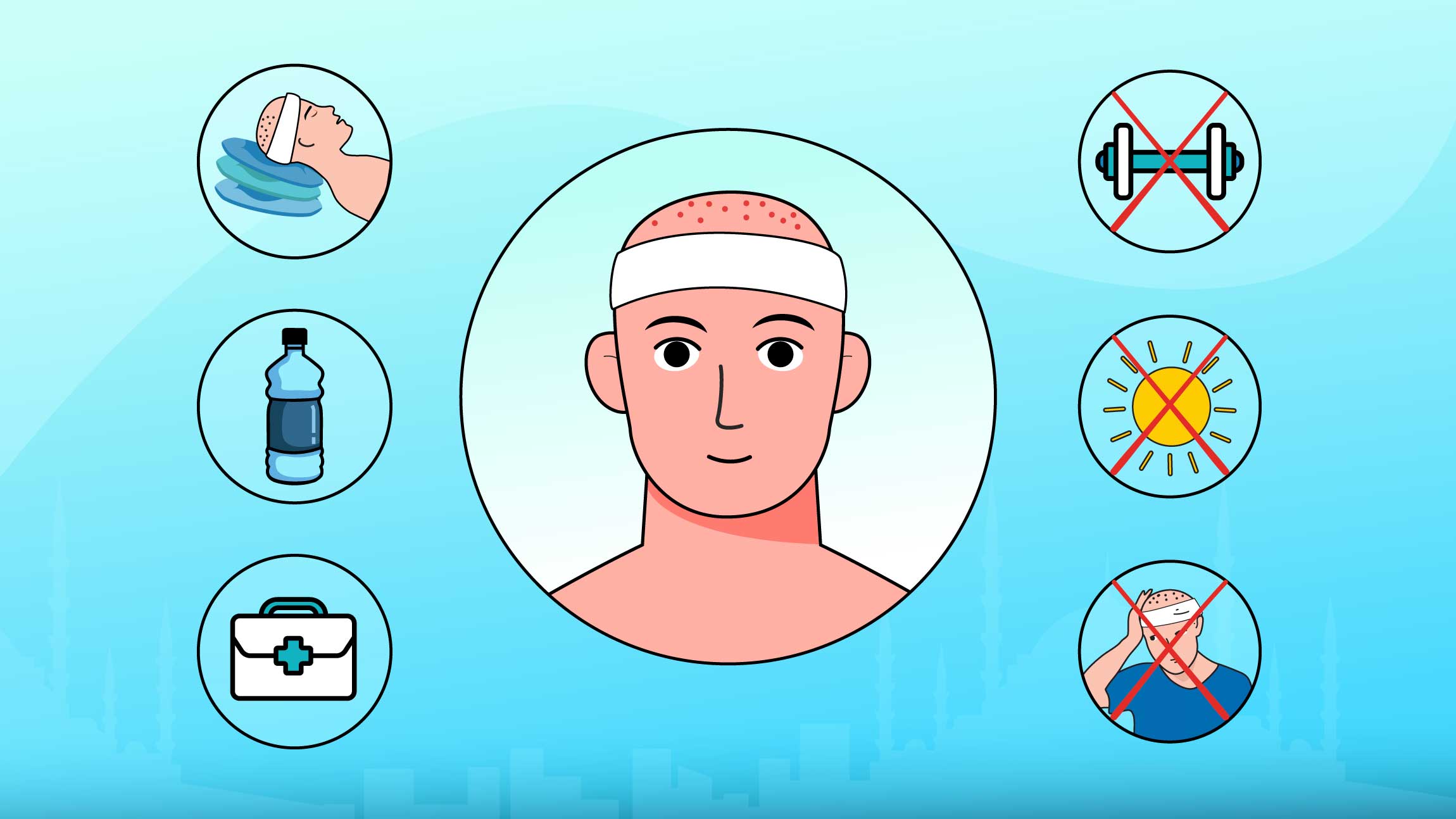
The success of your hair transplant doesn’t end when you leave the operating room. In fact, the most critical work begins the moment you step out of the clinic. The first two weeks are the defining period for your results. During this time, your new hair grafts are fragile, living entities that are working hard […]
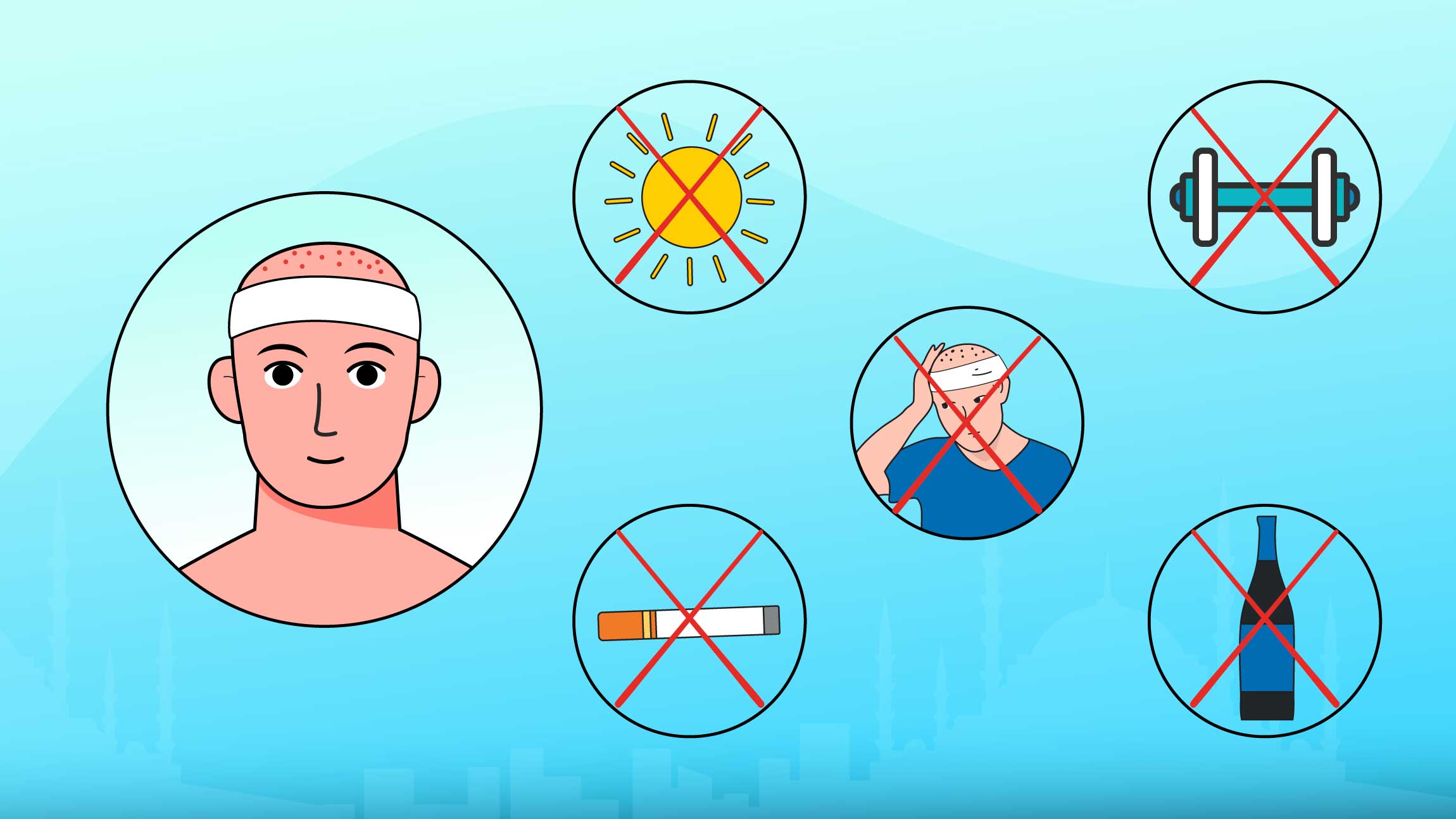
Congratulations on completing your hair transplant. While the surgical part is finished, the success of your restoration now depends heavily on the recovery phase. In our clinical experience, the first two weeks post-surgery are just as critical as the procedure itself. Understanding what to avoid after a hair transplant is essential because your new follicles […]
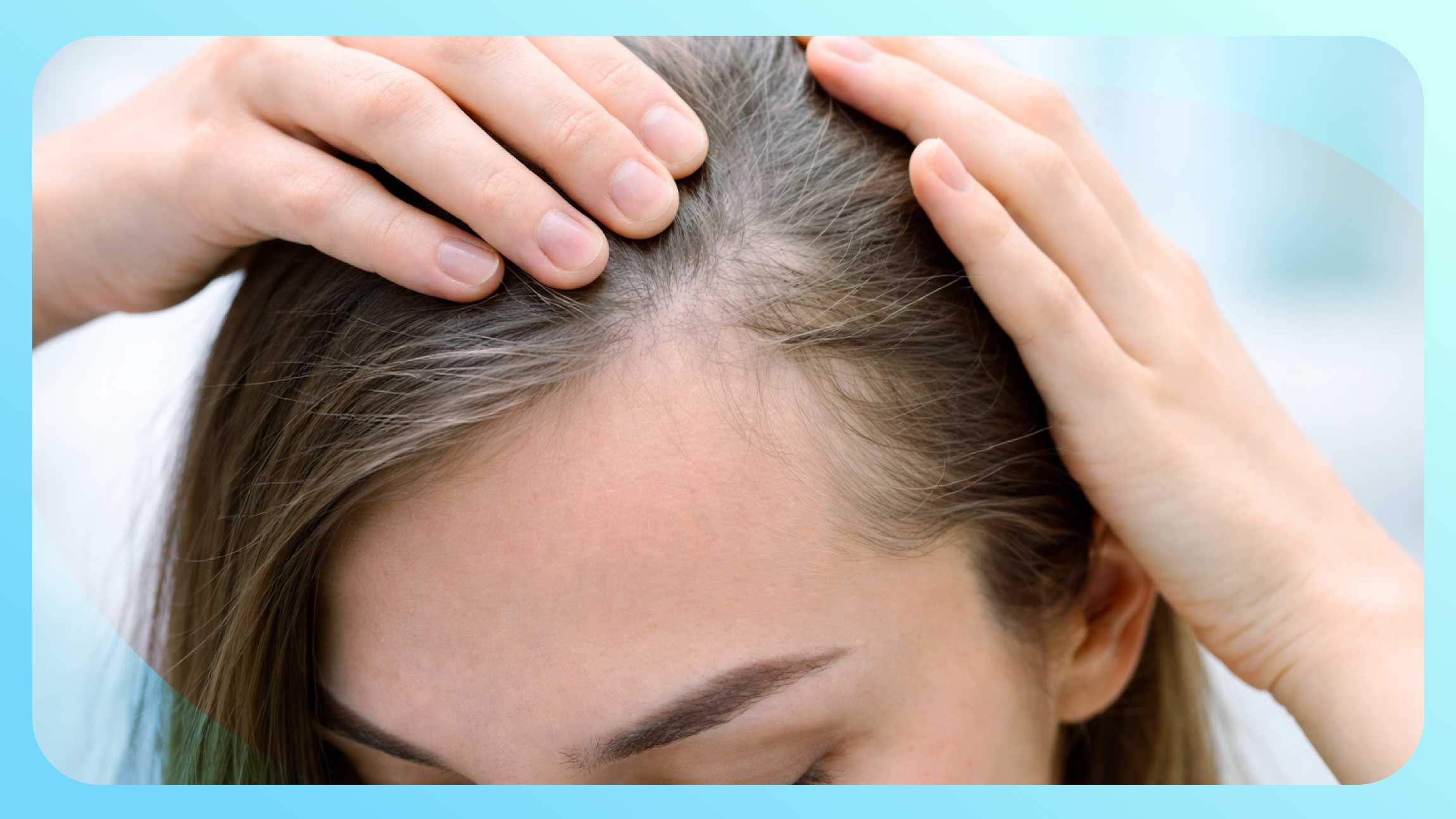
Hair loss is often culturally discussed as a male issue, but in our clinical experience, the impact on women is frequently more profound and emotionally distressing. For a woman, hair is often tied closely to identity and femininity. Losing it can feel isolating. Fortunately, the medical field has evolved. We no longer treat female hair […]


Thank you!
Your details have been successfully submitted. Thanks!