


Manual FUE vs Robotic ARTAS: Which Transplant is Better?
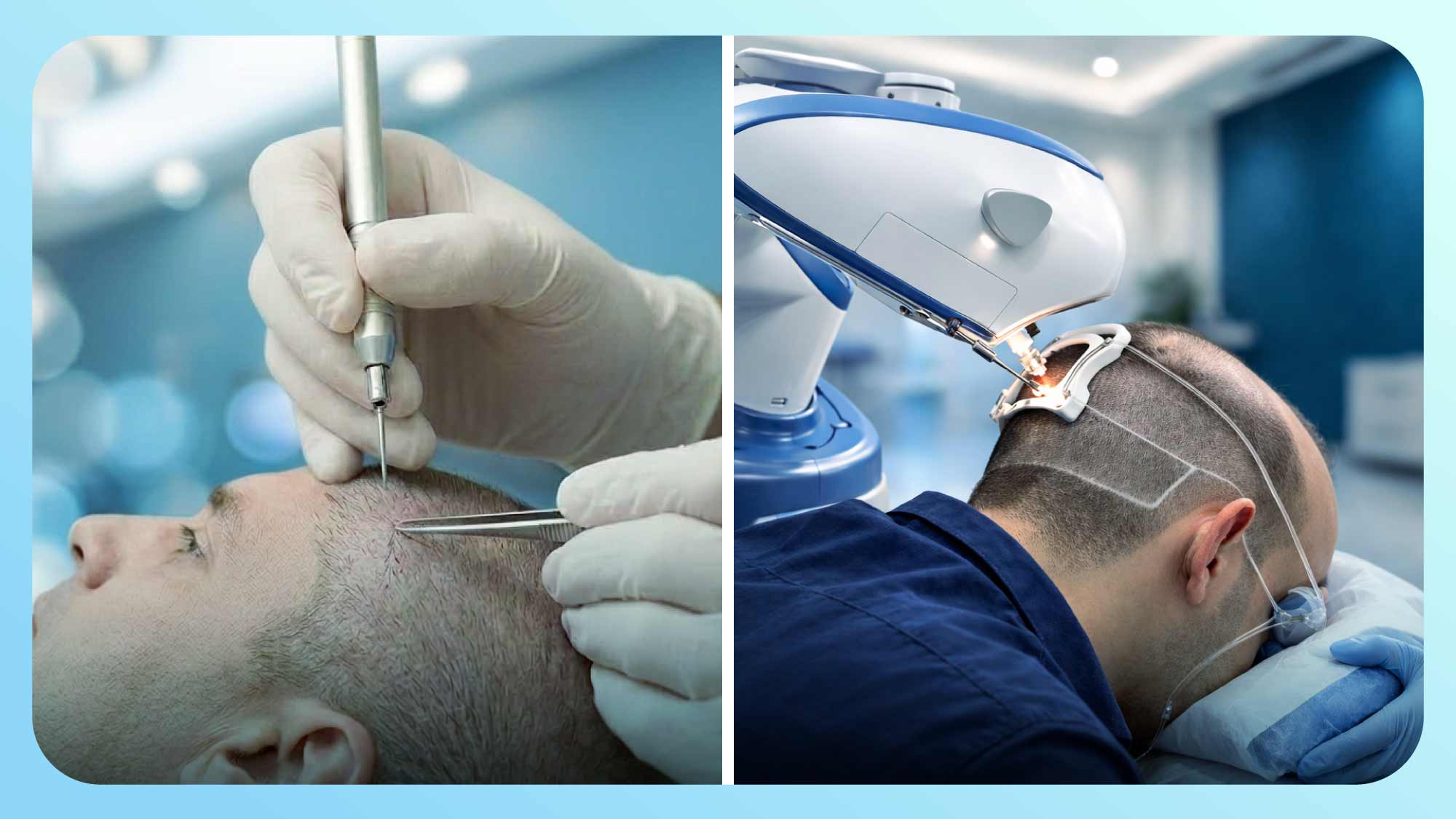
In the era of self-driving cars and AI-generated art, it is natural to assume that the latest technology is always superior.
We are conditioned to believe that “automated” means “precise” and “manual” means “outdated.” When patients visit our clinic, they often ask about Robotic Hair Transplants (specifically the ARTAS system), assuming it represents the pinnacle of medical restoration.
However, medicine—and specifically cosmetic surgery—is not a manufacturing process. It is a biological art form.
While robots excel at repetitive tasks on rigid assembly lines, the human body is a soft, dynamic, and variable canvas.
At our hospital, we believe in technology that enhances human skill, not technology that attempts to replace it.
The debate between Manual FUE vs Robotic Hair Transplant is not just about gadgets; it is about results.
This guide explores the clinical reality behind the marketing hype, explaining why the world’s top surgeons still rely on their hands to create the most natural, dense, and permanent results.
Man vs. Machine in Hair Restoration
The allure of high-tech marketing is undeniable. A robot promises mathematical perfection and the elimination of human error. But does this promise hold up in the operating room?
The Reality: Manufacturing vs. Sculpting
If you were building a car engine, you would want a robot. Metal does not change texture, bleed, or shift when touched. But hair transplantation involves living tissue.
The scalp skin varies in thickness from the splant requires constant, micro-adjustments that a pre-programmed machine often struggles to make.
A surgeon feels the resistance of the tissue; a robot only “sees” surface pixels.
Why Robots Haven’t Replaced Surgeons
Despite being available for over a decade, robotic systems like ARTAS have not become the global standard. They remain a niche marketing tool.
Why? Because the “human touch”—specifically the ability to adapt to unexpected variables—remains the most critical factor in graft survival.
While robots are fascinating feats of engineering, they currently lack the nuance required for complex cases, curly hair, or advanced hairline design.
Understanding Robotic FUE (ARTAS)
To make an informed decision, you must understand how the robotic system actually functions. The ARTAS system is an image-guided robotic arm that assists in the extraction phase of the transplant.
How It Works
The patient sits in a chair with a tensioner frame attached to their head to keep the skin taut. The robot uses a dual-camera stereoscopic vision system to map the scalp.
It identifies hair follicles based on the contrast between the hair color and the skin tone. Once a follicle is targeted, the robotic arm moves in to punch (cut) the skin around the graft.
The Main Pros of Automation
- Consistency: A robot does not have “bad days” or get tremors after 6 hours of surgery. Its movements are mechanically consistent.
- Zero Fatigue: In massive sessions (3,000+ grafts), human teams can get tired. A robot maintains the same pace from the first graft to the last.
- Precise Spacing: The algorithm is excellent at harvesting grafts evenly across the donor area, preventing over-harvesting in one specific spot.
The Significant Cons
However, the limitations are medically significant:
- Limited Candidate Pool: The robot relies on visual contrast. It struggles significantly with light hair (blonde, gray, or red) or dark skin. Patients often have to dye their hair black before surgery for the robot to “see” it.
- Curly Hair Challenges: The robot calculates the angle of the hair based on the visible shaft. If the hair curls underneath the skin (as with curly or Afro-textured hair), the straight punch of the robot can sever the root (transection).
- Lack of Tactile Feedback: The robot cannot “feel.” If the skin is tough or the follicle is tethered, a human surgeon adjusts the pressure or angle instantly. The robot proceeds with its calculation, which can lead to higher transection rates in difficult scalps.
- High Cost: The machinery costs hundreds of thousands of dollars to lease and maintain. This cost is passed directly to the patient, often making the procedure 30–50% more expensive than manual FUE, without a guaranteed increase in quality.
Understanding Manual FUE (The Surgeon’s Touch)
Manual FUE (Follicular Unit Extraction) is the gold standard technique used by the majority of the world’s leading hair restoration surgeons.
It involves using a handheld device—either a manual punch or a motorized micro-drill—to extract follicles.
The “Tactile Feedback” Advantage
The primary medical advantage of Manual FUE is haptic feedback. This is the tactile information the surgeon receives through their fingers while operating.
- Sensing Resistance: When the punch enters the skin, the surgeon can feel changes in tissue density. If the skin is fibrotic or soft, they adjust the rotation speed and pressure instantly.
- Adjusting to Hidden Curves: Experienced surgeons develop a “sixth sense” for how hair curves under the skin based on the exit angle. They can perform a slight arc motion with their hand to follow the root, preserving the bulb. A robot, which moves in straight lines, cannot easily mimic this fluid motion.
Flexibility and Adaptability
- All Hair Types: Manual FUE works on grey hair, blonde hair, thin hair, and very curly hair (Afro-FUE) without the need for dying or special contrast.
- Multiple Donor Areas: Robots are bulky and generally limited to the back of the head. Manual surgeons can easily harvest from the beard, chest, or nape to maximize the graft count for patients with severe baldness.
- Patient Comfort: There is no need for a heavy tensioner frame bolted to the head. The patient can move slightly, take breaks, and sit in a more natural position.
Comparison: Precision vs. Artistry
To help you visualize the trade-offs, here is a direct comparison based on clinical parameters.
| Feature | Robotic FUE (ARTAS) | Manual FUE (Expert Surgeon) |
| Graft Quality | High (in ideal candidates only). | High (adaptable to all candidates). |
| Transection Rate | Low to Moderate (struggles with angles). | Low (uses tactile feedback). |
| Speed | Slow to Moderate. | Fast (experienced teams). |
| Cost | Very High (). | Moderate to High ($$-$$$). |
| Curly/Light Hair | Poor Suitability. | Excellent Suitability. |
| Donor Area | Scalp only. | Scalp, Beard, Chest. |
| Pain/Comfort | Potential discomfort from tension grid. | Minimal discomfort. |
The “Natural Look” Factor
A common misconception is that the “robot does the transplant.” In reality, the robot is primarily an extraction tool. It pulls the hair out. It does not design your hairline or implant the hair.
Implantation Matters More Than Extraction
The naturalness of your result—the density, the angle of the hairs, the swirl of the crown—is determined during the implantation phase.
- Design is Human: No robot can look at your face, analyze your bone structure, and design a hairline that suits your age and ethnicity. This requires artistic judgment.
- Randomness vs. Grids: Nature is perfectly imperfect. “Organized chaos” creates a natural look. Robots tend to think in grids and mathematical patterns. If a hairline is too perfect or symmetrical, it looks fake. An experienced surgeon intentionally places single-hair grafts in varied micro-irregularities to mimic nature.
At the end of the day, even in a robotic surgery, a human technician or surgeon must create the recipient sites and place the grafts.
Therefore, the skill of the human team remains the deciding factor in your aesthetic outcome.
Why Clinicana Chooses Advanced Manual FUE (Sapphire/Micro-motor)
At Clinicana, we have evaluated robotic systems extensively. However, we continue to champion Advanced Manual FUE using Sapphire blades and micro-motors. Our decision is based on medical efficacy and patient value.
Adaptability to Unique Biology
We treat patients from all over the world with diverse ethnic backgrounds. A one-size-fits-all robotic approach does not work for our diverse patient base.
Manual FUE allows us to switch tools (e.g., changing punch diameter from 0.8mm to 0.7mm) mid-surgery if we notice the grafts are finer than expected.
Cost-Effectiveness
We believe patients should pay for medical expertise, not for the amortization of expensive machinery.
By avoiding the massive overhead costs of robotic leases, we can offer premium, hospital-grade hair transplants at a fraction of the price, investing those resources into better post-op care and staff training instead.
Speed and Efficiency
Contrary to popular belief, a highly skilled surgical team is often faster than a robot. Robots require frequent realignment, cleaning of cameras, and adjustment of the tension grid.
An expert team flows seamlessly, reducing the “out-of-body time” for grafts, which improves survival rates.
Frequently Asked Questions (FAQ)
Is robotic hair transplant less painful?
No. Both manual and robotic FUE are performed under local anesthesia. You will not feel pain during either. However, some patients find the rigid tension frame used in robotic procedures uncomfortable or claustrophobic compared to the manual approach.
Does the robot eliminate human error?
It reduces fatigue-related error in extraction, but it introduces “machine error,” such as the inability to detect a curved root. Furthermore, since humans still perform the implantation, human error is not eliminated from the most visible part of the surgery.
Is ARTAS better for large bald areas?
Not necessarily. While it can harvest many grafts, it is generally slower than a large, experienced human team. For mega-sessions (4,000+ grafts), manual FUE is often preferred to ensure the surgery is completed within a safe timeframe for the grafts.
Can I choose robotic FUE at Clinicana?
We specialize in Manual FUE and Sapphire FUE because we believe they offer superior control, higher graft survival rates for a wider range of patients, and better value. We do not use robotic extraction systems.
Final Verdict: Technology Supports, Humans Create
When choosing between Manual FUE vs Robotic Hair Transplant, remember that a tool is only as good as the hands that guide it.
A robot is a remarkable piece of engineering, but it cannot replace the tactile sensitivity, artistic vision, and adaptability of a master surgeon.
The best hair transplants in the world are still performed by human hands. We invite you to trust experience, biology, and artistry over gadgets for your life-changing transformation.
When Should You See a Doctor?
If you are considering hair restoration, it is vital to get a personalized assessment rather than relying on general tech trends. You should consult a specialist if:
- You have distinct thinning or receding that affects your confidence.
- You are unsure if your hair type (curly, wavy, fine) is suitable for surgery.
- You want an honest evaluation of your donor area capacity.
Contact us now – get a free medical consultation
Are you ready to restore your hair with the precision of a master surgeon? Contact our medical team at Clinicana today.
Let us evaluate your unique hair profile and design a manual restoration plan that ensures maximum density and a completely natural look.
Medical Disclaimer: This content is for informational purposes only and does not replace professional medical consultation, diagnosis, or treatment. Always seek the advice of your physician or other qualified health providers with any questions you may have regarding a medical condition.


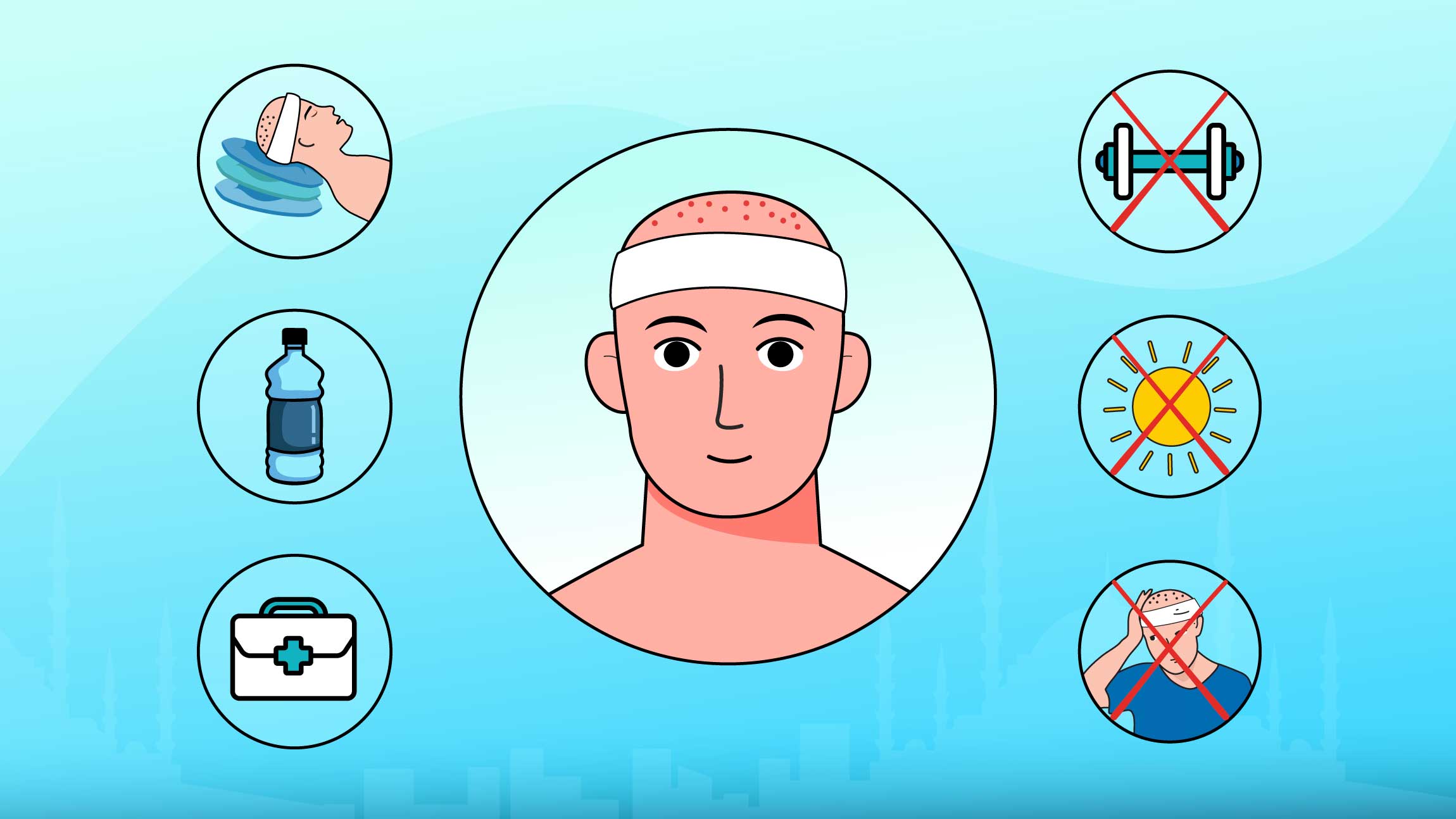
The success of your hair transplant doesn’t end when you leave the operating room. In fact, the most critical work begins the moment you step out of the clinic. The first two weeks are the defining period for your results. During this time, your new hair grafts are fragile, living entities that are working hard […]
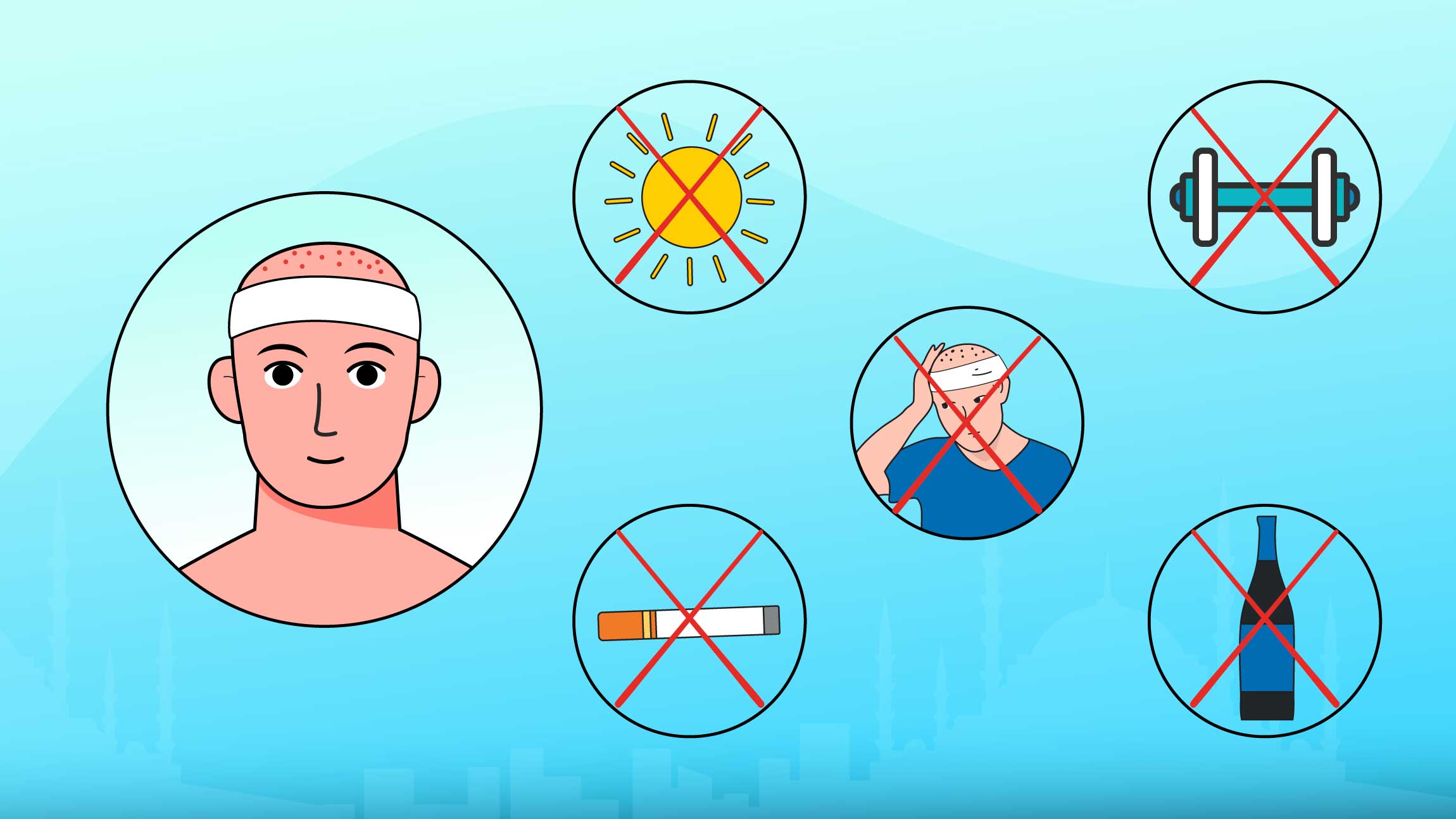
Congratulations on completing your hair transplant. While the surgical part is finished, the success of your restoration now depends heavily on the recovery phase. In our clinical experience, the first two weeks post-surgery are just as critical as the procedure itself. Understanding what to avoid after a hair transplant is essential because your new follicles […]
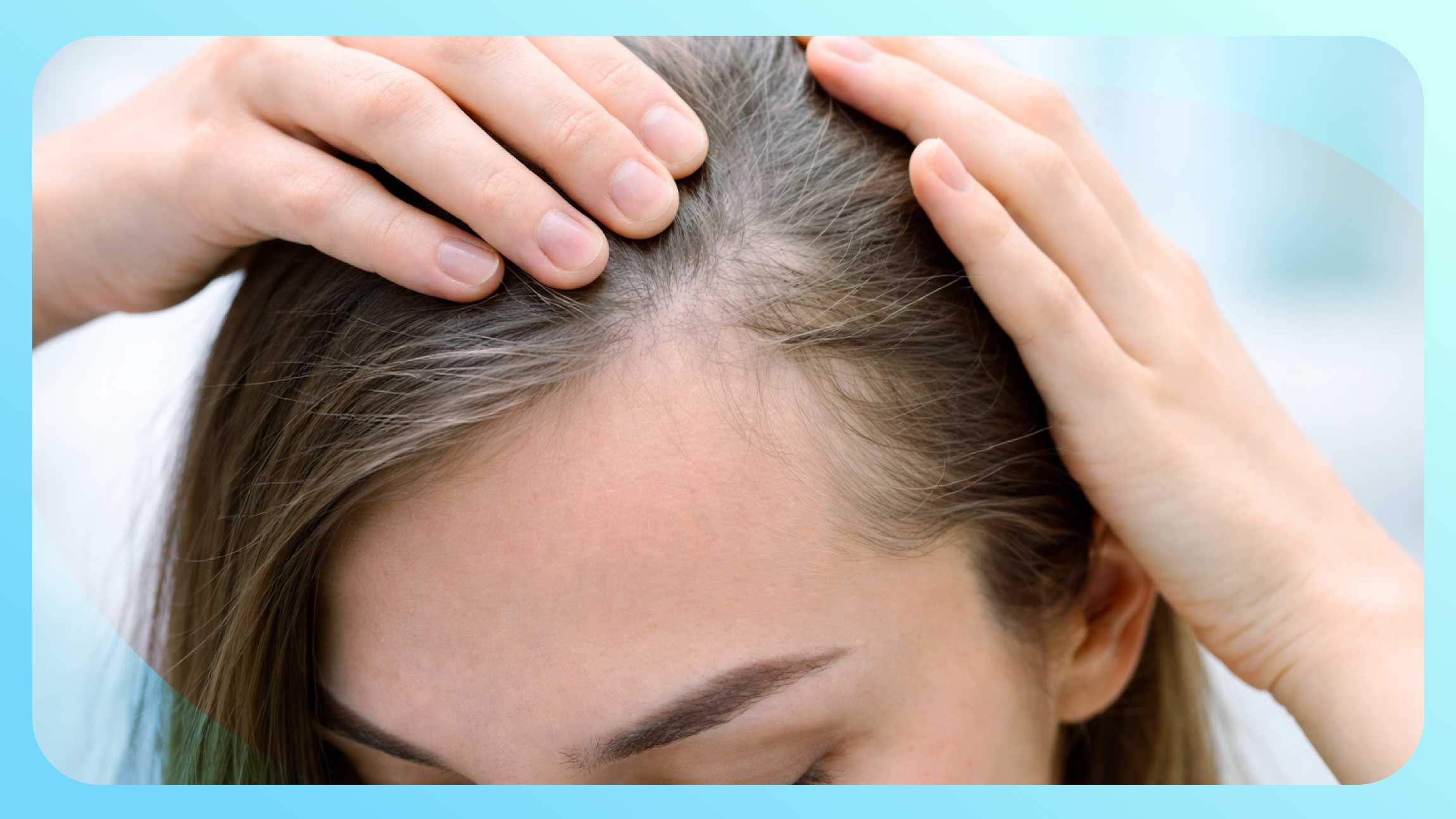
Hair loss is often culturally discussed as a male issue, but in our clinical experience, the impact on women is frequently more profound and emotionally distressing. For a woman, hair is often tied closely to identity and femininity. Losing it can feel isolating. Fortunately, the medical field has evolved. We no longer treat female hair […]


Thank you!
Your details have been successfully submitted. Thanks!