


Does PRP Really Work for Hair Loss? Benefits, Limits, and Best Candidates
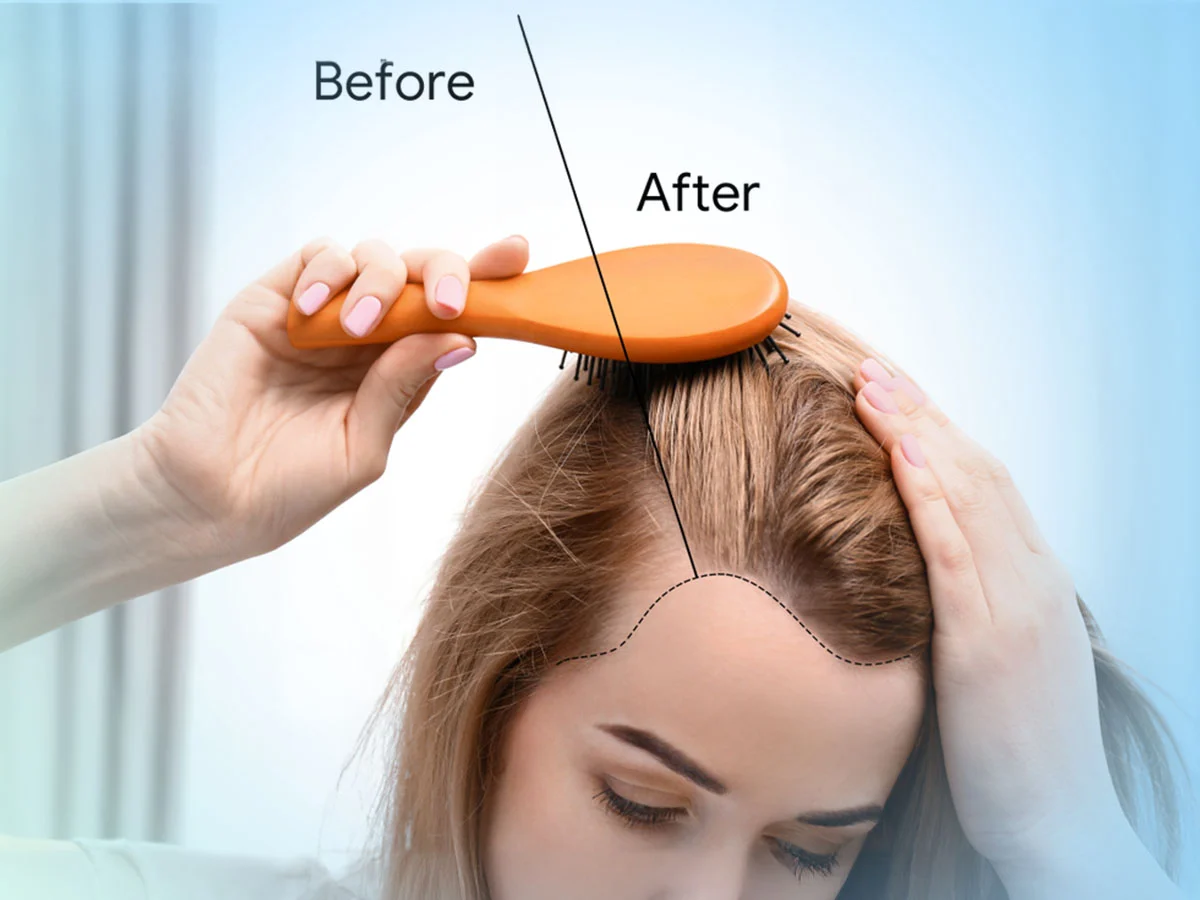
Hair loss is rarely just a cosmetic issue; it often affects self-esteem and confidence. In our clinical practice, we meet many patients who are searching for solutions but are not ready for surgery. They often ask about PRP hair treatment as a potential alternative.
You may have heard about this therapy, sometimes called the “vampire treatment,” and wondered if the hype matches the reality. As medical professionals, we believe in transparent, evidence-based guidance. This article explores the science behind PRP injections for hair loss, explaining exactly how it works, what results you can realistically expect, and whether you are an ideal candidate for this regenerative therapy.
Table of Contents
What Is PRP Hair Treatment?
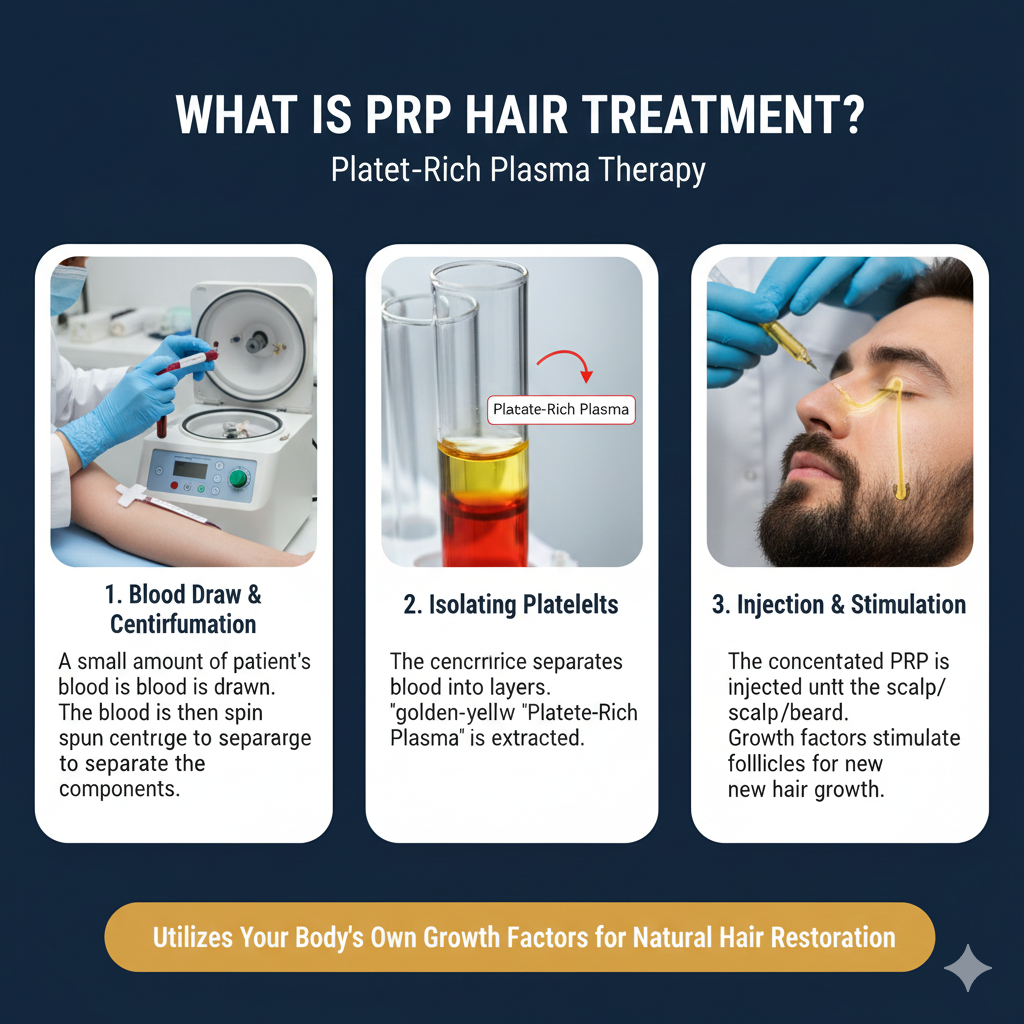
PRP hair treatment stands for Platelet-Rich Plasma therapy. It is a form of regenerative medicine that utilizes the patient’s own blood to stimulate healing and growth. While it has been used for years in sports medicine to heal tendon injuries, it has become a cornerstone of non-surgical hair restoration.
The concept is relatively simple but biologically powerful. Your blood contains red blood cells, white blood cells, and platelets. Platelets are best known for their ability to clot blood, but they are also reservoirs of potent growth factors. When concentrated and injected into the scalp, these platelets release proteins that can repair damaged tissues and stimulate hair follicles.
How PRP for hair loss works
To understand the question, “does PRP work for hair loss,” we must look at the hair growth cycle. Hair follicles go through growth (anagen), regression (catagen), and resting (telogen) phases. In conditions like androgenetic alopecia (pattern baldness), the growth phase shortens, and follicles shrink (miniaturize).
PRP injections for hair loss work by delivering a high concentration of growth factors directly to the follicle root. These factors include:
- Platelet-Derived Growth Factor (PDGF): Promotes blood vessel growth and cell replication.
- Vascular Endothelial Growth Factor (VEGF): Increases blood flow to the hair follicle, delivering more oxygen and nutrients.
- Transforming Growth Factor (TGF): Stimulates cell growth and matrix production.
By introducing these factors, PRP aims to push resting follicles back into the growth phase, prolong the duration of hair growth, and increase the diameter of existing hair strands.
PRP session step by step
In our clinic, a standard PRP hair treatment procedure is designed to be quick, safe, and comfortable. The entire appointment typically takes about 45 to 60 minutes.
- Blood Draw: We begin by drawing a small amount of blood from your arm, typically between 10ml to 30ml, similar to a standard routine blood test.
- Centrifugation: The blood is placed in a specialized centrifuge machine. This machine spins at high speeds to separate the blood components based on density. The red blood cells sink to the bottom, while the plasma rich in platelets rises to the top.
- Extraction: We carefully extract the “liquid gold”—the concentrated platelet-rich plasma—discarding the red blood cells.
- Injection: Using a very fine needle, the specialist administers the PRP into the areas of the scalp experiencing thinning. We may use a local anesthetic or a cooling device to minimize any discomfort during this step.
Does PRP Really Work for Hair Loss?
This is the most common question we receive. The short answer is yes, but with important caveats regarding the stage of hair loss and the patient’s overall health.
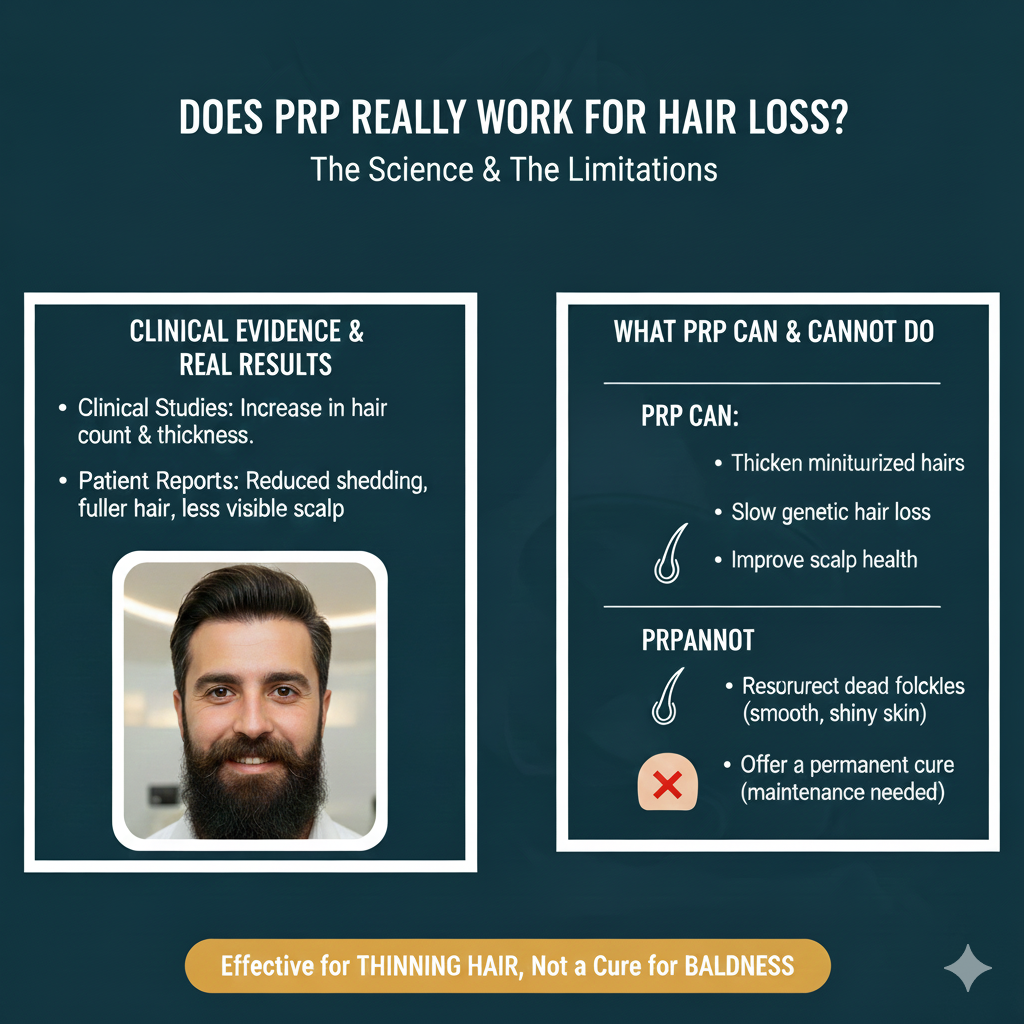
Does PRP work for hair loss for everyone? No. It is not a cure for baldness, but it is a highly effective treatment for thinning. It works best when the hair follicle is still alive but functioning poorly.
What clinical studies and real patients show
Clinical research and our own observations of PRP hair treatment results indicate significant benefits for specific groups of patients. Studies published in dermatological journals suggest that regular PRP sessions can increase hair count and hair thickness.
In our practice, we observe that patients typically experience a reduction in hair shedding first. This is often followed by an improvement in the quality and caliber of the hair shaft. Patients often report that their hair feels “fuller” and that the scalp is less visible under bright lights. While individual results vary, the consensus in the medical community is that PRP is a scientifically valid option for stabilizing hair loss.
What PRP can and cannot do
Managing expectations is crucial for satisfaction. It is important to understand the PRP hair treatment limits to avoid disappointment.
- What PRP Can Do: It can thicken miniaturized hairs, slow down the rate of genetic hair loss, and improve the overall health of the scalp. It is excellent for “waking up” lazy follicles.
- What PRP Cannot Do: It cannot resurrect a dead follicle. If an area of your scalp is completely smooth and shiny (indicating no active follicles), PRP will not grow hair there. It is also not a permanent cure; it requires maintenance to sustain the benefits.
Who Is a Good Candidate for PRP Hair Treatment?
Identifying the right PRP hair treatment candidates is the first step in a successful treatment plan. We evaluate patients based on their hair loss pattern, age, and medical history.
Ideal PRP candidates by hair loss stage
The best candidates are those in the early to moderate stages of hair loss. You are likely a good candidate if:
- You have “Active” Hair Loss: You have noticed thinning recently or have a widening part line, but you still have hair in the area.
- You have Miniaturized Hairs: Upon examination, we can see fine, thin hairs in the thinning areas. These are the primary targets for PRP stimulation.
- You have Alopecia Areata: In some cases, PRP is effective for patients with this autoimmune condition, helping to stimulate regrowth in patchy areas.
- You are Post-Partum: Women experiencing hair shedding after pregnancy often see excellent results as PRP helps reset the hair cycle.
When PRP is not recommended as a standalone solution
There are PRP hair treatment limitations where we might advise against this therapy or suggest it only as a support to surgery.
- Advanced Baldness: Patients with a Norwood Scale 5 or higher (significant baldness) will not see cosmetic coverage from PRP alone.
- Underlying Medical Conditions: Patients with thyroid disorders, lupus, or uncontrolled diabetes need to manage their primary condition first.
- Blood Disorders: Since the treatment relies on your blood, patients with low platelet counts, chronic liver disease, or those on heavy blood thinners may not be eligible.
- Lifestyle Factors: Heavy smokers may see reduced results because nicotine constricts blood vessels, counteracting the benefits of the treatment.
PRP Hair Treatment Results and Timeline
Patience is a medical virtue when it comes to hair restoration. PRP hair treatment results are biological, meaning they take time to manifest. You cannot force a hair follicle to grow faster than its natural cycle allows.
When you can expect to see improvement
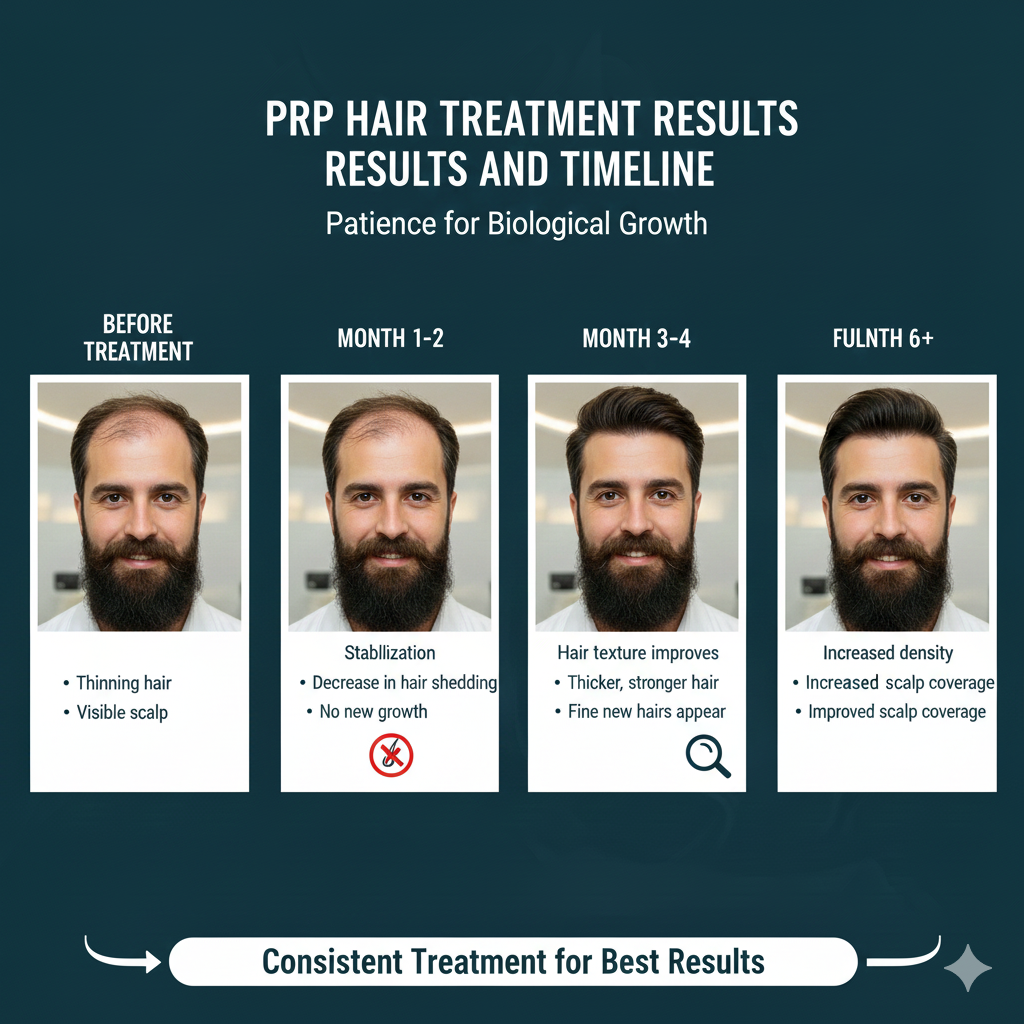
The PRP hair treatment timeline typically follows this progression:
- Month 1-2: You may not see visible growth yet. However, many patients report a significant decrease in the amount of hair falling out in the shower or on their pillow. This “stabilization” is the first sign of success.
- Month 3-4: You may begin to notice changes in hair texture. The existing hair may feel thicker or stronger. Small, fine hairs may begin to appear in thinning areas.
- Month 6+: This is usually when the most noticeable cosmetic differences occur. With consistent treatment, density improves, and scalp coverage increases.
How many PRP sessions are usually needed?
One session is rarely enough. To achieve the PRP hair treatment results seen in clinical studies, a series of treatments is required to build up the concentration of growth factors in the scalp.
A typical PRP hair treatment sessions protocol involves:
- Loading Phase: 3 to 4 treatments spaced 4 weeks apart. This initial aggressive phase is designed to halt hair loss and jumpstart growth.
- Maintenance Phase: Once the desired result is achieved, a maintenance session is recommended every 4 to 6 months.
PRP before and after: what realistic results look like
When viewing PRP hair treatment before and after photos, look for improvements in density and hair caliber rather than a lowered hairline.
- Before: You might see a scalp with a widening part or a visible crown area where the skin shows through.
- After: The “after” result typically shows a tightening of the part line and less visible scalp skin. The hair looks healthier and has more volume.
- Realistic Expectations: Do not expect a completely bald forehead to suddenly grow a dense hairline. That is the realm of hair transplant surgery. PRP provides a subtle but significant restoration of volume.
How Long Do PRP Results Last?
PRP hair treatment duration is not permanent in the same way a surgical transplant is. Because it is a non-surgical therapy fighting a chronic condition (usually genetic hair loss), the effects will fade if the treatment is stopped entirely.
Maintenance sessions and follow‑up
PRP maintenance for hair loss is essential. Think of it like exercise: you cannot go to the gym for three months, get in shape, and then stop forever and expect to stay fit.
- We generally recommend a “booster” injection every 4 to 6 months.
- Some patients with aggressive hair loss may need maintenance every 3 months.
- Regular follow-ups with your specialist allow us to track your progress using digital trichoscopy (scalp analysis) and adjust the schedule as needed.
Factors that affect how long PRP results last
PRP hair treatment long term results vary from person to person based on:
- Genetics: Patients with aggressive male or female pattern baldness may fight an “uphill battle” requiring more frequent care.
- Age: Younger patients often respond better and maintain results longer due to higher cellular activity.
- Health and Diet: A diet rich in iron, protein, and vitamins supports the efficacy of the treatment.
- Consistency: Adhering to the recommended schedule is the single biggest factor in long-term success.
PRP Hair Treatment vs Hair Transplant
Understanding the difference between PRP vs hair transplant is vital for making the right investment. They are not mutually exclusive; often, they are complementary.
When PRP is enough on its own
PRP hair loss treatment only is often sufficient for:
- Younger patients (under 25) who are not yet candidates for surgery.
- Women with diffuse thinning who do not have a distinct donor area for transplant.
- Patients in the very early stages of hair loss who want to delay the need for surgery.
When you need PRP + hair transplant for best results
The PRP and hair transplant combination is often the gold standard for comprehensive restoration.
- The Transplant: Restores the hairline and covers bald patches permanently.
- The PRP: Thickens the native hair behind the transplant, preventing future thinning that could create unnatural gaps. It creates a unified, dense look.
Using PRP after a hair transplant to support grafts
We frequently utilize PRP after hair transplant procedures.
- Healing: Injecting PRP during or immediately after surgery helps heal the donor and recipient areas faster.
- Survival: The growth factors can improve the survival rate of the newly implanted grafts.
- Shock Loss: It can help minimize “shock loss” (temporary shedding) of the native hair surrounding the transplant site.
PRP Hair Treatment Cost and Value
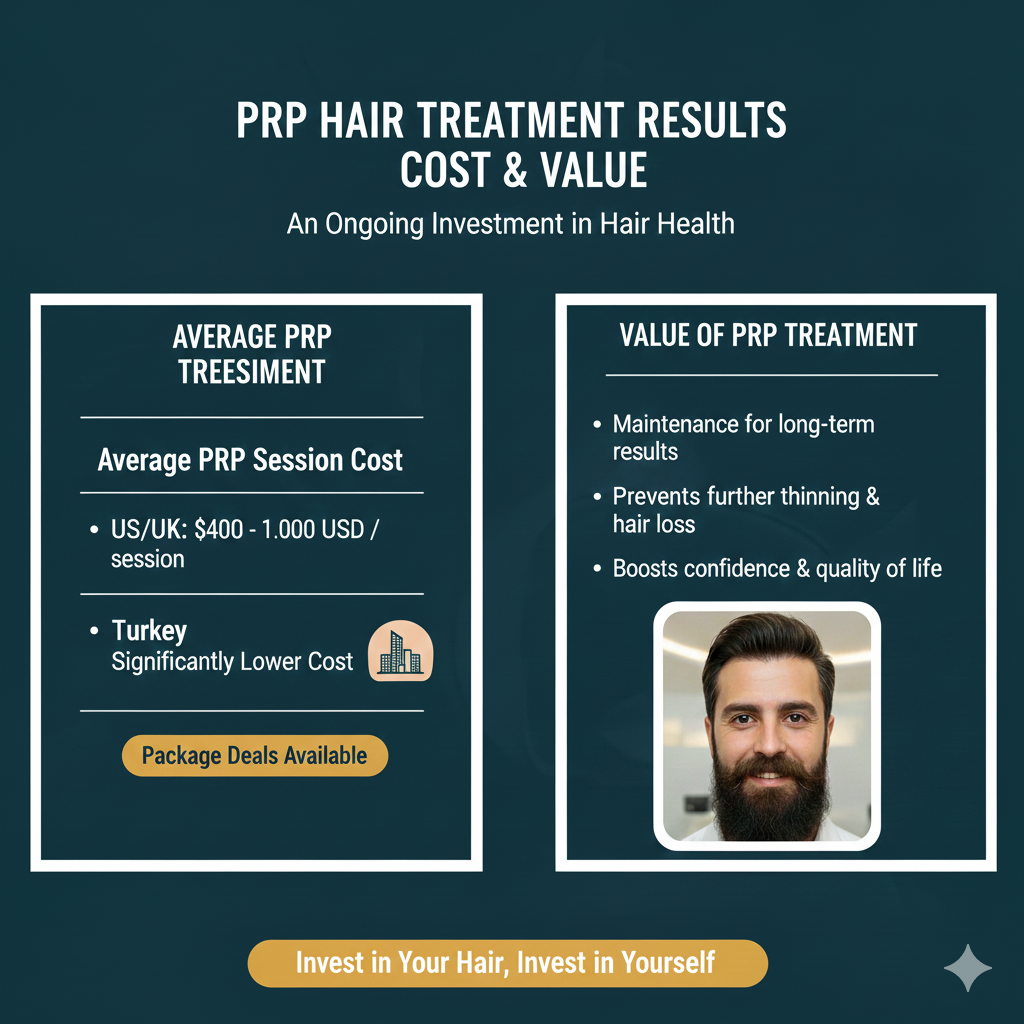
Cost is an important consideration. When evaluating PRP hair treatment cost, it is helpful to view it as an ongoing maintenance expense rather than a one-time purchase.
Average PRP session cost in hair clinics
PRP injections for hair loss cost can vary significantly depending on the location, the technology used (standard vs. concentrated systems), and the expertise of the clinic.
- In the US or UK, a single session might range from $400 to $1,000.
- In medical hubs like Turkey, costs are often significantly lower due to operational advantages, without compromising on quality.
- Many clinics offer package deals (e.g., pay for 3, get 1 free) which can reduce the overall investment.
PRP vs long‑term cost of other treatments
When assessing PRP hair treatment value, compare it to the alternatives.
- Vs. Surgery: Surgery has a high upfront cost but is permanent. PRP has a lower entry cost but requires indefinite payments.
- Vs. Medications: Daily medications are cheaper monthly but may carry side effect risks that some patients wish to avoid. PRP offers a natural alternative.
Is PRP the Right Hair Loss Treatment for You?
Deciding is PRP right for my hair loss requires a professional assessment. Self-diagnosis often leads to unrealistic expectations.
Questions to discuss with a hair specialist
During your PRP hair consultation, ask these questions to ensure transparency:
- “Do you use a double-spin centrifuge method to ensure high platelet concentration?”
- “Am I a candidate based on my current hair density?”
- “Can I see before and after photos of patients with similar hair loss to mine?”
- “What is your recommended maintenance schedule for my specific case?”
Personalized PRP and hair loss treatment plans in our clinic
At our clinic, we believe in customized care. When you seek PRP hair treatment in Turkey, we do not just sell a session; we build a strategy. We analyze your scalp health, discuss your lifestyle, and create a PRP hair loss treatment plan that may integrate nutritional support or topical treatments to maximize your results.
FAQs: PRP for Hair Loss
Is PRP for hair loss painful? Most patients report mild discomfort rather than pain. We use very fine needles and can apply a topical numbing cream or a cold air chiller to the scalp to make the experience comfortable. The sensation is often described as a slight pressure or pinching.
Are PRP results permanent? No, the results are not permanent because PRP does not cure the underlying genetic cause of hair loss. It manages the condition. To maintain the thickness and reduced shedding, you will need periodic maintenance treatments.
Can PRP regrow hair on completely bald areas? No. PRP stimulates existing hair follicles. If a follicle has died and the skin is smooth (fibrotic), PRP cannot generate a new hair. In these cases, a hair transplant is the only effective option.
Can I combine PRP with medications or other non‑surgical treatments? Yes, and this is often recommended. Combining PRP with FDA-approved medications like Minoxidil or Finasteride often yields superior results compared to using either treatment alone. This multi-modal approach tackles hair loss from different angles.
When Should You See a Doctor?
While hair loss is often genetic, it can sometimes signal an underlying health issue. You should see a doctor if:
- Your hair loss is sudden or occurs in patchy clumps (Alopecia Areata).
- You experience itching, burning, or redness on the scalp alongside hair loss.
- You notice hair loss accompanied by unexplained weight changes or fatigue (possible thyroid issue).
- You are losing hair from eyebrows or eyelashes.
Contact us now – get a free medical consultation
Medical Disclaimer: This content is for informational purposes only and does not replace professional medical consultation.


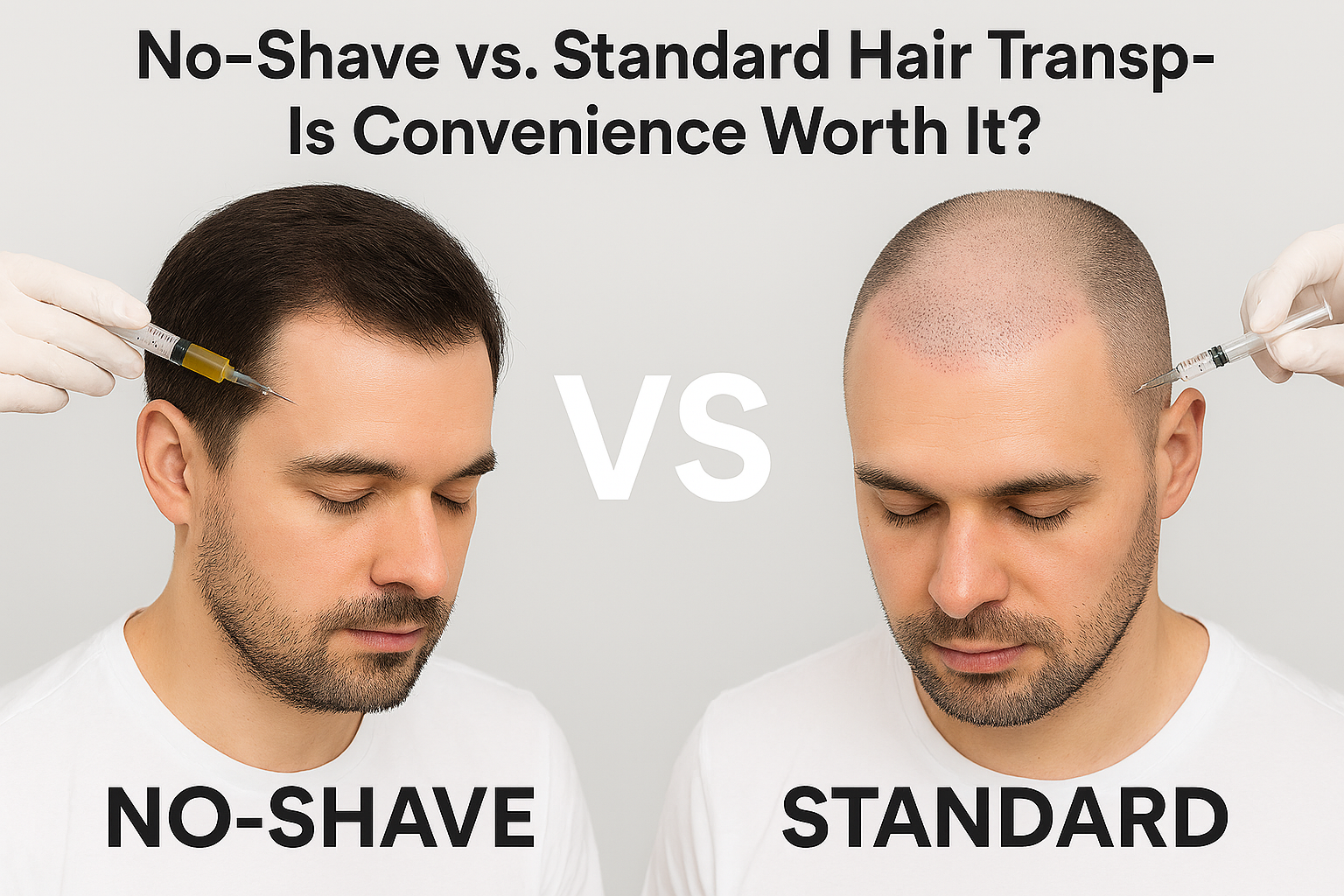
For many individuals facing hair loss, the decision to undergo a hair transplant is not hindered by the surgery itself, but by the recovery phase. Specifically, the prospect of shaving one’s head is a significant psychological barrier. In our clinical practice, we frequently meet patients—ranging from high-profile executives to women with diffuse thinning—who delay necessary […]
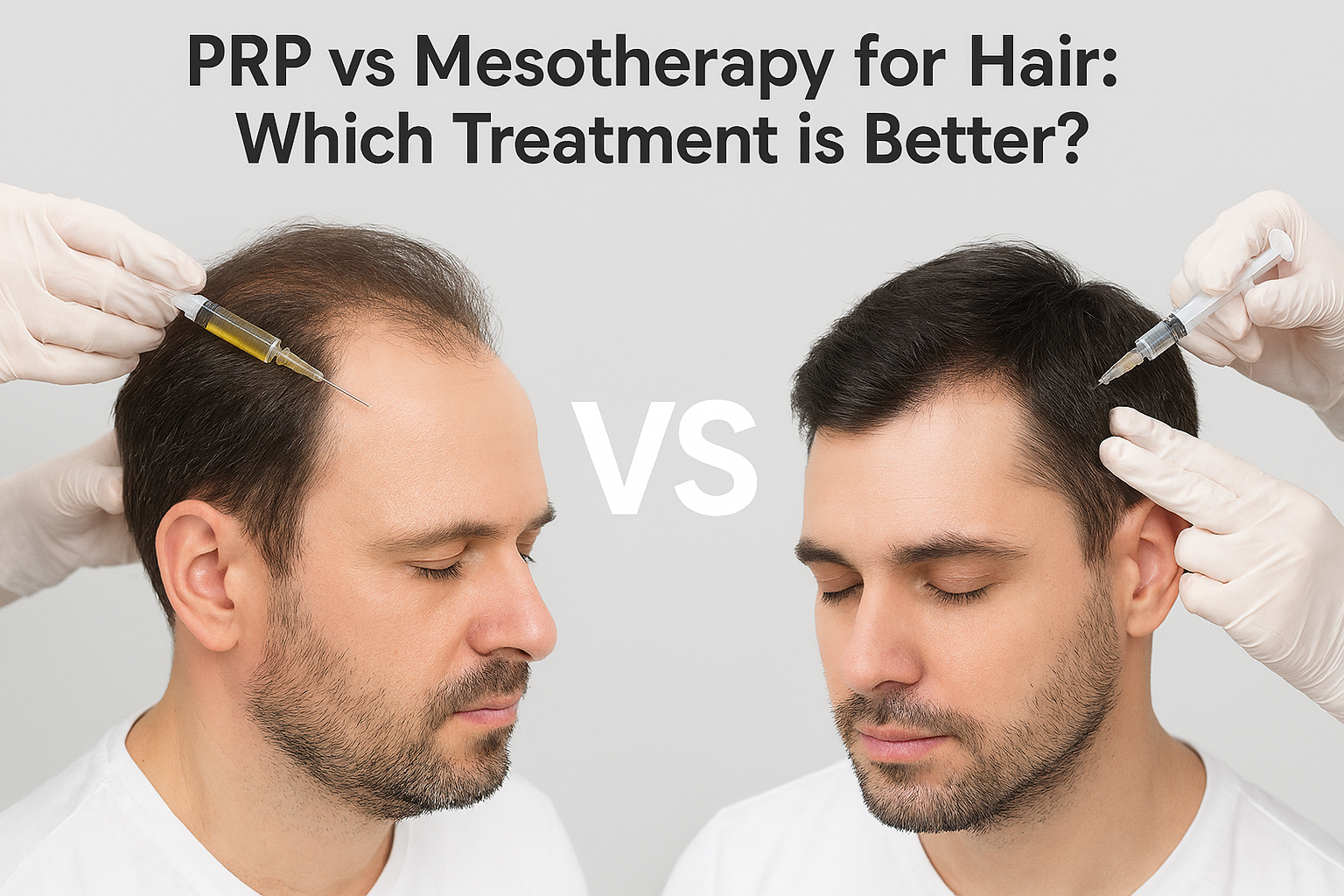
Investing in a hair transplant is a significant decision that represents a commitment to restoring not just your hair, but your self-confidence. However, the procedure itself is only the beginning of the journey. Once you leave the operating room, your scalp enters a critical recovery phase where the newly implanted follicles must anchor themselves and […]
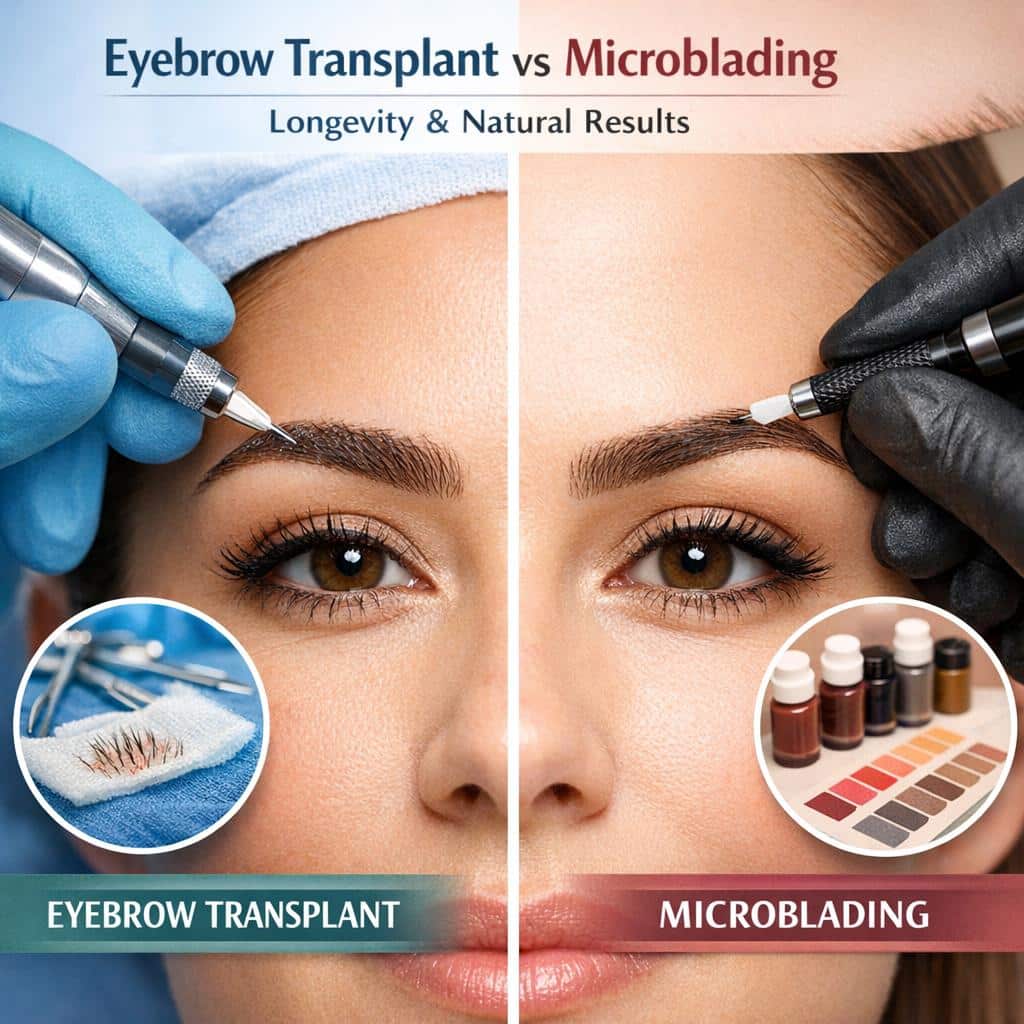
The eyebrows are one of the most defining features of the face, framing the eyes and conveying emotion. However, for many people, achieving the perfect brow is a daily struggle involving pencils, powders, and gels. Over-plucking in the past, genetic thinning, or medical conditions can leave brows sparse or misshapen. In the quest for a […]


Thank you!
Your details have been successfully submitted. Thanks!