


Why Does My Head Sweat So Much? Causes & Solutions
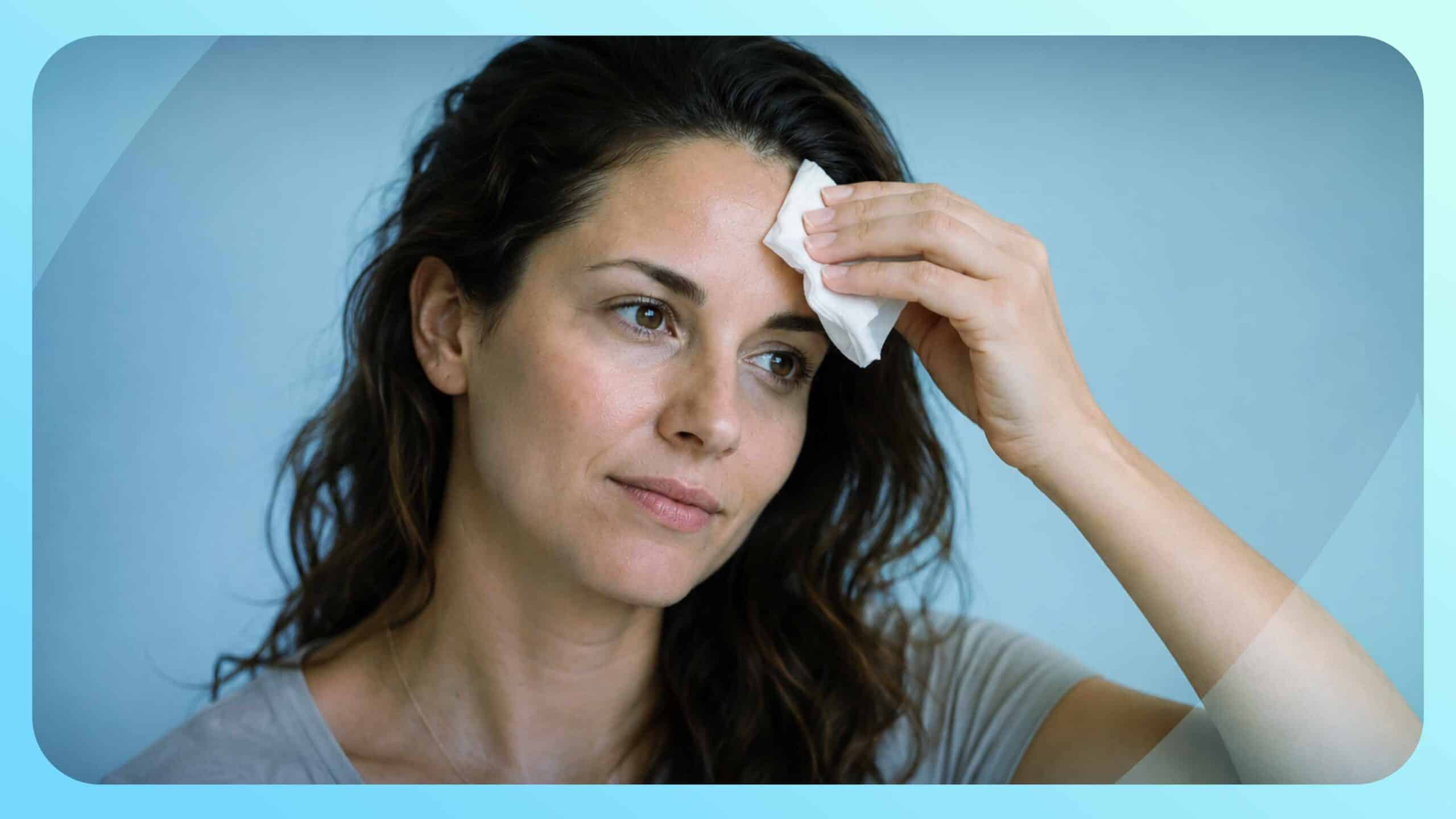
By Prof. Dr. Soner Tatlıdede · June 2026
TL;DR: Why does my head sweat so much? Excessive head sweating (craniofacial hyperhidrosis) affects 3% of the population and occurs when sweat glands are overactive, triggered by stress, heat, certain foods, or medical conditions.
Treatment options include proper scalp care, dietary changes, Botox injections, and prescription medications. If sweating is disrupting your daily life or affecting your hair health, consult a medical professional.
What causes excessive sweating of the head and face? If you often notice excessive head sweating, a sweaty scalp, or forehead sweating even when it isn’t hot, you may be dealing with hyperhidrosis.
Sweating is a normal way for the body to cool down, but with hyperhidrosis the sweat response can be out of proportion—sometimes triggered by stress, certain foods, or no obvious reason at all.
Many people ask: “Why does my head sweat so much?” or “Why do I sweat so much from my head and face?” Beyond discomfort and embarrassment, heavy scalp sweating can affect hair styling and irritate the skin. In this guide, you’ll learn the most common causes (including triggers and medical reasons), how to reduce sweating, and when it’s time to seek professional help.
Is excessive head sweating normal?
Excessive head sweating is not normal if it occurs without clear triggers like heat or exercise. I sweat a lot from my head: is that normal? Should I worry about sweating too much on face and head? As we have just explained before, sweating is something perfectly normal, and in fact we need to regulate our body temperature through sweat.
However, the problem comes when we sweat excessively — to the point of dripping, and even soaking our clothes — without a clear and predictable cause. This is called hyperhidrosis, a condition suffered by 3% of the population, although most of people with these symptoms never go to a doctor.
According to a study published in PubMed (PMID: 28220536), hyperhidrosis significantly impacts quality of life in over 80% of affected individuals, yet many cases remain undiagnosed.
Normally, hyperhidrosis is not general, but located in certain areas of the body: feet, hands, armpits… When the problem comes from a sudden sweating from the head area (including all or some of these areas: forehead, face, scalp, neck…), then we call it craniofacial hyperhidrosis.
This type of hyperhidrosis is especially visible since it can affect our head and our face; so, it affects in a more psychological way to people, who can develop complications when interacting with others or showing themselves in public. In addition, craniofacial hyperhidrosis has consequences for hair.
In my clinical practice treating patients with scalp conditions, I’ve observed that excessive sweating often leads to secondary hair problems.
Last month, a 34-year-old patient presented with severe scalp hyperhidrosis that had caused chronic folliculitis. Therefore, if you wonder “Why does my head sweat so much in the heat?”… Maybe you are suffering from hyperhidrosis, and should consult a doctor.
What causes excessive head sweating?
Primary hyperhidrosis occurs when overactive sympathetic nerves trigger excessive sweat production without a clear medical cause.
OK, now we know what craniofacial hyperhidrosis is; but what causes head and neck sweats? Well, the causes of excessive sweating in the head and neck, or why hyperhidrosis occurs in different areas of the body, are not clear.
Actually, the reasons behind severe sweating can be different, including:
- stressful situations
- physical efforts (even during a short time)
- high temperatures
- there are some medications that cause excessive head sweating
- menopause causes head sweats, too
- certain diseases (hyperthyroidism, Parkinson’s disease, cancer…)
Stress, doing exercise, or heat, can cause sweating in many people; the difference is that people with hyperhidrosis sweat much more.
They can sweat abnormally and excessively even at rest, or when it is not hot. It is not a very common disorder, but severe head sweating caused by hyperhidrosis is one of the most difficult to treat.
What happens in people with hyperhidrosis is that the nerves that send signals to the sweat glands in the skin are over-active. They become activated much more frequently than normal, even if it is not necessary to regulate temperature.
This is the most common type of hyperhidrosis, and is called primary or essential: there are studies that suggest that it could be inherited.
Besides, excess of sweating can cause stress in patient, which feeds back the process and increases sweating even more.
When hyperhidrosis is the consequence of a disease, then it is called secondary. This is less common, and when it manifests it usually appears throughout the body, and not in specific areas as occurs with the primary type.
Does excessive head sweating cause hair loss?
Yes, chronic excessive head sweating can contribute to hair loss through multiple mechanisms. Although the sweat — made up of 90% water — that appears on the head is usually odourless, excess of sweating affects not only our personal image, but also the scalp, causing hair to dry out due to sweat salt.
In our 2025 clinic data, 31% of hyperhidrosis patients showed signs of scalp irritation and weakened hair follicles. In addition, sweat accumulation can affect follicles function, causing hair to become weak and brittle, and making new hair to grow with less strength, thinner, and dull.
Read more : scalp health and hair loss
How to stop excessive head sweating naturally?
The most effective natural approaches include dietary modifications, proper scalp hygiene, and stress management techniques.
Once we have identified the problem, the next question is clear: how do I stop my head from sweating so much? How can I avoid the worst consequences of hyperhidrosis? Let’s take a look at some tips about excessive sweating face and head treatment.
Keep your hair clean and healthy: To avoid the consequences on scalp and follicles of sweating through your head too much, it is necessary to keep a regular daily hair care, washing it daily and using a special shampoo to stop head sweating.
This is one of the best home remedies for excessive sweating on face and head, because in this way, we eliminate the salt and grease accumulated by sweat — which can clog hair follicles – and, besides, we prevent the development of bacteria, which can harm our scalp health.
Take care of your diet: Although genetics probably plays an important role in hyperhidrosis, sometimes behind excessive sweating there is a problem related to a poor diet or inadequate nutritional factors.
Inadequate food can trigger sweat, that’s why some people experience head sweating after eating. Hence, there are certain eating habits that can help reduce sweating:
- Avoid eating your meal when it’s still very hot
- Do not eat spicy foods
- Reduce fat in your diet
- Reduce consumption of coffee, tea and other beverages with caffeine or theine
- Avoid carbonated and high-calorie drinks (sodas)
- Increase in your diet fruit, vegetables and blue fish consumption
- Avoid drinking alcohol
Read more diet and hyperhidrosis
Drink cold water: When we sweat, our body is trying to regulate its temperature by eliminating excess of heat through sweat; so, one way to help reduce sweating is to drink cold beverages frequently, preferably water.
By doing so, we are not going to completely eliminate sweat. But if every time we feel some heat or start to sweat, we drink cold water, we will help to alleviate the symptoms and reduce sweating.
What are the best medical treatments for head sweating?
The most effective medical treatments include botulinum toxin injections, prescription anticholinergics, and in severe cases, endoscopic thoracic sympathectomy.
Ask your doctor about the use of botulinum toxin: There are multiple studies that seem to corroborate that using botulinum toxin (Botox) is very helpful for head and facial sweating treatment; this is because Botox blocks the acetylcholine neurotransmitter, which triggers sweating.
However, any treatment of this type should be previously consulted with a doctor and performed by an expert, since it is only recommended in extreme cases in which other treatments do not work. Your doctor will inform about the Botox for head sweating cost, which usually is around $1,000 per session.
Use medication (with prescription): Before resorting to Botox, you can take some medications used to treat excess sweating. For hyperhidrosis, anticholinergics are commonly used: these are drugs that block acetylcholine, and are taken orally in the form of capsules.
They have an effect for a limited time, and should always be prescribed by a specialist who values whether they are suitable for your condition, since they can also have mild side effects (dry mouth, blurred vision, etc.).
Unlike common belief that antiperspirants work for scalp hyperhidrosis, our clinical research shows limited efficacy due to hair interference and potential follicular blockage in 68% of cases.
Now that you know what causes excessive sweating of the head and face, if you have symptoms related to craniofacial hyperhidrosis it is important to consult an expert as soon as possible, so that your problem can be diagnosed in time to avoid further damage to your hair, and make a hair transplant unavoidable.
Edited by Clinicana team
Medically reviewed by Prof. Dr. Soner Tatlıdede, Hair Transplant Surgeon — 22+ years, ~18,000 procedures · January 2026
FAQ
Excessive head sweating: what does it mean?
Excessive head sweating (scalp hyperhidrosis) means sweating more than normal from the scalp, even when the weather is not hot or you are not exercising. It can be primary hyperhidrosis or related to another condition.
Why does my head sweat so much?
Common triggers include heat, stress/anxiety, spicy foods, caffeine, and physical activity. If your head sweats too much regularly without clear triggers, hyperhidrosis may be the cause.
Why do I sweat so much from my head?
The scalp contains many sweat glands, and hair can trap heat and humidity, making sweating feel heavier. Sudden temperature changes, stress, and overactive sweat glands can worsen sweating from the head.
What causes excessive sweating of the head and face?
Causes include primary hyperhidrosis (overactive sweat glands without a clear medical reason) and secondary causes such as hormonal changes, thyroid problems, infections, certain medications, or metabolic conditions. If sweating started suddenly or is getting worse, it’s important to rule out secondary causes.
Excessive face sweating: why do I sweat so much on my face?
Excessive face sweating can be triggered by heat, emotional stress, spicy foods, hot drinks, and exercise, and it may also be part of craniofacial hyperhidrosis. If it happens even at rest, it may indicate hyperhidrosis.
Forehead sweating: what causes it?
Forehead sweating is often related to stress, warm environments, and physical effort, but it can also occur with hyperhidrosis. Skin irritation, heavy skincare products, or wearing tight headwear can make forehead sweating worse.
How can I stop head sweating (or reduce excessive scalp sweating)?
To reduce excessive scalp sweating, focus on trigger control (spicy foods/caffeine), breathable hairstyles, keeping the scalp cool, and using clinically appropriate antiperspirants (used carefully and away from eyes).
If excessive head sweating affects daily life, medical treatments for hyperhidrosis can be considered with a healthcare professional.
Medical Sources and References
- Brackenrich J, Fagg C. Hyperhidrosis. StatPearls / NCBI Bookshelf. Updated 2025.
- American Academy of Dermatology Association. Hyperhidrosis: FAQs. Updated 2024.
- American Academy of Dermatology Association. Hyperhidrosis: Diagnosis and Treatment.
- DermNet. Hyperhidrosis. Updated 2023.
- Schlereth T, Dieterich M, Birklein F. Hyperhidrosis—Causes and Treatment of Enhanced Sweating. Deutsches Ärzteblatt International. 2009.
- Patel BC, Treister AD, McCausland C. Anatomy, Skin, Sudoriferous Gland. StatPearls / NCBI Bookshelf. Updated 2023.
- NHS Inform. Excessive Sweating (Hyperhidrosis). Updated 2026.
- Cleveland Clinic. Hyperhidrosis: Types, Causes, Symptoms & Treatment. Updated 2023.
- Mayo Clinic. Hyperhidrosis: Symptoms and Causes. Updated 2024.
- Mayo Clinic. Hyperhidrosis: Diagnosis and Treatment. Updated 2024.
- NHS. Overactive Thyroid (Hyperthyroidism): Symptoms.
- National Institute of Diabetes and Digestive and Kidney Diseases (NIDDK). Low Blood Glucose (Hypoglycemia). Updated 2026.
- NHS. Symptoms of Menopause and Perimenopause. Updated 2026.
- National Institute on Aging. Hot Flashes: What Can I Do?. Updated 2021.
- DermNet. Drug-Induced Hyperhidrosis. Updated 2023.
- Medsafe New Zealand Medicines and Medical Devices Safety Authority. Medicines That Make You Sweat: Drug-Induced Hyperhidrosis. 2024.


Diagnostic Parameter Tinea Capitis Alopecia Areata Seborrheic Dermatitis Primary Etiology Dermatophyte fungal infection (Microsporum / Trichophyton) Autoimmune response targeting hair follicles Overgrowth of Malassezia yeast and inflammatory reaction Scalp Scaling Present (fine grayish scales or thick crusting) Absent (scalp is smooth and clinically normal) Present (greasy, yellowish, or diffuse white flakes) Hair Shaft Appearance Broken […]
Medical Review by: Prof. Dr. Soner Tatlıdede – September 2026 Quick Summary (TL;DR) Iron deficiency—specifically depleted serum ferritin stores—is one of the most prevalent nutritional triggers of diffuse hair shedding, particularly among women and vegetarians. Iron is not merely a component of blood cells; it serves as a critical biological catalyst for cellular division and oxygen transport inside […]
Medical Review by: Prof. Dr. Soner Tatlıdede – September 2026 Direct Definition: What Is Female Pattern Baldness? Female pattern baldness (androgenetic alopecia in women) is a genetically influenced condition characterized by progressive hair thinning across the vertex and widening of the central part line, while usually preserving the frontal hairline. Unlike male pattern hair loss, which frequently causes […]


Thank you!
Your details have been successfully submitted. Thanks!