


Hair Transplant Techniques
Hair Transplant Techniques
Choosing a hair transplant usually starts with a technique name — FUE, DHI, Sapphire — but the technique is only one part of the decision. What actually shapes your result is the condition of your donor area, the pattern of your hair loss, and the surgeon planning the operation. The technique determines how the follicles are extracted and implanted; it does not create hair that your donor area cannot supply.
This page explains every technique performed at Clinicana in Istanbul, who each one suits, and how they differ in practice, so you can arrive at your consultation with the right questions instead of a name you read in an advert.
Hair transplant techniques at a glance
| Technique | Best suited to | Typical session | What defines it |
|---|---|---|---|
| FUE | Most male pattern hair loss with a healthy donor area | 6–8 hours | Follicles extracted one by one — no linear scar |
| Sapphire FUE | Patients who want maximum density in the recipient area | 6–8 hours | Channels opened with sapphire crystal blades instead of steel |
| DHI (Choi pen) | Adding density between existing hair; women; shorter recovery | 6–8 hours | Channel and implantation in one movement — recipient area not shaved |
| Perkutan | Large areas needing controlled angle and depth | 5–7 hours | Channels opened with a titanium micro-needle |
| Beard & moustache | Patchy, scarred or thin facial hair | 3–4 hours | FUE applied to the face, following beard growth angles |
| Eyebrow | Over-plucked, scarred or naturally sparse brows | 3–4 hours | Single-hair placement along a drawn brow design |
| Female hair transplant | Women with diffuse thinning or a widening part | Varies with the area treated | Micro FUE planned to protect the hair you still have |
| Norwood scale | Anyone unsure how advanced their hair loss is | — | The 7-stage map used to plan, not a procedure |
FUE — the technique everything else is built on
Follicular Unit Extraction removes follicles individually from the donor area at the back and sides of the scalp, then places them in the thinning region. Because nothing is cut as a strip, FUE leaves no long linear scar — only extraction points that close as the scalp heals. A full session runs 6–8 hours under local anaesthesia, and the transplanted hair grows in over months rather than weeks, with the final picture visible at roughly 12–18 months.
Every other scalp technique on this page is a variation of FUE: what changes is the tool used to open the recipient channels, or the way the graft is placed. That is why the honest comparison is never “FUE or DHI” in the abstract — it is which variation fits your scalp.
Sapphire FUE — finer channels, tighter density
Sapphire FUE keeps the FUE extraction method and changes the blade. The recipient channels are opened with blades made from sapphire crystal, which stay sharp through a long session and allow smaller, more precise incisions than standard steel. Smaller channels mean grafts can be placed closer together, which is what “higher density” actually refers to, and less tissue trauma generally means a more comfortable early healing phase.
Clinicana performs its FUE procedures with sapphire blades as standard, so this is not an upgrade you have to request or pay extra for as a separate technique — it is how the operation is carried out.
Read the full Sapphire FUE guide →
DHI — implanting with the Choi pen
DHI, or Direct Hair Implantation, uses a Choi implanter pen that opens the channel and places the follicle in a single movement. Two practical consequences follow. First, the recipient area does not have to be shaved, which matters to patients who cannot take visible downtime and to most women. Second, grafts can be placed between existing hairs with less risk of damaging them, which makes DHI the usual choice for adding density to a thinning area rather than rebuilding a bare one.
The trade-off is time and cost: DHI is slower per graft and priced above standard FUE. It is also not the automatic winner for large bald areas, where FUE with sapphire or perkutan channels is often the better plan.
Read the full DHI guide and the detailed FUE-vs-DHI comparison →
Perkutan — channels opened with a micro-needle
Perkutan (percutaneous) describes how the recipient channels are made rather than how follicles are taken. Instead of a blade, the surgeon uses a fine titanium micro-needle, which gives precise control over the depth and the angle each graft will sit at — the two variables that decide whether a hairline looks grown or installed. Sessions typically run five to seven hours depending on the size of the area.
At Clinicana, perkutan is one of the two channel-opening approaches used in FUE work; the choice between it and the sapphire blade is made by the surgeon from the scalp in front of him, not from a menu.
Read more about the perkutan method →
Beard and moustache transplant
The same FUE extraction is used to rebuild facial hair, but the planning is different: beard hair grows at sharper angles and in a different direction from scalp hair, so each graft has to be placed to match the area it lands in. Sessions usually take three to four hours. There is no standard graft number — filling small gaps and reconstructing a full beard are different operations, and the count is set when your beard shape is designed.
Read the beard and moustache guide →
Eyebrow transplant
Eyebrows are the most design-led procedure on this page. Follicles are placed one at a time along a shape drawn before the operation, at a very shallow angle so the hair lies flat rather than standing up. Over-plucking is the most common reason patients need one, followed by scarring and naturally sparse brows. The operation usually takes three to four hours, including the design stage.
Read the eyebrow transplant guide →
Female hair transplant
Women rarely present with the bare crown that male pattern loss produces; the usual picture is diffuse thinning or a part line that has widened. That changes the plan more than the technique: the priority is protecting the hair that is still there while adding density around it, which is why micro FUE and DHI-style placement are used, and why a full shave is often avoidable. It also makes the medical work-up more important — female hair loss frequently has an underlying cause worth treating before anyone discusses surgery.
Read the female hair transplant guide →
Not sure how advanced your hair loss is?
The Norwood scale sorts male pattern baldness into seven stages, from a slightly receding hairline to loss across the whole top of the scalp. It is the shorthand surgeons use to plan coverage and to judge whether your donor area can serve the area you want covered. Finding your stage before your consultation makes the conversation about your case rather than about averages.
See the Norwood scale stages →
FUE, Sapphire or DHI — how to choose
Reduced to what actually differs:
- Bare or largely bare area to rebuild — FUE with sapphire or perkutan channels. It covers ground efficiently and gives the surgeon room to work.
- Thinning area with hair still in it — DHI. Placing grafts between existing hairs is what the Choi pen is for.
- You cannot show a shaved head afterwards — DHI, since the recipient area is not shaved.
- Highest achievable density in the recipient area — sapphire channels, because smaller incisions can sit closer together.
What none of these techniques change is the size of your donor area. This is why Clinicana’s packages do not promise a graft number: the operation transplants as many follicles as your donor area can safely give, and a clinic that quotes 5,000 grafts before seeing your scalp is quoting a number, not a plan.
The next step
Send photographs of your scalp for an initial review and our medical team will tell you which technique fits your case, roughly how many grafts your area needs, and what your donor area can supply — before you book anything.
Request a free medical evaluation →
See 2026 hair transplant prices in Turkey →
How to choose a hair transplant clinic in Turkey →
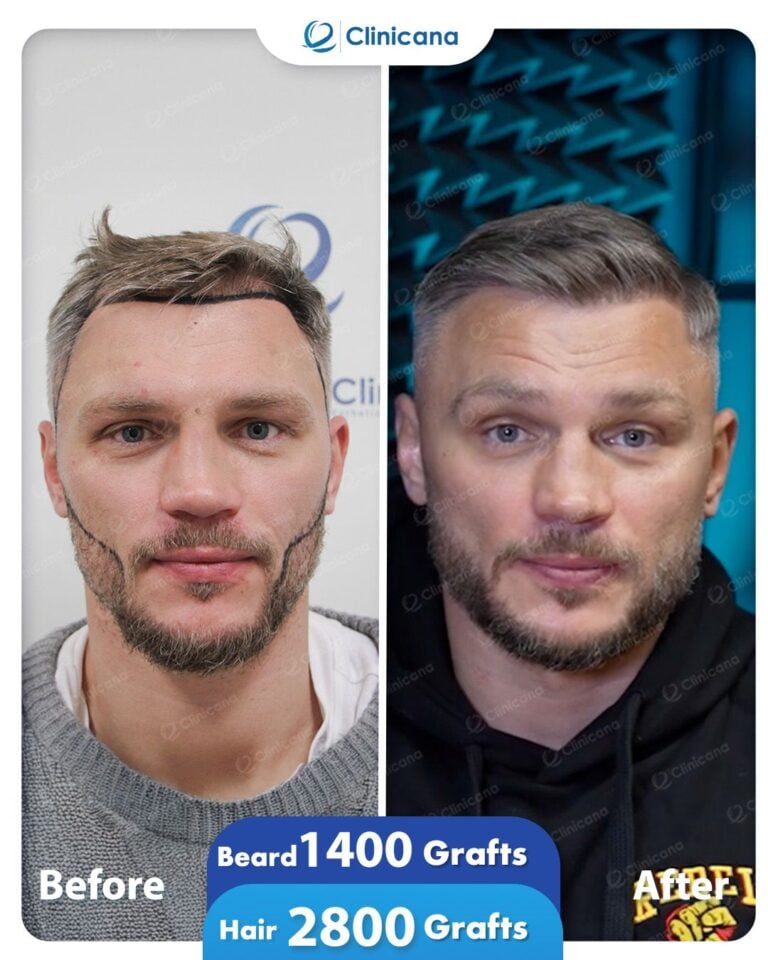
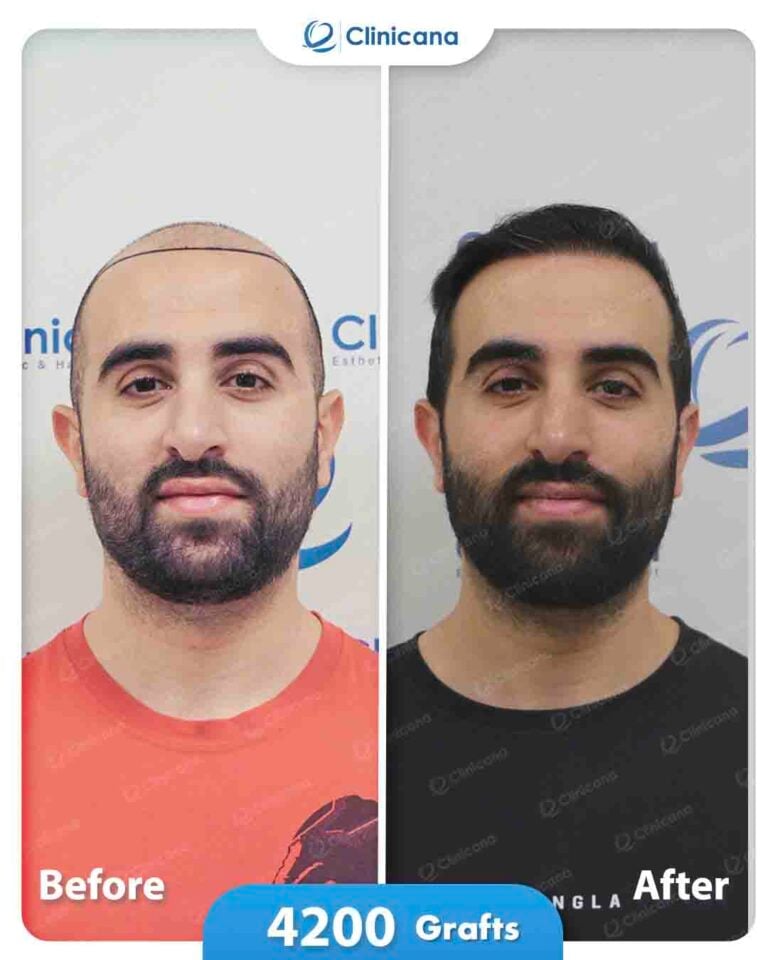
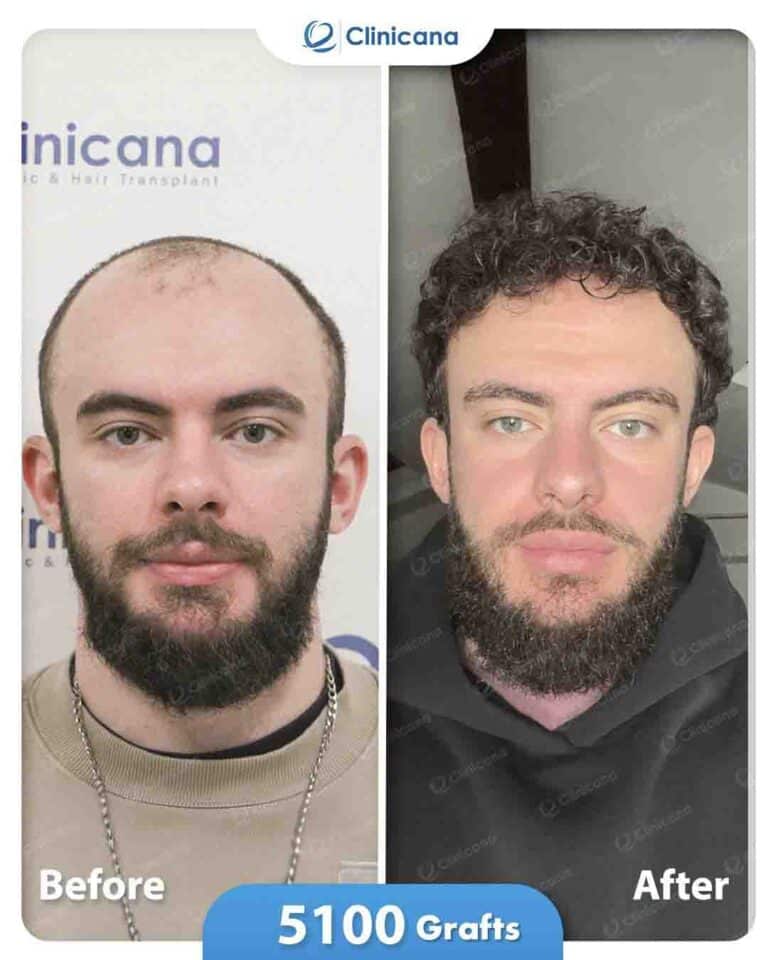
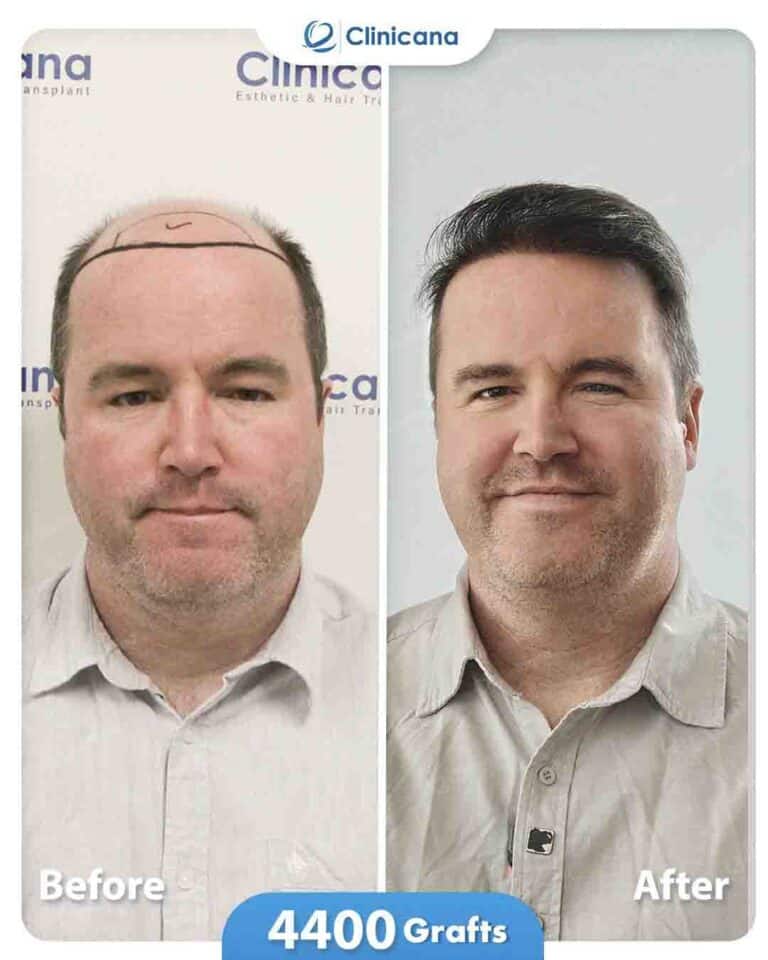
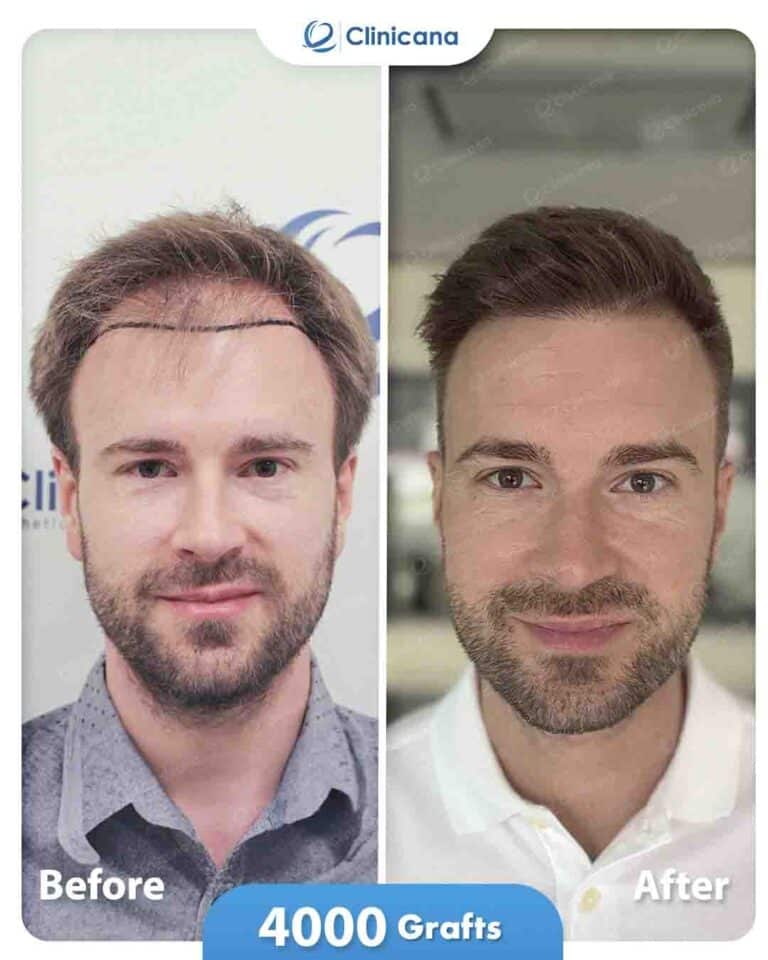
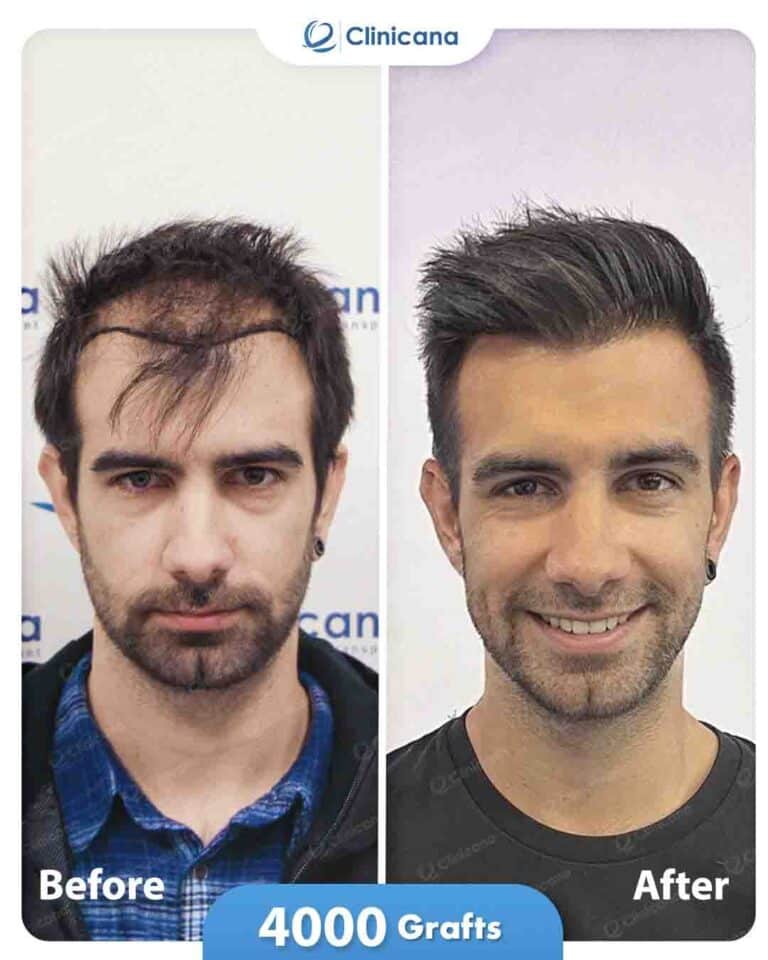
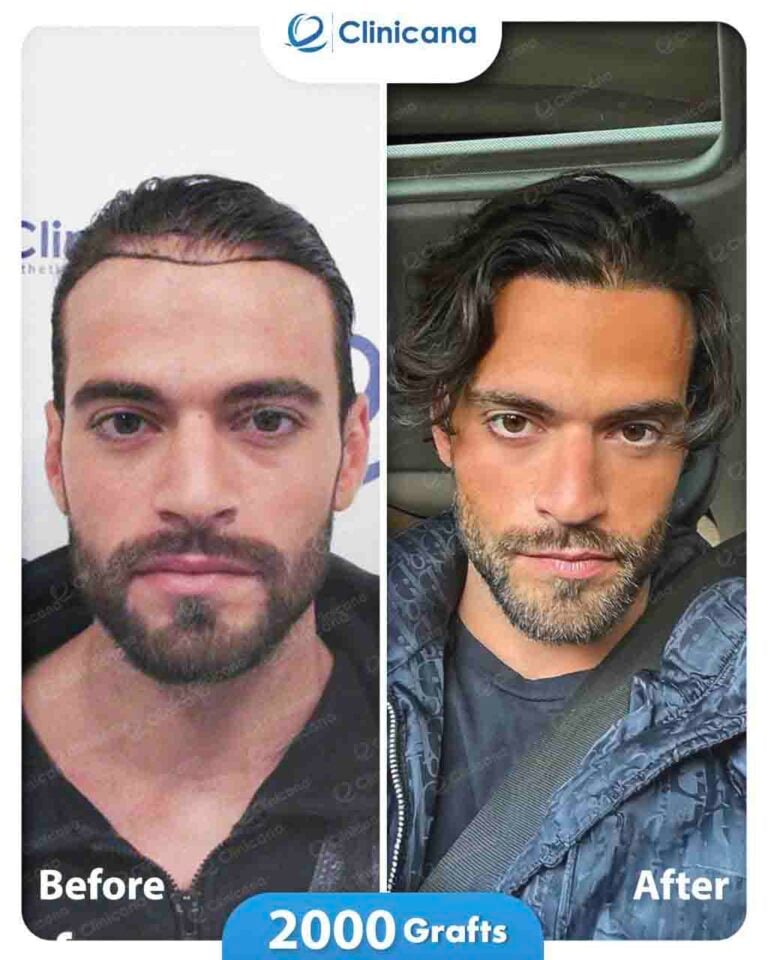
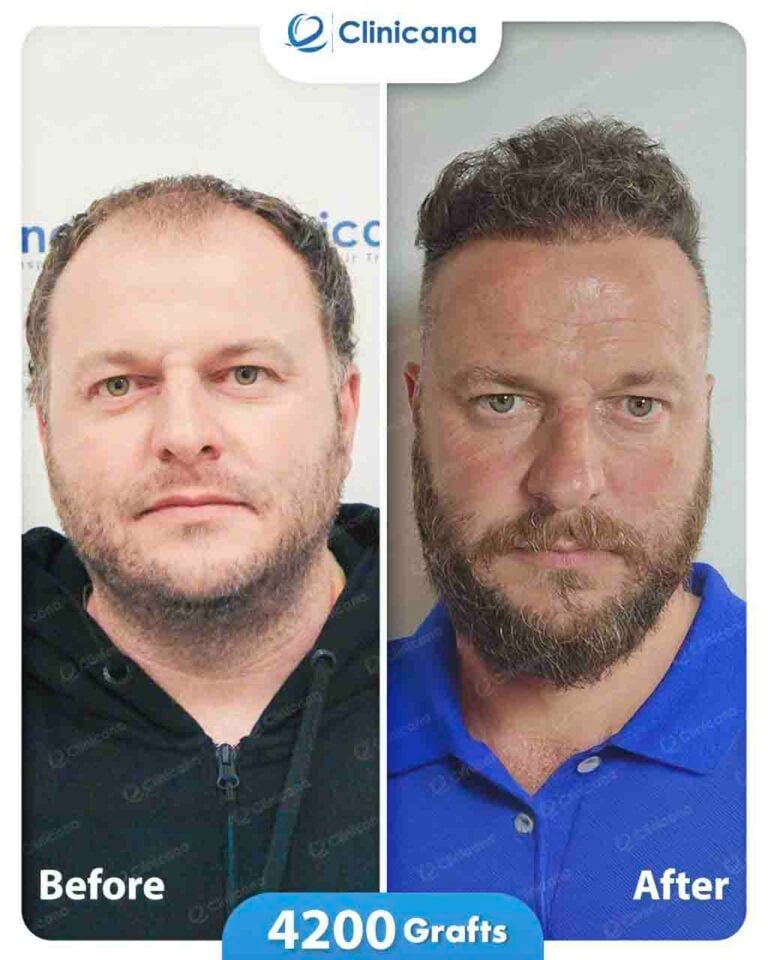
Hair Transplant Turkey Before and After Pictures

Thank you!
Your details have been successfully submitted. Thanks!