


Female Hair Transplant in Turkey: Techniques, Results, and Success Rates
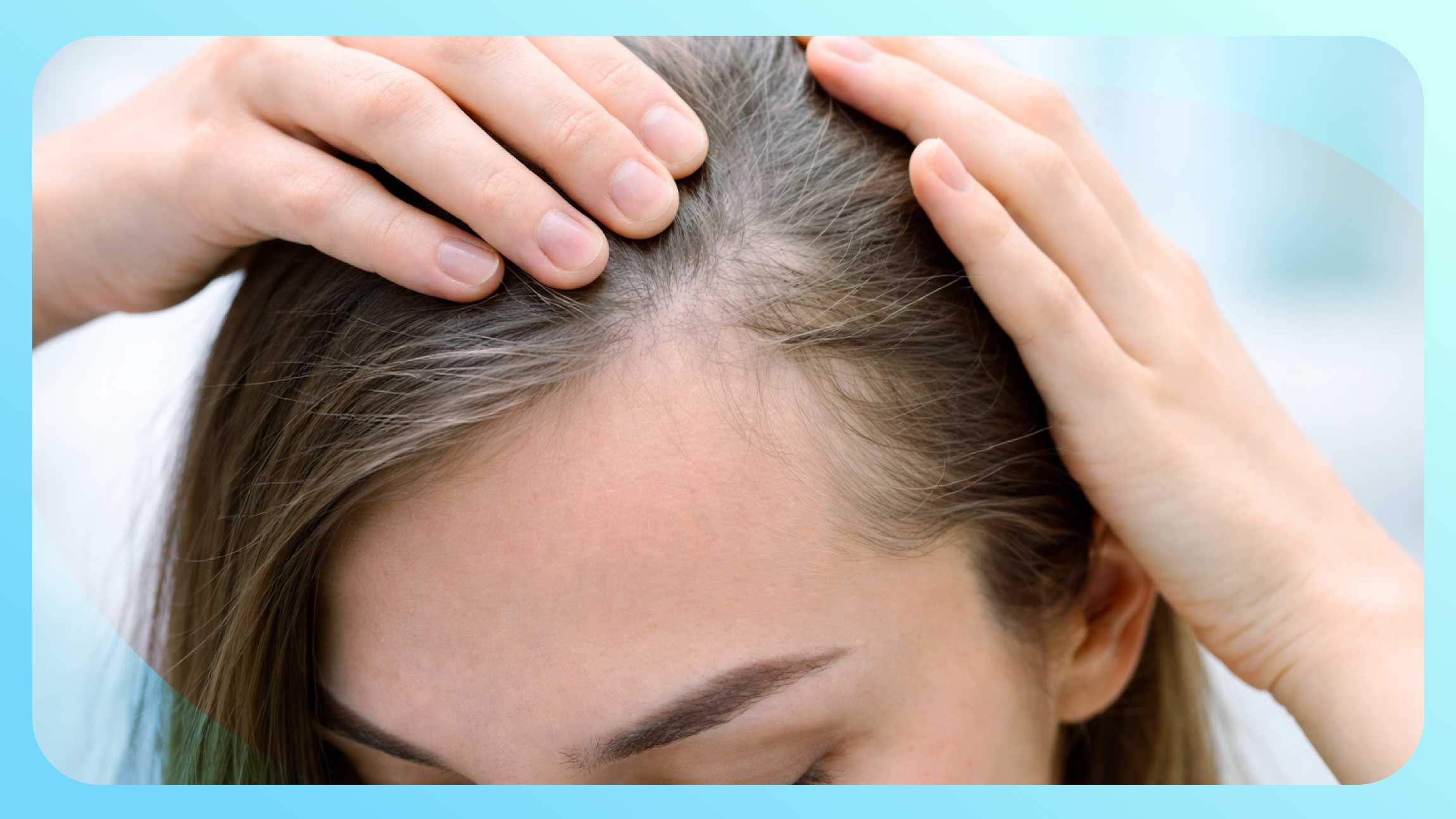
Hair loss is often culturally discussed as a male issue, but in our clinical experience, the impact on women is frequently more profound and emotionally distressing.
For a woman, hair is often tied closely to identity and femininity. Losing it can feel isolating.
Fortunately, the medical field has evolved. We no longer treat female hair loss with the same generic approach used for men.
Today, female hair transplant in Turkey utilizes specialized techniques designed to address the unique patterns of female thinning.
Whether you are dealing with a widening part, a high forehead, or traction alopecia, modern medicine offers sophisticated solutions.
This guide is written to provide you with a clear, clinical understanding of what a transplant entails for women.
We will explore the latest female FUE hair transplant methods, the realistic female hair transplant success rate you can expect, and how we ensure natural, undetectable results.
Why More Women Choose Hair Transplant in Turkey
In recent years, we have witnessed a significant surge in the number of women traveling for hair restoration. This shift is driven by both an increase in hair loss cases and a destigmatization of the treatment.
Clinically, female hair loss manifests differently than male balding. While men typically recede, women often experience diffuse thinning across the top of the scalp (Ludwig Scale) or localized loss due to tight hairstyles (Traction Alopecia).
- The “Silent” Epidemic: Many women suffer in silence from conditions like hormonal thinning or high hairlines. The availability of advanced women’s hair transplant in Turkey has provided a solution that was previously inaccessible or prohibitively expensive in other countries.
- The Turkey Advantage: Turkey has positioned itself as the global center for hair restoration not just by price, but by volume of expertise. Turkish surgeons perform thousands of female cases annually, giving them a level of specific experience—particularly in “unshaven” techniques—that is hard to find elsewhere.
- Comprehensive Care: Patients are choosing Istanbul because clinics here offer all-inclusive medical packages. This reduces the stress of logistics, allowing the patient to focus entirely on their recovery and result.
Who Is a Good Candidate for Female Hair Transplant?
Determining candidacy for a female hair transplant Turkey procedure is more complex than for men. In men, hair loss is almost always genetic. In women, it can be multifactorial.
In our medical practice, we consider you a strong candidate if:
- You Have a Stable Donor Area: The back of your head must have healthy, thick hair that is not thinning. If you have Diffuse Unpatterned Alopecia (DUPA) where the back is also thinning, a transplant may not be successful.
- You Have Traction Alopecia: This is mechanical hair loss caused by tight braids or ponytails. Since the follicles are damaged by pulling, not disease, transplants in these areas have a very high success rate.
- You Want to Lower Your Hairline: Women with naturally high foreheads who want to frame their face better are excellent candidates for female hairline restoration Turkey.
- Your Hair Loss is Stabilized: We generally avoid operating if your hair loss is currently rapid or aggressive. We must stabilize the condition medically first.
Crucial Medical Note: Before scheduling surgery, we always recommend a full blood panel. We must rule out reversible causes like thyroid dysfunction, iron deficiency (anemia), or Polycystic Ovary Syndrome (PCOS). If the cause is medical, surgery is not the cure; medical treatment is.
Techniques Used for Female Hair Transplant (FUE, DHI, No‑Shave)
The fear of shaving the head is the number one barrier for women considering surgery. We understand this concern deeply. That is why female FUE hair transplant protocols have been adapted to offer “No-Shave” or “Partial Shave” options.
FUE and DHI for women
- Standard FUE (Follicular Unit Extraction): While effective, traditional FUE requires shaving the donor area. For women, we modify this.
- DHI (Direct Hair Implantation): This is often the preferred method for DHI hair transplant for women. Using a Choi Implanter Pen, we can implant new follicles directly between existing long hairs without needing to trim the recipient area. This allows for increased density without a drastic haircut.
Partial and No-Shave Approaches
- Hidden Donor Shave: We lift the long hair at the back of your head and shave a small rectangular “window” underneath. We extract grafts from this window. After the procedure, you simply drop your long hair down, and the shaved area is completely invisible.
- Unshaven Recipient Area: In the area where we place the hair (e.g., the top of the head), we do not shave. We work carefully between your existing strands. This makes the procedure virtually undetectable to the public a few days after surgery.
How Clinicana adapts technique to female hairline design and density
Designing a female hairline is an art form distinct from male designs.
- The Shape: Men often need a receding “M” shape to look mature. Women need a rounded, oval, or soft “cowlick” pattern that closes the forehead.
- The Softness: We use only single-hair grafts (grafts containing just one hair bulb) in the front row. We place them in an irregular, zigzag pattern to mimic nature. A straight line looks artificial and “doll-like.”
- Direction: Female hairline restoration Turkey requires acute attention to the direction of growth. The hair must flow backwards or to the side naturally, allowing you to pull your hair back into a ponytail without exposing surgical signs.
Female Hair Transplant Results and Success Rates
Patients rightly ask about the female hair transplant success rate. It is important to define “success.” In medical terms, success refers to the percentage of transplanted grafts that survive and grow.
Typical success/survival rate ranges
In experienced hands, the graft survival rate for women is comparable to men, typically ranging between 90% and 95%.
- The caveat: The visual impact of density can be harder to achieve in women with diffuse thinning. unlike a bald man where any hair is an improvement, a woman with thinning hair needs significant density to see a difference.
- Satisfaction: High satisfaction comes from realistic expectations. A transplant can restore the hairline and significantly improve part-line density, but it may not restore the hair volume you had at age 16.
What a “successful” female case looks like
When reviewing female hair transplant results, look for:
- Framing: A lowered hairline that reduces the size of the forehead, balancing facial proportions.
- Density: A tightening of the central part line, meaning less scalp is visible when the hair is parted.
- Naturalness: The ability to style the hair, swim, and expose the hairline without any visible pitting or scarring.
Recovery Timeline for Female Hair Transplant
Recovery for women is often emotionally easier than for men because long hair can hide the donor and recipient sites.
Immediate post‑op: swelling and back‑to-work
- Days 1-3: You may experience mild swelling on the forehead. This is gravity pulling the anesthesia fluid down. It is temporary.
- Concealment: Because of the “Hidden Shave” technique, most female patients can return to work or social activities within 3 to 5 days. Your existing hair covers the redness.
- Crusting: Small scabs will form where the new hairs were placed. These fall off naturally by day 10-12.
Shedding phase and new growth
- Weeks 3-4 (Shock Loss): The transplanted hairs will fall out. This is normal. It is the follicle resetting itself.
- Months 3-4: New, fine baby hairs begin to emerge.
- Months 6-8: The hair gains texture and thickness. You will start to notice a visual improvement in volume.
- Month 12: The final result is achieved. The hair is now long enough to be styled, cut, and treated just like your native hair.
How Clinicana Plans Female Hair Transplant Cases
At Clinicana, we approach female restoration with a “Medical First, Aesthetic Second” philosophy. We are located in a JCI-accredited hospital, ensuring that your procedure is a medical surgery, not a spa treatment.
Medical Assessment and Trichoscopy
We begin with digital trichoscopy. We examine the scalp under high magnification to check for miniaturization. This helps us differentiate between genetic thinning (which we can treat) and inflammatory conditions (like Lichen Planopilaris) which require medication instead of surgery.
Customization and Preservation
- Future-Proofing: We calculate how much donor hair you have in the “bank.” We are conservative to ensuring that we leave enough hair at the back to maintain your natural density there.
- Combination Therapy: We often combine surgery with PRP (Platelet-Rich Plasma) therapy during the procedure. This helps support the existing, thinned hair and creates a healthier environment for the new grafts to land.
FAQs About Female Hair Transplant in Turkey
Is female hair transplant permanent?
Yes. The hair follicles are taken from the back of the head, which is genetically resistant to hair loss. Once transplanted to the top or front, they retain this resistance and will grow for a lifetime.
Is success rate lower for women than men?
Not necessarily. The graft survival rate is the same. However, women often have diffuse thinning, which makes the cosmetic result more subtle than filling a bald spot. Success depends heavily on proper patient selection.
Can PRP or medications replace surgery in some female cases?
Yes. If you have early-stage thinning or temporary shedding (Telogen Effluvium), we may recommend a course of PRP therapy or Minoxidil instead of surgery. We only operate when there is structural hair loss that non-invasive methods cannot fix.
When Should You See a Doctor?
Hair loss can sometimes indicate a deeper health issue. You should consult a specialist immediately if:
You notice sudden, patchy hair loss (Alopecia Areata).
Your scalp is red, itchy, painful, or burning.
You have accompanying symptoms like fatigue, weight gain, or irregular periods (signs of hormonal imbalance).
You see scarring or smooth, shiny skin on the scalp.
Contact us now – get a free medical consultation
Medical Disclaimer: This content is for informational purposes only and does not replace professional medical consultation.



The success of your hair transplant doesn’t end when you leave the operating room. In fact, the most critical work begins the moment you step out of the clinic. The first two weeks are the defining period for your results. During this time, your new hair grafts are fragile, living entities that are working hard […]
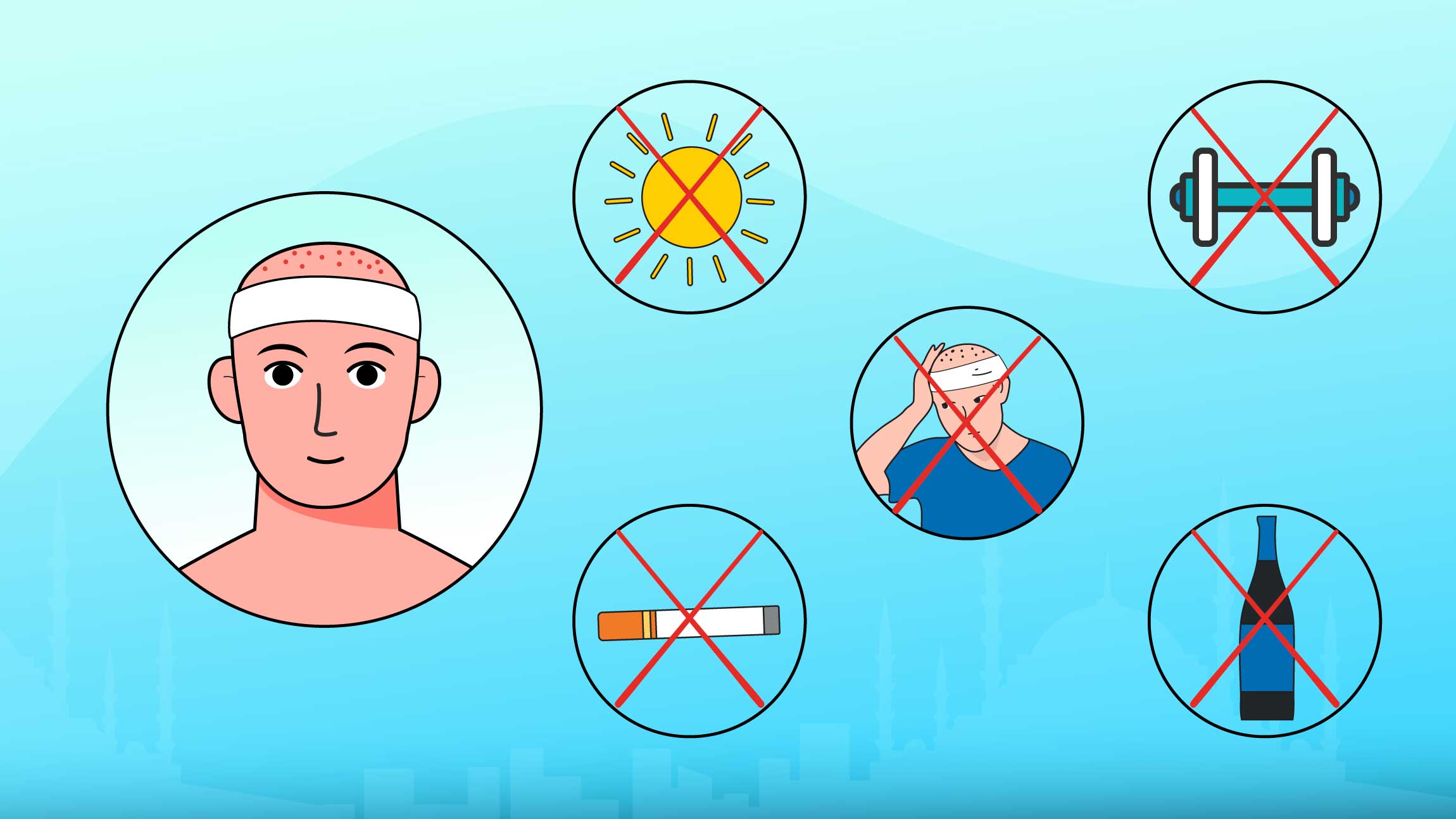
Congratulations on completing your hair transplant. While the surgical part is finished, the success of your restoration now depends heavily on the recovery phase. In our clinical experience, the first two weeks post-surgery are just as critical as the procedure itself. Understanding what to avoid after a hair transplant is essential because your new follicles […]
Hair loss is often culturally discussed as a male issue, but in our clinical experience, the impact on women is frequently more profound and emotionally distressing. For a woman, hair is often tied closely to identity and femininity. Losing it can feel isolating. Fortunately, the medical field has evolved. We no longer treat female hair […]


Thank you!
Your details have been successfully submitted. Thanks!