


Hospital-Based vs Private Hair Transplant Clinics: Which is Safer?

When you decide to restore your hair, you are making a lifelong investment in your confidence. However, as you research your options, particularly in international hubs like Istanbul, you will encounter a confusing array of choices.
On one hand, there are “boutique” private studios offering luunderstand the critical safety differences between a medical hospital setting and a private studio, so you can make a decision that protects not just your hair, but your health.
The “Black Market” Risk in Hair Transplants
The global boom in hair transplant tourism has an unfortunate side effect: the proliferation of unauthorized clinics. These are often referred to in the industry as “pirate clinics.”
Why a fancy Instagram page doesn’t mean medical safety
It is easy to rent a villa, hire a freelance social media team, and buy fake followers. Many black-market clinics present a polished, luxurious image online.
However, a hair transplant is not a cosmetic gig like a haircut or a facial; it is a microsurgical procedure. It involves breaking the skin barrier thousands of times, administering anesthesia, and managing blood flow.
The difference between a “medical procedure” and a “cosmetic gig”
In a regulated medical environment, every step is governed by strict protocols to prevent infection and manage complications.
In unregulated “pirate” clinics, these protocols are often skipped to save money. The person holding the surgical tool might be a technician with no formal medical degree, operating with equipment that hasn’t been properly sterilized.
The risk here isn’t just a bad hairline—it is infection, necrosis (tissue death), and scarring.
What is a “Private Studio” (Villa Clinic)?
These facilities often market themselves as “boutique” or “exclusive,” operating out of residential apartments, villas, or small office suites rather than medical buildings.
The Pros
- Cost: Without the overhead of maintaining hospital-grade infrastructure, they can offer significantly lower prices.
- Atmosphere: They may feel less clinical and more “homely” or spa-like, which can be relaxing for some patients.
The Cons
- Limited Sterilization: A villa does not have central sterilization units or medical-grade air filtration. The risk of airborne bacteria is significantly higher.
- No Emergency Equipment: If a patient suffers a severe allergic reaction to anesthesia or a cardiac event, a private studio lacks the necessary resuscitation equipment and staff to handle it effectively.
- Technician-Run: It is common in these setups for a doctor to be completely absent, or to only pop in for a “meet and greet,” leaving the entire surgery to technicians.
What is a “Hospital-Based Clinic” (Like Clinicana)?
This model involves a specialized hair transplant department located physically within a fully licensed, multi-disciplinary hospital. Clinicana, for example, is located inside Acıbadem Taksim Hospital, one of the most prestigious medical groups in Turkey.
Sterilization Standards (Operating Theatre vs Regular Room)
In a JCI-accredited hospital, hair transplants are performed in environments that meet the same hygiene standards as heart surgery.
- HEPA Filters: The air in the operating rooms is constantly filtered to remove dust, bacteria, and viruses.
- Positive Pressure: Rooms are designed so air flows out when doors open, preventing contaminants from entering.
- Sterilization Units: All instruments go through industrial-grade autoclaving processes that a private studio cannot replicate.
Emergency Readiness (The “What If” Factor)
Complications in hair transplants are rare, but they happen. A patient might have an undiagnosed heart condition or a sudden reaction to lidocaine.
- The Safety Net: In a hospital, a “Code Blue” team, cardiologists, and an Intensive Care Unit (ICU) are seconds away (just an elevator ride). In a private villa, help is an ambulance ride away through Istanbul traffic. That time difference can be critical.
Side-by-Side Comparison: Safety & Standards
To help you visualize the difference, we have compared the typical standards of a JCI-accredited hospital versus a standard private studio.
| Feature | Hospital-Based Clinic (Clinicana) | Private Studio / Villa Clinic |
| Sterilization | Hospital-grade (HEPA, Autoclave). | Standard cleaning; higher infection risk. |
| Emergency Care | On-site ICU & Cardiologists (Seconds away). | Ambulance call required (Minutes/Hours). |
| Doctor Presence | Mandatory supervision & planning. | Often 100% technician-led. |
| Anesthesia | Administered/monitored by specialists. | Often administered by technicians. |
| Accreditation | JCI (Joint Commission International). | Often unlicensed or locally registered only. |
| Air Quality | Positive pressure ventilation. | Standard residential AC. |
Why Anesthesia Safety is Critical
Anesthesia is often the most overlooked aspect of patient safety. Hair transplants are performed under local anesthesia, often with mild sedation to keep you comfortable.
Sedation should only be administered by professionals
Anesthetics like Lidocaine and sedatives enter your bloodstream and affect your heart rate and blood pressure. Overdosing (Lidocaine toxicity) is a known risk if the administrator is not trained to calculate doses based on your weight and medical history.
Monitoring vitals during the 6-8 hour procedure
In a hospital setting, your vital signs (oxygen saturation, pulse, blood pressure) are monitored. If your blood pressure drops or spikes, medical interventions are immediately available. In a private studio, monitoring equipment is often basic or non-existent.
The Role of the Doctor vs. Technician
Who is actually touching your head? This is the most important question you can ask.
Private Studios: Often 100% technician-led
In the “black market,” it is common for a single doctor to “supervise” 10 or 20 surgeries a day by simply walking between rooms.
The actual extraction and incision—the surgical parts—are done entirely by technicians. In many countries, including Turkey, it is illegal for technicians to perform the incisions (channel opening), yet it remains a common practice in unregulated clinics.
Hospital Clinics: Doctor supervision is mandatory
In a JCI-accredited hospital, protocols are strictly enforced. A doctor must be directly involved in the critical stages of the surgery.
Clinicana’s Protocol
At Clinicana, we adhere to strict medical ethics. A physician designs your hairline, plans the procedure, and is involved in the opening of the channels (the incisions that determine the direction and angle of your new hair).
Our medical team is present and accountable for your surgery, ensuring that the technicians—who assist with extraction and placement—are working under direct medical guidance.
Frequently Asked Questions (FAQ)
Do private clinics give better results than hospitals?
Not necessarily. While some private clinics have skilled staff, the risk of a poor result is higher due to lack of regulation. A hospital setting ensures that the medical team has been vetted, trained, and operates under strict quality control, leading to more consistent and safe results.
Is it legal to have a hair transplant in an apartment in Turkey?
No. According to Turkish Ministry of Health regulations, hair transplants must be performed in licensed medical centers, hospitals, or polyclinics. “Apartment clinics” are operating illegally. If you have a complication there, you have zero legal recourse.
What is JCI accreditation and why does it matter?
JCI (Joint Commission International) is the gold standard for global healthcare. It means the hospital has passed rigorous inspections regarding patient safety, hygiene, medication management, and facility safety.
Acıbadem Hospital, where Clinicana operates, holds this accreditation.
Are hospital-based clinics more expensive?
They can be slightly higher in price than “budget” black-market options because maintaining high safety standards costs money. However, the difference is often small compared to the cost of fixing a botched surgery or treating a serious infection.
How do I know if a clinic is truly hospital-based?
Ask for the full name and address of the facility where the surgery will take place. Google it. If it looks like a residential building or a small storefront, it is not a hospital. Also, ask if the clinic has JCI accreditation.
Clinicana at Acıbadem Hospital: The Gold Standard
At Clinicana, we made a strategic choice to locate our clinic within the Acıbadem Taksim Hospital. We did this because we view hair transplantation as medicine, not just commerce.
World-class infrastructure
By operating within Acıbadem, we provide our patients with the safety net of a full-service, world-class hospital. You have access to the same sterilization, anesthesia, and emergency protocols as any other surgical patient in the building.
Peace of mind
When you choose a hospital-based clinic, you are treated as a “patient,” not just a “client.” Your medical history is reviewed by doctors, your safety is prioritized over speed, and your recovery is supported by medical professionals.
Don’t gamble with your health for a cheaper deal.
Your hair is important, but your life and health are irreplaceable. Choose a setting that respects the medical seriousness of the procedure.
Contact us now – get a free medical consultation
Medical Disclaimer: This content is for informational purposes only and does not replace professional medical consultation.


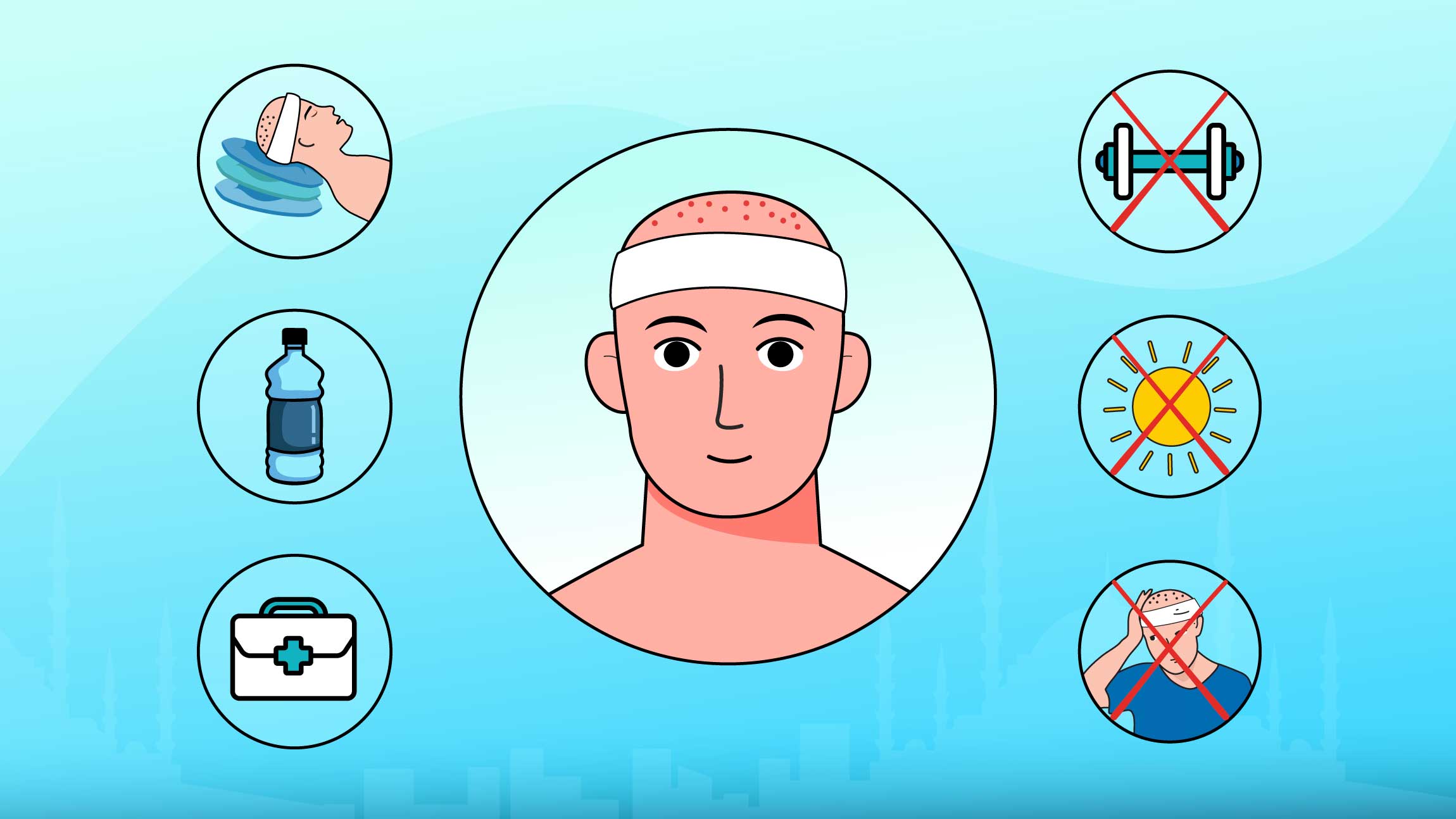
The success of your hair transplant doesn’t end when you leave the operating room. In fact, the most critical work begins the moment you step out of the clinic. The first two weeks are the defining period for your results. During this time, your new hair grafts are fragile, living entities that are working hard […]
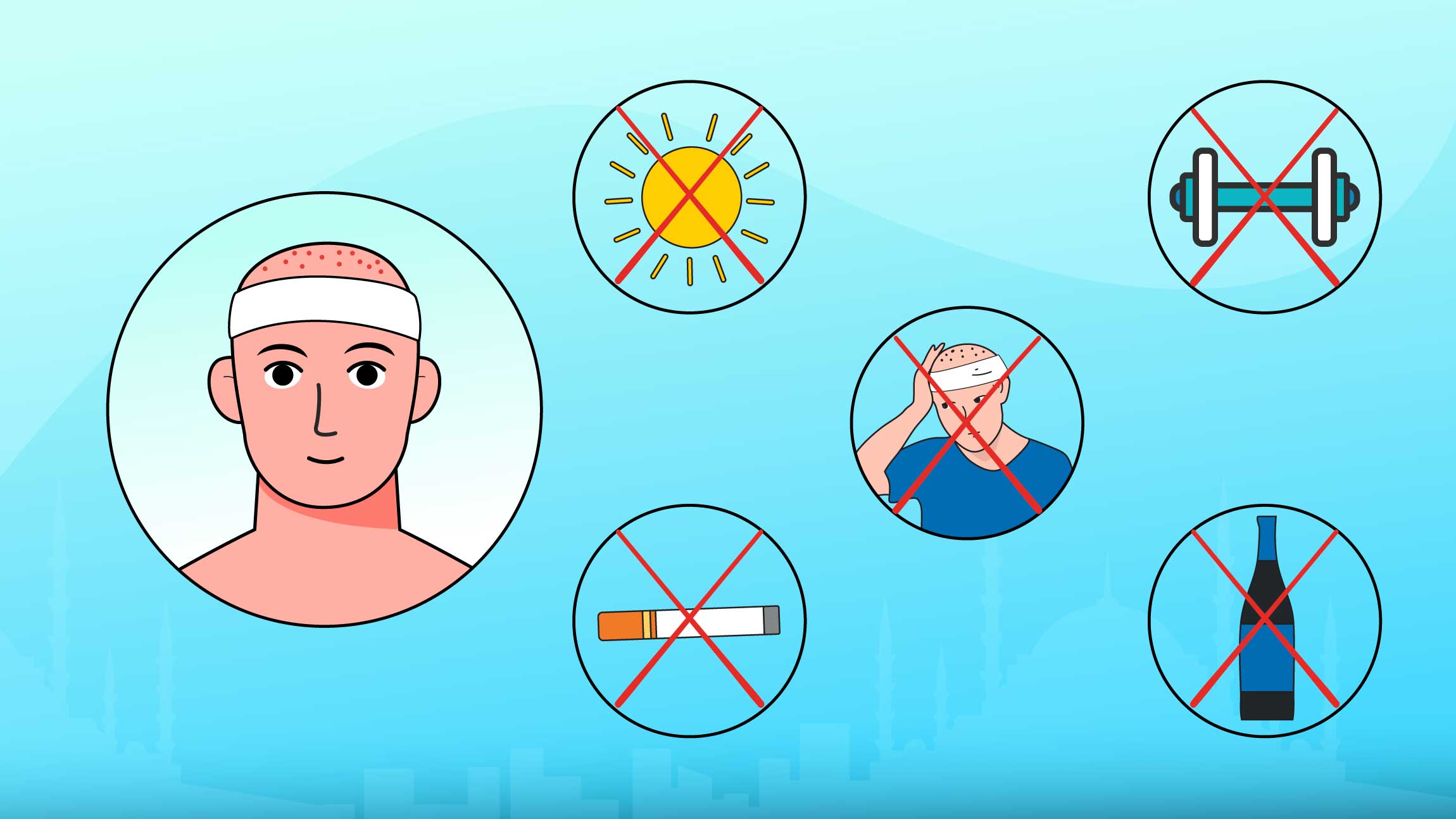
Congratulations on completing your hair transplant. While the surgical part is finished, the success of your restoration now depends heavily on the recovery phase. In our clinical experience, the first two weeks post-surgery are just as critical as the procedure itself. Understanding what to avoid after a hair transplant is essential because your new follicles […]
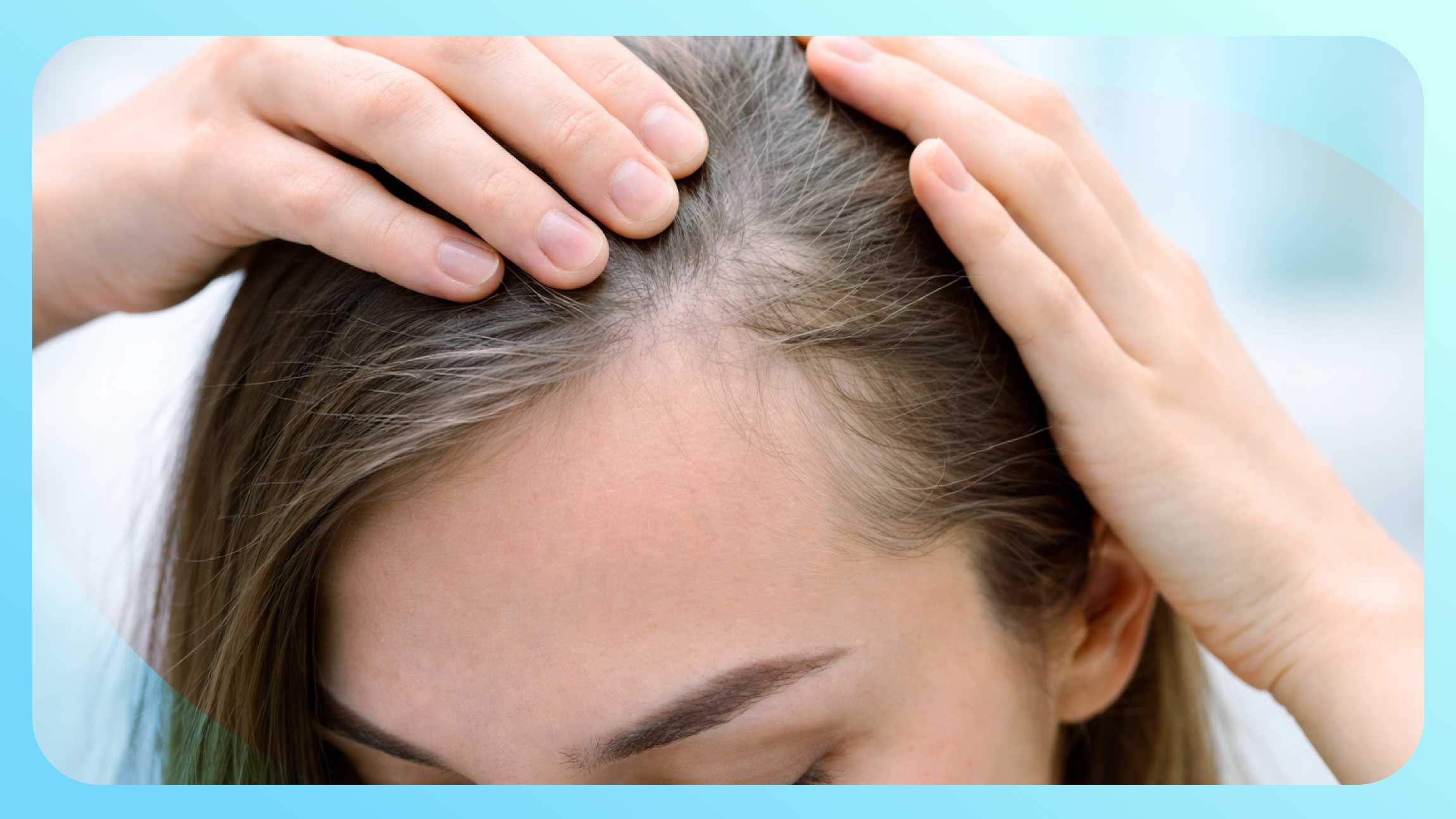
Hair loss is often culturally discussed as a male issue, but in our clinical experience, the impact on women is frequently more profound and emotionally distressing. For a woman, hair is often tied closely to identity and femininity. Losing it can feel isolating. Fortunately, the medical field has evolved. We no longer treat female hair […]


Thank you!
Your details have been successfully submitted. Thanks!