


FUE Hair Transplant Side Effects and Recovery: What to Expect
Medical Review by: Prof. Dr. Soner Tatlıdede – September 2026
What are the side effects of an FUE hair transplant?
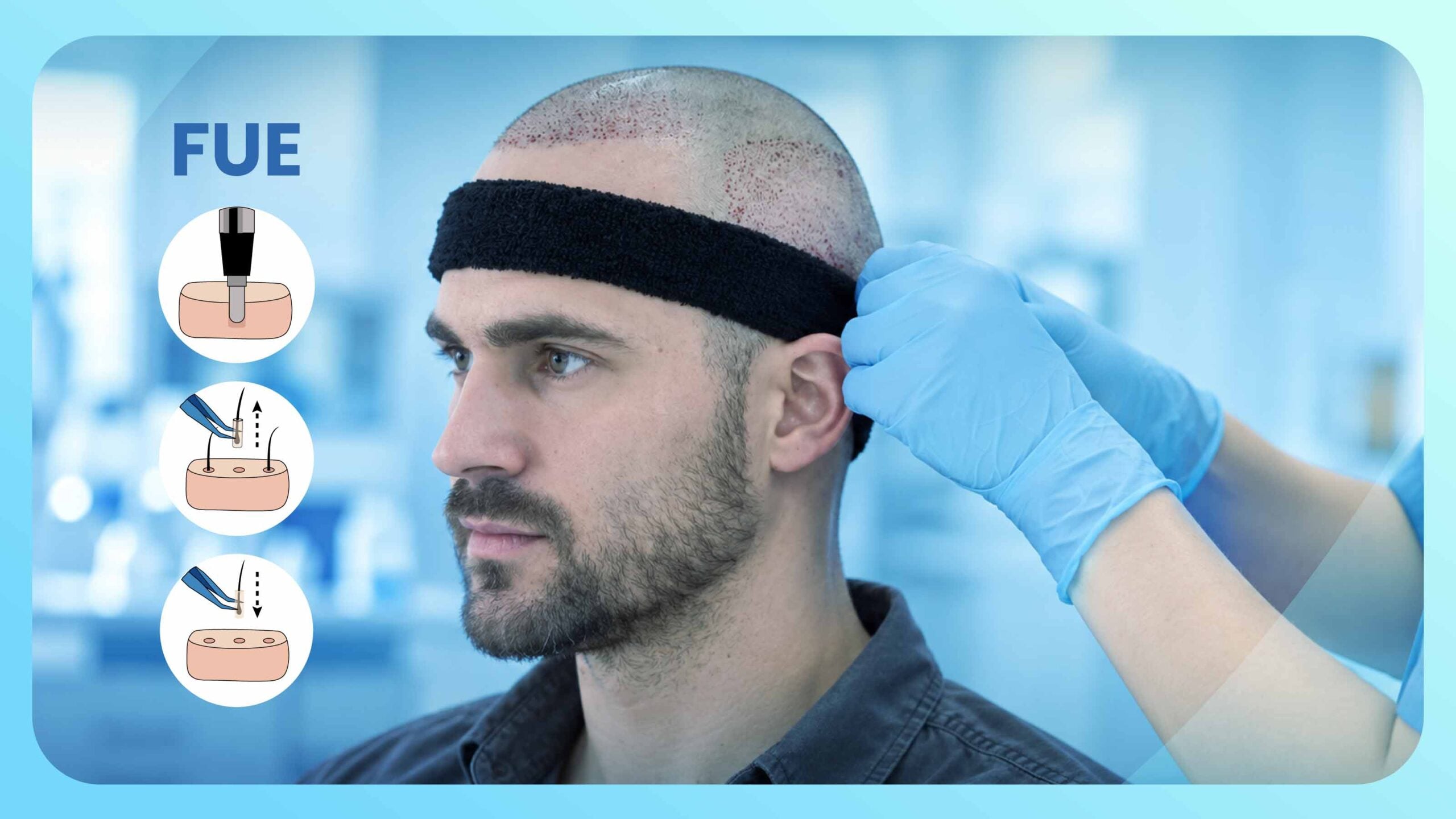
Follicular Unit Extraction (FUE) is a safe, minimally invasive micro-surgical hair restoration procedure with temporary, self-limiting side effects. Expected post-operative reactions include minor localized swelling, temporary scalp redness, light itching, mild crusting, and transient donor area numbness. Managed under medical supervision at Clinicana, severe complications are virtually non-existent, leaving zero linear surgical scarring.
Modern Hair Restoration Meets Surgical Precision
Deciding to undergo hair restoration is a transformative step toward regaining self-confidence, hair density, and a youthful appearance.
Over the past two decades, technological advancements have transformed hair transplantation from an aggressive surgical procedure into a refined, minimally invasive micro-surgical art.
Today, Follicular Unit Extraction (FUE) represents the high-tech gold standard in modern hair restoration, completely replacing outdated, highly invasive methods of the past.
While FUE is celebrated globally for its clinical safety, quick recovery, and natural-looking outcomes, every biological intervention triggers a natural physiological healing response.
Understanding what happens during recovery—from mild swelling and scalp redness to normal scab formation—helps you navigate your post-operative journey with complete clarity, reassurance, and realistic expectations.
At Clinicana Hair Transplant Center in Istanbul, operating within state-of-the-art hospital settings under the expert medical supervision of Prof. Dr. Soner Tatlidede, safety, transparency, and patient care remain top priorities.
This comprehensive medical guide explores expected FUE side effects, modern post-operative protocols, myth-busting facts, and essential tips for long-term graft preservation.
FUE vs. Legacy Strip Surgery (FUT): Why Micro-Precision Matters
To fully appreciate the minimal side-effect profile of modern FUE, it is essential to understand how hair restoration technology has evolved.
Older techniques like Follicular Unit Transplantation (FUT)—commonly known as the “strip method”—required surgeons to excise a continuous strip of scalp tissue from the donor area with a scalpel. The wound was then pulled together and closed with heavy surgical sutures.
| Clinical Parameter | Legacy FUT (Strip Method) | Modern FUE (Micro-Punch Harvesting) |
|---|---|---|
| Donor Extraction Method | Excision of a continuous strip of scalp tissue with a surgical scalpel. | Individual extraction of follicles using 0.7 mm – 1.0 mm micro-punches. |
| Surgical Scarring | Permanent, visible horizontal linear scar across the back of the head. | Microscopic, dot-like marks that remain virtually invisible under short hair. |
| Post-Op Pain & Tension | Moderate to severe scalp tightness requiring surgical sutures/staples. | Minimal localized soreness managed with basic oral analgesics; no sutures required. |
| Recovery Timeframe | 2 to 4 weeks of restricted movement and manual suture removal. | Fast recovery; full return to desk work within 3 to 5 days. |
| Hairline Customization | Standard multi-hair graft distribution across all receiving zones. | Selective placement: Single hair grafts for natural hairlines, multi-grafts for crown density. |
FUT inevitably resulted in significant post-operative pain, extended recovery periods, scalp tension, and a prominent, permanent linear scar across the back of the head.
In contrast, modern Follicular Unit Extraction (FUE) eliminates deep scalp incisions, skin excision, and surgical stitches entirely. FUE utilizes specialized micro-punches—measuring between 0.7 mm and 1.0 mm in diameter—to harvest individual hair follicles directly from the safe donor zone.
By extracting individual follicular units, FUE preserves the natural anatomical structure of the surrounding scalp, ensuring minimal tissue trauma and accelerated cellular healing.
Navigating Temporary Post-Op Side Effects: Timeline & Protocol
Following an FUE hair transplant, your body initiates controlled inflammatory and tissue-repair mechanisms. These post-operative side effects are harmless, temporary reactions indicating that your skin is healing and your newly transplanted hair grafts are integrating into their new blood supply.
| Side Effect | Biological Cause | Expected Duration | Clinicana Clinical Care Protocol |
|---|---|---|---|
| Localized Edema (Swelling) | Downward movement of tumescent anesthesia fluid under natural gravity. | Days 2 to 5 post-op | Wear the provided forehead band, sleep elevated at 45 degrees, and drink 2.5–3 liters of water daily. |
| Erythema & Mild Itching | Histamine release and localized micro-vascular tissue regeneration. | Days 3 to 10 post-op | Spray prescribed saline solution regularly and apply moisturizing foam; never scratch or touch new grafts. |
| Scalp Crusts & Scabs | Coagulated blood plasma forming protective seals over micro-incisions. | Days 3 to 12 post-op | Follow Clinicana’s daily gentle washing protocol; crusts soften and naturally wash off by day 10–12. |
| Temporary Numbness (Hypesthesia) | Transient stunning of superficial cutaneous nerve endings in the scalp. | 1 to 3 months | Self-resolving. Cutaneous nerve pathways regenerate naturally, fully restoring normal scalp sensation. |
| Minor Bruising (Hematoma) | Rare localized micro-vascular bleeding beneath the skin following anesthesia. | 3 to 7 days post-op | Strictly avoid smoking, alcohol, and blood-thinning medications for 10 days before and after surgery. |
Understanding the Expected Healing Timeline
Managing Specific Symptoms Step-by-Step
- Edema Management: Swelling typically begins around day 2 or 3 as localized tumescent fluid migrates downward toward the forehead and eye area. This reaction is benign and subsides quickly. Keeping your head elevated while resting and using the custom headband supplied by Clinicana prevents fluid accumulation around the eyelids.
- Itching and Scalp Hydration: Mild itching is a classic sign of epidermal healing. However, scratching during the first 10 days can dislodge healing roots or introduce micro-infections. Applying Clinicana’s prescribed panthenol moisturizing foam and saline spray keeps the scalp hydrated and instantly calms irritation.
- Scab Softening Protocol: Micro-scabs form around each graft to shield the underlying incision from environmental contaminants. From day 3 onward, gentle daily washings with lukewarm water and specialized medical shampoo soften these scabs, allowing them to slough off naturally between days 10 and 12 without pulling on the grafts.
Debunking Medical Myths: FUE Safety and Long-Term Health
Social media and internet forums often spread alarming myths about surgical hair restoration. As a certified medical institution, Clinicana clarifies these misconceptions through peer-reviewed medical science:
Myth 1: Hair Transplants Cause Brain Tumors or Long-Term Neurological Damage
The Medical Reality: An FUE hair transplant operates strictly within the superficial layers of the skin—specifically the upper dermis—reaching an operational depth of only 2.0 mm to 4.5 mm.
The micro-instruments never cross the subcutaneous fascia, skull bone, or protective meningeal membranes surrounding the brain. There is absolute zero biological, neurological, or oncological link between hair follicle extraction and cellular mutations, brain tumors, or systemic malignancies.
Myth 2: Transplanted Hair Will Stop Growing and Fall Out Permanently
The Medical Reality: Hair follicles harvested from the occipital “safe donor zone” at the back of the scalp possess natural genetic resistance to Dihydrotestosterone (DHT)—the primary androgenic hormone responsible for male pattern baldness.
When transplanted into thinning or balding areas, these grafts maintain their genetic immunity indefinitely, a medical concept known as “Donor Dominance.”
While patients experience a temporary event called Shock Loss (harmless shedding of the hair shaft 2 to 6 weeks after surgery), the underlying follicular root remains anchored beneath the scalp. Starting around months 3 to 4, fresh, permanent hair shafts naturally emerge and continue to grow for a lifetime.
Clinicana Post-Op Care: Ensuring Maximum Graft Survival
At Clinicana Hair Transplant Center in Istanbul, post-operative patient care is treated with the exact same level of clinical excellence as the procedure itself.
Operating within prestigious, fully equipped hospital facilities under the supervision of Prof. Dr. Soner Tatlidede, our medical team provides personalized care packages, detailed recovery guidelines, and continuous digital progress monitoring.
Proper washing techniques, sleeping posture, and avoiding physical trauma during the crucial first 10 days are key factors in ensuring maximum graft survival rates.
Furthermore, if you are evaluating different micro-surgical techniques to determine which option provides the best recovery profile and hairline density for your personal hair loss pattern, read our detailed clinical comparison on Sapphire FUE vs DHI hair transplant.
Frequently Asked Questions
Is an FUE hair transplant painful during or after the procedure?
No. Local anesthesia fully numbs the scalp during surgery, ensuring a pain-free experience. Any mild post-op tightness or soreness is easily managed with standard oral painkillers for 24 to 48 hours.
When can I return to work and exercise after FUE?
You can return to light desk work within 3 to 5 days. However, intense gym workouts, heavy lifting, swimming, saunas, and direct sun exposure must be avoided for 30 days to protect healing grafts.
Is hair shedding 3 weeks after surgery normal?
Yes, this temporary shedding—known as “Shock Loss”—is completely normal. The hair shaft falls out, but the root remains securely anchored, producing new permanent hair starting around month 3 or 4.
Plan Your Hair Restoration Journey with Confidence
Every head of hair is unique, and achieving optimal hairline density requires a tailored medical strategy. Whether you are addressing early temple recession or advanced crown thinning, receiving a direct expert assessment is the first step toward lasting results.
Academic References & Medical Sources
- Bernstein, R. M., & Rassman, W. R. (2002). Follicular Unit Extraction: Minimally invasive surgery for hair transplantation. Dermatologic Surgery, 28(8), 720–728.
- Ungar, W. P., & Shapiro, R. (2010). Hair Transplantation (5th ed.). Informa Healthcare.
- Bessam, N., & Leavitt, M. (2017). Complications in Hair Restoration Surgery: Prevention and Management. Facial Plastic Surgery Clinics, 25(3), 429–441.
- Dua, A., & Dua, K. (2010). Follicular unit extraction hair transplant: Harvest technique. Journal of Cutaneous and Aesthetic Surgery, 3(2), 76–81.


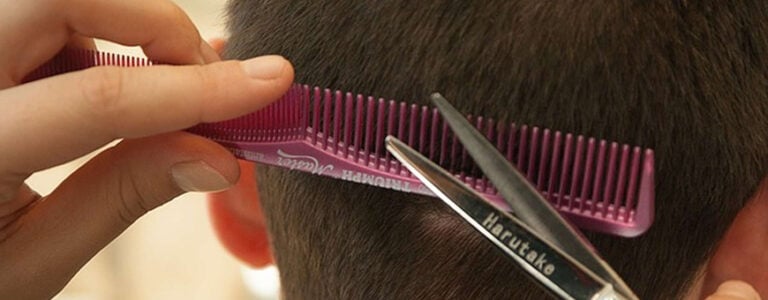
By Prof. Dr. Soner Tatlıdede · October 2026 When can you cut your hair after a hair transplant? Hair in the donor area can be trimmed after 1 month using scissors or clippers. As for the recipient area, trimming only the ends of the hair using scissors is permitted after 2 months. However, you must wait at […]
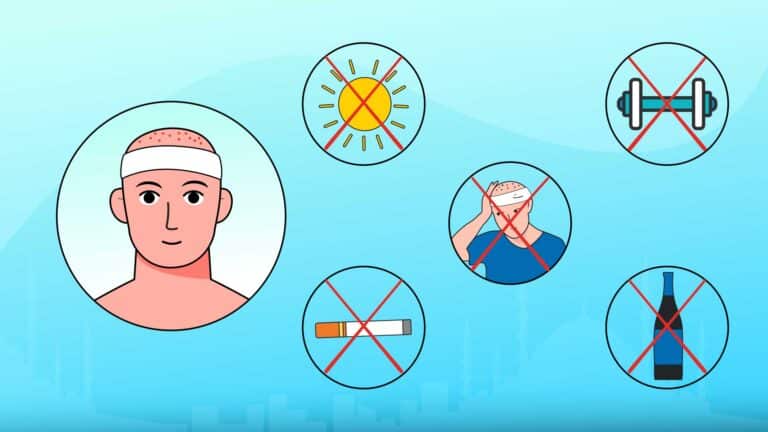
By Prof. Dr. Soner Tatlıdede · October 2026 Congratulations on completing your hair transplant. While the surgical part is finished, the success of your restoration now depends heavily on the recovery phase. In our clinical experience, the first two weeks post-surgery are just as critical as the procedure itself. Understanding what to avoid after a hair transplant […]
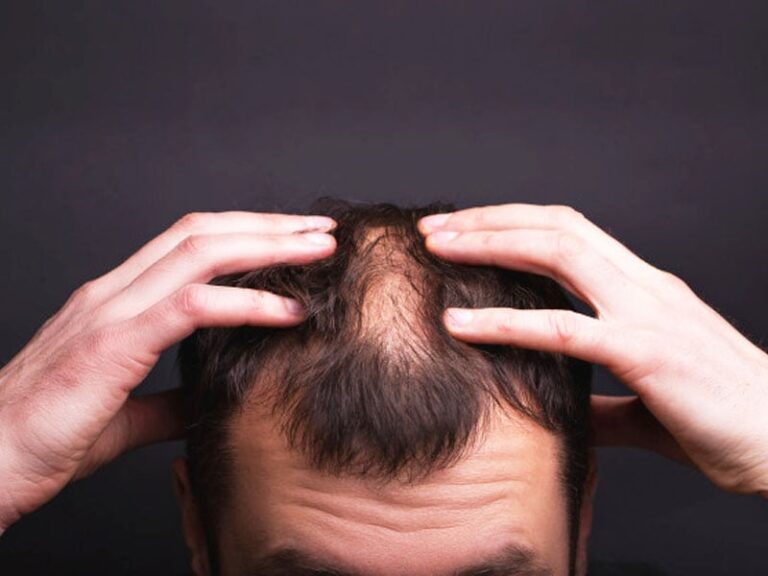
Scalp psoriasis and seborrheic dermatitis are chronic inflammatory conditions that frequently cause discomfort, itching, redness, and scaling. For individuals experiencing hair thinning alongside these conditions, severe anxiety often arises regarding permanent follicle loss and the feasibility of hair restoration. A central concern among patients is whether undergoing a hair transplant while managing scalp psoriasis is […]


Thank you!
Your details have been successfully submitted. Thanks!