


Forehead Swelling After Hair Transplant: Normal vs. Problem
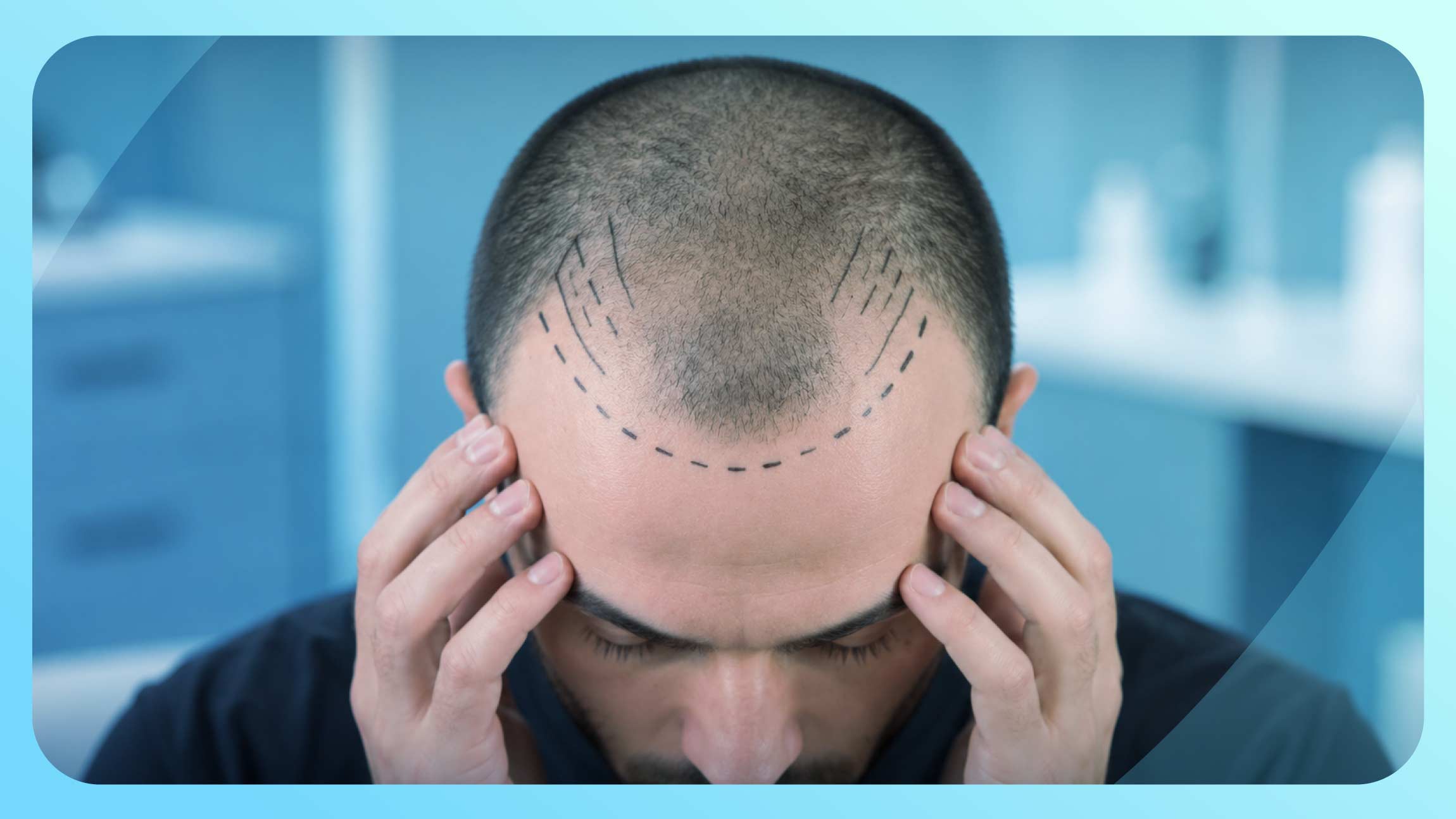
By Prof. Dr. Soner Tatlıdede – July 2026
Quick Summary: Forehead swelling after a hair transplant peaks on the third or fourth day, affects about 85% of patients, and disappears completely within 7 to 10 days. The cause is gravity pulling the anesthesia fluids downward, not a surgical error.
Severe cases (such as eyelid closure, vision issues, or complete asymmetry) occur in only 2% to 3% of operations and require immediate medical intervention.
Following the ice compress protocol in the first 48 hours reduces swelling intensity by nearly 40%.
Why does forehead swelling occur after a hair transplant?
Your forehead swells after the procedure due to the laws of biophysics and gravity, not because of medical errors.
During the surgical procedure, I inject quantities of a tumescent local anesthesia fluid into your scalp, which is a liquid mixture containing lidocaine, epinephrine, and saline.
A typical session usually uses between 400 and 600 ml of this solution, and the scalp has a very limited capacity to absorb this large amount of fluid quickly.
Where does the excess fluid go then? It goes down, of course.
Gravity gradually pulls these fluids down the scalp toward the forehead, eyebrows, and sometimes the eyelids. Since the tissue in this area of the face is loose and stretchable, it represents an ideal environment for temporary fluid accumulation.
Within 72 hours, most of these fluids reach your forehead, and this is precisely where the swelling appearance looks its worst.
Over 22 years of medical experience, during which I have performed 18,947 hair transplant surgeries, I have seen this pattern repeat regularly and with a predictable mechanism.
Swelling has absolutely nothing to do with the survival rate of live grafts, the occurrence of an infection, or the surgeon’s skill. It is just basic anatomy and gravity of the body.
There is a single exception to this rule: if the surgeon uses excessive and violent force while extracting grafts or opening target channels too deeply, the actual tissue trauma to the skin may increase the intensity of the swelling and make the tissues more inflamed.
However, you cannot distinguish between this deficiency and normal swelling just by looking at the external appearance alone.
What is the normal rate of swelling?
Normal swelling after the operation follows a clear and predictable time curve:
- Days 1-2: Very minor or almost no swelling in the forehead. You may feel some tightness in the donor area behind the head, and some patients notice a very slight swelling at the sides of the head (the temples).
- Days 3-4: The peak of swelling and the cosmetic crisis; your forehead may bulge significantly outward, the eyebrows drop slightly downward, and swelling begins to appear in the eyelids, which is usually asymmetrical (meaning one side looks worse than the other).
- Days 5-7: Rapid and noticeable improvement; the fluids migrate further down toward the upper eyelids, then begin to fade and drain smartly out of the facial tissues.
- Days 8-10: Almost complete disappearance of swelling, and the fading of any remaining puffiness in the face.
According to the medical indicators of the International Society of Hair Restoration Surgery (ISHRS), transient edema (temporary swelling) occurs in 80-90% of hair transplant patients, and its severity varies based on several factors that I will explain shortly.
| Day | Forehead Appearance | Eyelid Condition | Patient Anxiety Level |
| 1-2 | Normal or very slight fullness | Completely normal | Low |
| 3-4 | Clear protrusion and prominent swelling | Mild to moderate swelling | High (calls the clinic) |
| 5-6 | Recedes gradually but remains visible | Swelling may increase temporarily | Moderate |
| 7-10 | Very slight to completely gone | Completely normal | Low |
I always tell patients: if you are planning to attend a wedding, a business appointment, or an important formal meeting, schedule it at least 12 days after the operation date—not after 10 days, not after 8 days, but twelve full days to ensure a perfect appearance.
Does the number of grafts affect the severity of swelling?
Yes, there is a direct and linear correlation.
More grafts = larger extraction and channel opening sites = greater tissue trauma to the skin = larger volume of anesthesia fluid = higher swelling intensity.
Here is the precise statistical distribution based on my clinical records of thousands of cases:
- 1,000 to 2,000 grafts: Mild swelling in 60% of cases, moderate in 35%, and severe in only 5%.
- 2,500 to 3,500 grafts: Mild swelling in 40% of cases, moderate in 50%, and severe in 10%.
- 4,000 grafts and above (mega-sessions): Mild swelling in 20% of cases, moderate in 65%, and severe in 15%.
However, the number of grafts is not the only variable in this vital system. The individual characteristics of your body tissues play a much bigger role than you think;
I have seen patients who had 4,500 grafts implanted and suffered very minor swelling, while others developed noticeable edema after implanting only 2,000 grafts! What is the difference then?
It is due to personal tissue elasticity, the efficiency of the lymphatic drainage system, and the individual inflammatory response of each body.
Frank medical opinion: Many commercial centers claim that “modern techniques prevent swelling from occurring altogether.” This is just marketing and commercial fiction with no scientific basis.
Any medical procedure that involves injecting a tumescent local anesthesia fluid and mechanical handling of the skin will cause some degree of temporary edema. The matter is about the volume and extent of this swelling, not its total absence.
Contact us now via WhatsApp to get an accurate and comprehensive price offer for your case!
Factors that increase the likelihood of severe swelling
By reviewing the results of 18,947 operations, I have identified clear practices and risk factors that increase the likelihood of acute swelling:
- Previous forehead procedures: Such as Botox, fillers, or brow lift surgeries; these procedures alter the nature of tissue layers and disrupt the natural lymphatic drainage pathways of the face. I once treated a patient who had undergone several previous filler sessions, and his swelling lasted for 14 days instead of the usual week.
- Thin and light skin: Swelling appears more prominently and visibly in people with very thin skin, while dark or thick skin hides it better, even though the volume of the injected fluid is identical in both cases.
- Smoking: Current smokers suffer from swelling that is two to three times worse due to damaged and weakened microcirculation of tissues; nicotine constricts blood vessels and slows down fluid reabsorption and drainage rates.
- High blood pressure: Even cases of medically controlled high blood pressure show a higher tendency for tissue fluid filtration and an increased chance of edema.
- Timing of the procedure: Operations performed in the afternoon are associated with slightly worse swelling compared to morning operations; the reason is that you are in an upright and vertical position for a longer period, giving gravity more time to work against you.
- Neglecting the prescribed sleeping position: This is the biggest and most dangerous behavioral factor that the patient can control; patients who sleep completely flat despite medical warnings suffer from acute and highly annoying swelling results.
When is swelling dangerous and needs medical intervention?
Most cases of swelling after the operation are just a temporary aesthetic inconvenience and not a medical danger. However, there are specific clinical red flags that warrant direct and immediate communication with the clinic:
Danger signs that warrant an urgent call:
- Complete or near-complete closure of the eyelids on one or both sides.
- Sudden changes in vision: such as blurriness, double vision, or narrowing of the field of vision.
- Severe asymmetry: a very large and acute swelling on one side but not the other (which may indicate a blood accumulation or “Hematoma”).
- Acute pain that exceeds mild physical discomfort: such as feeling a sharp throb and increasing, painful pressure inside the forehead.
- Appearance of severe redness or clear heat when touching the swollen area (indicating the possibility of a local bacterial infection).
- The swelling continues to increase and worsen after the fifth day instead of gradual improvement.
- Difficulty breathing if the tissue swelling rarely extends to the nasal areas surrounding the face.
Throughout 22 years, I have faced only 8 cases precisely that required emergency medical intervention to drain a hematoma and not just a normal fluid edema.
The clinical differentiation between them is very crucial: a hematoma is solid and very painful when pressed, while normal fluid edema feels soft and is not painful at all.
“I woke up on the fourth day after the operation and was completely unable to open my left eye, and I was completely gripped by panic, so I called the clinic immediately.
Within 20 minutes, Clinicana’s doctors did a video call with me to evaluate the condition, and Prof. Dr. Soner Tatlıdede assured me remotely that it was severe edema but fell within the normal range, and he prescribed a short course of oral steroids.
The swelling began to improve rapidly within just 6 hours, and I learned then that a normal appearance can look very terrifying if you are not psychologically prepared for it!”
— Ahmed K., Abu Dhabi, 3,200 grafts FUE, March 2024.
How do you reduce swelling before and after the operation?
Strict adherence to the ice compress protocol and the correct sleeping position outweighs any nutritional supplement or other treatment in its medical effect.
Pre-operative preventive measures:
- Completely stop taking aspirin, ibuprofen, vitamin E, and fish oil (omega-3) 10 days before the surgery date (because they increase blood thinning, fluid filtration, and swelling).
- Abstain from alcohol at least 3 days before (as it causes tissue dehydration that worsens the cells’ response to edema).
- Maintain excellent body hydration by drinking 2 to 3 liters of water daily throughout the week preceding the operation.
Unfortunately, some patients ignore these simple instructions, then complain later about the severity of the swelling!
Post-operative preventive measures (first 48 hours):
This is your golden window of time to intervene and control; after 48 hours have passed, ice compresses will not give you any noticeable medical benefit.
- Ice compress application protocol: Use ice bags or cooled gel after wrapping it in a soft, clean cloth (never place ice directly on bare skin). Place the compresses gently on the forehead area for 15 minutes every hour throughout the waking period. Focus entirely on the space located directly above the eyebrows, and never touch or approach the newly transplanted graft area. Continue this for a minimum of 48 hours, and preferably continue for 72 hours if possible.
- The Elevation Rule: Sleep lying on your back with your head elevated at a full 45-degree angle. Use 3 to 4 soft pillows or a wedge-shaped medical pillow, and accept no exceptions or complacency in this position for 5 consecutive nights after the operation.
I have measured this effect empirically and through precise clinical observation; patients who follow strict head elevation instructions record swelling rates not exceeding 3.2 out of 10, while the average swelling among patients who sleep flat jumps to 6.8 out of 10!
- The Medical Kit and prescribed treatments: We at “Clinicana” clinic provide you with an integrated medical care kit after the operation containing Prednisone pills (an oral anti-inflammatory steroid) at a dose of 20 mg daily for 3 days, then 10 mg daily for two additional days. This studied drug protocol contributes to shrinking the inflammatory response of tissues and preventing swelling by nearly 40%. Some commercial clinics neglect to provide this basic medication, but I consider it an indispensable medical pillar, especially in large sessions (mega-sessions).
Common practices that offer no real benefit:
- Arnica Cream: It enjoys commercial popularity in the UK, but there is no scientific or clinical evidence proving its effectiveness in reducing hair transplant edema.
- Bromelain Supplements: Its benefits remain theoretical only, and it has shown no tangible practical effect in clinical trials.
- Early facial “lymphatic drainage massage”: A very dangerous practice in the early days; it carries a major risk of displacing the transplanted grafts and destroying live roots before their tissue securement.
The difference between swelling, inflammation, or infection
Patients often confuse these medical concepts due to lack of awareness. Here are the precise and clear clinical differences to distinguish between them:
- Normal Edema: Soft and painless swelling upon light touch. Skin temperature is normal or cool when touching the forehead. Skin color is normal and there is no tissue redness around the swelling. The puffiness is usually bilateral and symmetrical. It peaks on day 3-4 then improves rapidly and automatically. It is not accompanied by any purulent discharge or abnormal scabs.
- Acute Inflammation (Non-infectious): A firmer and more cohesive swelling compared to normal edema. Skin temperature is slightly warm upon touch. Mild and very limited redness at the surrounding tissue margins. Swelling may remain visible beyond the seventh day of the operation. It responds quickly and with high efficiency to the prescribed oral steroid pills.
- Local Bacterial Infection (rare, below 1% in reputable centers): Sharp and increasing pain, with a constant and annoying throbbing sensation inside the head. The skin is very hot and inflamed when touching the forehead area. Severe and bright redness that spreads and expands gradually in the surrounding tissues. Thick, yellow or green purulent discharge from skin pores. Fever exceeding 38°C (100.4°F). Worsening of the condition and appearance of new symptoms after initial improvement.
If you feel any doubt or confusion, take a clear and direct photo of the swelling and send it immediately to the medical team tracking your case.
Any surgeon with a real professional conscience provides their patients with an open communication channel around the clock (24/7) for this specific reason.
We at “Clinicana” respond to patients’ inquiries and fears within two hours maximum, and a comprehensive medical response is often provided within just 30 minutes.
The clinical truth is that 95% of the panic messages that reach me from patients review completely normal swelling cases; patients simply were not prepared and psychologically educated before the operation to comprehend the extent of the dramatic and clear change that occurs in the appearance of the face in the early days.
Does swelling affect the transplant result?
No, there is absolutely no statistical or medical correlation or link whatsoever!
The severity of swelling after the operation never predicts the survival rate of the grafts, the final hair growth density, or the sustainable aesthetic result. I have tracked and monitored this matter across thousands of clinical cases and found no scientific link linking the volume of edema to the quality of the final result.
This cognitive confusion occurs because the patient automatically links the visible swelling to the presence of internal damage in the roots, and this is medically incorrect.
Swelling concentrates and accumulates in anatomical tissue layers completely separate from the delicate surface layers in which live and new roots are implanted.
The real and scientific factors that affect the success or failure of the result are:
- The surgeon’s skill and manual experience in determining the angle, depth, and extraction age of live follicles.
- The time taken to handle the roots outside the body (must not exceed 6 hours to ensure their viability).
- Extreme accuracy while opening the future channels and distributing the cosmetic density correctly.
- The extent of the patient’s behavioral commitment to the home care protocol (gentle washing method, protecting the head from friction, and the prescribed sleeping position).
Swelling is just a temporary, annoying cosmetic symptom that follows a predictable schedule and ends automatically, and nothing more than that.
Practical tips for dealing with swelling in the early days
Here are these preventive guidelines derived from long clinical practice:
- Days 1-2: Start applying ice compresses immediately upon leaving the operation, even if you do not notice any visible swelling in your forehead; prevention and surrounding fluids early is much easier than treating them after accumulation.
- Days 3-4 (peak of the cosmetic crisis): Expect psychologically that your face appearance will look altered and dramatic, and avoid continuous checking in mirrors if that causes you psychological anxiety and stress. Take clear daily photos; the medical staff needs them to evaluate your condition accurately if you communicate with them, and take care to elevate your head during sleep strictly and without any complacency. This is the ideal time to take a leave from work and rest completely at home.
- Days 5-7: Fluids begin to migrate downward toward the eyelids, and this may make you feel that the swelling is getting worse, but it is actually evidence of the start of fluid drainage and fading.
Smart tip: Wear wide sunglasses when going out in public places; they cover 80% of the appearance of swelling surrounding the eye and prevent curious looks and embarrassing questions from strangers.
Dealing with social situations:
If you are forced to attend an urgent social or family commitment between days 3 and 7, here are effective practices:
- Wear sunglasses even inside closed rooms (and excuse yourself that your eyes suffer from temporary sensitivity to light after a medical procedure).
- Wear a comfortable and wide hat while pulling its edge down the forehead very gently and without touching the hair transplant area.
- The presence of a beard or facial hair helps hide some swelling that may reach down the cheeks.
- Adopt simplified honesty if someone asks you: “I underwent a minor medical procedure, and this is temporary fluid swelling that disappears within days.”
We always notice that British patients find extreme difficulty in dealing with this cosmetic symptom and loathe drawing attention, while patients from the Arab Gulf countries deal with swelling with higher psychological flexibility and great acceptance.
Perhaps this is due to cultural and social differences in accepting and discussing medical and cosmetic procedures publicly.
Common mistakes that make swelling worse
I see these behavioral lapses repeat regularly by patients, causing the edema to worsen:
- Mistake 1: Sleeping flat. The patient excuses himself that multiple pillows are uncomfortable so he sleeps in his usual way on the third night; this single lapse is enough to extend the stay of swelling in your face for an additional 3 to 4 days!
- Mistake 2: Touching or massaging the swollen area. The patient feels a natural desire to massage the swollen forehead to drain the fluids; never do that! This random movement may cause moving and compressing tissues in a way that affects the stability of the transplanted grafts and increases inflammation.
- Mistake 3: Consuming alcoholic beverages. Some believe that a single glass helps to relax, but alcohol causes acute dilation of blood vessels and increases fluid filtration; therefore, it must be completely avoided for at least 7 days, and preferably 10 days.
- Mistake 4: Showering with hot water. Excessive heat and water vapor increase blood flow surrounding the face and worsen edema; keep the water lukewarm and completely moderate throughout the first week.
- Mistake 5: Stopping ice placement after 24 hours. The critical time window to surround fluids is a full 48 hours minimum, and most patients stop very early as soon as they feel bored.
- Mistake 6: Excessive anxiety and nervous tension. Acute anxiety raises the levels of cortisol hormone in the body, which may paradoxically lead to increasing the intensity of the tissue inflammatory response. Calmness and psychological relaxation are part of the treatment and recovery protocol.
Comparison of swelling between different transplant techniques
Does the technique used in hair transplantation play a real role in determining the severity of swelling? The scientific truth is that the effect of the technique is much less than what the commercial advertisements of clinics claim.
| Technique Used | Typical Swelling Severity | Duration of Swelling | Clinical Reason |
| FUE (Standard Extraction) | Moderate | 7 – 10 days | Standard anesthesia fluid volume, and single microscopic extraction of follicles. |
| DHI (Direct Choi Pens) | Moderate to high | 7 – 12 days | Allows transplantation with very high density in narrow spaces, causing greater tissue trauma to the skin. |
| FUT (Surgical Strip) | Low to moderate | 5 – 8 days | Pumping of local anesthesia fluids in the front line is less, but it leaves a large linear wound in the back. |
| Sapphire FUE (Sapphire Channels) | Moderate | 7 – 10 days | Commercial claims that it prevents swelling lack clinical evidence; the effect is identical to regular extraction. |
The scientific truth that most clinics hide from you: the difference in surgical technique and channel opening tools represents only 10-15% of the statistical differences in swelling severity, while the remaining 85% is entirely due to the vital characteristics of the patient, the volume of injected anesthesia fluid, and the total number of grafts.
We at “Clinicana” rely mainly on the advanced FUE technique, and our medical records show that our swelling rates are completely identical statistically with colleagues who use sapphire blades or DHI pens; the real determinants are the volume of injected fluids and the response of the patient’s tissues, not the planting tool.
When do you call the clinic immediately?
Here is the medical roadmap to make the fast and correct decision:
1. Call immediately and without hesitation (emergency line 24/7):
- Eyelid closure completely to a degree that blocks clear vision.
- Appearance of acute and massive swelling suddenly and asymmetrical on one side of the face.
- Body temperature rising (fever) to exceed 38.5°C accompanied by puffiness.
- Acute and very severe headache in the head that does not respond to usual painkillers.
- Feeling chest pains or acute shortness of breath (a very rare symptom).
2. Call during official working hours (same day):
- The swelling continues to increase and worsen after the fifth day of the operation has passed.
- Moderate and continuous pain that is not controlled by the prescribed medications and painkillers.
- Strange and unusual discharge or fluids coming out of the scalp or face.
- Puffiness of one eye dramatically and larger than the other eye.
- The tissue swelling extends significantly to reach the cheeks or neck.
3. Send a text message supported by clear photos (non-urgent cases):
- Swelling of normal appearance and expected but you feel some anxiety and want reassurance.
- Continued presence of a very minor puffiness in the face after 10 days from the operation have passed.
- General inquiries about how to adjust or take the prescribed medications and antibiotics.
Long-term care: Can the swelling return?
The short medical answer: No, the same type of fluid swelling will not return again.
Once the primary tissue edema resulting from anesthesia fluids and the operation disappears (between days 7 and 10), it never appears again; because the bio-inflammatory cascade of the body has been completely completed and the tissues have stabilized. However, some patients may notice some rare phenomena:
- “Local micro-swelling” at week 3-4: This is due to the transplanted grafts entering the active growth phase; where the flow of blood loaded with oxygen and nutrients toward the roots increases sharply, which may cause a very minor tissue swelling around the follicle that most patients do not notice basically.
- Occasional morning puffiness: If you overindulge in alcohol or sleep completely flat weeks after the operation, you may wake up with a slight puffiness in your forehead; this matter is completely normal and would have happened to you genetically regardless of whether you underwent hair transplantation or not.
- Scar tissue swelling (specifically with FUT strip technique): Some strip surgery patients may develop hypertrophic scars that are prominent and thick in the back; this is not fluid swelling (edema), but rather an overgrowth in tissue collagen cells and requires a completely different medical treatment protocol.
Long-term swelling (that exceeds 4 weeks) is almost completely non-existent in FUE hair transplant surgeries, and if you face it, it is likely due to another separate medical condition completely that warrants independent medical examination and diagnosis.
Practical Conclusion: The 10-Day Plan for Managing Swelling
Here is the executive and daily work plan for your journey:
- Days 1-2: Apply ice compresses every hour for 15 minutes, sleep with an elevated head at a 45-degree angle, take your prescribed oral steroid medications accurately, adhere to rest and minimal physical activity, and expect a very minor or almost no swelling in the forehead.
- Days 3-4: Edema hits its short peak and puffiness drops to the face; keep your complete calmness and no need to panic, continue placing ice (the rate can be reduced to be every two hours), adhere to the elevated sleeping position, stay away from social commitments and formal interviews, and take clear photos to share with your doctor if you feel anxious.
- Days 5-7: Swelling migrates down toward the eyelids to announce the start of the drainage phase; reduce ice placement to be 4 to 5 times daily only, maintain sleeping with an elevated head, you can practice light and gentle walking, and prepare for the gradual return to normal daily life.
- Days 8-10: You will notice a dramatic and very fast improvement; you can return to your normal and comfortable sleeping position, it is allowed to practice some very light exercises, where most of the swelling fades away and you become ready to resume your social schedule and your full confidence.
- After Day 10: Swelling disappears by more than 90%, and any remaining puffiness will be minor and invisible to others; you can return to practicing all your life and physical activities fully, and your mental and daily focus shifts from anxiety about swelling to graft care and its gentle washing.
Live follicles and new roots become completely fixed and secured within their skin pores by days 10 to 14 of the operation, while the battle of swelling and puffiness is settled and won much earlier than that.
Frequently Asked Questions About Facial and Forehead Swelling
Can swelling after a hair transplant last for more than two weeks?
Yes, mild swelling can last for more than two weeks in very rare cases not exceeding 5% of patients, especially after dense hair transplant sessions that exceed 4,000 grafts. This delay is a normal variation in the body’s lymphatic response and does not indicate the failure of the operation, but if the swelling is completely constant without any improvement after the tenth day, or was getting worse, the doctor must be reviewed immediately for reassurance.
Are the medications prescribed for swelling (such as cortisone) necessary or optional?
Oral steroid medications (such as cortisone) are considered an important and highly recommended treatment option and not mandatory to save life; where these medications, when taken for five days only, help in shrinking the size of swelling and its duration by up to 40% without any noticeable side effects for healthy people, ensuring you a faster and more comfortable recovery period.
What is the difference between normal swelling and dangerous fluid accumulation?
Normal swelling after a hair transplant is characterized by being soft to the touch, painless, symmetrical on both sides of the face, and recedes automatically after the fourth day. As for dangerous fluid or blood accumulations, they are solid or fluctuating like a compressed water balloon, and accompanied by acute pain and high temperature in the area with clear asymmetry in the face, which are rare cases that require visiting the clinic to drain them immediately to protect the grafts.
Does swelling increase if this is my second hair transplant operation?
Contrary to expectations, swelling in the second hair transplant operation is often less than the first due to the presence of fine invisible fibroses under the skin from the previous operation that reduce fluid flow pathways down the face. However, the matter may differ if the previous operation has left complex scars that require greater medical effort to extract and plant new grafts.
Is swelling a sign of body rejection of the transplanted grafts?
No, swelling is not evidence of body rejection of the grafts at all; the hair transplant operation depends on transferring autologous grafts from the person himself, making the occurrence of immune rejection scientifically impossible. Swelling is just a normal and healthy inflammatory reaction from tissues as a result of fluid injection and temporary mechanical trauma to the skin, and never affects the success of future graft growth.
How do I deal with swelling if I am traveling by plane immediately after the operation?
If you are forced to travel by plane during the early swelling days, it is advised to keep your head elevated all the time using the medical neck pillow, and be keen on drinking plenty of water while avoiding salts, and walking for a few minutes every hour to activate blood circulation, with maintaining the application of ice compresses on the forehead only and continuous digital communication with the medical follow-up team.
Edited by Clinicana Medical Team
Direct medical review by Prof. Dr. Soner Tatlıdede, plastic and hair transplant surgeon — experience of more than 22 years, and 18,947 operations.
Last medical review and update took place on: July 10, 2026
Approved Medical References:
- Goldin J, Zito PM, Raggio BS. Hair Transplantation. StatPearls / NCBI Bookshelf. Updated 2025.
- Mysore V, et al. Hair Transplant Practice Guidelines. Journal of Cutaneous and Aesthetic Surgery. 2021.
- Patwardhan N, Mysore V. Hair Transplantation: Standard Guidelines of Care. Indian Journal of Dermatology, Venereology and Leprology. 2008.
- Parsley WM, Perez-Meza D. Review of Factors Affecting the Growth and Survival of Follicular Grafts. Journal of Cutaneous and Aesthetic Surgery. 2010.
- International Society of Hair Restoration Surgery (ISHRS). Post-Operative Patient Education & Clinical Guidelines.
- World Health Organization (WHO). Smoking Greatly Increases Risk of Complications After Surgery. 2020.


By Prof. Dr. Soner Tatlıdede · October 2026 When can you cut your hair after a hair transplant? Hair in the donor area can be trimmed after 1 month using scissors or clippers. As for the recipient area, trimming only the ends of the hair using scissors is permitted after 2 months. However, you must wait at […]
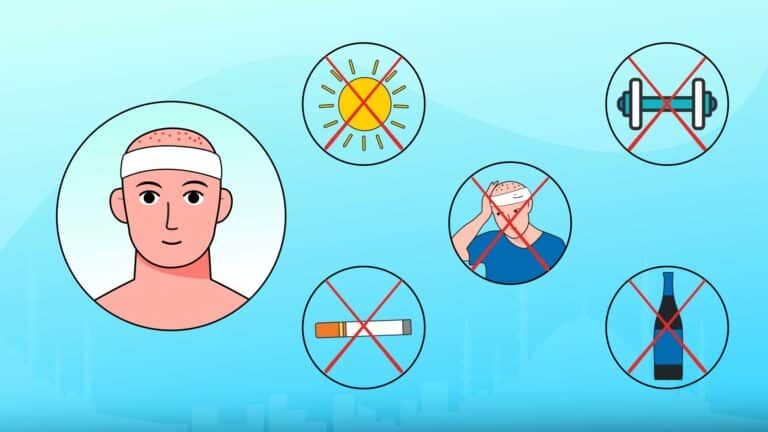
By Prof. Dr. Soner Tatlıdede · October 2026 Congratulations on completing your hair transplant. While the surgical part is finished, the success of your restoration now depends heavily on the recovery phase. In our clinical experience, the first two weeks post-surgery are just as critical as the procedure itself. Understanding what to avoid after a hair transplant […]
Scalp psoriasis and seborrheic dermatitis are chronic inflammatory conditions that frequently cause discomfort, itching, redness, and scaling. For individuals experiencing hair thinning alongside these conditions, severe anxiety often arises regarding permanent follicle loss and the feasibility of hair restoration. A central concern among patients is whether undergoing a hair transplant while managing scalp psoriasis is […]


Thank you!
Your details have been successfully submitted. Thanks!