


The Ultimate Guide to Low Porosity Hair Products: Science, Care, and Medical Truths
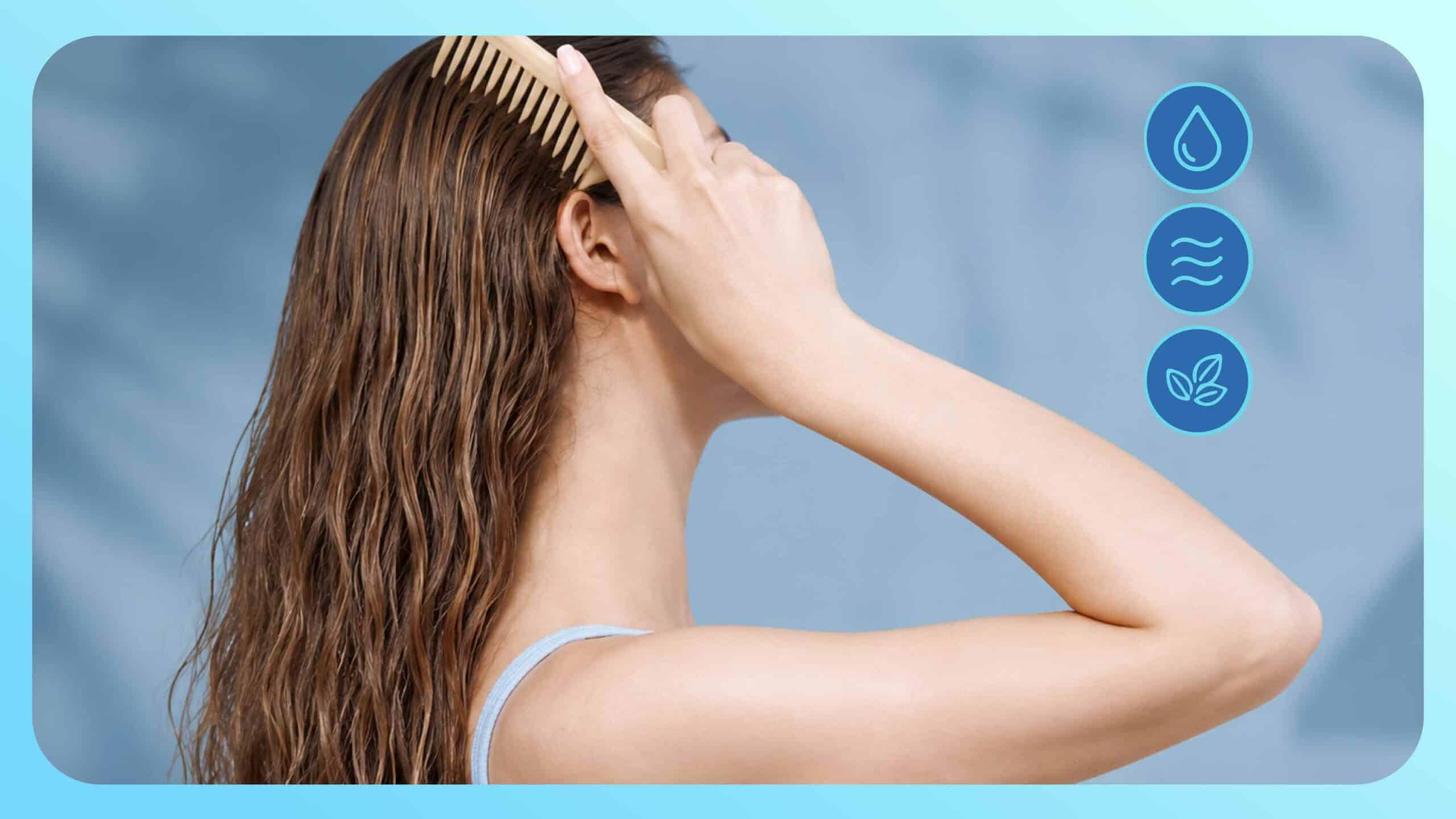
Medical Review by: Prof. Dr. Soner Tatlıdede – August 2026
Struggling with hair that feels perpetually dry despite using rich moisture treatments? If products seem to sit on top of your strands, forming a greasy layer rather than soaking in, or if your hair takes half a day to air-dry, you are likely dealing with low porosity hair.
Navigating the market for low porosity hair products requires understanding the microscopic structure of your hair fiber. Choosing the wrong formulas leads to severe product build-up and scalp congestion.
More importantly, it is crucial to understand where topical care ends and where clinical medical intervention becomes necessary for your hair health.
What Is Hair Porosity and Why Does It Matter?
Hair porosity describes your hair strand’s ability to absorb, transport, and retain moisture. This characteristic is governed entirely by the outer protective layer of the hair shaft: the cuticle.
Cuticular scales overlap like shingles on a roof. Their structural arrangement dictates how easily water and cosmetic ingredients pass into the inner cortex.
- Low Porosity: The cuticular scales are flat, tightly bound, and seamless. This structure acts as a strict hydrophobic barrier. Water and nutrients struggle to penetrate, but once moisture is inside, it stays locked in.
- Medium Porosity: The cuticle layer is moderately loose, allowing ideal moisture absorption and retention with minimal effort.
- High Porosity: The cuticles feature gaps, tears, or high lift—often caused by chemical processing or thermal damage. Water enters rapidly but evaporates almost instantly, leaving hair brittle.
The At-Home Water Float Test: Step-by-Step
Before investing in specialized hair care products, confirm your porosity level at home with a simple physics-based test.
Home Water-Float Test Process
| Step 1 | Step 2 | Step 3 | Result | |||
|---|---|---|---|---|---|---|
| Clean Shed Hair | ➜ | Drop in Room-Temp Water | ➜ | Wait 5 Mins | ➜ | Floats = Low Porosity |
- Cleanse a Strand: Take a shed hair strand from your brush and wash it with a single drop of clarifying shampoo to remove lingering silicones or oils.
- Submerge in Water: Fill a clear glass with room-temperature water and drop the clean hair strand onto the surface.
- Observe the Position: Let it sit undisturbed for 3 to 5 minutes.
Interpreting Your Results
- Floats on Top: Low Porosity. The tight cuticle layer prevents water from penetrating the shaft within the timeframe.
- Sinks to the Middle: Medium Porosity. Balanced absorption.
- Sinks to the Bottom Quickly: High Porosity. The hair shaft quickly absorbs water due to open cuticles.
Ingredient Strategy: What to Choose vs. What to Avoid
Because low porosity hair actively repels heavy formulations, dense creams and occlusive oils coat the exterior rather than hydrating the cortex. This causes excess product build-up and sebum accumulation, clogging hair follicles and weighing hair down.
| Category | Recommended Formulation & Ingredients | Ingredients to Avoid |
|---|---|---|
| Base & Hydrators | Liquid, water-based formulas (Aqua as 1st ingredient), Humectants (Glycerin, Aloe Vera, Honey, Panthenol) | Heavy butter bases (Shea butter, Cocoa butter, Mango butter), Thick waxes |
| Conditioners & Oils | Light weight, high-penetration oils (Argan oil, Jojoba oil, Sweet Almond oil, Grape seed oil) | Heavy mineral oils, Non-water-soluble silicones (Dimethicone), High-concentration heavy proteins |
| Cleansers | Gentle sulfate-free clarifying shampoos (used bi-weekly to remove scale build-up) | Co-washes or heavy conditioning creams used as cleansers |
The Thermal Activation Technique
Because low porosity cuticles are structurally closed, indirect heat is required to mechanically open them. When applying deep conditioning treatments or lightweight oils:
- Use a warm shower cap or thermal heat cap for 15–20 minutes.
- Rinse treatments with warm water to maintain open cuticles, followed by a cool rinse only at the final step to lock in hydration.
The Medical Reality: Porosity vs. Biological Hair Loss
A common point of confusion among patients visiting Clinicana is the difference between hair texture/moisture issues and true hair loss.
- Low Porosity Care: Modifies the physical and chemical state of the dead hair shaft above the scalp surface. Proper low porosity products improve elasticity, shine, and manageability, reducing mechanical breakage.
- Biological Hair Thinning (Androgenetic Alopecia): Originates deep beneath the scalp surface within the live hair follicle.
If you are experiencing a receding hairline, thinning at the crown, or a widening part, changing your shampoo or buying lightweight oils will not resolve the issue. Pattern baldness is driven by Dihydrotestosterone (DHT), a hormone that causes follicular miniaturization.
During miniaturization, the blood supply to the follicle shrinks, producing progressively finer hair until the follicle completely stops generating new growth.
Key Clinical Distinction: Low porosity products solve dryness and surface build-up on existing hair strands. They cannot reactivate miniaturized hair follicles or reverse genetic hair loss.
Clinical Diagnosis and Hair Restoration Solutions at Clinicana
When hair loss is driven by underlying biological factors, medical interventions are required to protect existing hair and restore lost density.
At Clinicana Hair Transplant Center—operating within the JCI-accredited Acıbadem Hospital in Istanbul, Turkey—our medical team provides comprehensive diagnostic and therapeutic solutions.
1. Non-Surgical Medical Therapies
For early-stage hair thinning or post-operative follicle support:
- Platelet-Rich Plasma (PRP) Therapy: Autologous plasma enriched with growth factors is micro-injected into the scalp to stimulate microcirculation, strengthen weak follicles, and prolong the anagen (growth) phase.
- Scalp Mesotherapy: Customized formulations of vitamins, minerals, and DHT-inhibiting compounds delivered directly to the dermal papilla.
2. Surgical Hair Transplantation
When hair follicles have permanently ceased production due to advanced miniaturization, non-surgical products and therapies can no longer recreate density. Surgical transplantation remains the definitive solution:
- Micro-FUE (Follicular Unit Extraction): Individual, DHT-resistant hair grafts are harvested from the donor area (back of the head) and implanted into thinning zones with natural angulation.
- DHI (Direct Hair Implantation): Utilizing Choi Implanter Pens for precise control over density and placement without requiring prior channel incision, ideal for filling sparse areas around existing hair.
Take the Next Step for Your Hair Health
Distinguishing between hair care needs (like low porosity management) and biological hair loss is the first step toward effective treatment. While the right lightweight products will keep your hair fiber healthy and resilient, clinical expertise is required to solve persistent density loss.
If you are experiencing ongoing hair thinning or want an expert medical opinion on your hair loss stage, contact Clinicana today for a free, confidential online consultation with our medical specialists.


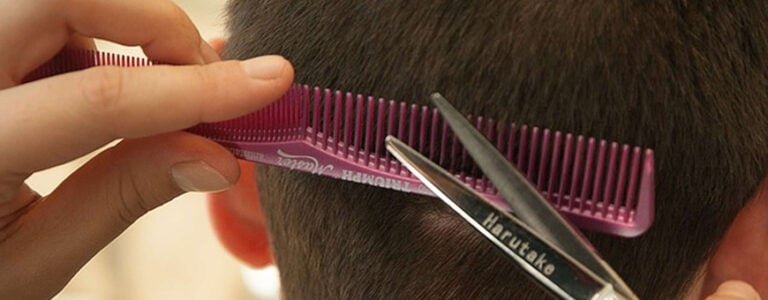
By Prof. Dr. Soner Tatlıdede · October 2026 When can you cut your hair after a hair transplant? Hair in the donor area can be trimmed after 1 month using scissors or clippers. As for the recipient area, trimming only the ends of the hair using scissors is permitted after 2 months. However, you must wait at […]
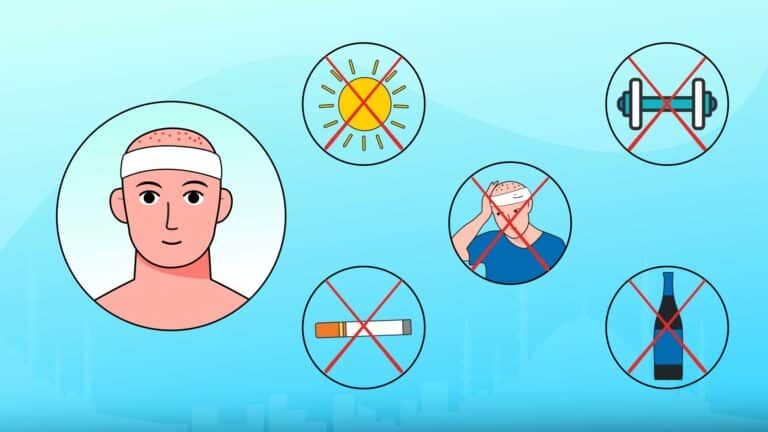
By Prof. Dr. Soner Tatlıdede · October 2026 Congratulations on completing your hair transplant. While the surgical part is finished, the success of your restoration now depends heavily on the recovery phase. In our clinical experience, the first two weeks post-surgery are just as critical as the procedure itself. Understanding what to avoid after a hair transplant […]
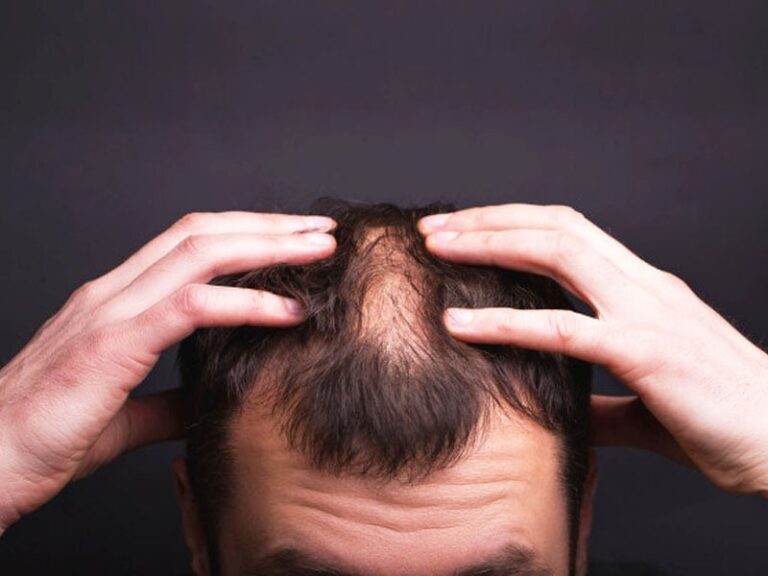
Scalp psoriasis and seborrheic dermatitis are chronic inflammatory conditions that frequently cause discomfort, itching, redness, and scaling. For individuals experiencing hair thinning alongside these conditions, severe anxiety often arises regarding permanent follicle loss and the feasibility of hair restoration. A central concern among patients is whether undergoing a hair transplant while managing scalp psoriasis is […]


Thank you!
Your details have been successfully submitted. Thanks!