


The 4 Hair Types: Follicle Biology, Care, and Hair Transplant Success
Medical Review by: Prof. Dr. Soner Tatlıdede – September 2026
Quick Summary (TL;DR)
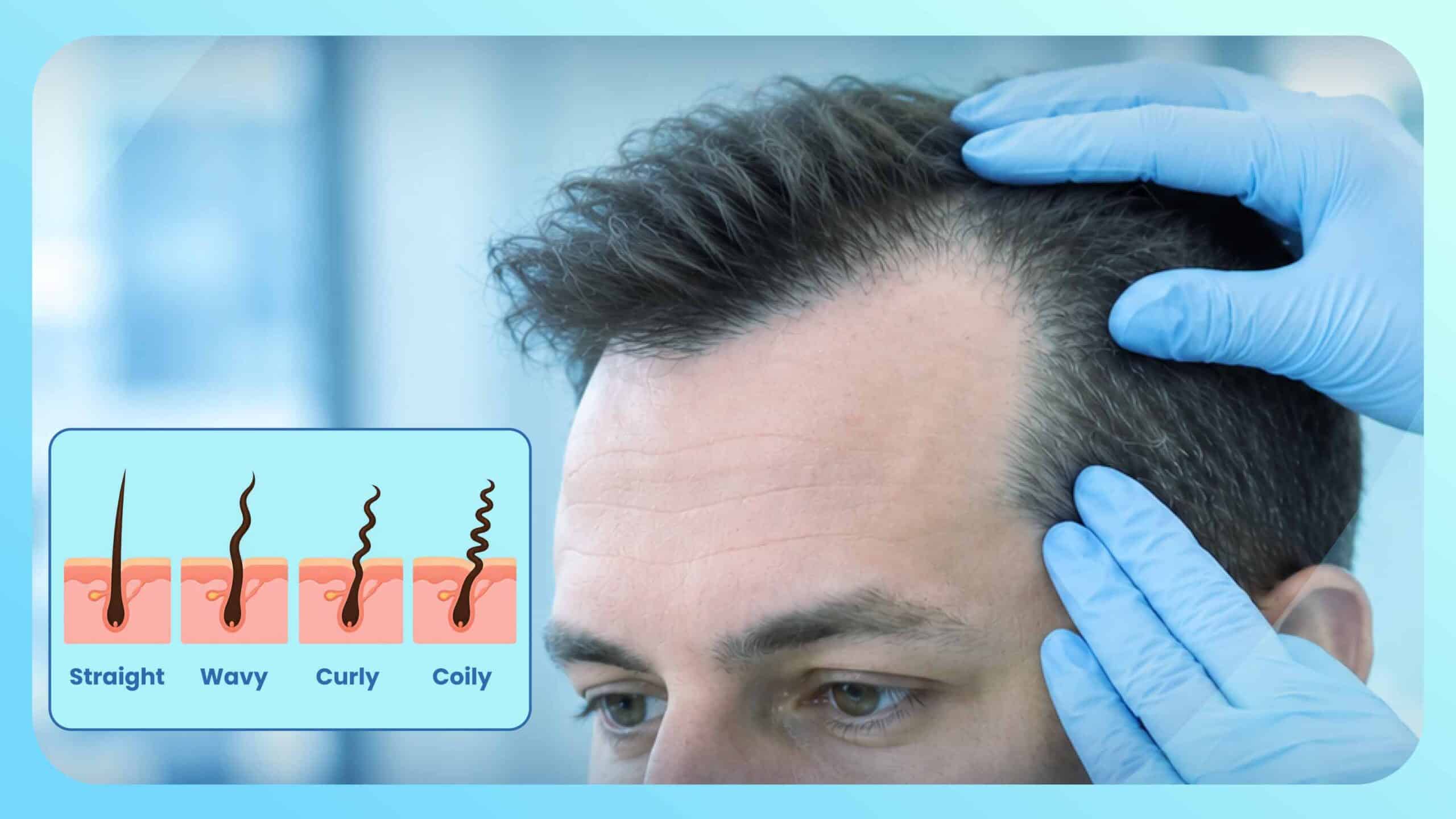
Hair types are globally categorized into four main classes—Type 1 (Straight), Type 2 (Wavy), Type 3 (Curly), and Type 4 (Coily/Afro-textured)—determined by the biological shape and exit angle of the hair follicle beneath the scalp surface.
While straight hair grows from round, perpendicular follicles, curly and afro-textured hair emerges from oval or hook-shaped spiral follicles. Understanding your hair type goes far beyond cosmetic styling; it profoundly dictates surgical planning during hair transplantation.
Type 4 hair provides superior optical density coverage but requires specialized curved micro-punches (FUE) and precise DHI placement to avoid graft transection. Conversely, fine Type 1 hair requires higher graft counts and tight channel placement to build natural visual volume.
Introduction: Why Understanding Your Hair Type Matters
When evaluating hair health, routine care, or potential hair loss treatments, most individuals focus primarily on external appearance, volume, or length. However, human hair exhibits remarkable diversity rooted deep within the sub-dermal biology of the scalp.
From bone-straight strands to tight, spring-like curls, your specific hair type is a genetically predetermined physical characteristic governed by complex anatomical structures.
At Clinicana Hair Transplant Center in Istanbul, we emphasize that identifying your hair classification is the critical first step toward effective scalp care and successful surgical restoration.
Whether you are selecting daily maintenance products, addressing localized thinning, or exploring permanent surgical options such as Sapphire FUE Hair Transplants or Direct Hair Implantation (DHI), your hair type plays a central role in determining biological behavior, graft survival, and overall visual density.
This comprehensive medical guide explores the universal 4-type hair classification system, delves into the underlying follicle anatomy that creates curl patterns, outlines targeted care strategies, and examines how hair texture influences modern hair transplantation protocols.
The Biological Determinants: Follicle Shape & Subcutaneous Angle
To understand why hair grows straight, wavy, or coily, one must look below the epidermal surface of the scalp. The visible hair shaft is an inert, keratinized structure; its wave, curl, and thickness are dictated entirely by the anatomy of the living hair follicle and the micro-architecture of the dermal pore.
Two primary physiological factors govern your natural hair type:
1. Cross-Sectional Follicle Geometry
The internal shape of the follicular opening determines the cross-sectional geometry of the hair strand as it synthesizes keratin:
- Circular Follicles: Produce perfectly round hair shafts, resulting in Type 1 straight hair.
- Oval / Elliptical Follicles: Produce flattened, asymmetrical shafts that bend as they grow, creating Type 2 (wavy) and Type 3 (curly) patterns.
- Asymmetrical / Ribbon-like Follicles: Produce highly compressed, elliptical shafts that twist tightly upon exiting the scalp, characteristic of Type 4 hair.
2. Subcutaneous Curvature & Angle of Growth
Straight hair follicles descend vertically into the dermis at a clean, perpendicular angle relative to the scalp surface. In contrast, textured and afro-textured hair follicles do not grow straight down[.
Beneath the skin, Type 4 follicles curve like a C-shape or a J-hook. As the growing hair shaft travels through this curved subcutaneous tunnel, it undergoes uneven cell distribution and internal tension, causing it to emerge in tight spirals or sharp Z-shaped angles[.
The 4 Hair Types System (Andre Walker Classification)
The standard medical and trichological framework used worldwide to classify human hair is the Andre Walker Hair Typing System.
This system categorizes hair into four distinct primary groups (1 to 4), further divided into subcategories (A, B, and C) based on the tightness of the curl pattern and strand diameter.
Type 1: Straight Hair
Type 1 hair exhibits no natural curl or wave. Strands fall completely flat from the root to the tip.
- Subcategories:
- 1A: Extremely fine, soft, and thin strands with high shine but difficulty holding volume.
- 1B: Medium texture with more body and structural strength.
- 1C: Coarse, thick straight strands that are resistant to curling.
- Sebum Distribution: Because the hair shaft is completely straight, natural sebum produced by the sebaceous glands glides effortlessly down the entire strand. Consequently, Type 1 hair is prone to oiliness at the scalp, requiring frequent, gentle cleansing.
Type 2: Wavy Hair
Type 2 hair forms an S-shaped pattern, sitting comfortably between straight and curly classifications.
- Subcategories:
- 2A: Fine, loose, subtle waves that lie close to the head.
- 2B: Defined S-shaped waves starting midway down the shaft, prone to slight frizz.
- 2C: Thick, coarse waves starting directly at the root, borderline curly.
- Care Dynamics: Type 2 hair requires a balance of light hydration and volume-enhancing formulas to maintain wave definition without weighing down the roots.
Type 3: Curly Hair
Type 3 hair features clear, well-defined spiral curls or ringlets that loop continuously.
- Subcategories:
- 3A: Large, loose, shiny ringlets about the width of sidewalk chalk.
- 3B: Springy, tighter corkscrew curls with moderate volume and density.
- 3C: Dense, tightly packed corkscrews or pencil-width curls with high structural volume.
- Hydration Challenges: The spiral shape makes it difficult for natural scalp oils to travel down the shaft. Type 3 hair is naturally prone to localized dryness, requiring leave-in conditioners and sulfate-free cleansers.
Type 4: Coily / Afro-Textured Hair
Type 4 hair is characterized by extremely tight, compact curl patterns ranging from tight corkscrews to sharp Z-shaped angles.
- Subcategories:
- 4A: Tightly coiled S-pattern curls that retain visible moisture and soft elasticity.
- 4B: Z-shaped patterns with sharp angles rather than defined rings, experiencing up to 70% length shrinkage.
- 4C: Ultra-dense, fragile Z-coils with minimal visible curl definition, extreme shrinkage, and high susceptibility to dryness.
- Structural Fragility: Despite its voluminous appearance, Type 4 hair has the fewest cuticle layers and highest structural vulnerability, making it prone to breakage if handled aggressively.
Comparative Analysis: Hair Types, Follicle Anatomy & Surgical Impact
To visualize how different hair types interact with surgical protocols, consider the following clinical comparison:
| Hair Type | Subcutaneous Follicle Shape | Natural Sebum Distribution | Optical Density Coverage | Surgical Challenge in Hair Transplantation |
|---|---|---|---|---|
| Type 1 (Straight) | Straight & Vertical (Round cross-section) | Rapid & High (Prone to oiliness) | Low to Moderate (Light reflects easily onto scalp) | Requires higher graft density per cm² to build visual thickness. |
| Type 2 (Wavy) | Slightly Angled (Symmetrical Oval) | Moderate & Even | Moderate to Good | Requires matching natural wave direction along frontal hairline. |
| Type 3 (Curly) | Curved / Curved Path (Asymmetrical Oval) | Low to Moderate (Prone to dry ends) | High (Curls interlock to block light) | Must account for subterranean curvature during FUE micro-extraction. |
| Type 4 (Coily / Afro) | Hooked / Spiral (Elliptical Ribbon) | Very Low (High risk of dryness) | Exceptional (Maximum visual coverage per graft) | High risk of transection; requires specialized curved micro-punches. |
The Impact of Hair Types on Hair Transplantation Success
At Clinicana, one of the most vital surgical evaluations performed during patient consultations is assessing hair type, caliber, and curl pattern.
While modern automated marketing claims suggest that hair transplants are identical for every patient, clinical reality proves otherwise. Hair texture fundamentally alters extraction dynamics, incision angles, and graft requirements.
SURGICAL ADAPTATION BY HAIR CLASSIFICATION
1. Surgical Considerations for Type 4 (Afro-Textured & Coily Hair)
Transplanting afro-textured hair is widely recognized in trichological surgery as a highly specialized field.
- The Transection Challenge: Because Type 4 follicles curve underneath the skin like a hook or spiral, inserting a standard straight micro-punch during Follicular Unit Extraction (FUE) risks severing the root bulb beneath the dermis. This is known as follicular transection
- Surgical Solution at Clinicana: To protect subterranean root integrity, our surgical team utilizes specialized curved micro-punches (oscillating/curved FUE tools) and wider diameter punches (0.85mm–0.95mm).
- Implantation via DHI: Using Direct Hair Implantation (DHI Choi Pens) allows surgeons to insert curved grafts gently without manually bending or crushing the root bulb.
- The Density Advantage: Type 4 hair provides the highest optical coverage. Because each curly hair shaft lifts and coils, 2,500 Type 4 grafts can create the visual illusion of 4,000 straight hair grafts.
2. Surgical Considerations for Type 1 & 2 (Straight & Fine Hair)
While Type 1 straight hair is the easiest to extract with minimal transection rates, it presents distinct aesthetic challenges.
- The Coverage Challenge: Straight hair shafts lie flat against the scalp, allowing light to easily reflect off the skin. This makes underlying thinning more noticeable.
- Surgical Solution: Achieving natural, full-density coverage in Type 1 hair requires higher graft counts per square centimeter (35 to 45 FU/cm^2).
- Sapphire Channel Opening: Surgeons must use ultra-sharp gem-grade blades via Sapphire FUE to create dense, micro-incisions at acute natural growth angles (15 to 30 degrees). This prevents transplanted straight hair from growing perpendicularly upright like stiff hedgehog bristles.
3. Surgical Considerations for Type 3 (Curly Hair)
Type 3 hair offers a balance between extraction ease and optical coverage.
- Channel Direction Alignment: When opening recipient channels for Type 3 hair, the surgical team must align channel angles with the natural curl pattern of neighboring native hair. Incorrect channel alignment can cause transplanted curls to grow in chaotic, opposing directions, creating styling difficulty.
Daily Care & Maintenance Protocols Based on Hair Type
Healthy hair growth begins with maintaining optimal scalp health and selecting proper care regimens tailored to your specific hair classification.
Care for Type 1 (Straight Hair)
- Cleansing: Use mild, clarifying sulfate-free shampoos 3–4 times weekly to prevent excess sebum accumulation at the root.
- Conditioning: Apply lightweight conditioners strictly to the ends; avoid applying heavy oils directly to the scalp.
- Scalp Health: Incorporate light scalp exfoliation to clear micro-sebum plugs that can inflame follicle pores.
Care for Type 2 (Wavy Hair)
- Hydration: Use hydrating shampoos combined with anti-frizz leave-in conditioners.
- Drying: Avoid aggressive towel rubbing, which snaps fragile strands. Utilize microfiber towels or gentle air-drying.
Care for Type 3 & Type 4 (Curly & Coily Hair)
- Moisture Retention: Wash hair 1–2 times weekly using deeply moisturizing, sulfate-free co-wash cleansers.
- Protective Oils: Apply natural botanical oils (such as jojoba or argan oil) to seal moisture along the outer cuticle.
- Mechanical Friction: Protect hair during sleep using silk or satin pillowcases to minimize nighttime friction and cuticle damage.
Frequently Asked Questions
Can my hair type change over time?
Yes. While genetic programming dictates baseline hair type, hormonal shifts (such as puberty, pregnancy, or aging), severe stress, nutritional deficits, and medications can alter follicle shape and texture over time.
Is hair transplant success lower for Afro-textured (Type 4) hair?
No. When performed in specialized medical centers using proper curved extraction tools and DHI Choi pens, graft survival rates for Type 4 hair are fully equal to straight hair (achieving 90–95% viability).
However, choosing an inexperienced team unfamiliar with curved subterranean roots increases transection risks.
Does curly hair require fewer grafts than straight hair during a transplant?
Yes, visually speaking.
Because curly and coily hair shafts bend and interlock over the scalp, they block light reflection far more effectively than flat, straight hair. As a result, patients with Type 3 or Type 4 hair often require fewer total grafts to achieve dense visual coverage compared to fine, straight hair.
Can a hair transplant alter my natural curl pattern?
Transplanted hair retains its original genetic characteristics from the donor area (donor dominance).
If your donor hair at the back of the head is curly, it will grow as curly hair in the recipient area.
During early regrowth (months 3 to 6), newly emerging strands may temporarily feel coarser, but they settle into their natural texture as the follicle matures fully around month 12.
Conclusion & Medical Support
Understanding your unique hair type provides the clarity needed to build an effective care routine and make informed decisions regarding hair preservation and surgical restoration.
Whether you possess fine Type 1 straight hair or tightly coiled Type 4 afro-textured hair, successful treatment relies on respecting the biological architecture of your scalp.
Medical Disclaimer & Review
Medical Disclaimer: The information provided in this article is intended strictly for educational and informational purposes and does not substitute for professional medical advice, clinical diagnosis, or treatment plans.
Scalp biology, follicle curvature, donor density, and hair loss progression vary significantly across different individuals.
Medical Review Conducted by: Prof. Dr. Soner Tatlıdede, Lead Plastic Surgeon and Hair Restoration Specialist at Clinicana Hair Transplant Center, Istanbul. with over 22 years of clinical experience and 18,947 successful hair restoration procedures.
Academic & Clinical References
- National Center for Biotechnology Information (NCBI): Hair Shaft Morphology, Follicular Architecture, and Racial Variations in Hair Biology.
- Journal of Cutaneous and Aesthetic Surgery: Surgical Management and Extraction Protocols in Textured and Afro-Textured Hair Restoration.
- International Society of Hair Restoration Surgery (ISHRS): Anatomical Considerations in Follicular Unit Extraction: Managing Follicular Curvature and Transection Rates.
- Dermatologic Surgery Journal: The Role of Follicular Angle and Cross-Sectional Geometry in Hair Transplantation Outcomes.


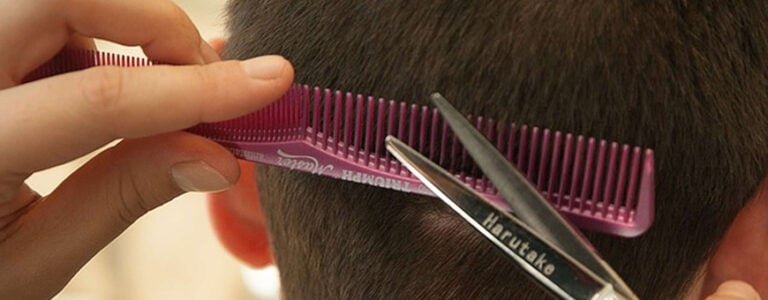
By Prof. Dr. Soner Tatlıdede · October 2026 When can you cut your hair after a hair transplant? Hair in the donor area can be trimmed after 1 month using scissors or clippers. As for the recipient area, trimming only the ends of the hair using scissors is permitted after 2 months. However, you must wait at […]
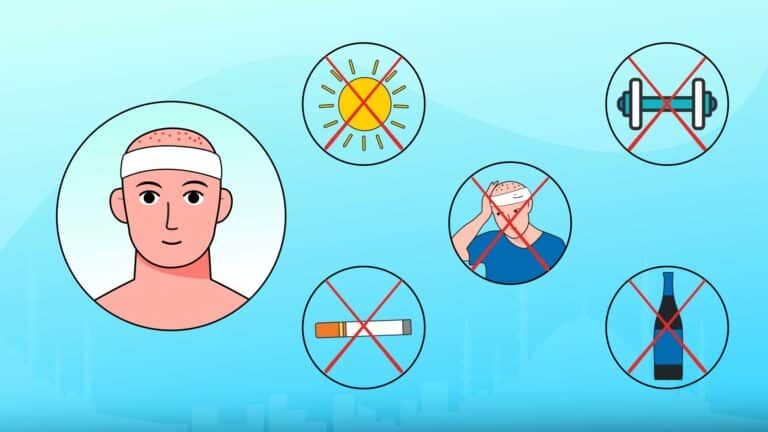
By Prof. Dr. Soner Tatlıdede · October 2026 Congratulations on completing your hair transplant. While the surgical part is finished, the success of your restoration now depends heavily on the recovery phase. In our clinical experience, the first two weeks post-surgery are just as critical as the procedure itself. Understanding what to avoid after a hair transplant […]
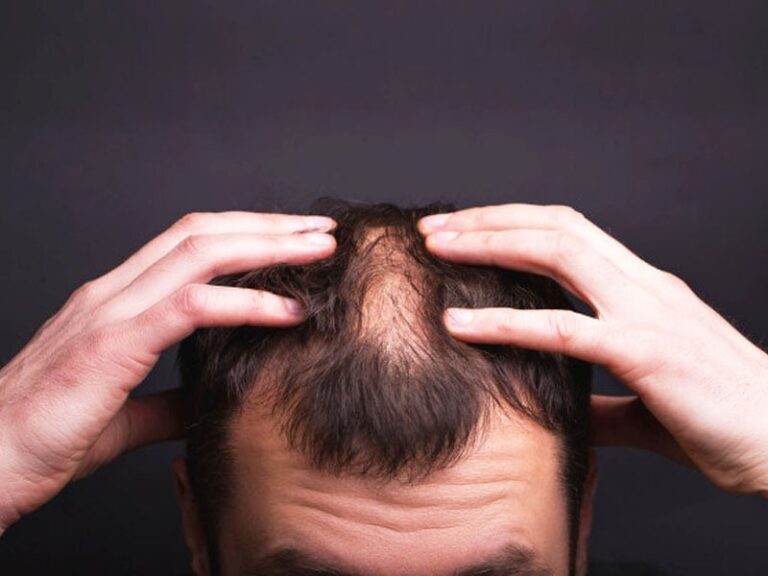
Scalp psoriasis and seborrheic dermatitis are chronic inflammatory conditions that frequently cause discomfort, itching, redness, and scaling. For individuals experiencing hair thinning alongside these conditions, severe anxiety often arises regarding permanent follicle loss and the feasibility of hair restoration. A central concern among patients is whether undergoing a hair transplant while managing scalp psoriasis is […]


Thank you!
Your details have been successfully submitted. Thanks!