


What Is Low Porosity Hair? Biology, Characteristics, and Home Tests
Medical Review by: Prof. Dr. Soner Tatlıdede – September 2026
Quick Summary Table (At-a-Glance Overview)
| Diagnostic Parameter | Low Porosity Hair (Tightly Closed) | High Porosity Hair (Lifted / Damaged) |
|---|---|---|
| Cuticle Alignment | Flat, tightly overlapping, roof-shingle arrangement | Raised, chipped, widely spaced, or damaged cuticle scales |
| Water Absorption Speed | Very slow; water beads up and repels initially | Instantaneous absorption; wets almost immediately |
| Drying Time | Takes hours to dry once thoroughly saturated | Dries rapidly as moisture evaporates quickly |
| Product Behavior | Prone to surface buildup, white film, and heaviness | Absorbs product rapidly but loses hydration fast |
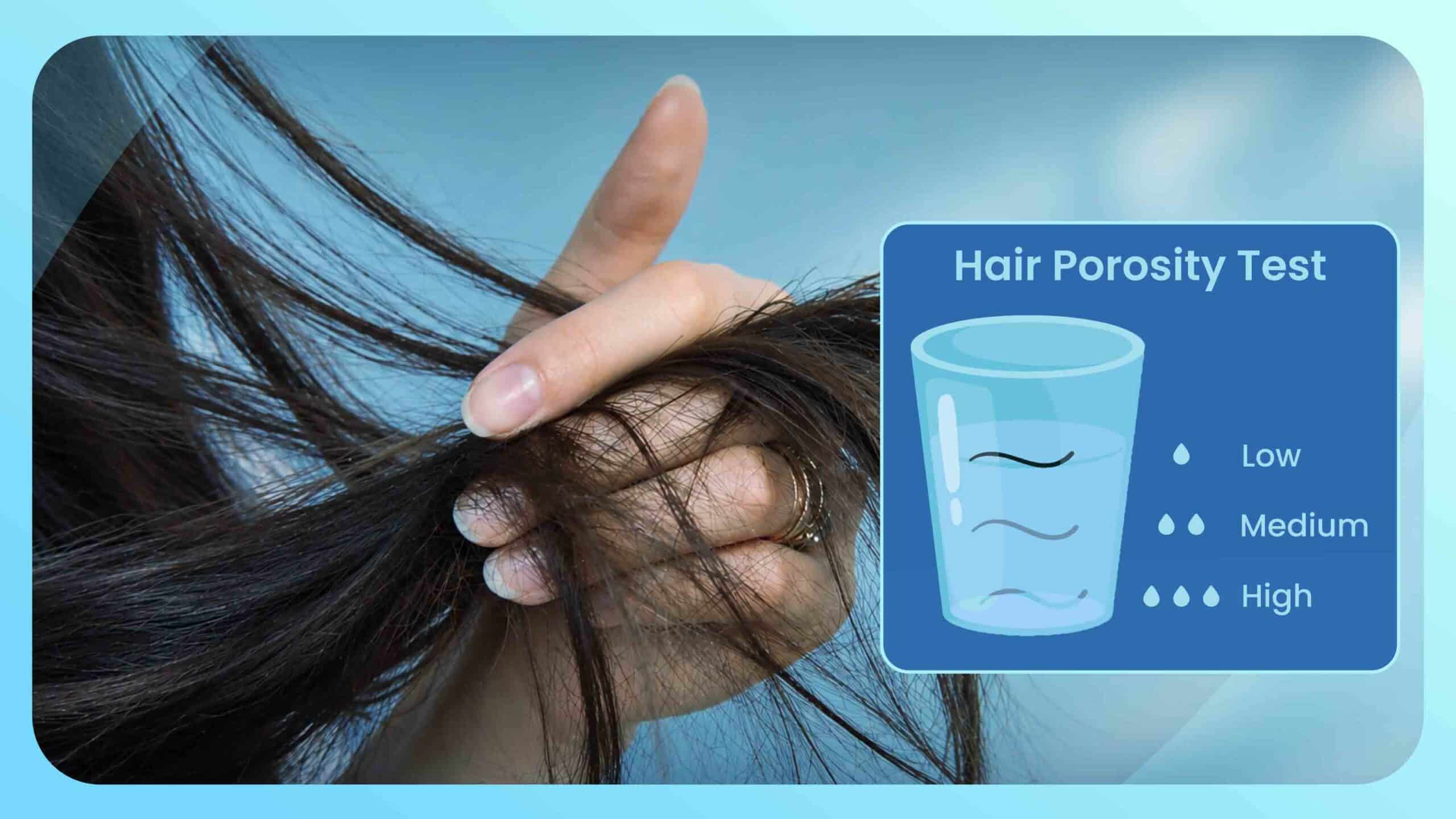
| The Water Float Test | Floats at the top of the glass indefinitely | Sinks rapidly to the bottom of the glass |
| Dermatological Nature | Structural hair shaft trait (Not a disease/loss cause) | Often chemical, heat, or environmental damage |
What Is Low Porosity Hair?
Low porosity hair refers to hair strands with tightly bound, overlapping cuticle layers that lie flat, making it difficult for moisture to enter or escape.
This anatomical structure creates a natural hydrophobic barrier, causing water and hair products to bead up on the surface rather than absorb easily into the inner hair shaft.
Understanding Hair Porosity from a Scientific Perspective
When addressing hair health, texture, and daily manageability, many individuals struggle with persistent dryness, product buildup, or difficulty achieving hydration despite using expensive conditioners.
In the field of trichology and clinical hair biology, these characteristics often stem from a fundamental physiological property: hair porosity.
Understanding what is low porosity hair requires looking beneath superficial cosmetic claims and examining the microscopic architecture of the hair shaft.
Hair porosity describes your hair strand’s ability to absorb, retain, and transfer moisture, liquids, and topical formulations into its innermost cortex layer.
At Clinicana Hair Transplant Center in Istanbul, under the medical direction of Prof. Dr. Soner Tatlıdede, we emphasize that porosity is a structural property of the hair shaft (the non-living outer strand), not a disease of the scalp or an indicator of hair follicle health.
This educational guide explores the anatomical structure of low porosity hair, details its primary signs and characteristics, explains how to perform reliable self-diagnostic home tests, and clarifies the vital medical boundary between hair shaft porosity and clinical hair loss conditions such as androgenetic alopecia.
The Biological Anatomy: How the Cuticle Layer Dictates Porosity
To understand why low porosity hair behaves the way it does, one must examine the three distinct anatomical layers that constitute human hair strand structure:
- The Medulla: The innermost core of the hair shaft, composed of soft, spongy cells and air spaces (often absent in very fine hair).
- The Cortex: The thick middle layer containing keratin protein bundles, structural bonds, and melanin pigments responsible for hair strength, elasticity, and color.
- The Cuticle: The outermost protective shield, comprised of dead, overlapping keratinized scales arranged like shingles on a roof or scales on a pinecone.
THE ANATOMICAL CUTICLE CONFIGURATION OF LOW POROSITY HAIR
In low porosity hair, these cuticle scales lie completely flat, seamless, and tightly packed against one another. Because there are minimal gaps between the cuticle scales, the hair shaft forms a natural, hydrophobic barrier.
While this structure makes low porosity hair naturally shiny, smooth, and highly resistant to mechanical friction or environmental weathering, it also prevents water molecules and lipid-based moisturizers from passing through to the inner cortex.
Key Signs and Observable Characteristics of Low Porosity Hair
Identifying whether your hair has low porosity involves observing how it interacts with water, humidity, hair dyes, and daily cosmetic formulations:
1. Slow Water Absorption (Repelling Hydration)
When entering the shower or attempting to wet low porosity hair, water does not absorb immediately. Instead, droplets sit on top of the hair shaft or roll off like water on a freshly waxed surface. It takes several minutes of continuous immersion or mechanical manipulation under running water to fully saturate the strands.
2. Prolonged Drying Time
Once low porosity hair is thoroughly saturated with water, the tightly closed cuticle scales lock that moisture inside the shaft. Consequently, air-drying low porosity hair can take anywhere from 4 to 8 hours (and sometimes an entire day depending on strand density and thickness).
3. Surface Product Buildup (Build-Up Sensitivity)
Because heavy creams, butter, thick botanical oils, and protein treatments cannot breach the flat cuticle barrier, they accumulate on the outer shaft surface. This leads to visible residue, stiffness, dullness, or a greasy feeling shortly after washing.
4. Resistance to Chemical Treatments and Hair Dyes
Chemical processing—such as permanent coloring, bleaching, or perming—requires alkali solutions to swell and open the cuticle layer so chemical agents can react within the cortex.
Low porosity hair is naturally resistant to these processes, often requiring longer development times or specific thermal activation.
How to Check Your Hairline and Porosity at Home (Self-Diagnostic Tests)
Determining your hair porosity does not require expensive laboratory equipment. You can conduct two straightforward, reliable diagnostic tests at home:
HOME DIAGNOSTIC TEST PATHWAY: THE WATER FLOAT TEST
Test 1: The Water Float Test
- Preparation: Wash your hair with a clarifying shampoo to eliminate all surface oils, conditioners, and styling products. Allow a shed strand to air-dry completely.
- Execution: Fill a glass with room-temperature water. Place the clean hair strand gently onto the surface of the water.
- Observation: Watch the strand for 3 to 5 minutes:
- Low Porosity: The strand floats on top of the water indefinitely because its closed cuticles prevent water penetration.
- Medium Porosity: The strand floats in the middle of the glass.
- High Porosity: The strand absorbs water immediately and sinks to the bottom.
Test 2: The Slide / Texture Test
- Take a single dry hair strand between your thumb and index finger.
- Slide your fingers gently up the strand, moving from the tip toward the scalp (against the growth direction).
- Interpretation: If the strand feels completely smooth and slick without catching or feeling rough, your cuticle scales lie flat, indicating low porosity hair. If you feel distinct bumps or roughness, your cuticles are raised or damaged (high porosity).
The Medical Perspective: Separating Hair Porosity from Hair Loss
At Clinicana, a core clinical responsibility is clarifying misconceptions regarding hair structure versus scalp pathology. Patients frequently express concern that having low porosity hair will cause hair loss, thinning, or pattern baldness.
It is essential to understand the clinical distinction between hair shaft characteristics and hair follicle health:
- Hair Porosity is a Shaft Property: Porosity describes the dead keratin structure above the scalp level (the hair shaft). Low porosity is a natural, genetic trait that reflects healthy, intact cuticle plates. It is not a disease, a defect, or a cause of hair loss.
- Hair Loss is a Follicular Pathology: Conditions such as Androgenetic Alopecia (pattern baldness) or Telogen Effluvium occur sub-dermally at the living hair root (follicle). Genetic hair loss is driven by cellular sensitivity to Dihydrotestosterone (DHT), causing progressive follicular miniaturization—where the root shrinks and produces progressively finer hair, regardless of whether the hair shaft is low, medium, or high porosity.
If you are noticing increased scalp visibility, temporal recession, or a widening part line, these changes are caused by follicular miniaturization rather than low porosity hair.
For readers seeking detailed advice on choosing lightweight formulations, clarifying shampoos, and thermal application techniques for low porosity hair, explore our dedicated care guide:
The Ultimate Guide to Low Porosity Hair Products: Science, Care, and Medical Truths
Clinical Summary & Medical Recommendations
Understanding what is low porosity hair empowers individuals to tailor their daily hair care routines effectively, avoiding heavy, occlusive ingredients that cause surface buildup while employing gentle heat to encourage moisture penetration.
If your primary concern is managing texture and daily styling, adopting lightweight, water-based formulations will optimize hair health. However, if you are experiencing persistent shedding, loss of density, or receding hairlines, these issues require formal clinical evaluation by a hair restoration specialist.
At Clinicana Hair Transplant Center in Istanbul, we offer free, confidential medical consultations to evaluate scalp health, measure follicle density via digital trichoscopy, and differentiate cosmetic hair traits from treatable hair loss conditions. Contact our medical team today to receive a personalized diagnostic assessment.
Medical Disclaimer & Review
- Medical Disclaimer: The contents of this article are intended solely for educational, informational, and self-assessment purposes. They do not constitute formal medical diagnosis, dermatological advice, or clinical treatment plans. Individual hair shaft characteristics and underlying scalp conditions vary.
- Medical Review Conducted by: Prof. Dr. Soner Tatlıdede, Lead Hair Restoration Specialist at Clinicana Hair Transplant Center, Istanbul (22+ Years of Clinical Experience in Hair Restoration & Plastic Surgery).
Academic & Clinical References
- National Center for Biotechnology Information (NCBI): Hair Shaft Structure, Cuticle Morphology, and Porosity Dynamics in Human Hair.
- Journal of Cosmetic Science: Comparative Physical and Chemical Characteristics of Low vs. High Porosity Hair Shafts.
- International Society of Hair Restoration Surgery (ISHRS): Distinguishing Hair Shaft Structural Variations from Androgenetic Follicular Miniaturization.


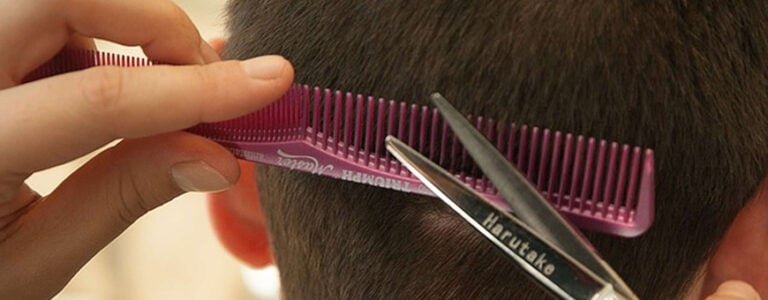
By Prof. Dr. Soner Tatlıdede · October 2026 When can you cut your hair after a hair transplant? Hair in the donor area can be trimmed after 1 month using scissors or clippers. As for the recipient area, trimming only the ends of the hair using scissors is permitted after 2 months. However, you must wait at […]
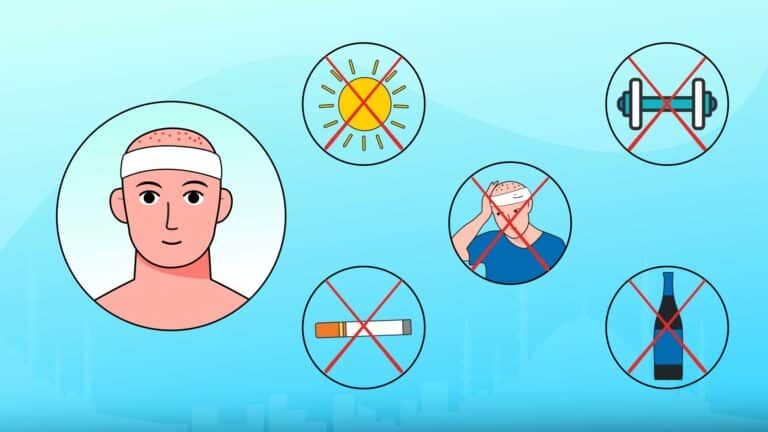
By Prof. Dr. Soner Tatlıdede · October 2026 Congratulations on completing your hair transplant. While the surgical part is finished, the success of your restoration now depends heavily on the recovery phase. In our clinical experience, the first two weeks post-surgery are just as critical as the procedure itself. Understanding what to avoid after a hair transplant […]
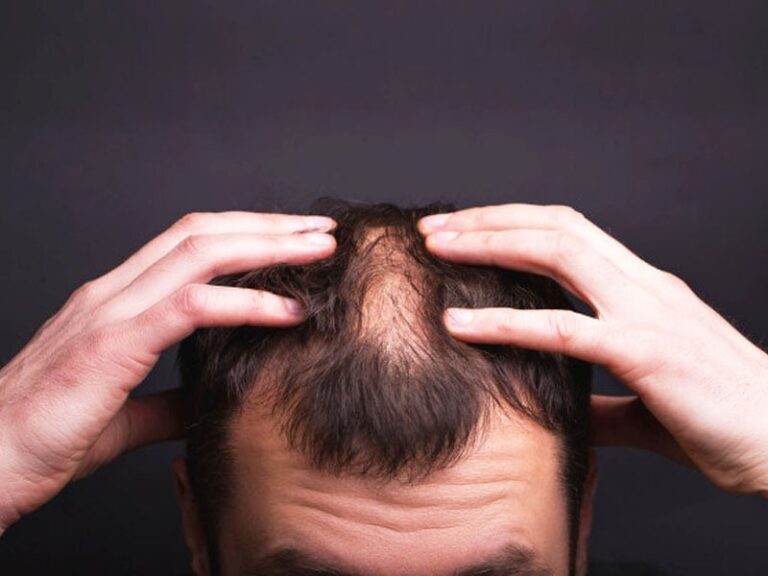
Scalp psoriasis and seborrheic dermatitis are chronic inflammatory conditions that frequently cause discomfort, itching, redness, and scaling. For individuals experiencing hair thinning alongside these conditions, severe anxiety often arises regarding permanent follicle loss and the feasibility of hair restoration. A central concern among patients is whether undergoing a hair transplant while managing scalp psoriasis is […]


Thank you!
Your details have been successfully submitted. Thanks!