


Female Pattern Baldness: Biological Causes, Ludwig Scale, and Treatments
Medical Review by: Prof. Dr. Soner Tatlıdede – September 2026
Direct Definition: What Is Female Pattern Baldness?
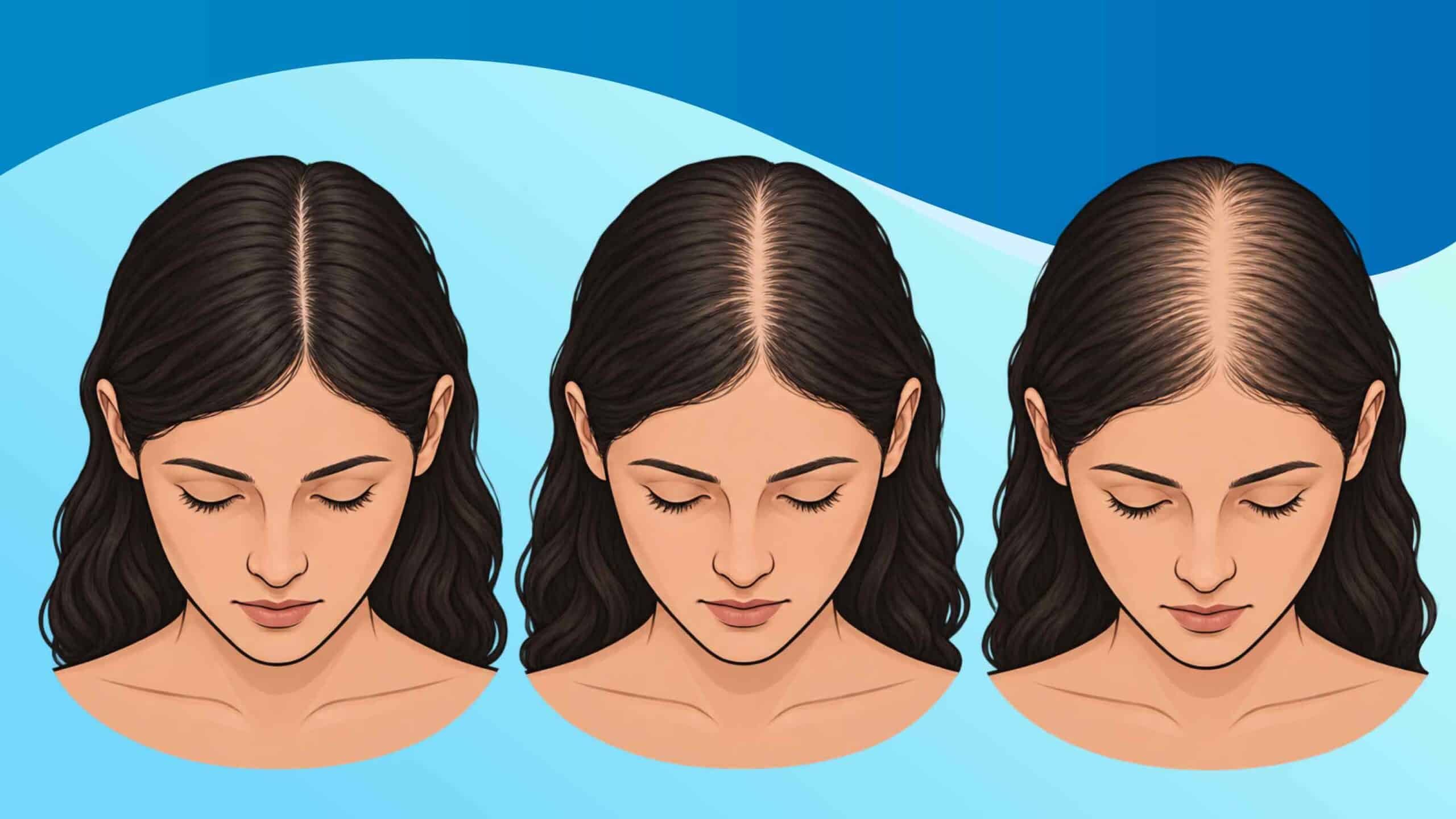
Female pattern baldness (androgenetic alopecia in women) is a genetically influenced condition characterized by progressive hair thinning across the vertex and widening of the central part line, while usually preserving the frontal hairline.
Unlike male pattern hair loss, which frequently causes receding temporal M-shapes or total crown balding, female pattern loss presents as diffuse thinning across the top of the scalp.
It affects millions of women worldwide—particularly following hormonal shifts such as pregnancy, polycystic ovary syndrome (PCOS), or menopause.
Understanding the precise clinical diagnosis and biological mechanisms is essential for choosing effective non-surgical therapies or determining candidacy for surgical hair restoration.
Navigating Female Hair Thinning with Medical Precision
Noticing an expanding central part line or a subtle loss of overall ponytail density can be deeply stressful. In modern clinical trichology, progressive hair thinning in women requires careful differential diagnosis.
At Clinicana Hair Transplant Center in Istanbul, under the medical direction of Prof. Dr. Soner Tatlıdede, we prioritize complete transparency and expectation management.
Clinically, only about 30% of women seeking hair transplants are ideal surgical candidates. Because female pattern baldness often involves generalized diffuse thinning that affects even the traditional donor area at the back of the head, a thorough hormonal and microscopic evaluation is mandatory before recommending any procedure.
Diagnostic Framework: The Ludwig Scale for Female Hair Loss
Dermatologists and hair restoration specialists classify female pattern hair loss using the Ludwig Scale, which categorizes thinning into three main evolutionary stages:
THE LUDWIG SCALE: DIAGNOSTIC STAGES IN WOMEN
Biological Causes & Recommended Hormonal Screenings
Female pattern baldness is driven by a combination of genetic predisposition, local androgen sensitivity, and hormonal fluctuations:
- Androgen Sensitivity & 5-Alpha Reductase: Even with normal systemic androgen levels, hair follicles on the vertex may possess increased sensitivity to Dihydrotestosterone (DHT), causing progressive follicular miniaturization.
- Polycystic Ovary Syndrome (PCOS): Elevated free testosterone and LH/FSH ratios can accelerate androgenetic hair loss in young women.
- Menopausal & Post-Menopausal Shifts: Decreasing estrogen levels relative to circulating androgens can exacerbate central scalp thinning.
- Thyroid Imbalances & Micronutrient Deficits: Hypothyroidism, hyperthyroidism, and low serum ferritin (iron storage) can worsen underlying pattern loss.
Essential Pre-Treatment Hormonal Panel:
- Total & Free Testosterone, DHEA-S
- Thyroid Panel (TSH, Free T3, Free T4)
- Serum Ferritin, Vitamin D3, Vitamin B12, Zinc
Differential Diagnosis: Female Pattern Baldness vs. Telogen Effluvium
Distinguishing persistent pattern baldness from temporary shedding (Telogen Effluvium) is vital for prescribing the correct clinical protocol:
| Clinical Parameter | Female Pattern Baldness (AGA) | Telogen Effluvium (TE) |
|---|---|---|
| Primary Underlying Mechanism | Genetic sensitivity to androgens (DHT) & follicular miniaturization | Acute systemic stress, trauma, fever, or nutritional deficit |
| Shedding Pattern & Distribution | Gradual widening of central part line; frontal line preserved | Sudden, diffuse hair loss across the entire scalp en masse |
| Hair Shaft Quality | Miniaturized, thinner, shorter, peach-fuzz-like hairs | Full-thickness terminal hairs shed with intact bulbs |
| Reversibility & Recovery | Progressive; managed via topical therapy, PRP, or targeted surgery | Fully reversible once underlying systemic trigger is corrected |
Therapeutic Protocols & Candidacy for Clinicana
Managing female pattern baldness requires a tailored strategy combining non-surgical preservation with selective surgical restoration.
Non-Surgical Biological Protocols
- Topical & Oral Therapies: Formulations such as Minoxidil help prolong the active growth (Anagen) phase and increase local microcirculation.
- Platelet-Rich Plasma (PRP) Therapy: Concentrated growth factors derived from the patient’s blood are micro-injected into the scalp to reduce cellular stress and strengthen miniaturizing roots.
- Scalp Mesotherapy: Direct intradermal administration of bio-peptides, minerals, and amino acids to support keratin synthesis.
Surgical Candidacy: Who Qualifies for Female Hair Transplantation?
Women with localized, stable loss—such as stable Ludwig Type I/II with a dense donor region or those suffering from Traction Alopecia—can achieve outstanding outcomes.
For these qualified candidates, advanced techniques such as Direct Hair Implantation (DHI) allow precise placement between existing native hairs without requiring a full scalp shave.
To explore surgical requirements, eligibility criteria, and realistic expectations, review our dedicated service page:
Female Hair Transplant in Turkey: Techniques, Results, and Success Rates
When medical treatment is no longer enough and the donor area is stable, some women are candidates for a female hair transplant in Turkey.
Frequently Asked Questions (FAQ)
Can female pattern baldness cause complete baldness across the scalp?
No. Unlike male pattern loss, female pattern baldness rarely leads to complete balding. It primarily manifests as diffuse thinning across the crown and part line, usually leaving the frontal hairline intact.
Why aren’t all women candidates for hair transplant surgery?
Because female pattern loss frequently involves diffuse thinning across the entire head, the donor region at the back may also be affected by miniaturization. Transplanting weak donor hair yields unsatisfactory density, making comprehensive diagnostic screening necessary.
What is the advantage of DHI for female hair restoration?
Direct Hair Implantation (DHI) uses specialized Choi Implanter Pens that allow surgeons to insert grafts at precise angles directly between native hairs without shaving the entire head, preserving surrounding native hair strands.
Conclusion & Next Steps
Understanding the underlying biology of female pattern baldness allows you to approach care with clarity and confidence. Whether managing early thinning with non-surgical biological protocols or evaluating candidacy for advanced DHI restoration, accurate clinical diagnosis is the first step.
Request a Free Medical Evaluation from Clinicana
Are you unsure whether your hair thinning is temporary shedding or progressive female pattern baldness?
At Clinicana Hair Transplant Center in Istanbul, located within Academias Hospital, our medical team provides free, confidential online consultations.
Send clear photos of your central part line, crown, and donor area via WhatsApp to receive a personalized diagnostic assessment from our specialists within minutes.
Medical Disclaimer & Review
- Medical Disclaimer: The information provided in this article is strictly for educational purposes and does not substitute for professional medical advice, diagnosis, or treatment plans. Individual scalp conditions and hormonal factors vary.
- Medical Review Conducted by: Prof. Dr. Soner Tatlıdede, Lead Plastic Surgeon and Hair Restoration Specialist at Clinicana Center, Istanbul. With over 22 years of clinical experience and 18,947 successful hair restoration procedures.
Academic & Clinical References
- Journal of Cutaneous and Aesthetic Surgery: Female Pattern Hair Loss: Clinical Classification, Etiology, and Management[cite: 2, 9].
- National Center for Biotechnology Information (NCBI): Androgenetic Alopecia in Women: Pathophysiology and Hormonal Screenings[cite: 2, 11].
- International Society of Hair Restoration Surgery (ISHRS): Surgical Candidacy Criteria and Direct Hair Implantation (DHI) in Female Patients[cite: 2, 3, 9].
If you are considering surgery, see the treatment details on our female hair transplant page.


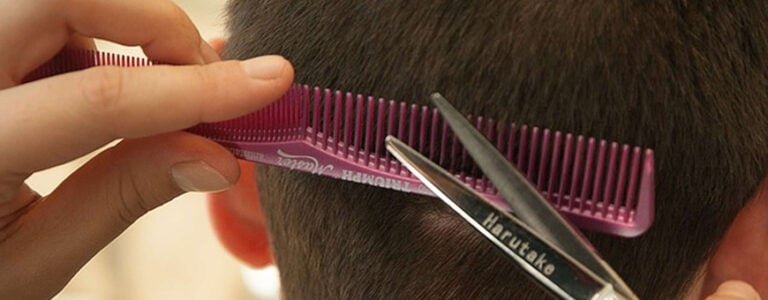
By Prof. Dr. Soner Tatlıdede · October 2026 When can you cut your hair after a hair transplant? Hair in the donor area can be trimmed after 1 month using scissors or clippers. As for the recipient area, trimming only the ends of the hair using scissors is permitted after 2 months. However, you must wait at […]
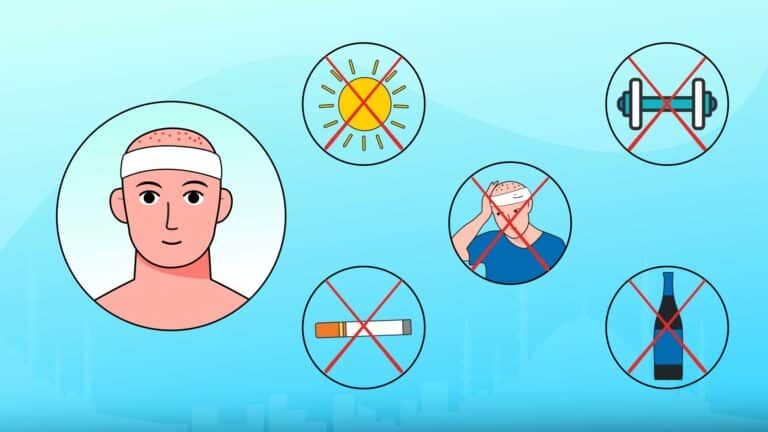
By Prof. Dr. Soner Tatlıdede · October 2026 Congratulations on completing your hair transplant. While the surgical part is finished, the success of your restoration now depends heavily on the recovery phase. In our clinical experience, the first two weeks post-surgery are just as critical as the procedure itself. Understanding what to avoid after a hair transplant […]
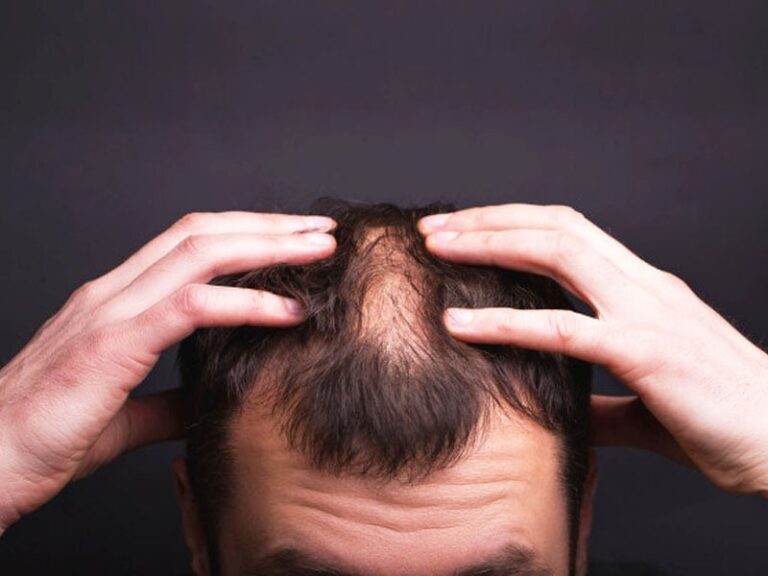
Scalp psoriasis and seborrheic dermatitis are chronic inflammatory conditions that frequently cause discomfort, itching, redness, and scaling. For individuals experiencing hair thinning alongside these conditions, severe anxiety often arises regarding permanent follicle loss and the feasibility of hair restoration. A central concern among patients is whether undergoing a hair transplant while managing scalp psoriasis is […]


Thank you!
Your details have been successfully submitted. Thanks!