


Iron Deficiency Hair Loss: Ferritin Thresholds, Biological Mechanisms, and Treatments
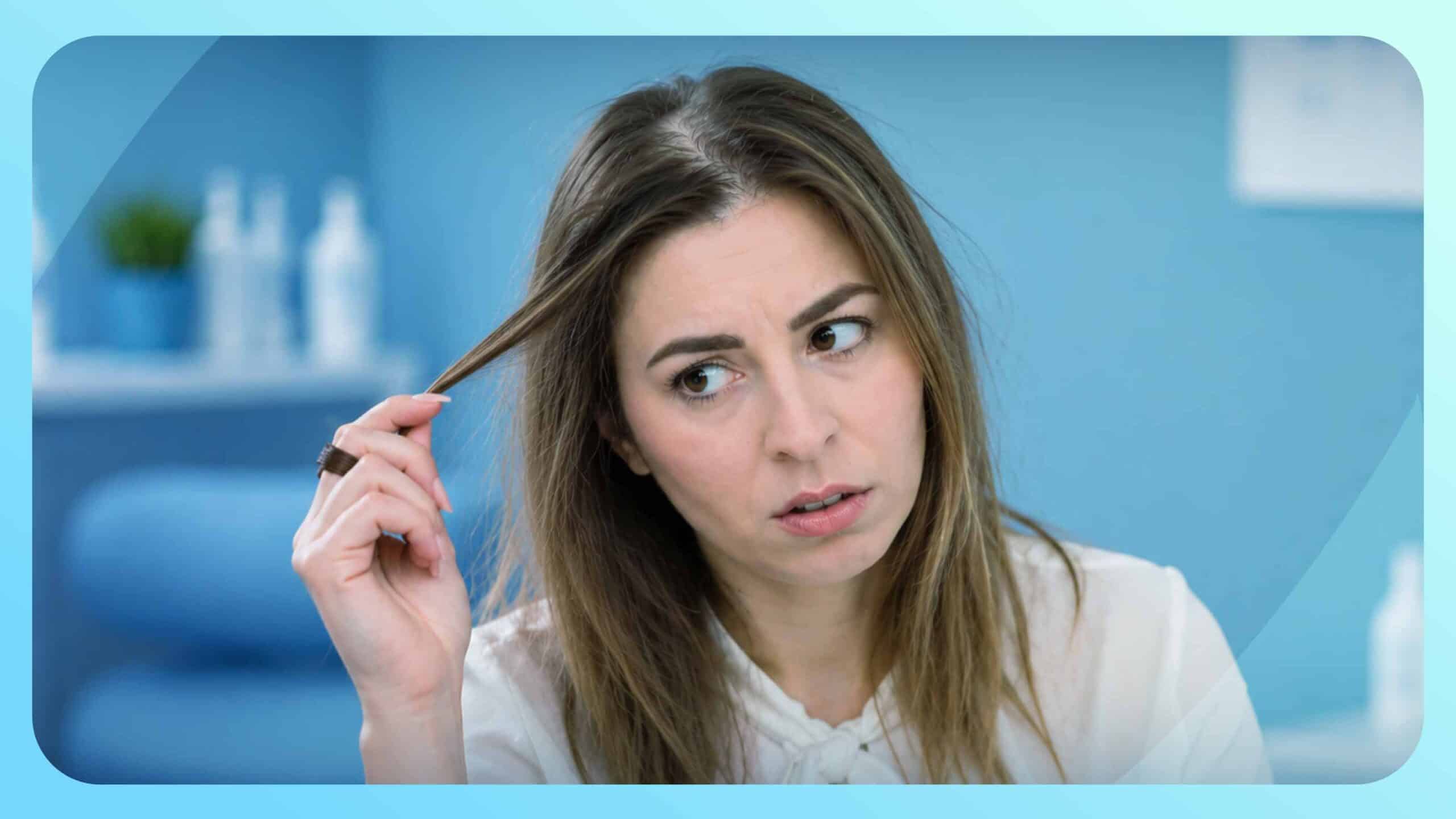
Medical Review by: Prof. Dr. Soner Tatlıdede – September 2026
Quick Summary (TL;DR)
Iron deficiency—specifically depleted serum ferritin stores—is one of the most prevalent nutritional triggers of diffuse hair shedding, particularly among women and vegetarians.
Iron is not merely a component of blood cells; it serves as a critical biological catalyst for cellular division and oxygen transport inside hair follicle roots.
Crucially, having a “normal” Complete Blood Count (CBC) or hemoglobin level does not guarantee hair safety. Hair follicles require a much higher threshold of stored iron (Serum Ferritin) than the rest of the human body.
While systemic anemia manifests when ferritin drops below 15 ng/mL, active hair growth (Anagen) requires ferritin levels maintained strictly above 70 ng/mL. Iron-induced hair shedding is a temporary form of Telogen Effluvium.
Once ferritin levels are restored through targeted supplementation, digestive absorption optimization, and supportive regenerative therapies like Platelet-Rich Plasma (PRP), hair density recovers naturally.
However, when persistent iron loss unmasks or co-occurs with genetic pattern baldness (Androgenetic Alopecia), advanced surgical solutions such as Sapphire FUE or DHI hair transplants offer definitive permanent restoration.
What Is Iron Deficiency Hair Loss?
Iron deficiency hair loss is a non-scarring, diffuse shedding condition triggered when low systemic iron stores reduce hemoglobin synthesis and compromise the activity of iron-dependent enzymes like ribonucleotide reductase within the dermal papilla.
This nutrient deprivation deprives hair roots of essential oxygen, forcing active growing follicles (Anagen) prematurely into the resting and shedding phase (Telogen).
The Unseen Connection Between Iron and Hair Density
Experiencing a sudden, unexplained spike in daily hair loss—finding clumps in your shower drain, pillow, or brush—can be deeply distressing.
While many individuals immediately attribute hair thinning to severe stress or genetics, clinical evaluation often reveals an underlying metabolic catalyst: depleted iron stores.
At Clinicana Hair Transplant Center in Istanbul, directed by Prof. Dr. Soner Tatlıdede, we emphasize that healthy hair production is a high-energy biological process. Hair follicles contain the second fastest-dividing cells in the human body, surpassed only by bone marrow.
When systemic iron or ferritin reserves decline, the body enters a protective survival state, diverting oxygen and nutrients toward vital organs like the heart and brain while starving non-essential peripheral tissues like hair roots.
THE BIOLOGICAL PATHWAY OF IRON DEFICIENCY HAIR LOSS
The Biological Mechanics: How Iron Drives Hair Growth
To understand why iron deficiency halts hair production, one must examine the biochemistry of the hair follicle bulb:
- The Oxygen Delivery Engine (Hemoglobin): Iron is the core atom of hemoglobin, the protein in red blood cells that binds oxygen. Micro-capillaries surrounding the dermal papilla depend on adequate hemoglobin to supply oxygen, glucose, and trace minerals necessary for keratin synthesis.
- The Enzyme Catalyst (Ribonucleotide Reductase): Beyond oxygen transport, iron acts as an essential cofactor for ribonucleotide reductase, an enzyme that catalyzes the rate-limiting step in DNA synthesis during rapid cellular division within the matrix cells of active hair roots.
- Anagen Phase Truncation: When iron levels fall, matrix cells cannot divide at their required biological rate. The follicle receives a stress signal, prematurely ending its active growth phase (Anagen) and shifting into the resting state (Telogen). Because hair shafts remain anchored for 8 to 12 weeks during the resting phase before releasing, shedding typically manifests 2 to 3 months after iron reserves drop.
The Ferritin Myth: Why Normal Hemoglobin Is Not Enough
One of the most frequent diagnostic errors in clinical practice is assuming that a normal Hemoglobin ($Hb$) value or a standard anemia panel rules out nutritional hair loss.
- Hemoglobin (Hb): Measures functional red blood cells circulating in the blood. The body prioritizes maintaining hemoglobin above all else.
- Serum Ferritin: Measures total stored iron in tissues and liver reserves. Hair follicles are extremely sensitive to ferritin reserves long before functional anemia occurs. The body will happily drain tissue ferritin stores to maintain hemoglobin levels, leaving hair roots completely starved.
| Serum Ferritin Level | Biological & Scalp Impact | Clinical Assessment & Action |
|---|---|---|
| < 40 ng/mL | Danger Zone: Severe follicular depletion, structural weakening, and active diffuse shedding. | High risk of Telogen Effluvium; immediate medical iron supplementation required. |
| 40 – 70 ng/mL | Unstable Zone: Hair growth rate slows; new shafts emerge fine, weak, and prone to early shedding. | Sub-optimal growth; requires dietary adjustment and maintenance supplementation. |
| > 70 ng/mL | Golden Range: Optimal metabolic environment for active Anagen growth, full caliber, and density. | Ideal target for hair restoration and maintenance; zero iron-induced shedding. |
Primary Triggers & High-Risk Candidates
Iron deficiency hair loss does not occur in a vacuum. At Clinicana, our medical team identifies three major clinical cohorts most vulnerable to ferritin depletion:
- Women with Heavy Menstrual Bleeding (Menorrhagia): Monthly blood loss is the leading cause of depleted ferritin in premenopausal women.
- Strict Vegetarians and Vegans: Plant-based diets provide non-heme iron, which has a significantly lower biological absorption rate (2% to 10%) compared to animal-derived heme iron (15% to 35%).
- The L-Lysine Factor: The essential amino acid L-Lysine acts as a metabolic transport conductor for iron and zinc. Because L-Lysine is found primarily in red meat, fish, and eggs, plant-based diets lacking L-Lysine further compromise iron utilization inside follicles.
- Gastrointestinal Malabsorption: Conditions like celiac disease, Crohn’s disease, H. pylori infections, or prior bariatric surgeries impair iron absorption across the duodenal mucosa.
Differential Diagnosis: Iron Deficiency vs. Genetic Baldness
Accurately distinguishing temporary iron shedding from progressive Androgenetic Alopecia (pattern baldness) is vital for prescribing correct medical protocols.
Applying surgical solutions to temporary nutritional loss is medically inappropriate, while relying solely on iron supplements for genetic pattern baldness will yield disappointing results.
| Clinical Parameter | Iron Deficiency Shedding (TE) | Androgenetic Alopecia (AGA) |
|---|---|---|
| Primary Underlying Cause | Low ferritin stores, impaired oxygenation & enzyme deficits | Genetic sensitivity of hair roots to Dihydrotestosterone (DHT) |
| Shedding Pattern | Diffuse, uniform loss across the entire scalp | Receding frontal hairline, temples, or crown vertex spot |
| Hair Shaft Caliber | Full-thickness terminal hairs shed with white bulbs intact | Progressive miniaturization (finer, shorter vellus hairs) |
| Follicular Integrity | Non-scarring; follicles remain alive and fully viable | Progressive miniaturization leading to complete follicle atrophy |
| Reversibility & Treatment | Reversible via iron/ferritin correction, PRP & nutrition | Requires DHT blockers or Hair Transplant (Sapphire/DHI) |
Treatment Protocols & The Clinicana Strategy
At Clinicana Hair Transplant Center in Istanbul, managing hair loss relies on structured, evidence-based medical protocols:
1. Comprehensive Laboratory Diagnostics
We begin with detailed blood analysis to establish true baseline values:
- Serum Ferritin & Total Iron Binding Capacity (TIBC)
- Complete Blood Count (CBC)
- Vitamin D3, Vitamin B12, and Serum Zinc
- Thyroid Function Panel (TSH, Free T3, Free T4)
2. Optimized Oral Supplementation Guidelines
Correcting iron deficiency requires adhering to strict pharmacological rules to maximize absorption and avoid competitive inhibition:
- Vitamin C Synergy: Take iron supplements alongside Vitamin C (Ascorbic Acid) to convert ferric iron (Fe3+) into the readily absorbable ferrous state (Fe2+).
- Avoid Competition: Do not take iron supplements simultaneously with calcium, zinc, or coffee/tea. Separate iron pills from zinc supplements or dairy products by at least 2 hours to prevent absorption competition.
- Zinc Dosage Caution: Do not exceed 30 mg of zinc daily without medical supervision, as excess zinc interferes with iron and copper uptake.
3. Non-Surgical Biological Therapies (PRP & Mesotherapy)
To accelerate recovery while ferritin stores rebuild internally, Clinicana offers advanced regenerative treatments:
- Platelet-Rich Plasma (PRP) Therapy: Autologous growth factors (PDGF, VEGF, TGF-beta) extracted from your blood are micro-injected into the scalp, reversing local vascular constriction and pushing resting follicles back into active growth.
- Scalp Mesotherapy: Micro-injections of essential amino acids, vasodilators, and minerals nourish weakened hair bulbs directly.
CLINICAL DIAGNOSTIC & DECISION PATHWAY
4. When Is Surgical Restoration Necessary?
If chronic iron loss has unmasked advanced genetic pattern baldness, or if follicles across temporal margins have completely atrophied into fibrotic tissue, non-surgical products can no longer create new hair. In such cases, surgical hair restoration at Clinicana offers a permanent solution:
- Sapphire FUE (Follicular Unit Extraction): Ideal for covering extensive bald areas. Using gem-grade sapphire blades, surgeons open microscopic recipient channels with precise orientation, ensuring maximum density and rapid healing.
- DHI (Direct Hair Implantation): Perfect for increasing density between existing native hairs without shaving. Specialized Choi Implanter Pens place donor grafts directly into recipient zones, fully preserving surrounding native hair.
Frequently Asked Questions (FAQ)
How long does it take for hair to stop falling out after starting iron supplements?
Because the hair growth cycle operates with a 2 to 3 month biological delay, diffuse shedding typically stabilizes 8 to 12 weeks after serum ferritin levels begin to rise. Noticeable visual density recovery generally requires 6 to 9 months of consistent supplementation.
Can taking too much iron cause side effects or hair loss?
Yes. Iron overload (hemochromatosis) causes severe systemic toxicity, liver damage, and oxidative stress that can actually worsen hair shedding. Iron supplements should never be taken without a confirmed blood test showing low serum ferritin.
Why did my hair loss continue even though my doctor said my blood test was normal?
Standard blood tests verify whether hemoglobin is sufficient to prevent systemic anemia (ferritin > 15 ng/mL). However, hair follicles require ferritin levels above 70 ng/mL for active growth. Your levels may be “normal” for general health but severely deficient for hair growth.
Conclusion & Next Steps
Understanding the vital link between serum ferritin stores and hair follicle biochemistry empowers you to address hair loss calmly and objectively.
By optimizing internal nutrition, correcting ferritin gaps, and utilizing supportive biological therapies, natural hair density can be fully restored.
Request a Free Medical Assessment from Clinicana
Are you unsure whether your hair thinning is driven by temporary iron deficiency, thyroid imbalances, or underlying genetic baldness? You do not have to guess.
At Clinicana Hair Transplant Center in Istanbul, located within Academias Hospital, our experienced medical team offers free, non-binding online consultations. Send clear photos of your scalp and hairline via WhatsApp to receive a personalized diagnostic assessment from our hair restoration specialists within minutes.
Medical Disclaimer & Review
- Medical Disclaimer: The information provided in this article is intended strictly for educational and awareness purposes and does not substitute for professional medical advice, diagnosis, or treatment plans. Individual scalp conditions and responses to supplementation vary significantly.
- Medical Review Conducted by: Prof. Dr. Soner Tatlıdede, Lead Plastic Surgeon and Hair Restoration Specialist at Clinicana Center, Istanbul. With over 22 years of clinical experience and 18,000+ successful hair restoration procedures.
Academic & Clinical References
- Journal of Cutaneous and Aesthetic Surgery: The Role of Micronutrients and Serum Ferritin in Diffuse Hair Shedding.
- National Center for Biotechnology Information (NCBI): Ribonucleotide Reductase Activity and Hair Follicle Matrix Cell Proliferation.
- International Society of Hair Restoration Surgery (ISHRS): Differential Diagnosis Between Nutritional Telogen Effluvium and Early Androgenetic Alopecia.


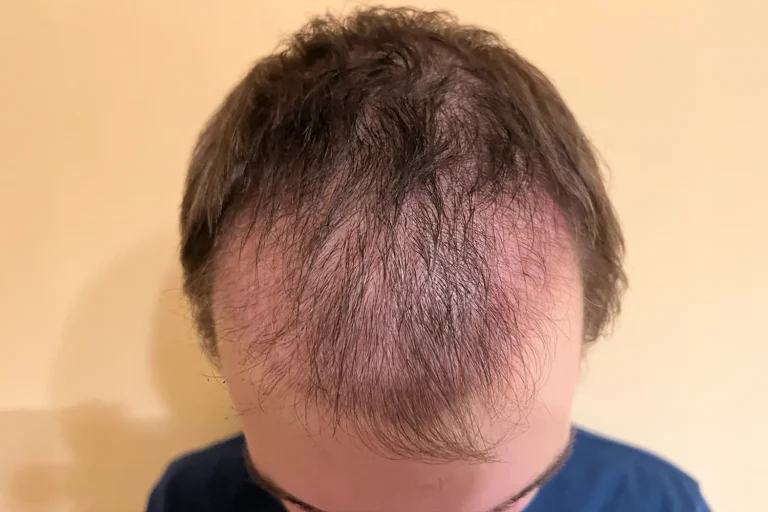
Diagnostic Parameter Tinea Capitis Alopecia Areata Seborrheic Dermatitis Primary Etiology Dermatophyte fungal infection (Microsporum / Trichophyton) Autoimmune response targeting hair follicles Overgrowth of Malassezia yeast and inflammatory reaction Scalp Scaling Present (fine grayish scales or thick crusting) Absent (scalp is smooth and clinically normal) Present (greasy, yellowish, or diffuse white flakes) Hair Shaft Appearance Broken […]
Medical Review by: Prof. Dr. Soner Tatlıdede – September 2026 Quick Summary (TL;DR) Iron deficiency—specifically depleted serum ferritin stores—is one of the most prevalent nutritional triggers of diffuse hair shedding, particularly among women and vegetarians. Iron is not merely a component of blood cells; it serves as a critical biological catalyst for cellular division and oxygen transport inside […]
Medical Review by: Prof. Dr. Soner Tatlıdede – September 2026 Direct Definition: What Is Female Pattern Baldness? Female pattern baldness (androgenetic alopecia in women) is a genetically influenced condition characterized by progressive hair thinning across the vertex and widening of the central part line, while usually preserving the frontal hairline. Unlike male pattern hair loss, which frequently causes […]


Thank you!
Your details have been successfully submitted. Thanks!