


Anemia and hair loss: causes and solutions
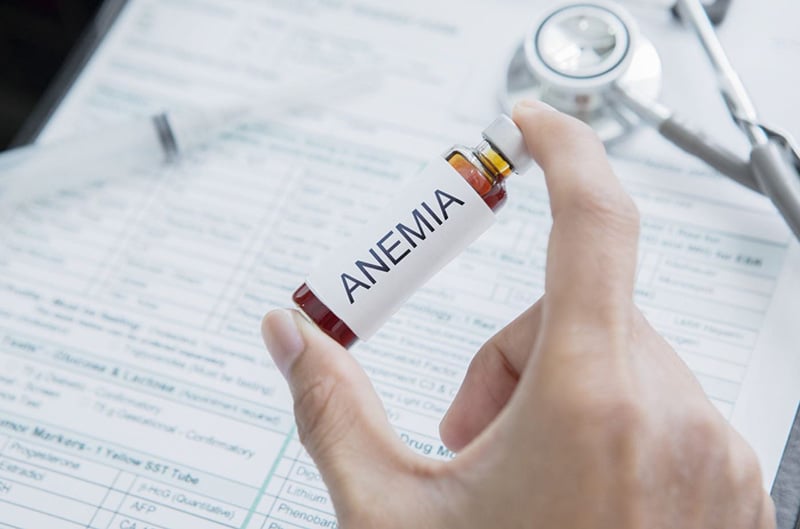
Living with the fatigue and weakness caused by anemia is challenging enough, but noticing significant hair thinning or shedding can add a layer of deep concern and frustration.
The good news is that hair loss caused by nutritional deficiencies, specifically iron, is often reversible once the underlying health issue is properly addressed.
Many people overlook the vital role that iron plays in carrying oxygen to the cells that stimulate hair growth.
When your body is in a state of anemia, it prioritizes essential organs over ‘non-essential’ functions like maintaining a full head of hair.
In this detailed guide, we will explore the biological link between low ferritin levels and the hair growth cycle, the most common symptoms to look for, and the medical steps you can take to stop the shedding and regrow your hair through diet, supplements, and clinical care.
If correcting the anemia restores your iron levels but the hair does not come back, a transplant is the next step — and this guide sets out what to check before choosing a clinic in Turkey.
What is anemia? What causes it?
Anemia occurs when -for various reasons- haemoglobin levels in the blood become reduced; haemoglobin is a protein composed of iron whose function is to transport oxygen through the red blood cells from lungs to tissues; then,
the same haemoglobin makes the reverse way, transporting carbon dioxide that is formed after consuming oxygen from tissues to lungs, before being expelled.
What happens if haemoglobin levels drop? Well, then anemia occurs.
Most common symptoms of anemia are pale skin, continuous tiredness, and weakness in tissues such as nails; it can also cause dizziness and headaches, arrhythmias, and breath difficulty (we breathe air but we still feel a lack of it, since oxygen cannot get transported to tissues).
The most common type of anemia is iron deficiency anemia, caused by a decrease in the level of iron in our body.
Keep in mind that haemoglobin contains 70% of the iron in our body, so it is easy to understand that if we do not have enough iron, this important protein will lose its effectiveness.
Some diseases, an unbalanced diet, pregnancy, or blood loss caused by wounds or menstruation, can be a cause of anemia. The question is: is there a relationship between iron deficiency anemia and hair loss? Let’s see it below.
Can anemia cause hair loss?
Does anemia cause hair loss? Certainly there can be a link between anaemia and hair loss; of course hair shedding is not always caused by iron deficiency, but one of the symptoms of anemia can be hair loss, since hair becomes weak and can start to fall out;
this fall usually occurs in random areas of the scalp, where thinner hair will appear, while the rest of hair will have a dull and dry look.
If the problem persists and a proper treatment is not carried out, it can degenerate into a severe hair loss; the reason is that when haemoglobin levels drop -normally due to low iron levels- the amount of oxygen reaching hair bulbs decreases.
This oxygen is necessary for bulb proper functioning: therefore as a consequence, hair ends up losing strength, and finally dies and falls out.
So, answering the question: Will anemia cause hair loss? In severe cases it might, especially if anemia is caused by iron deficiency; however, other types of anemia such as pernicious anemia rarely includes among its symptoms hair loss.
Anaemia reduces the oxygen reaching the follicles, which is related to the wider question of blood circulation and hair loss.
Will hair loss from anemia grow back?
If hair loss or other symptoms make us suspect that we are experiencing an anemia, you should pay a visit to your doctor, who after a blood test will determine your level of hemoglobin and iron in blood.
If tests conclude that you have anaemia due to iron deficiency, doctor usually will prescribe iron supplements. Hair normally should regrow once the iron deficiency is over; however, hair can take several months to grow back again, and hair loss recovery after anemia is not guaranteed.
One way to avoid this is prevent an iron deficiency in our body through consuming foods rich in iron, such as red meat, liver, eggs, legumes, spinach, and so on.
Our recommendation is to combine this food intake with other foods rich in vitamin C -citrus, kiwis, peppers, broccoli…- since this vitamin helps to increase iron absorption by our body.
If we have had a severe hair loss due to anemia, there are treatments to stop hair loss and strengthen existing hair, such as minoxidil or platelet-rich plasma (PRP); however, normally these treatments won’t get hair to grow back again.
Therefore, when hair loss regrowth after anemia is not possible or damages to hair are simply too great, a hair transplant could be necessary.
If you suffer from anemia and hair loss, at Clinicana we are specialists in all hair treatments. We have an experienced medical team, and every procedure takes place at Acıbadem Taksim Hospital in Istanbul.
Which Types of Anemia Affect Hair?
| Type of anemia | Typical cause | Link with hair |
|---|---|---|
| Iron deficiency anemia | Heavy periods, low intake, blood loss, poor absorption | The most common nutritional cause of diffuse shedding, especially in women |
| Vitamin B12 deficiency | Vegan diet without supplements, absorption problems, some medications | Can contribute to shedding and premature greying |
| Folate deficiency | Low intake, pregnancy, alcohol | Less clearly linked, usually alongside other deficiencies |
| Anemia of chronic disease | Kidney disease, inflammatory or autoimmune disease | Hair loss usually reflects the underlying illness |
Iron deficiency deserves special attention, because hair can thin even before haemoglobin drops, when only the iron stores (ferritin) are low. We explain this in the section on low ferritin and hair loss below.
Low Ferritin: Iron Deficiency Without Anemia
A normal blood count does not always rule out iron-related hair loss. Haemoglobin measures the iron working in your red blood cells, and the body protects it for as long as it can. Ferritin measures your iron stores, and those can run low long before haemoglobin drops. Hair follicles are among the first tissues to feel that shortfall, so shedding can start while you are not yet anaemic.
| Serum ferritin | What it usually means for hair |
|---|---|
| Below 15 ng/mL | Iron deficiency by standard lab criteria; shedding is common and treatment is needed. |
| 15–40 ng/mL | Often reported as “normal”, but many hair specialists consider this too low for healthy growth. |
| 40–70 ng/mL | Borderline; some patients keep shedding in this range. |
| Around 70 ng/mL or higher | A common target when trying to stop iron-related shedding and support regrowth. |
These ranges are a clinical guide, not a fixed rule. Your doctor will interpret ferritin together with your blood count, iron studies and any inflammation, which can make ferritin look higher than your real stores.
Who is most at risk of low iron stores?
- Women with heavy periods: regular blood loss is the most common cause of low ferritin before menopause.
- Vegetarians and vegans: iron from plants (non-heme iron) is absorbed far less well, roughly 2–10%, than iron from meat and fish (heme iron), roughly 15–35%.
- People with absorption problems: coeliac disease, Crohn’s disease, H. pylori infection or previous weight-loss surgery can all reduce how much iron you absorb.
- Frequent blood donors and endurance athletes, who can lose more iron than they take in.
How to take iron supplements correctly
- Only start iron after a blood test and on your doctor’s advice; too much iron is harmful.
- Take it with vitamin C (for example a glass of orange juice) to improve absorption.
- Keep it at least 2 hours apart from calcium, dairy products, zinc supplements, tea and coffee, which reduce absorption.
- Re-check ferritin after about 3 months to see whether your stores are actually rising.
Iron-related shedding or genetic hair loss?
| Low iron / ferritin | Genetic (pattern) hair loss | |
|---|---|---|
| Pattern | Diffuse thinning over the whole scalp | Receding hairline, temples or crown |
| Hairs that fall | Full-thickness hairs, often with a white bulb | Hairs become progressively finer and shorter |
| Outlook | Usually reversible once iron stores are restored | Progressive; needs medical treatment or a hair transplant |
The two can happen together: low iron can make genetic thinning more visible. If shedding stops after treatment but the hairline or crown keeps thinning, the cause is likely genetic rather than nutritional.
What Does Anemia-Related Hair Loss Look Like?
- Diffuse thinning over the whole scalp, not bald patches.
- More hair in the shower and on the brush for several weeks or months.
- Often other signs: tiredness, pale skin, shortness of breath on exertion, brittle nails, cold hands.
- Typically starts 2–3 months after iron or nutrient levels drop, like other forms of telogen effluvium.
Tests to Ask Your Doctor For
- Full blood count (haemoglobin, MCV).
- Ferritin and iron studies.
- Vitamin B12 and folate.
- Thyroid function (TSH), because thyroid problems often coexist; see hair loss and hypothyroidism.
- Vitamin D, if not checked recently.
How Long Does It Take for Hair to Grow Back?
Once the deficiency is corrected, shedding usually slows within 2–3 months and visible regrowth follows over the next 3–6 months. Full recovery of density can take up to a year, because hair grows about 1 cm per month. Iron supplements should only be taken after testing and under medical advice, since excess iron is harmful.
FAQs About Anemia, Iron and Hair Loss
How long after starting iron does hair stop falling out?
Because of the hair growth cycle, shedding usually settles about 2–3 months after your ferritin starts to rise. Visible regrowth then takes several more months.
Can taking too much iron cause problems?
Yes. Excess iron can damage the liver and other organs and does not help your hair. Iron supplements should only be taken after a blood test confirms a deficiency, and under medical supervision.
My blood test was “normal”, so why is my hair still falling out?
A standard blood count checks whether you are anaemic, not whether your iron stores are full. Ask your doctor to check ferritin as well. If ferritin is also normal, other causes such as thyroid problems, stress-related shedding (telogen effluvium) or genetic hair loss should be considered.
Anemia and Hair Transplant Surgery
A hair transplant is not a treatment for anemia-related shedding, and moderate or severe anemia should be corrected before any surgery. If you also have genetic hair loss, the transplant can be planned once your blood values are normal and the shedding has settled. See what to know before a hair transplant.
Please, take a look at the reviews on hair transplant in Turkey left by our patients,, and ask for your free consultation.


By Prof. Dr. Soner Tatlıdede · October 2026 When can you cut your hair after a hair transplant? Hair in the donor area can be trimmed after 1 month using scissors or clippers. As for the recipient area, trimming only the ends of the hair using scissors is permitted after 2 months. However, you must wait at […]

By Prof. Dr. Soner Tatlıdede · October 2026 Congratulations on completing your hair transplant. While the surgical part is finished, the success of your restoration now depends heavily on the recovery phase. In our clinical experience, the first two weeks post-surgery are just as critical as the procedure itself. Understanding what to avoid after a hair transplant […]
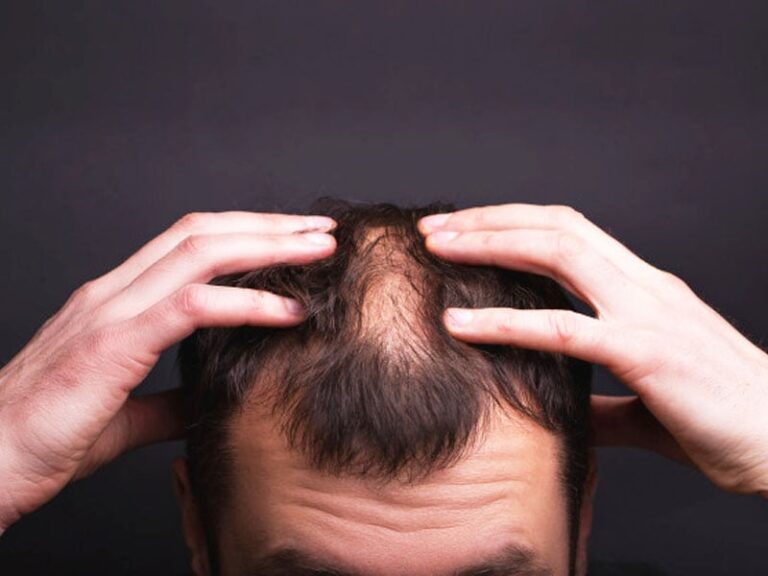
Scalp psoriasis and seborrheic dermatitis are chronic inflammatory conditions that frequently cause discomfort, itching, redness, and scaling. For individuals experiencing hair thinning alongside these conditions, severe anxiety often arises regarding permanent follicle loss and the feasibility of hair restoration. A central concern among patients is whether undergoing a hair transplant while managing scalp psoriasis is […]


Thank you!
Your details have been successfully submitted. Thanks!