


Between Summer Heat and Winter Chill: When Do Clinicana Doctors Choose Your Hair Transplant Date?

“Should I postpone the procedure until winter, or take advantage of my summer vacation?” This is the most frequent question echoing through the halls of Clinicana in Turkey.
Behind this simple inquiry lie real anxieties. Patients aren’t just asking about the weather; they are concerned about the safety of their new follicles, the speed of healing, and their ability to return to normal life discreetly.
In the world of hair restoration, there is a common “myth” that seasons dictate success. However, the scientific reality we apply to thousands of cases annually is far more profound.
Your body operates as a smart machine, maintaining internal stability whether snow blankets the streets of Istanbul or the summer sun blazes above.
Yet, each season possesses a distinct “personality” that influences your personal experience and psychological comfort during recovery.
In this comprehensive guide, we won’t just give you a diplomatic answer; we will dive into biological and psychological nuances rarely discussed.
We will explain how follicles breathe in the heat, how the cold minimizes facial swelling, and how to choose your “Perfect Timing” based not just on the calendar, but on your lifestyle, profession, and milestone events.
Scientific Fact: Do Your Follicles Truly React to External Temperatures?
When considering a hair transplant, the first image that comes to mind is those delicate, microscopic follicles facing scorching heat or freezing winds. Can weather “kill” a follicle or stunt its growth?
The direct answer from Clinicana specialists is: No. Weather itself does not determine the success or failure of the surgery, but it does alter the “Recovery Environment.”
Core Body Temperature: Your Internal Fortress
A biological marvel of the human body is its ability to maintain a constant internal temperature of approximately 37°C (98.6°F). Once a follicle is implanted into its designated channel, it becomes part of your internal biological system.
The scalp’s complex network of tissue and fat acts as natural thermal insulation. Clinically, the “root” does not feel the external heat the way your outer skin does; it is protected by a stable internal environment.
The Secret of Microcirculation
The real impact of climate lies in Microcirculation.
- In Warm Weather: Blood vessels tend to dilate slightly (Vasodilation), increasing blood flow to the skin’s surface. This flow carries the oxygen and nutrients vital for graft anchoring.
- In Cold Weather: Vasoconstriction occurs—the body’s way of conserving heat—which significantly reduces post-operative edema (swelling).
At Clinicana, we adapt our medical protocols to these physiological shifts, ensuring your follicles live in a “5-star hotel” regardless of the forecast.
Winter Hair Transplants: The Magic of “Quiet Recovery” and Privacy
Many of our patients from Europe and the Gulf prefer winter, and not just to avoid heat. Winter offers a “Strategic Advantage” for those seeking a discreet transformation.
- Natural Cooling: Cold weather is a friend to surgery. Vasoconstriction acts as a natural way to reduce fluid leakage under the skin, resulting in significantly less swelling in the forehead and eye area.
- The “Smart Disguise” Strategy: Winter allows for loose-fitting beanies and hoodies. This “Maximum Privacy” lets you explore Istanbul or return home without the need to explain your procedure to every passerby.
Summer Hair Transplants: Cellular Regeneration and Rapid Healing
For others, summer is the “Golden Season.” It is a biologically vibrant time where the body operates at its peak regenerative capacity.
- Summer Metabolic Activity: In warmer climates, the body’s metabolic rate rises. This means biological processes, including tissue repair and cell renewal, happen faster. At Clinicana, we observe that microscopic incisions tend to close and heal in record time during summer.
- Investing the Annual Leave: Combining surgery with a summer holiday provides “Mental Relaxation.” Lowering cortisol (the stress hormone) reduces inflammation and allows the body to focus all its energy on healing the scalp.
Head-to-Head: Summer vs. Winter (Comparison Table)
| Feature | Winter Transplant | Summer Transplant |
|---|---|---|
| Healing Speed | Stable and steady pace. | Faster due to active metabolism. |
| Swelling/Edema | Significantly lower (natural cold). | May slightly increase (requires cold packs). |
| Privacy & Secrecy | Very high (hats and coats). | Moderate (requires lighter headwear). |
| Final Result Arrival | Strong growth begins by Summer. | Strong growth begins by Winter. |
The Conclusion: The final quality of hair growth is identical in both seasons. The difference lies solely in your preferred “Lifestyle” during the first 15 days.
Choosing Based on Lifestyle, Profession, and Age
The Office vs. The Field
- Office Professionals: If you work in a climate-controlled environment, you are the “King of Seasons.” However, winter is often preferred for easier integration of hats with formal attire.
- Field/Labor Professionals: If your job involves heavy sweating or direct sun, Clinicana strongly advises the cooler months (Winter, Autumn, or Spring) to protect the new grafts from salty perspiration and irritation during the first 10 days.
Age-Specific Considerations
- The Youth (20–40): Active sebaceous glands may produce more oil in summer. Winter is often better to maintain a “dry and clean” environment for the follicles.
- Seniors (50+): As skin thins and circulation slows, the warmth of summer or spring acts as a “Natural Catalyst” for blood flow, helping the skin remain supple and resilient.
The 9-Month Rule: Planning for Major Events
Whether it’s a wedding or a promotion, remember: “Plant your hair at least 9 months before your Big Day.”
Hair undergoes “Temporary Shedding” in the first two months. To achieve that “wow” density and natural look, you need 6 to 9 months of growth.
FAQ
Does sweating in summer cause transplant failure?
Sweat itself is just a cooling fluid. The issue is “salt accumulation.” At Clinicana, we provide summer patients with specialized cooling sprays to cleanse the area, ensuring success rates remain above 98%.
Does extreme cold kill the grafts?
Never. Grafts are protected 4-5mm under the skin at a constant 37°C. Cold actually helps by reducing micro-bleeding and swelling.
When can I wear a hat in winter?
You can wear very loose-fitting hoods after 3 days. For tight wool beanies, we recommend waiting 10 to 14 days until the grafts are fully anchored.
Final Word
The real secret doesn’t lie in the thermometer, but in choosing a center that possesses the right Protocol for every season. Your new hair doesn’t recognize the calendar; it only waits for your decision to emerge.
Are you ready to start your journey? Contact the Clinicana medical team today for a free consultation and let us help you choose the “Golden Timing” that changes your life forever.



If you are researching your options for hair restoration, one question stands above the rest: How much does a hair transplant cost in Turkey, and is the quality actually safe? In 2026, the global price gap has widened. While clinics in London and New York are raising prices to cover inflation and overhead, Istanbul has […]
“Should I postpone the procedure until winter, or take advantage of my summer vacation?” This is the most frequent question echoing through the halls of Clinicana in Turkey. Behind this simple inquiry lie real anxieties. Patients aren’t just asking about the weather; they are concerned about the safety of their new follicles, the speed of […]
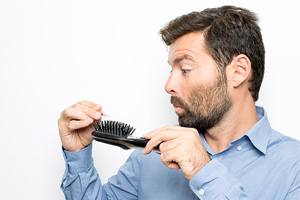
Shock loss after a hair transplant can be startling, but here is the good news: it’s often a natural sign that your scalp is healing. While it might feel counterintuitive to see hair falling after a procedure meant to restore it, this “shedding phase” is typically a temporary bridge to your final, permanent results. At […]


Thank you!
Your details have been successfully submitted. Thanks!