


Our doctors have prepared a comprehensive, detailed list of FAQ’s with answers before, during and after the hair transplant procedure.
The FAQ’s also include the latest methods doctors use for hair transplantation surgery.
All the questions and answers have been prepared in advance by our team of hair transplatation professionals.
Please find the different categories of questions and answers below.
Questions before your hair transplant
-
Can my hair transplant operation or aspects of it be kept private?

Absolutely. We know that privacy is a very important issue for some of our patients.
Please note that we respect our clients’ right to privacy.
If you wish we will sign a confidentiality agreement or Non-disclosure Agreement in order to protect your privacy.
Otherwise we will not publish any photos, disclose any information about you without your written permission or consent.
-
Is the hair transplant effective?
The most effective solution for hair loss is a hair transplant.
-
Is the hair transplant permanent?
The hair transplant is permanent because the hair is transfered from the roots of the grafts from the donor area onto your scalp.
Since the hair from the donor area is genetically identical to the rest of your hair there is no risk of rejection.
-
Will the removed hair from the donor area grow back after the hair transplant?
The removed hair will not grow back as we extract the root of the graft.
After the operation the density of hair from the donor area will be less but there won’t be any scars in the back side of your head.
-
Is the hair transplant painful?
Typically if you opt for the standard procedure with local anesthesia the pain that you may feel is only during the administration of the anesthesia (i.e. the injections) and it usually lasts only for a few seconds.
The operation itself it’s not painful.
-
Is the hair transplant painless?
There is a new type of local anesthesia administered via pressure into the skin at the back of the head where the neck meets the bottom of the head. This procedure is relatively painless. At the same time the local anesthesia can be administered via pressure onto the top of the forehead (the recipient area) which is relatively painless. As a result of this no needles or injections are required at all.
-
How much does hair transplant cost?
The cost of a typical hair transplant is fixed and does not vary according to the number of implanted grafts.
-
Is there an age limit regarding obtaining a hair transplant?
The hair transplant is intended for adults and must be planned at the right time taking into consideration the evolution of baldness. If the patient is healthy and he or she doesn’t have any previous medical conditions or issues that might limit the growth of hair or prevent hair from growing it is possible to perform hair transplants on individuals who are from twenty to eighty years old.
Ask your question
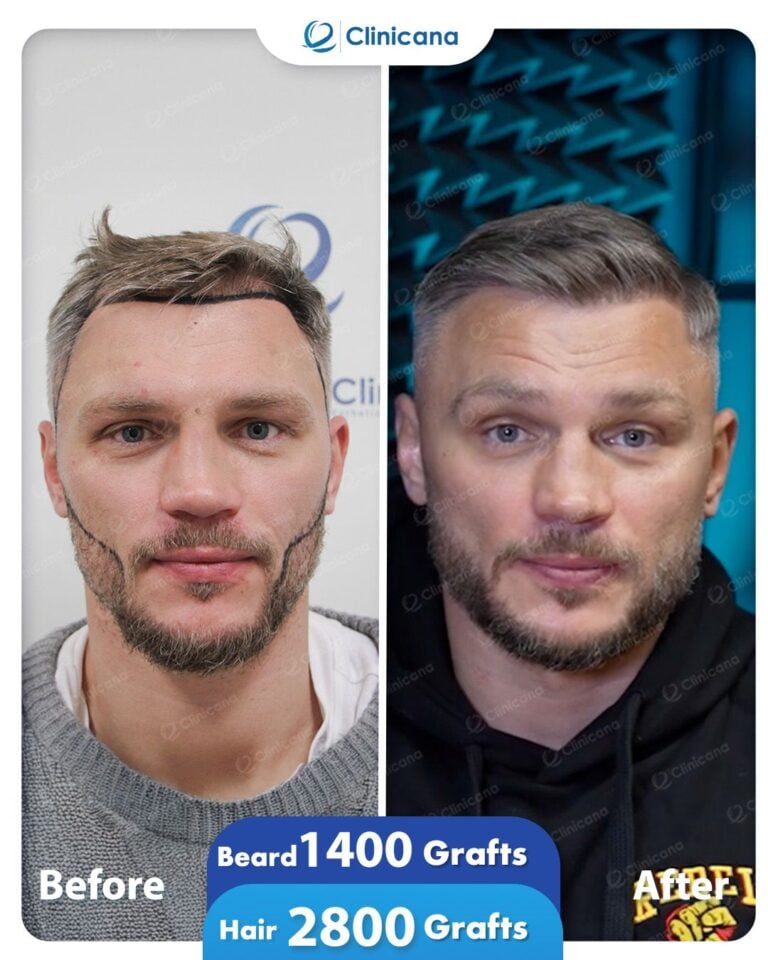
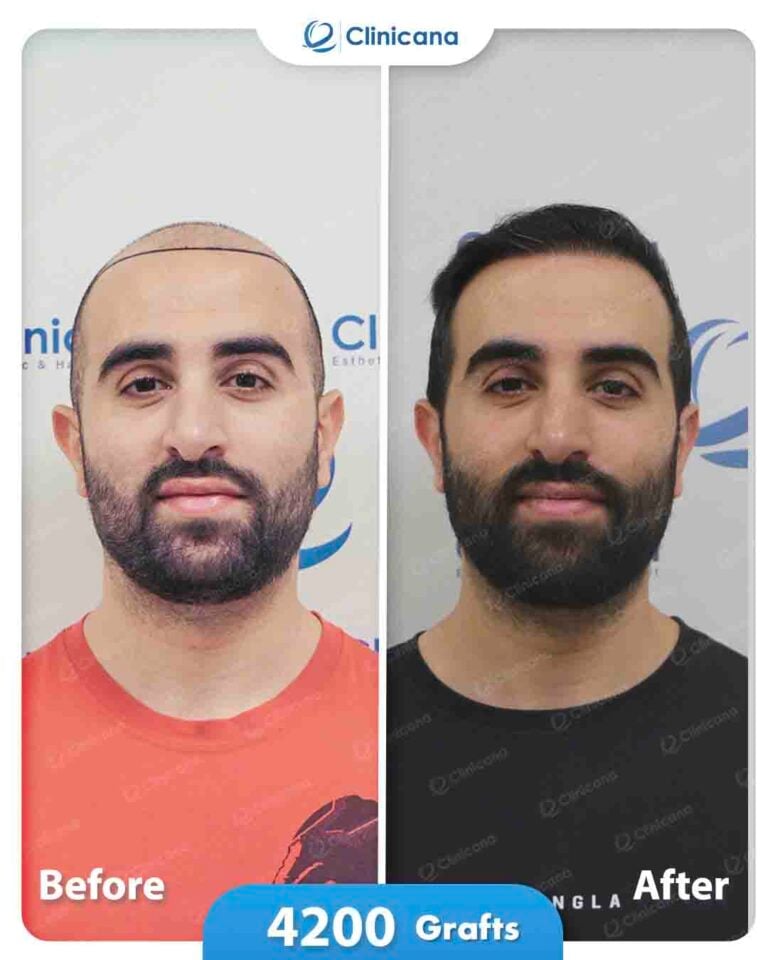
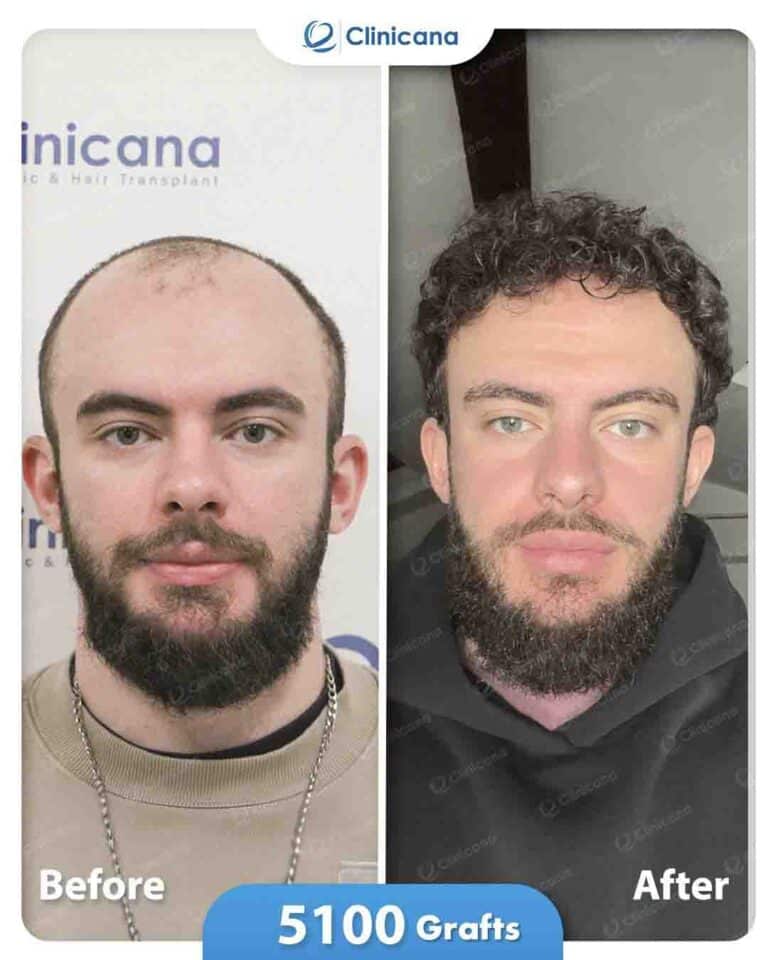
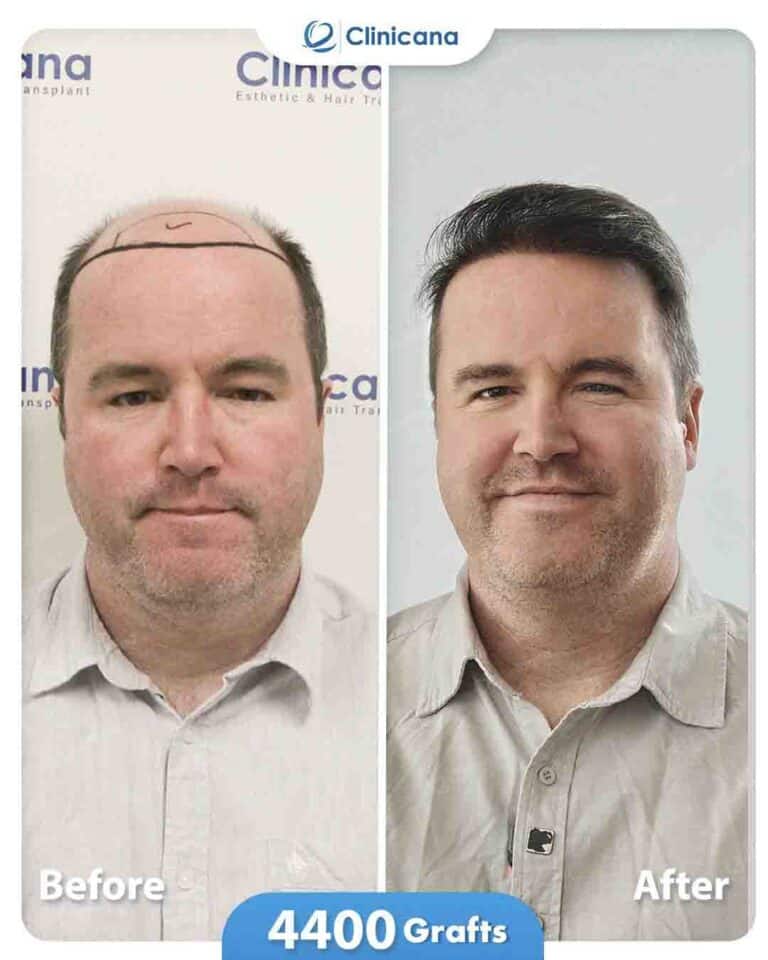
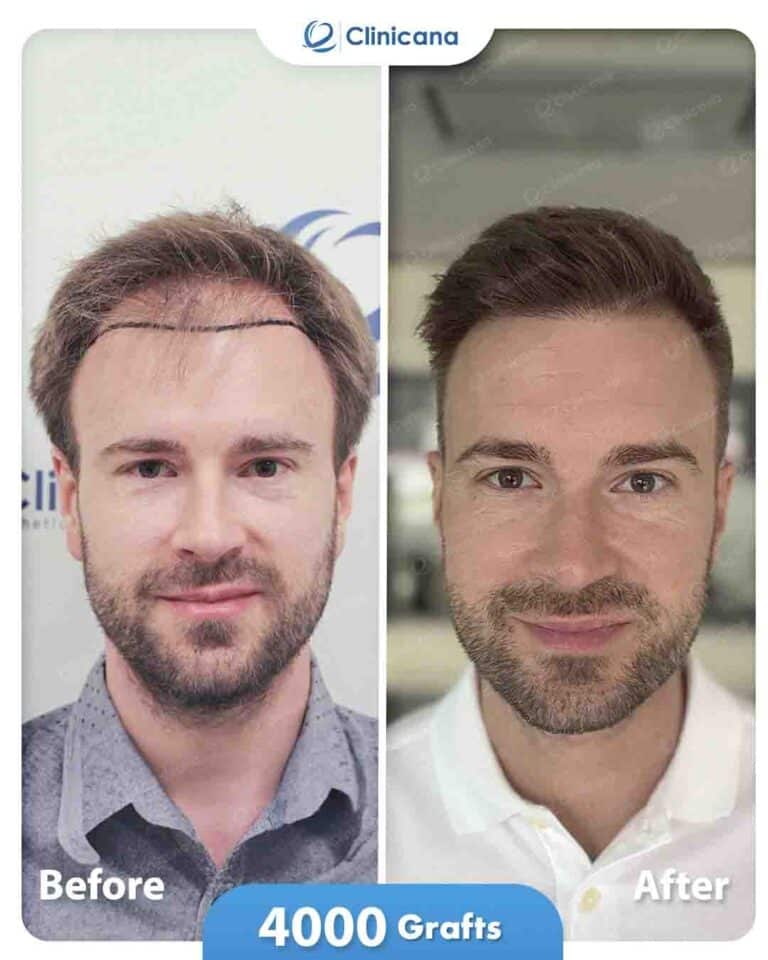
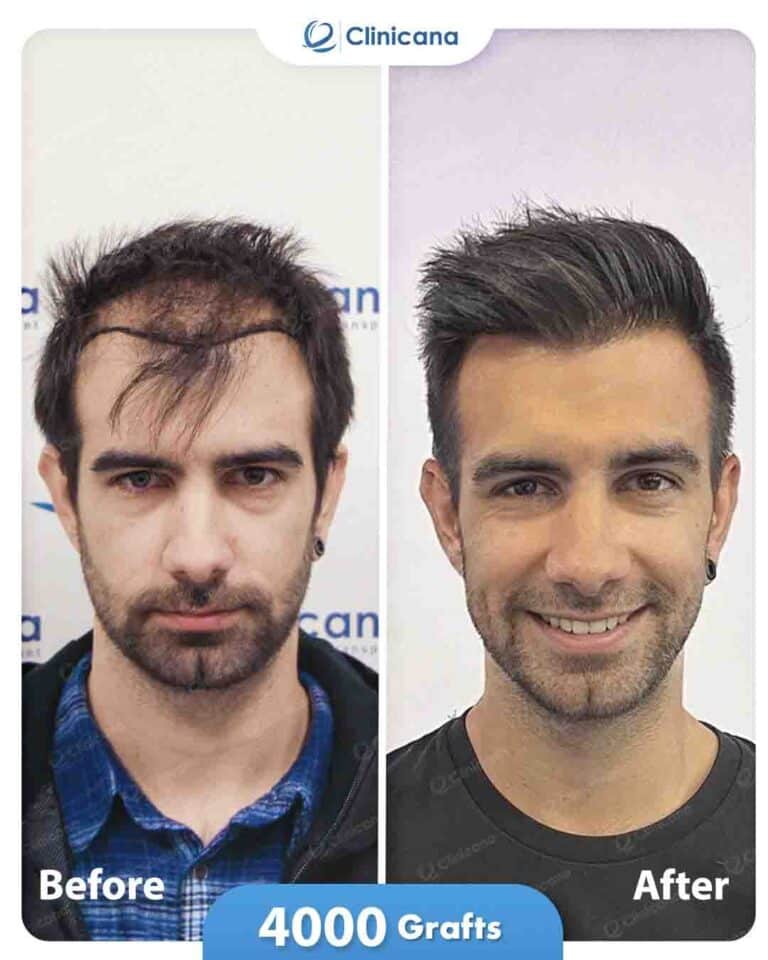
Hair Transplant Turkey Before and After Pictures


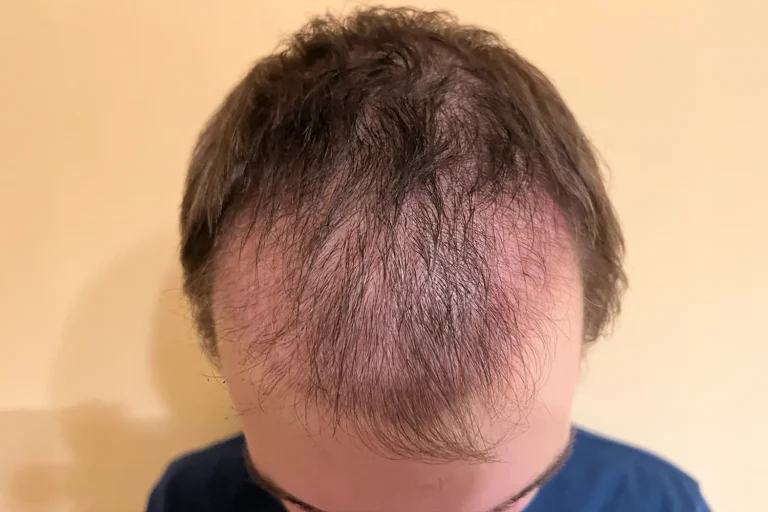
Diagnostic Parameter Tinea Capitis Alopecia Areata Seborrheic Dermatitis Primary Etiology Dermatophyte fungal infection (Microsporum / Trichophyton) Autoimmune response targeting hair follicles Overgrowth of Malassezia yeast and inflammatory reaction Scalp Scaling Present (fine grayish scales or thick crusting) Absent (scalp is smooth and clinically normal) Present (greasy, yellowish, or diffuse white flakes) Hair Shaft Appearance Broken […]

Medical Review by: Prof. Dr. Soner Tatlıdede – September 2026 Quick Summary (TL;DR) Iron deficiency—specifically depleted serum ferritin stores—is one of the most prevalent nutritional triggers of diffuse hair shedding, particularly among women and vegetarians. Iron is not merely a component of blood cells; it serves as a critical biological catalyst for cellular division and oxygen transport inside […]
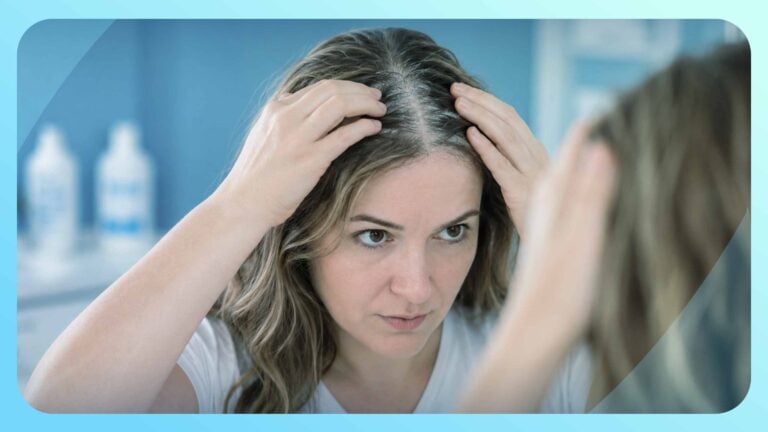
Medical Review by: Prof. Dr. Soner Tatlıdede – September 2026 Direct Definition: What Is Female Pattern Baldness? Female pattern baldness (androgenetic alopecia in women) is a genetically influenced condition characterized by progressive hair thinning across the vertex and widening of the central part line, while usually preserving the frontal hairline. Unlike male pattern hair loss, which frequently causes […]

Thank you!
Your details have been successfully submitted. Thanks!