


Keeping a healthy hair during Ramadan
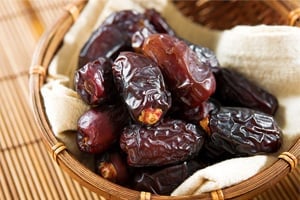
Healthy hair during Ramadan is achievable by focusing on proper hydration and nutrient-rich meals during the non-fasting hours.
Since hair health directly reflects your body’s internal condition, the transition in eating and sleeping patterns requires extra attention to maintain natural strength and shine.
By choosing the right foods during Iftar and Sahur, and protecting your scalp from environmental stressors, you can ensure your hair remains vibrant throughout the holy month.
Consistent care, including the use of sulfate-free products and avoiding excessive sun exposure, plays a vital role in preventing dryness and thinning while you fast.
Focus on balancing your fluid intake to support both your overall well-being and the vitality of your hair.
Therefore we at Clinicana, the best clinic for a hair transplant with FUE in Turkey, would like to present you several important care tips to keep a healthy hair and body and avoid any hair fall during Ramadan, and also during the celebration of Eid al-Fitr.
Maintain your body water levels
Re-compensate lost water during fasting hours with herbal teas, as these drinks will preserve your fluid levels and refresh your body. Avoid sweet or caffeinated drinks that cause dehydration and other problems like migraine.
You can try coconut water if possible: it hydrates body better than normal water and it is rich with minerals and electrolytes. Mostly, professional athletes use it as a natural alternative to re-compensate lost ions.
Eat well and right
Due to the long fasting hours, over-eating is usual during iftar; however, you should always choose the healthiest available Ramadan food for iftar. Consuming salty and fried food does not just make you lose more fluids, but also does not give you the nutrients your body needs.
Hair needs a good balance of Omega 3, essential fatty acids and vitamins to stay strong and glimmering. Besides, breaking fast with dates and a cup of lukewarm water mixed with lemon and ginger cleans your organs from harmful elements.
Do not forget fruits and vegetables, with good amounts of seeds and proteins. Watermelon has 90% water, so it is a good fluid supply, too.
Take care of your hair
Hot temperatures, fasting and harsh humidity in the Middle East countries are bad for your hair: that means you need to give it more care and attention to keep it at its best.
Many shampoo brands present in markets contain sulphur derivatives. These substances pull out natural oils from your hair and dry it; consequently, using free-sulfur cosmetic products is important during Ramadan to preserve your hair and keep it hydrated.
Another tip to guarantee the necessary nutrition to your hair: massage it with coconut oil, it will assure the necessary humidity and nutrition for your hair.

Can I cut my hair during Ramadan?
Many people also wonder if they can cut their hair during Ramadan. The answer is yes: there is no medical or religious reason not to cut your hair during this holy month; you can change your hairstyle in Ramadan, too.
Avoid long periods of sun exposure
To keep your activity during fasting, we advise you to stay away from sun. Spend your day in a mild-weather place and avoid extreme exercises. Eating fruits during the fast breaking is a great idea, as they contain enough fluids that will keep you and your hair hydrated. Avoid coffee and tea as it causes thirst and drought. To have an energetic boost, drink diluted fruit juices.
These are the main tips to keep a healthy hair and body during Ramadan. Finally, the Clinicana Istanbul Hair Center staff wishes you a blessed Ramadan and accepted fast.


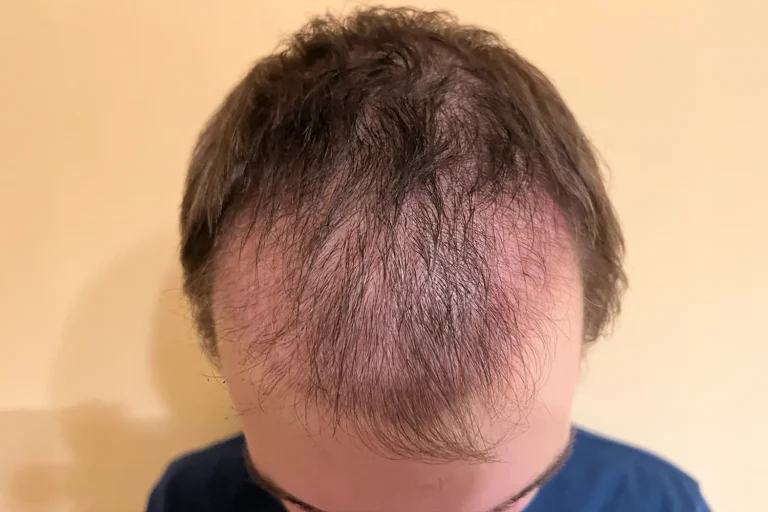
Diagnostic Parameter Tinea Capitis Alopecia Areata Seborrheic Dermatitis Primary Etiology Dermatophyte fungal infection (Microsporum / Trichophyton) Autoimmune response targeting hair follicles Overgrowth of Malassezia yeast and inflammatory reaction Scalp Scaling Present (fine grayish scales or thick crusting) Absent (scalp is smooth and clinically normal) Present (greasy, yellowish, or diffuse white flakes) Hair Shaft Appearance Broken […]
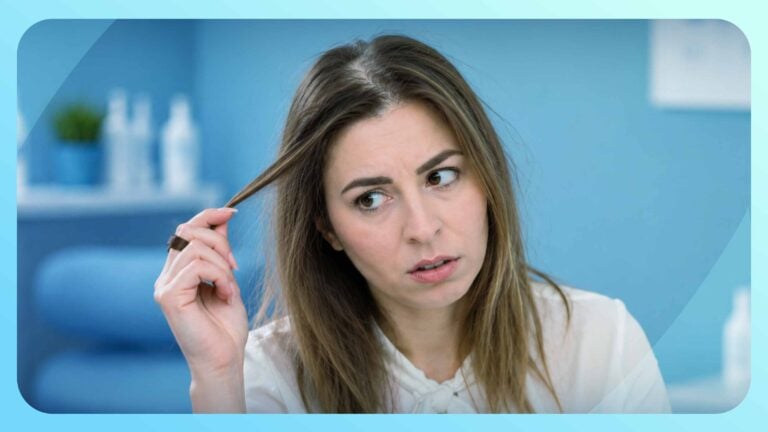
Medical Review by: Prof. Dr. Soner Tatlıdede – September 2026 Quick Summary (TL;DR) Iron deficiency—specifically depleted serum ferritin stores—is one of the most prevalent nutritional triggers of diffuse hair shedding, particularly among women and vegetarians. Iron is not merely a component of blood cells; it serves as a critical biological catalyst for cellular division and oxygen transport inside […]
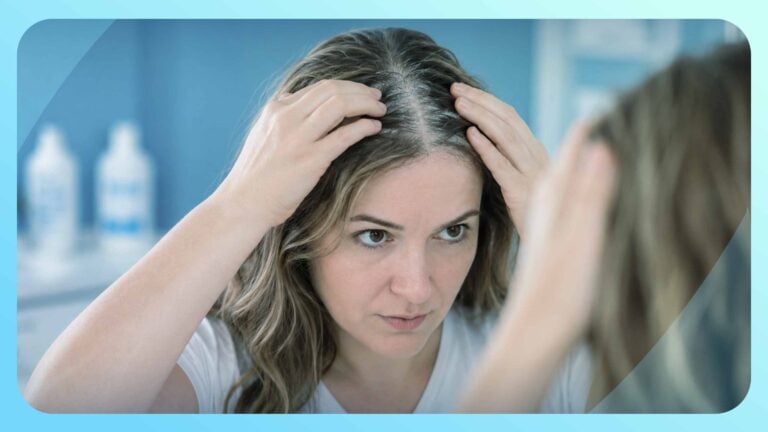
Medical Review by: Prof. Dr. Soner Tatlıdede – September 2026 Direct Definition: What Is Female Pattern Baldness? Female pattern baldness (androgenetic alopecia in women) is a genetically influenced condition characterized by progressive hair thinning across the vertex and widening of the central part line, while usually preserving the frontal hairline. Unlike male pattern hair loss, which frequently causes […]


Thank you!
Your details have been successfully submitted. Thanks!