


PRP Therapy vs. Mesotherapy: Which Boosts Hair Growth Faster?
Investing in a hair transplant is a significant decision that represents a commitment to restoring not just your hair, but your self-confidence. However, the procedure itself is only the beginning of the journey.
Once you leave the operating room, your scalp enters a critical recovery phase where the newly implanted follicles must anchor themselves and begin the complex biological process of generating new hair shafts.
This is where supportive therapies become essential. In our clinical practice, we often encounter patients who are eager to do everything possible to protect their investment and maximize their results.
Two of the most common and effective non-surgical options discussed are Platelet-Rich Plasma (PRP) therapy and Mesotherapy.
Both treatments offer distinct benefits, yet they function through very different mechanisms. Understanding these differences is key to creating a post-operative care plan that aligns with your specific needs and ensures the longevity of your transplant.
Maximizing Your Transplant Investment
When you undergo a hair transplant, it is easy to view the surgery as the finish line. However, from a medical perspective, the surgery is actually “Step One.”
The months following the procedure are just as critical as the day of the operation itself. To understand why, we often use the “Soil and Seed” analogy with our patients.
Think of your new hair grafts as high-quality seeds. The surgeon has meticulously planted these seeds into your scalp.
However, for a seed to flourish, sprout, and grow into a strong plant, the soil must be fertile, nutrient-rich, and well-hydrated.
In this analogy, your scalp is the soil. If the scalp environment is poor—lacking blood flow or essential nutrients—even the best grafts may struggle to thrive.
In our medical experience, patients who integrate supportive therapies into their recovery plan often see faster healing times and higher density.
This is largely because these treatments help mitigate “shock loss.” Shock loss is a temporary shedding of native and transplanted hair due to the trauma of surgery.
By improving the health of the scalp, we can often reduce the severity of this phase and encourage the follicles to enter their growth (Anagen) phase sooner.
What is PRP (Platelet-Rich Plasma)?
The “Natural” Healer
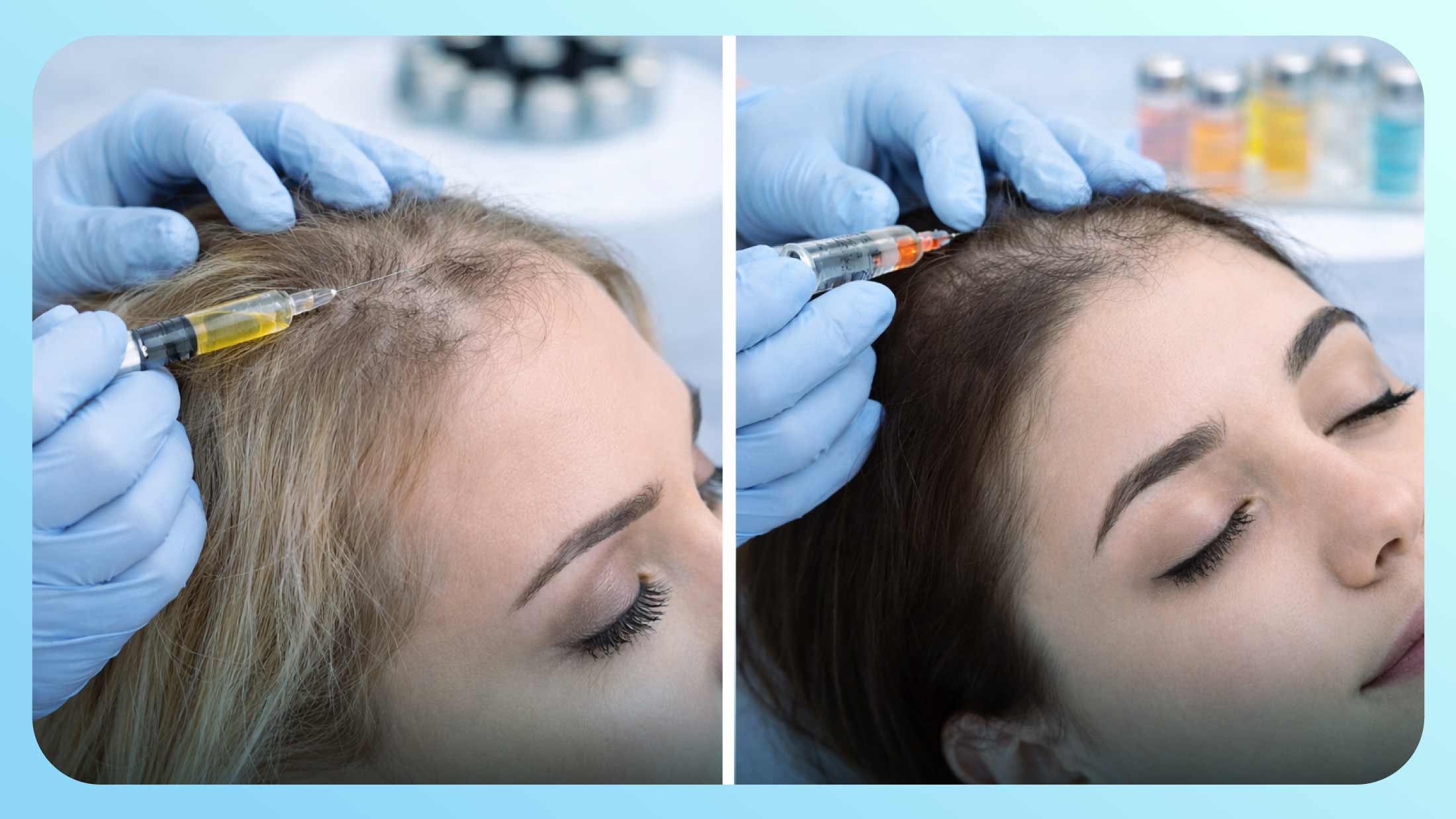
PRP therapy has gained immense popularity in restorative medicine, not just for hair loss, but for orthopedics and wound healing.
Its primary appeal lies in its safety profile and natural origin. PRP is an autologous treatment, meaning it is derived entirely from your own body.
There are no synthetic chemicals or foreign substances involved, which virtually eliminates the risk of allergic reactions or rejection.
Using your own blood
The process begins with a simple blood draw, similar to a routine lab test. We collect a small amount of your blood and place it into a specialized centrifuge.
This machine spins at high speeds to separate the blood components based on their density. Red blood cells are separated from the plasma.
The resulting “gold” liquid is plasma that is highly concentrated with platelets—typically three to five times the concentration found in normal circulating blood.
How it works: Repairing tissue and waking up follicles
Platelets are best known for their ability to clot blood, but they are also powerhouses of healing. They are packed with growth factors, such as Platelet-Derived Growth Factor (PDGF) and Vascular Endothelial Growth Factor (VEGF).
When this concentrated plasma is injected into the scalp, it triggers a biological response that mimics the body’s natural injury repair mechanism.
Key biological actions include:
- Angiogenesis: The formation of new micro-blood vessels, which improves oxygen delivery to the hair root.
- Collagen Production: Strengthening the tissue structure of the scalp.
- Follicle Stimulation: Pushing dormant hair follicles from the resting phase back into the active growth phase.
Best for: Post-op healing, tissue regeneration, and natural stimulation
In our clinical observations, PRP is exceptionally effective immediately following a transplant. Because it accelerates tissue repair, it helps the donor and recipient areas heal faster.
It is the gold standard for creating a healthy, vascularized environment for new grafts to anchor securely.
What is Mesotherapy?
The “Nutrient Cocktail”
While PRP relies on your body’s internal resources, Mesotherapy takes an external approach. It involves delivering a potent blend of nutrients directly into the middle layer of the skin (the mesoderm), where the hair follicles reside.
Think of this as a targeted, high-dose vitamin supplement delivered exactly where it is needed most, bypassing the digestive system entirely.
A mix of vitamins, minerals, amino acids, and DHT blockers
The exact formula of a Mesotherapy cocktail can vary, but high-quality clinical formulations typically include a precise balance of ingredients essential for keratin production and follicle health.
Common ingredients include:
- Vitamins: Biotin (Vitamin B7), Niacin (Vitamin B3), and Pantothenic Acid (Vitamin B5) are crucial for hair structure.
- Minerals: Zinc and Copper, which prevent hair weakening.
- Amino Acids: The building blocks of proteins, necessary for constructing the hair shaft.
- Hyaluronic Acid: To hydrate the scalp and improve the extracellular matrix.
- DHT Blockers: Some formulations include plant-based ingredients like Saw Palmetto to inhibit Dihydrotestosterone (DHT), the hormone responsible for genetic hair loss.
How it works: Direct feeding of the hair root
Oral supplements can be effective, but they must pass through your digestive system, where absorption rates vary.
Mesotherapy ensures 100% bioavailability at the site of injection. By injecting these nutrients directly around the follicle, we provide the metabolic fuel the hair needs to grow thicker and stronger.
It improves the blood circulation in the scalp and regulates the micro-environment of the follicle.
Best for: Stopping active shedding, improving hair thickness/shine
We often recommend Mesotherapy for patients who want to improve the quality of their hair. It is excellent for halting active shedding (often seen in stress-related hair loss) and for making existing hair appear shinier, thicker, and more vibrant.
Head-to-Head Comparison: Blood vs. Vitamins
To help you understand the practical differences between these two therapies, our clinical team has compiled this comparison based on general medical protocols.
| Feature | PRP Therapy | Mesotherapy |
| Primary Ingredient | Your own blood (Autologous platelets). | Synthetic cocktail (Vitamins, minerals, acids). |
| Main Mechanism | Tissue repair, angiogenesis, and growth factor release. | Nutrient delivery and DHT inhibition. |
| Best For | Post-op healing, graft survival, genetic thinning. | Hair quality, texture, stopping active shedding. |
| Frequency | Typically once a month for 3-4 months. | Can be done weekly or bi-weekly initially. |
| Risk of Allergy | Near zero (uses your own tissue). | Low, but possible (reaction to ingredients). |
| Pain Level | Mild discomfort (scalp injections). | Mild discomfort (superficial micro-injections). |
| Cost | Generally higher due to preparation kits. | Generally lower per session. |
Which One Do You Need After a Transplant?
The choice between PRP and Mesotherapy is not necessarily about which is “better” in a vacuum, but rather which is more appropriate for the specific stage of your recovery journey.
Immediate Post-Op (Month 1-3): Why PRP is King
In the first few months following your hair transplant, the priority is survival. The newly implanted grafts have been separated from their original blood supply and are under metabolic stress. The scalp tissue has also undergone trauma from the incisions.
During this phase, PRP is generally the superior choice. The high concentration of growth factors actively accelerates wound healing and promotes the formation of new blood vessels.
This “re-vascularization” is critical for the grafts to receive the oxygen they need to survive. We observe that patients who undergo PRP treatments in the early post-op window often experience less redness, faster scabbing resolution, and improved graft retention rates.
Long-Term Maintenance (Month 6+): Why Mesotherapy Shines
Once the grafts are securely anchored and the initial healing phase is complete, the focus shifts to the aesthetic quality of the hair. Around the six-month mark, the new hair begins to grow in, but it may initially be fine or wispy.
This is where Mesotherapy becomes highly beneficial. By providing a direct infusion of amino acids and vitamins, Mesotherapy supports the metabolic demands of the rapidly dividing hair cells.
It helps the new hair shafts thicken and mature into “terminal” hairs more efficiently. It acts as a fertilizer that ensures the crop you planted grows lush and strong.
The “Combo” Protocol (Why Choose One?)
In modern restorative medicine, we rarely rely on a single modality if a combination offers superior results. The biological mechanisms of PRP and Mesotherapy are complementary, not contradictory.
Synergistic effects: Using PRP to repair and Mesotherapy to feed
Combining these treatments can create a powerful synergy. PRP works on the “hardware” of the scalp—improving the soil quality, blood flow, and tissue health.
Mesotherapy provides the “software” or fuel—the raw materials needed to build hair protein.
By using PRP to stimulate the follicles and Mesotherapy to feed them, we attack hair loss from two different angles.
This dual approach is often more effective than either treatment alone, particularly for patients with advanced thinning or those who want to ensure the absolute best outcome from their transplant.
Clinicana’s standard protocol for premium packages
At Clinicana, we understand that every patient’s biology is unique. However, for our comprehensive care packages, we often design protocols that integrate both therapies.
For example, a patient might receive PRP immediately during or after the surgery to kickstart healing, followed by a schedule of Mesotherapy sessions later in the recovery year to boost hair caliber.
This holistic approach ensures we are supporting the hair at every stage of its lifecycle.
Frequently Asked Questions (FAQ)
Does PRP really regrow dead hair?
No. It is important to have realistic medical expectations. PRP can stimulate dormant or miniaturized follicles that are still alive but producing thin hair.
It cannot revive a follicle that has completely died or scarred over.
If an area of the scalp is completely bald and shiny, a hair transplant is usually the only method to restore hair to that area.
How many sessions do I need for visible results?
This varies by individual and the extent of hair loss. For PRP, a standard protocol often involves 3 to 4 sessions spaced about one month apart.
Maintenance treatments may be needed every 6 to 12 months thereafter.
For Mesotherapy, an initial course of 4 to 6 sessions is common.
Visible improvements in hair texture and reduced shedding are typically noticed after the third or fourth session.
Is Mesotherapy painful?
Most patients report only mild discomfort. The needles used for Mesotherapy are extremely fine (micro-needles) and only penetrate the superficial layers of the scalp.
Many clinics use numbing creams or vibration devices to minimize any sensation during the procedure. It is generally well-tolerated without the need for sedation.
Can I do these treatments at home?
We strongly advise against attempting these treatments at home. Both PRP and Mesotherapy require sterile medical environments to prevent infection.
PRP requires precise centrifugation to isolate viable platelets, which cannot be done with home kits.
Mesotherapy requires knowledge of anatomy to inject at the correct depth without damaging the follicles.
Home dermal rollers (microneedling) are available but are far less effective and carry significant infection risks if not used correctly.
Are these included in Clinicana’s hair transplant package?
Many of our premium hair transplant packages include an initial session of PRP therapy to be performed immediately after the surgery to aid in healing.
Long-term Mesotherapy or additional PRP sessions can be arranged as part of a comprehensive aftercare plan. We recommend discussing your specific package details with our medical coordinators.
Conclusion: Feed Your Follicles for Best Results
Hair restoration is a partnership between the surgeon’s skill and the patient’s biological response. While the technical execution of the transplant is our responsibility, the environment in which those grafts grow depends largely on how you care for your scalp post-surgery.
Don’t neglect your aftercare
Think of supportive therapies not as optional extras, but as insurance for your hair transplant. Whether you choose the regenerative power of PRP, the nutritional boost of Mesotherapy, or a combination of both, you are taking active steps to secure the longevity of your results.
Ask your Clinicana medical advisor for a personalized maintenance plan
There is no “one size fits all” in medicine. Your age, the extent of your hair loss, your donor quality, and your lifestyle all play a role in determining the best aftercare.
We encourage you to have an open conversation with your medical advisor at Clinicana. We can review your case and recommend a tailored timeline of therapies designed to give you the dense, natural-looking hair you deserve.
When Should You See a Doctor?
While therapies like PRP and Mesotherapy are generally safe, it is crucial to monitor your scalp health closely, especially after a transplant. You should seek immediate professional medical attention if you experience:
- Signs of Infection: Redness that spreads, excessive swelling, warmth, or pus at the injection or transplant sites.
- Unusual Pain: Severe pain that is not relieved by standard over-the-counter pain relievers.
- Allergic Reaction: Hives, difficulty breathing, or severe swelling after a Mesotherapy session (rare but possible).
- Sudden Patchy Hair Loss: Sudden development of bald patches (Alopecia Areata) that is distinct from the expected post-operative shock loss.
- Necrosis: Darkening or blackening of the skin on the scalp, which could indicate compromised blood flow.
Contact us now – get a free medical consultation
If you are considering a hair transplant or looking for ways to maintain your existing hair, our team is here to guide you. Contact Clinicana today for a professional evaluation of your hair loss and a customized treatment strategy.
Medical Disclaimer: This content is for informational purposes only and does not replace professional medical consultation.


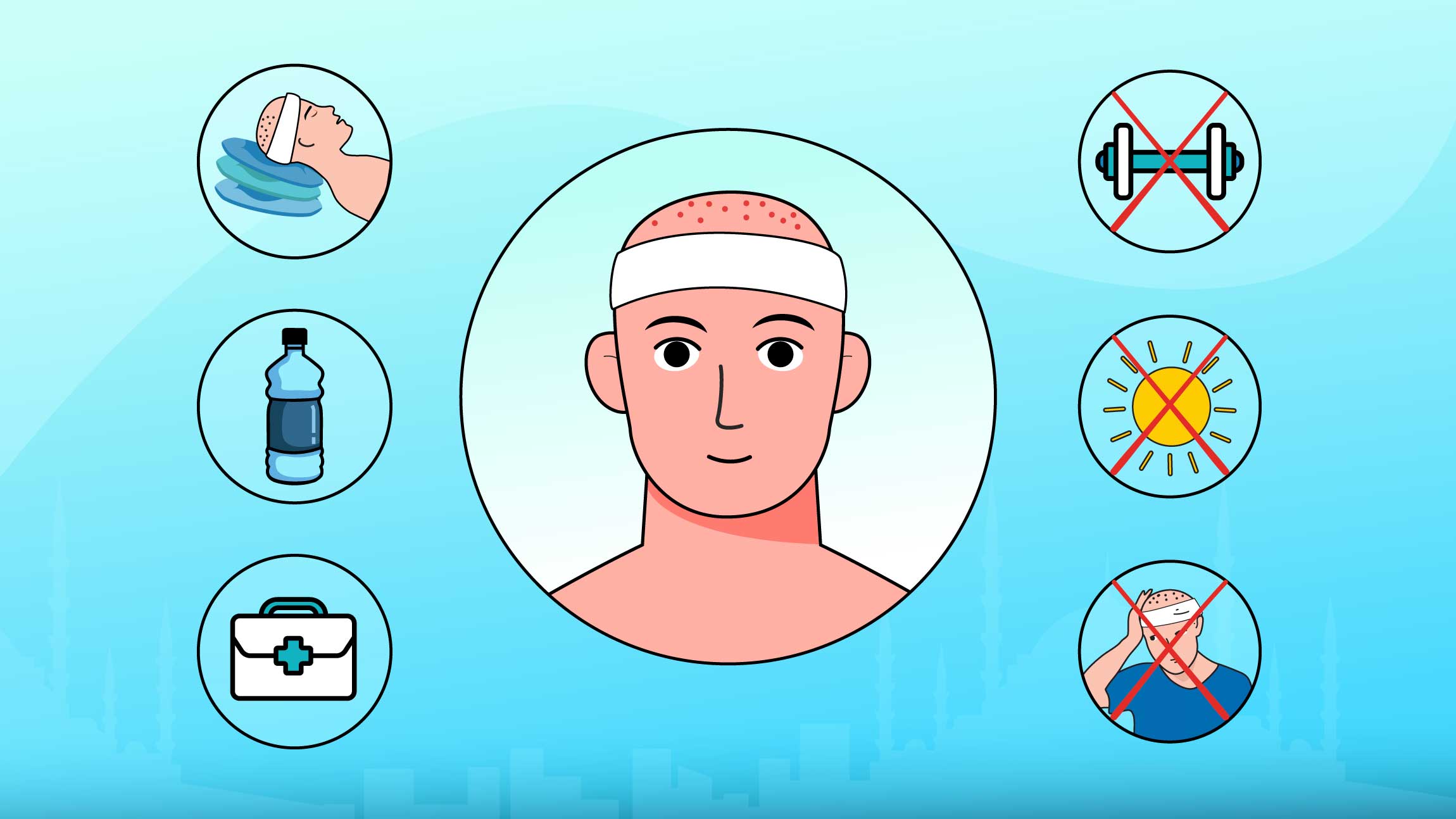
The success of your hair transplant doesn’t end when you leave the operating room. In fact, the most critical work begins the moment you step out of the clinic. The first two weeks are the defining period for your results. During this time, your new hair grafts are fragile, living entities that are working hard […]
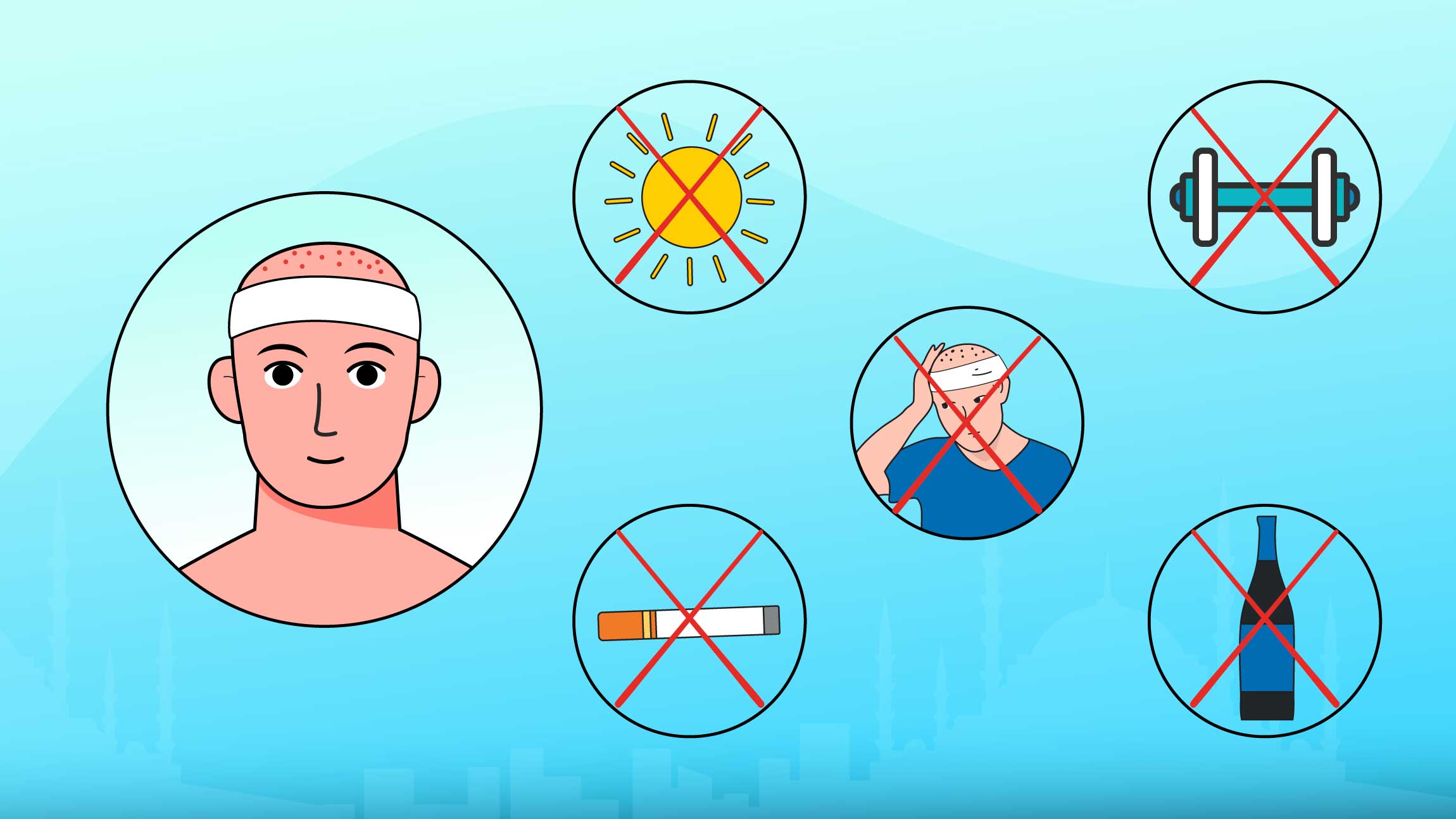
Congratulations on completing your hair transplant. While the surgical part is finished, the success of your restoration now depends heavily on the recovery phase. In our clinical experience, the first two weeks post-surgery are just as critical as the procedure itself. Understanding what to avoid after a hair transplant is essential because your new follicles […]
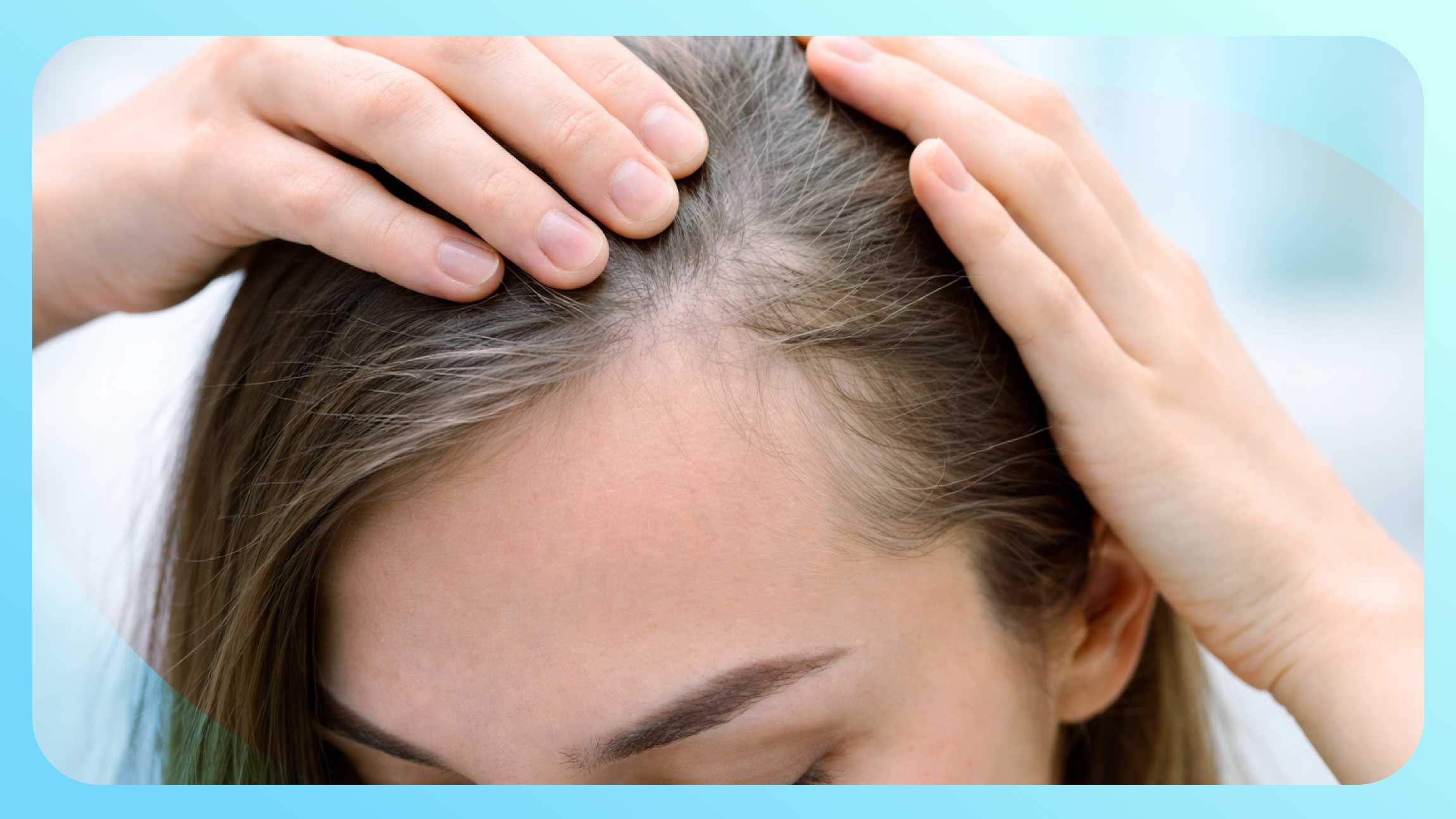
Hair loss is often culturally discussed as a male issue, but in our clinical experience, the impact on women is frequently more profound and emotionally distressing. For a woman, hair is often tied closely to identity and femininity. Losing it can feel isolating. Fortunately, the medical field has evolved. We no longer treat female hair […]


Thank you!
Your details have been successfully submitted. Thanks!