


Vitamin D and hair loss: Everything you need to know
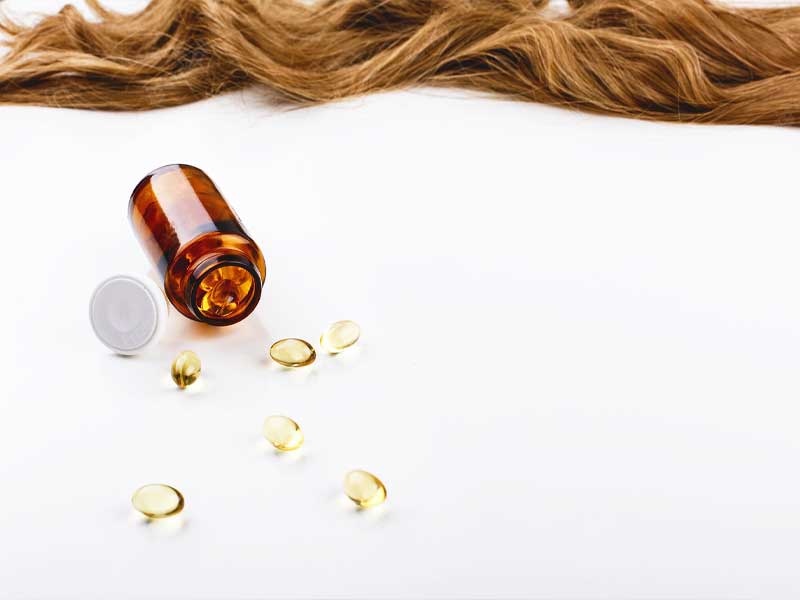
Experiencing thinning hair despite a healthy lifestyle can be confusing, especially when the cause remains hidden beneath the surface.
While many factors contribute to thinning, Vitamin D deficiency is a common yet often overlooked culprit that can be easily addressed to restore the strength and vitality of your follicles.
Many people are unaware that Vitamin D is more than just a nutrient; it acts as a hormone that plays a crucial role in stimulating new and old hair follicles.
When your levels are low, the hair growth cycle is disrupted, leading to increased shedding and slower regrowth.
In this comprehensive guide, we will explore the direct link between ‘the sunshine vitamin’ and hair health, the clinical signs of deficiency you should watch for, and the most effective ways to balance your levels through diet, supplements, and safe sun exposure to ensure long-term hair density.
Why is so important vitamin D for hair?
We have already explained that vitamin D fulfills a series of essential functions to regulate our body and maintain our health; by allowing calcium absorption, it not only reduces the risk of bone fractures, but also increases muscle strength.
But in addition, vitamin D helps nails and hair by strengthening them, and stimulating their growth. And hence the importance of vitamin D for hair loss.
Because, if your hair is deficient in vitamin D, it will become weak and brittle, while hair with sufficient vitamin D will be strong, healthy and vigorous; that is because vitamin D is responsible for strengthening and stimulating follicles (not to be confused with follicular units, which are key in FUE hair transplant).
But then, if vitamin D is so essential for hair, what happens if you don´t have enough of it? Does vitamin D deficiency cause hair loss? Let´s see it.
Can vitamin D deficiency cause hair loss?
Can lack of vitamin D cause hair loss? Do not forget that vitamins are essential for maintaining hair health, and D is no exception.
If in adequate doses it strengthens and stimulates hair, vitamin D deficiency makes hair weak, with no strength or shine, and makes it brittle.
In addition, in many cases a lack of vitamin D causes hair to fall out (although not as quickly as with telogen effluvium); so, if we suffer from alopecia, this deficiency can aggravate our hair problems.
Is hair loss due to vitamin D reversible?
So, what happens when hair loss due to low vitamin D occurs? Well, we have some good news for you: hair loss due to vitamin D deficiency is usually reversible, and once the vitamin levels are restored to normal, follicles start to work back as usual and hair regrows.
Of course, it all will depend on the levels of vitamin D deficiency your hair gone through: the lower the vitamin D levels, the bigger the damage to your hair;
but if no other problems or diseases are involved, your hair should grow back normally after 6 months once deficiency is over.
How do I know if have low vitamin levels?
Although vitamin D causes hair loss, we must remember that, since this vitamin is synthesized in the skin, we can observe the first vitamin D deficiency symptoms before hair loss occurs in the skin itself: redness, dry or irritated skin, appearance of scales or skin rashes, etc.
However, the thing is that the signs that may indicate a deficiency of this vitamin are multiple, and can often be confused with other pathologies if not analyzed by a specialist.
In summary, some of the main consequences and symptoms that lack of vitamin D causes in our health, are the following:
- hair loss
- bone pain (mainly in the back and hips)
- loss of bone density
- muscular weakness
- headaches
- fatigue
- insomnia
- depression
- increased rickets in children
Although there is still no scientific consensus, some experts have linked low levels of vitamin D in the body with certain diseases such as diabetes or hypertension, and even with autoimmune diseases such as multiple sclerosis (MS),
as well as with certain types of tumors, such as breast cancer, according to published studies.
Nowadays, and due to a more sedentary lifestyle, vitamin D deficiency is a very common problem among the population, and often people are not aware of it.
According to some estimates, around 60% of adults suffer from a deficiency of this vitamin, a percentage that increases to 80% among the elderly, because over the years the body loses its ability to synthesize vitamin D.
What can I do if I have hair loss and vitamin D deficiency?
Vitamin D is synthesized thanks to the action of sunlight, which triggers a chemical reaction in the skin: hence hair loss due to lack of vitamin D is more common during winter months, or in cold climates.
Therefore, the most natural way to increase our vitamin D levels is to expose ourselves to the sun: 15-20 minutes a day is more than enough.
Apart from the sun, another key to increase vitamin D levels are nutritional factors and supplements, although compared to the sun, food only accounts for about 10% of the natural source of vitamin D in our body. Some foods rich in vitamin D are:
- eggs
- cheese
- milk and yogurts
- oily fish (sardines, salmon)
- beef liver
- some yeasts and algae
- cod liver oil
So, this is why vitamin D and hair loss are so connected. In any case, even if you choose the best vitamin D supplement for hair loss, you should take it only under a specialist supervision.
And of course, if you are suffering from any problem with your hair, our advice is clear: always choose the best experts.
Do you know Clinicana? We are the best hair transplant clinic in Turkey, with skilled experts in all kinds of hair treatments. Just request a free consultation, and ask us for a free, no obligation estimate… Put your hair in the best hands!
Read More:
Foods that cause hair loss: do NOT eat this!!
How to repair damaged hair: common causes and treatments
Hair loss after pregnancy: how to prevent postpartum hair loss



In our daily practice at the hospital, we meet two types of patients. The first group is ready for transformation and seeks the permanent solution of a hair transplant. The second, and perhaps larger group, asks a critical question: “Doctor, is surgery my only option?” The answer, fortunately, is no. While hair transplantation remains the […]

Hair loss is a progressive condition that affects not only your appearance but also your psychological well-being. For decades, patients felt their only choices were invasive surgery or ineffective topical creams. However, the field of regenerative medicine has evolved rapidly, offering powerful biological solutions that harness the body’s own ability to heal. If you are […]
Managing the daily challenges of an autoimmune condition like lupus is demanding, and noticing sudden hair thinning or scarring can add a significant emotional burden. While lupus-related hair loss can be complex, understanding the difference between systemic shedding and discoid lesions is the first step toward finding the right treatment to manage symptoms and encourage […]


Thank you!
Your details have been successfully submitted. Thanks!