


When Can I Wear a Helmet After Hair Transplant? (Motorcycle & Bike
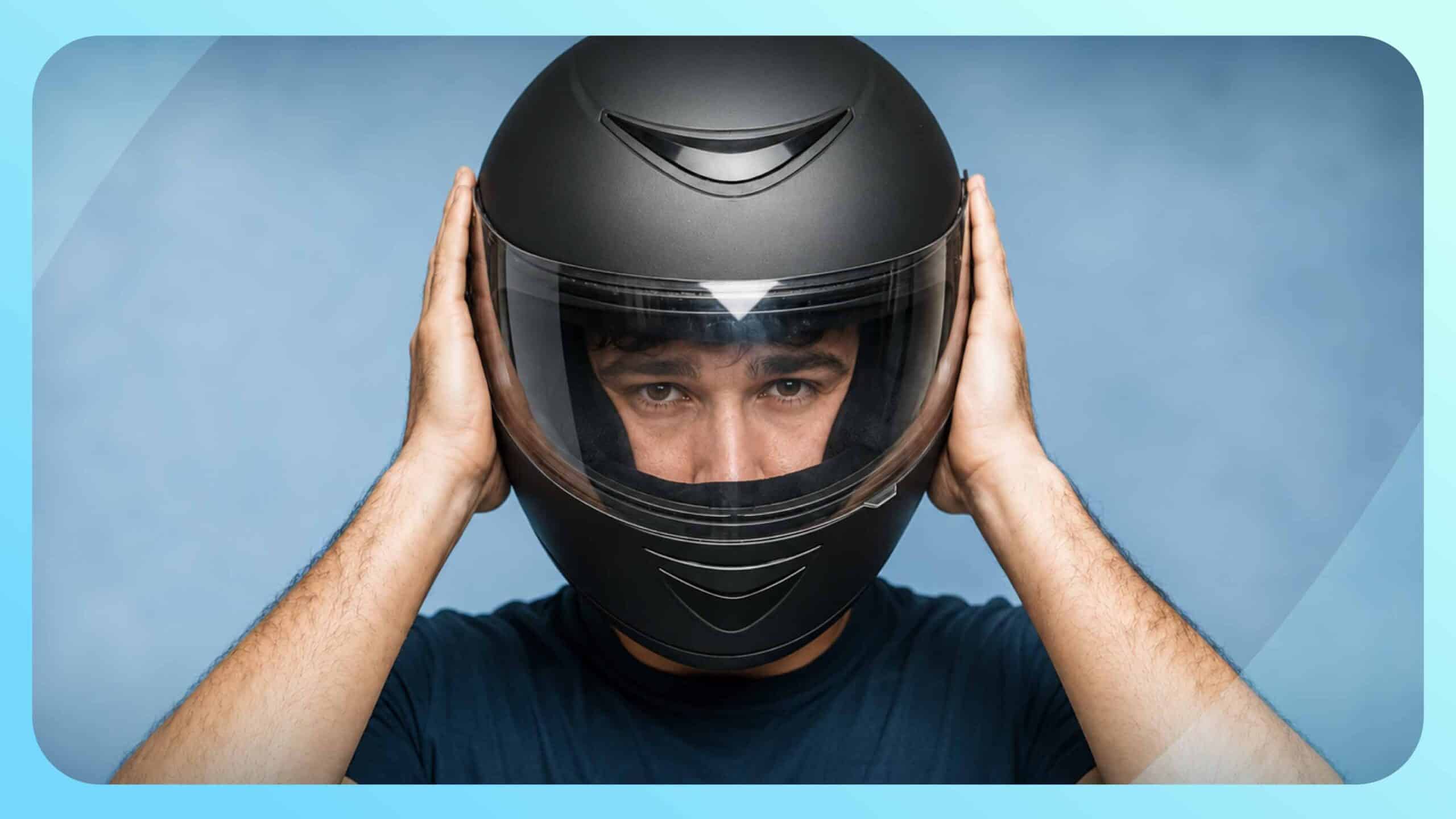
Before asking “When can I wear a helmet after a hair transplant?”, it is crucial to understand that patience is key to protecting your investment.
Every day, patients contact Clinicana not only to ask about the hair transplant cost in Turkey (Precio trasplante capilar Turquía), but also about the post-operative care required to ensure the best results.
If you are a motorcyclist, cyclist, or construction worker, wearing a helmet is part of your daily routine. However, putting pressure on newly implanted grafts too soon can dislodge them or cause poor growth.
In this article, we explain exactly how long you should wait, the risks involved, and how to safely return to your activities after a hair transplant in Turkey (Injerto capilar Turquía).
How long after hair transplant can I wear a helmet?
So, when can I wear a helmet after a hair transplant? Wearing a helmet is not different from carrying out other activities that imply contact with the transplanted hair, and that we should avoid during some time after the hair surgery.
Before wearing a helmet, implanted follicles must heal a take root properly, or the whole operation may end up in a complete failure.
In order to avoid this, once the operation is finished the patient receives detailed information with recommendations and precautions to take after the transplant: when cutting your hair, how to dye hair or wash it… and of course, when can you wear helmet after hair transplant.
These are not merely advices, but instructions that must be followed so that the postoperative period passes normally and that the hair surgery is fully successful.
After the intervention, the grafted area will be especially sensitive, with scars still visible and with grafts still settling on the scalp;
and although grafts normally need about 10 days to settle correctly, in what concerns to the use of a bike or work helmet after hair transplant, the waiting period is longer.
Normally, it is recommended to wait at least a month to wear a helmet after hair surgery: this is valid for any type of helmet (bicycle, work, motorbike, etc.).
However, these times may vary in each patient, so it is very important to ask the surgeon who performed the intervention, because he/she will be the one who determines the necessary waiting period.
Why should I wait after a hair surgery?
As you probably know, the FUE (Follicular Unit Extraction) technique for hair transplantation extracts follicles from the donor area – usually the back of the head – and implants them one by one in the recipient area;
this area, after the operation, will be especially sensitive and must be treated very delicately, avoiding any contact or any type of pressure during the first days after the treatment.
In this way, the risk of infection or complications during the healing process is minimised; furthermore, grafts need time to settle and take root, and touching them may be disastrous.
For all these reasons, wearing a helmet after the hair transplant can put a dangerous pressure on the operated area – both in the recipient and in the donor area – and cause damage to it, which could alter the results of the surgery and even cause its total failure.
What other recommendations should be taken after a hair traspantant?
In addition to not wearing a helmet after a FUE hair transplant for up to a month, the hair surgery specialist in charge of our operation must provide us the necessary recommendations and guidelines to follow after the intervention, to ensure that it is fully successful.
These guidelines can include many different topics: from how to protect your head from solar radiation or avoid certain medications, to advices on hair products or on doing sports.
Some of the most common recommendations are the following:
- Avoid direct sunlight on the operated area for at least a month.
- Do not immerse your head in sea or pool water, at least for a month.
- Avoid any type of pressure on the operated area.
- Wash the head with a special shampoo, using gentle movements and never rubbing.
- Wait at least two weeks for low intensity physical activities, and 3-4 weeks for sports that require great effort, especially if they involve physical contact.
- Do not drink alcohol – which is a vasodilator – during the first weeks after the operation.
- Do not smoke, as it harms healing and increases the risk of infection after the operation.
- Avoid medications that may cause bleeding, such as aspirin.
- Avoid all kinds of sudden head movements during the first days.
Although not wearing a helmet after hair transplant is important, the most important thing for the success of any transplant is that it is carried out by a medical team with enough experience and skills, something that not all clinics can offer.
Clinicana is the best hair transplant clinic in Turkey: request your free consultation, and ask us for a free, no obligation estimate for your treatment. There is still time to save your hair!!


Diagnostic Parameter Tinea Capitis Alopecia Areata Seborrheic Dermatitis Primary Etiology Dermatophyte fungal infection (Microsporum / Trichophyton) Autoimmune response targeting hair follicles Overgrowth of Malassezia yeast and inflammatory reaction Scalp Scaling Present (fine grayish scales or thick crusting) Absent (scalp is smooth and clinically normal) Present (greasy, yellowish, or diffuse white flakes) Hair Shaft Appearance Broken […]

Medical Review by: Prof. Dr. Soner Tatlıdede – September 2026 Quick Summary (TL;DR) Iron deficiency—specifically depleted serum ferritin stores—is one of the most prevalent nutritional triggers of diffuse hair shedding, particularly among women and vegetarians. Iron is not merely a component of blood cells; it serves as a critical biological catalyst for cellular division and oxygen transport inside […]
Medical Review by: Prof. Dr. Soner Tatlıdede – September 2026 Direct Definition: What Is Female Pattern Baldness? Female pattern baldness (androgenetic alopecia in women) is a genetically influenced condition characterized by progressive hair thinning across the vertex and widening of the central part line, while usually preserving the frontal hairline. Unlike male pattern hair loss, which frequently causes […]


Thank you!
Your details have been successfully submitted. Thanks!