


How to Choose the Right Hair Transplant Clinic in Turkey: 7 Red Flags to Avoid

Thousands of people fly there every year, hoping to restore their hair—and confidence—at a more affordable price. But here’s the truth: not every clinic is created equal.
Of course, while some offer top-notch care and life-changing results, others cut corners in ways that can leave you with permanent damage.
That’s why choosing a premier destination for hair transplants in Turkey isn’t just about getting a good deal—it’s about protecting your health, your appearance, and your wallet
Let’s walk through the red flags, so you know exactly what to avoid.
Why Choosing the Wrong Clinic Can Cost More Than Money
When it comes to medical procedures, cheaper isn’t always better— and hair transplants are no exception.
Real Patient Regrets: Scars and Unnatural Results
We’ve all seen the horror stories online —patients who ended up with weird hairlines, scarred scalps, or patchy regrowth. Some people end up spending more money correcting botched jobs than they would have spent going to a reputable clinic in the first place.
And the worst part? Some of the damage is irreversible. People are walking around with burn scars from poorly calibrated equipment or pluggy results that scream “ bad transplant” from a mile away!
Surgeons vs Technicians: Who Actually Performs Your Procedure
A huge issue in some Turkish clinics is that the surgeon you consult with. He may not even be in the room during your procedure. Instead, the work is handed off to unqualified technicians.
In Turkey, that’s actually illegal— but it happens way too often.
So if you’re searching for a hair transplant at Turkey’s best clinic, this is a massive red flag to watch for. You have to avoid bad clinics in Turkey where you’re treated like a number, not a patient!
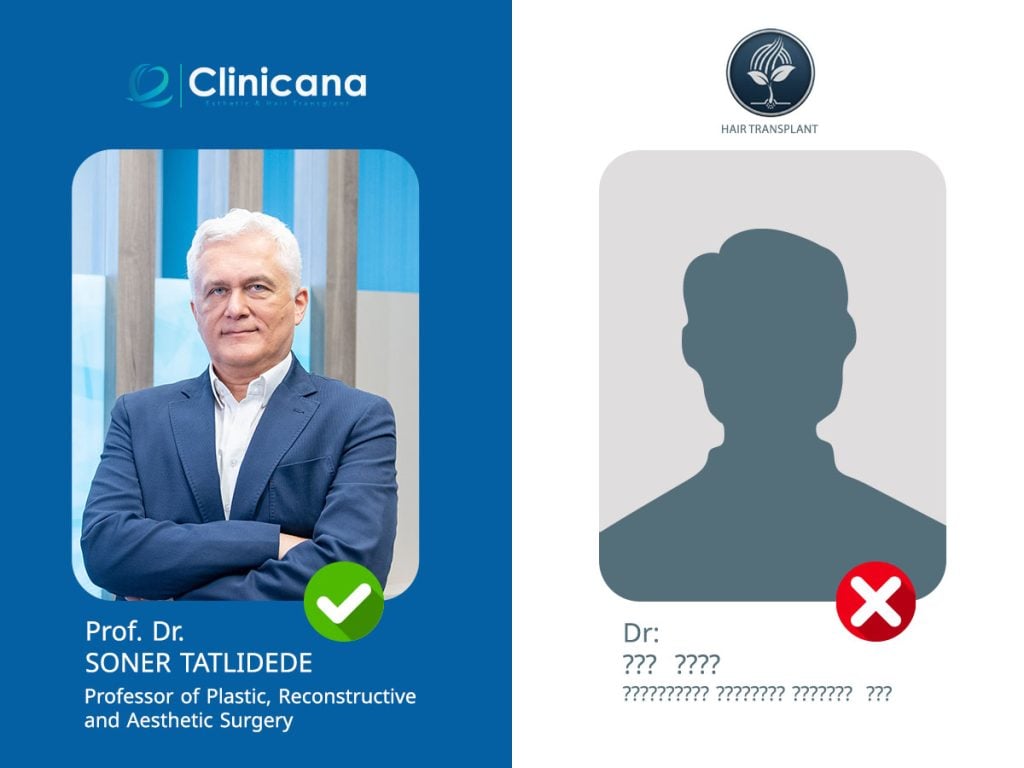
Red Flag #1: No Named Surgeon Listed
You’d be surprised how many websites don’t even mention who their surgeon is. That’s not an oversight— it’s intentional.
Why Clinics Hide Surgeon Names (Mass Production Warning)
If a clinic doesn’t name its surgeon, it usually means they’re operating on a “conveyor belt ” system. They’re booking 10, 15, even 20 patients a day.
And let’s be real: no surgeon on Earth can personally handle that many transplants. These places are about quantity, not quality!
What to Verify: Surgeon Credentials, License, ISHRS Membership
A legit hair transplant clinic in Turkey will proudly share the surgeon’s full name, credentials, medical license number, and ISHRS membership (International Society of Hair Restoration Surgery). If that info’s missing, you are strongly advised to keep scrolling.
Need tips on how to find a good surgeon in Turkey? It is very important to check the ISHRS member database, ask for before-and-after pics of that doctor’s work, and schedule a video call before booking anything.
Red Flag #2: Suspiciously Cheap “All-Inclusive” Packages
We all love a good deal, but some offers are too good to be true.
Unrealistic Graft Promises (5,000+ Grafts Red Flag)
A common trick is to promise sky-high graft numbers ( like 5,000 +) regardless of whether you actually need that many. It may sound impressive, but it’s not realistic —or safe! Over-harvesting from your donor area can cause permanent damage.
Luxury Perks Don’t Equal Quality Medical Care
Let’s be clear: a nice hotel and free airport pickup don’t make a clinic good at hair transplants. It is very necessary to focus on medical quality, not luxury perks.
A truly great hair transplant clinic in Turkey will emphasize surgical standards, not only tourism packaging!
Read More: Hospital-Based vs Private Hair Transplant Clinics: Which is Safer?
Red Flag #3: Fake or Stock Before/After Photos
You click on a website and see stunning transformations… but wait— haven’t you seen those pics somewhere else?
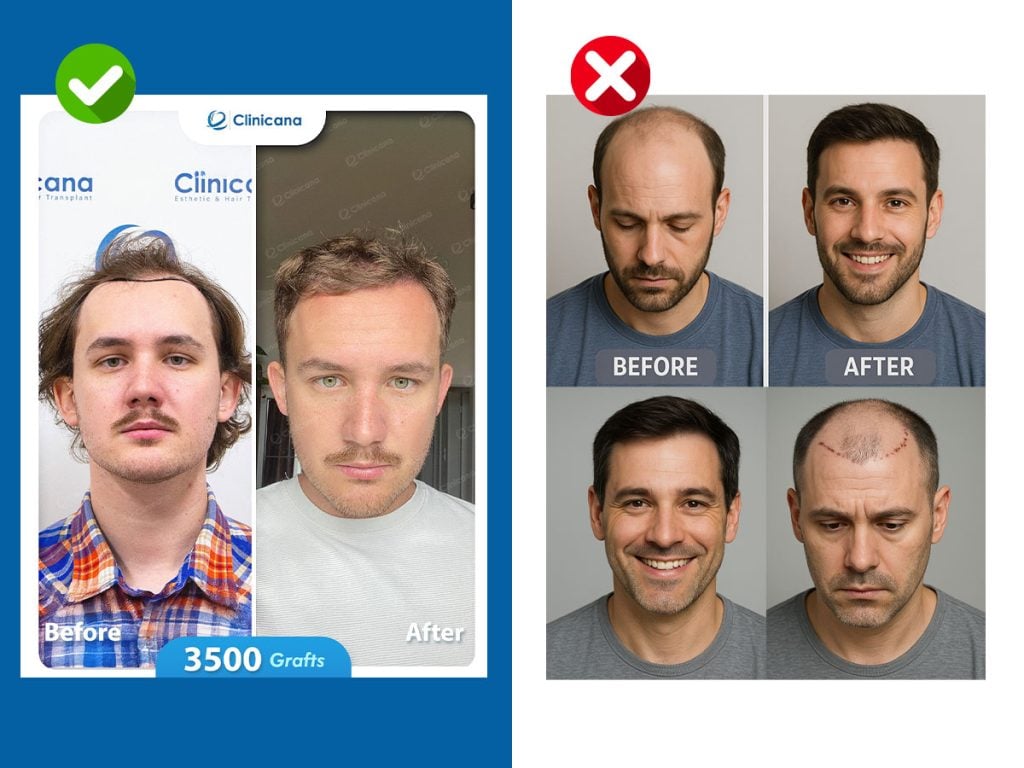
How to Spot AI-Generated or Stock Images
Some shady clinics use stock photos or even A -generated images to fake their results. If the lighting is too perfect, the backgrounds look like they were taken in a studio, or the faces are always hidden —you’re probably not looking at real patients.
What Genuine Before/After Photos Should Show
Genuine before-and afters should include different angles, visible time stamps (like “ 6 months post op”), and ideally some video or selfie-style follow-ups. If a clinic doesn’t show real patient journeys, there’s a chance it could be a fake hair transplant clinic!
Red Flag #4: No Post-Op Support or Aftercare Plan
The procedure is only half the story. Recovery is where the magic (or disaster ) happens.A clinic may nail the surgery but drop the ball afterward.
That’s a big problem, because things like infection, swelling, and shock loss can happen after you fly home.
Ask: Meds Included? WhatsApp Follow Up? PRP Session? Before booking, it is really important to ask if post op meds are included. Is there a WhatsApp line you can contact 24 /7?
Do they offer PRP sessions to support healing? The best hair transplant clinics in Turkey treat aftercare as seriously as the surgery itself.
Red Flag #5: Technician-Led Procedures (Illegal in Turkey)
According to Turkish law, only licensed doctors should make incisions and do graft extraction. But in many places, underpaid technicians do the entire procedure while the doctor pops in for five minutes— if at all.
Hairline design is an art and a science. If a technician is doing that instead of a surgeon, you’re gambling with your face.
When researching how to find a good surgeon in Turkey, this should be a non-negotiable: the doctor must handle the design and graft strategy personally.
Red Flag #6: No Graft Survival Guarantee or Touch-Up Policy
Even if the surgery seems successful, not all grafts survive —and that’s where a clinic’s guarantee matters.
It is really important to ask about their policy if your grafts don’t grow as expected. Do they offer free touch-ups? Is it in writing? If there’s no graft survival guarantee, that’s a major red flag —especially in budget clinics.
Also, you should ask about PRP or low-level laser therapy options. Clinics that offer follow-up treatments like PRP or LLLT are usually more invested in your long-term results. It’s one of the smartest ways to avoid bad clinics in Turkey.
Red Flag #7: Fake or Overly Positive Reviews
Every clinic has glowing reviews —so how do you separate fact from fiction?
Don’t just read star ratings. You are really advised to click through and read individual reviews. Do they sound copy-pasted or weirdly enthusiastic?
Are the profiles real people with photos and review history? You ask yourself all these questions first!
Also watch out for patterns— mentions of delays, unexpected pain, or ghosting after surgery. These are common complaints buried under fake praise.
Real hair transplant Turkey reviews will mention recovery, discomfort, and how issues were handled.
Bonus Checklist: How to Choose a Safe Hair Transplant Clinic
If you’re serious about doing this right, here’s what you should look for:
- Verify ISHRS Membership and JCI Accreditation
You’d better know that any good clinic should have global medical accreditation like JCI, or be affiliated with ISHRS. This means they meet international standards for safety and ethics. - Look for Real Patient Journeys (Not Just Before/After)
Of course, not just the before /after, but full journeys —redness, scabbing, regrowth, and everything in between. - Request a Video Consult With the Actual Surgeon
A solid clinic will offer a video consult with the actual surgeon— not just a coordinator. That’s how you confirm their involvement and start building trust. This is essential when learning how to choose a hair transplant clinic.
FAQ
Is it safe to get a hair transplant in Turkey?
Yes, if you choose a licensed clinic with JCI or Ministry of Health accreditation, an ISHRS-member surgeon, and transparent aftercare policies.
How do I verify a surgeon’s ISHRS membership?
Visit the official ISHRS website and use their member search tool. Always ask the clinic for the surgeon’s full name and credentials.
What is a realistic graft survival rate?
Reputable clinics report 85–95% graft survival. Be wary of clinics promising 100% or offering unrealistic graft numbers.
What should aftercare include?
Medications (antibiotics, anti-inflammatories), 24/7 WhatsApp/email support, PRP sessions (optional), and clear instructions for washing and sleeping.
Can technicians legally perform hair transplants in Turkey?
No. Turkish law requires a licensed physician to perform incisions, extractions, and implantations. Technician-only procedures are illegal.
How can I spot fake before/after photos?
Look for multiple angles, timestamps, visible healing stages, and patient testimonials. Avoid clinics with only studio-quality, faceless images.
Final Thoughts: Don’t Let a Low Price Cost You Your Hair
Actually, it’s easy to be tempted by a low price and glossy website, but you should remember: this is surgery— not shopping.
You’re not buying a gadget online; you’re making a permanent change to your body and appearance. That’s why finding a safe hair transplant in Turkey takes more than a Google search.
It is very important to do your homework, ask tough questions, and not settle for anything less than excellence!
Because when it comes to your hair—and your health—cutting corners isn’t worth the risk.


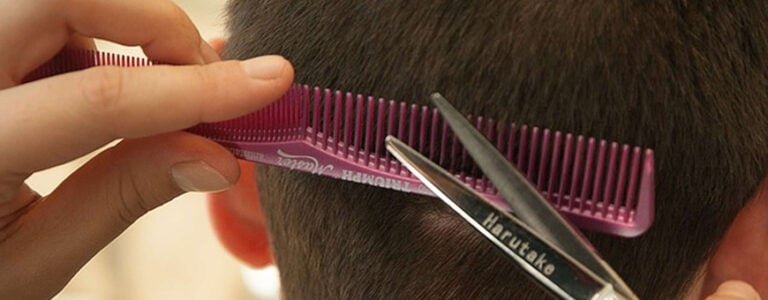
By Prof. Dr. Soner Tatlıdede · October 2026 When can you cut your hair after a hair transplant? Hair in the donor area can be trimmed after 1 month using scissors or clippers. As for the recipient area, trimming only the ends of the hair using scissors is permitted after 2 months. However, you must wait at […]
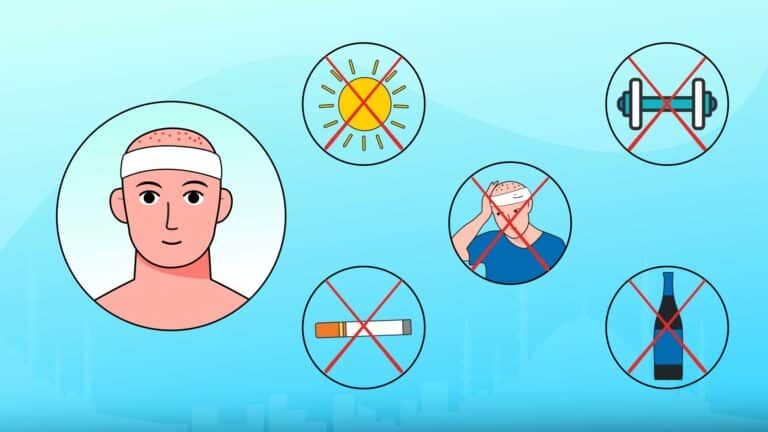
By Prof. Dr. Soner Tatlıdede · October 2026 Congratulations on completing your hair transplant. While the surgical part is finished, the success of your restoration now depends heavily on the recovery phase. In our clinical experience, the first two weeks post-surgery are just as critical as the procedure itself. Understanding what to avoid after a hair transplant […]
Scalp psoriasis and seborrheic dermatitis are chronic inflammatory conditions that frequently cause discomfort, itching, redness, and scaling. For individuals experiencing hair thinning alongside these conditions, severe anxiety often arises regarding permanent follicle loss and the feasibility of hair restoration. A central concern among patients is whether undergoing a hair transplant while managing scalp psoriasis is […]


Thank you!
Your details have been successfully submitted. Thanks!