


Is hair loss caused by hypothyroidism reversible?
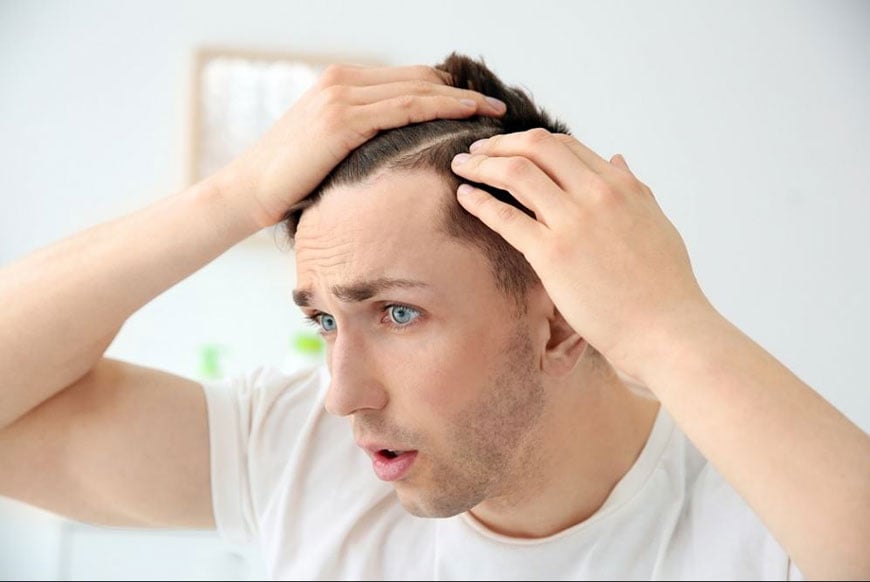
The physiological connection between the endocrine system and follicular health is a cornerstone of modern trichology.
Hypothyroidism, a common thyroid disorder, is often the silent catalyst behind persistent hair thinning and loss.
At Clinicana, we observe a significant number of international patients who seek hair restoration solutions, only to discover that their primary challenge stems from a metabolic imbalance.
Understanding the intricate link between the thyroid gland and the hair growth cycle is essential for any professional considering hair transplant surgery or therapeutic treatments in Turkey.
The Biological Intersection: How Hypothyroidism Disrupts Hair Cycles
To comprehend why hypothyroidism leads to hair loss, one must analyze the role of thyroid hormones (T3 and T4) in cellular metabolism.
These hormones are the primary regulators of oxygen consumption and protein synthesis within the dermal papilla.
When the thyroid gland is underactive, it fails to provide the necessary signals for cellular regeneration. This lack of hormonal stimulation disrupts the Anagen-Telogen balance. In a healthy scalp, roughly 85-90% of hair is in the growth phase.
However, hypothyroidism forces a disproportionate percentage of follicles into the Telogen (resting) phase and prevents them from re-entering the Anagen (growth) phase.
The result is a progressive, diffuse thinning that affects not only the scalp but often the eyebrows and body hair as well.
Distinguishing Hypothyroidism from Hyperthyroidism in Trichology
It is critical to differentiate between the two primary thyroid conditions. While hyperthyroidism (overactive thyroid) can lead to hair thinning that makes the hair feel fine and oily, hypothyroidism presents a unique set of challenges.
In an underactive state, the hair often undergoes a structural transformation before it falls out. Patients frequently report that their hair becomes:
- Structurally Fragile: A loss of tensile strength leading to frequent breakage.
- Altered Texture: Hair becomes excessively dry, coarse, and loses its natural luster.
- Diffuse Thinning: Unlike androgenetic alopecia, which follows a specific pattern, thyroid-induced loss is often widespread.
Clinical Indicators Beyond the Scalp
Hypothyroidism is a systemic disorder, and hair loss is rarely the only symptom. Clinical diagnosis often involves looking for a cluster of metabolic indicators:
- Dermatological Changes: Extreme skin dryness and a yellowish tint (carotenemia).
- Thermoregulation Issues: Increased sensitivity to cold and a consistently lower basal body temperature.
- Cognitive and Physical Fatigue: Persistent lethargy, memory fog, and unexplained muscle aches.
- Menstrual and Weight Fluctuations: Sudden changes in weight despite no dietary shifts and irregular cycles in female patients.
The Critical Question: Is the Damage Reversible?
The most pressing concern for patients is the reversibility of the condition. From a clinical perspective, the answer is nuanced.
Hair loss due to hypothyroidism is potentially reversible, but it is contingent upon several strategic factors:
- 1. Endocrine Stabilization Regrowth cannot begin until the hormonal imbalance is corrected. This typically requires long-term management with synthetic thyroid hormones (such as Levothyroxine).
- The objective is to bring the Thyroid Stimulating Hormone (TSH) levels back into the optimal clinical range.
- 2. The Follicular Recovery Window Once stabilization is achieved, the body requires a significant “reboot” period. It is not uncommon for hair loss to continue for a few weeks after starting medication, as the follicles transition through their cycles. Visible regrowth usually manifests within 4 to 6 months.
- 3. Factors Limiting Reversal If the hypothyroidism remained untreated for an extended period, the follicles might have undergone permanent miniaturization. In such instances, even with perfect hormone levels, the density may never return to its original state without external intervention.
Therapeutic Synergies and Supplements
While waiting for hormonal balance, patients can support follicular health through targeted nutrition. At Clinicana, we recommend avoiding “miracle guides” and focusing on scientifically-backed supplements:
- Keratin and Amino Acids: To provide the structural building blocks for the new hair shaft.
- Iron and Ferritin Levels: Hypothyroidism is often linked to low iron, which further exacerbates hair loss.
- Biotin and Complex B-Vitamins: To invigorate the scalp’s metabolic environment.
It is vital to note that pharmacological treatments like Minoxidil or Finasteride are often ineffective if the underlying cause is the thyroid. These drugs target androgenetic pathways, not metabolic ones.
The Role of Hair Transplantation in Thyroid Cases
When medical management fails to restore the desired density, hair transplantation becomes the definitive solution. However, the timing of the procedure is paramount. At Clinicana, our medical protocols dictate that:
- The patient must demonstrate stable TSH levels for at least 6-12 months.
- The hair loss must be stabilized to ensure the longevity of the transplanted grafts.
- A thorough scalp analysis is conducted to differentiate between thyroid-induced loss and co-existing genetic alopecia.
Turkey has become a global hub for these complex cases due to the high level of technical expertise in handling “fragile” donor areas.
Clinicana’s experience in navigating the intersection of systemic health and surgical aesthetics ensures that even patients with metabolic challenges can achieve high-density, natural-looking results.
Strategic Conclusion for Patients
Navigating hair loss while managing hypothyroidism requires a dual approach: medical stabilization followed by aesthetic restoration.
If you have noticed a significant change in your hair’s density or texture, the first step is an endocrine consultation.
Once your health is managed, Clinicana is ready to assist you in reclaiming your confidence through advanced restoration techniques.
We invite you to review our clinical outcomes and consult with our specialists to develop a personalized roadmap for your hair recovery journey in Istanbul.



By Prof. Dr. Soner Tatlıdede · June 2026 TL;DR: Why does my head sweat so much? Excessive head sweating (craniofacial hyperhidrosis) affects 3% of the population and occurs when sweat glands are overactive, triggered by stress, heat, certain foods, or medical conditions. Treatment options include proper scalp care, dietary changes, Botox injections, and prescription medications. […]

By Prof. Dr. Soner Tatlıdede • July 2026 Determining the best age for a hair transplant is one of the most frequent questions raised by individuals experiencing progressive hair thinning or androgenetic alopecia. In the medical world, answering this question goes far beyond a patient’s emotional desire to restore density and youthfulness; it relies on a deep […]
By Prof. Dr. Soner Tatlıdede • July 2026 TL;DR: Beard Transplant vs. Minoxidil comparison shows transplants offer permanent results ($2,500-$3,500 one-time) while Minoxidil requires daily application for 1-2 years with temporary effects. Transplants work on bald areas; Minoxidil only stimulates existing follicles. Transplants provide 90-95% graft survival at Clinicana; Minoxidil success depends entirely on your genetics. A […]


Thank you!
Your details have been successfully submitted. Thanks!