


Can I go to work after a hair transplant?

Can I go to work after a hair transplant? Sometimes when we want to find a solution to our hair loss problems and start looking for information on the cost of a hair transplant in Turkey, we forget the most important thing: how do I resume my work once my new hair has been transplanted? How long can I wait before getting back to work?
Although a hair transplant using the modern FUE technique is a minimally invasive surgery that allows a very fast recovery of patients, we must not forget that it´s still a surgical intervention that requires a healing process. Let’s see how it will affect our work and our daily life during the first weeks.
When can I get back to work?
Once the hair has been transplanted, the doctor in charge of your operation will discuss with you how to proceed in the following weeks and months; if you are a young and healthy patient, the operation has gone well, scars are healing fast, and your work does not involve physical exercise, in some cases you will be able to return to work after 3 to 5 days. However, it is more advisable to wait 1-2 weeks before returning to work to allow your body to recover itself.
We must bear in mind that a surgical intervention represents a great stress for our body; therefore, the longer the resting time we give it is, the better the healing process will be. This is especially important if our work involves great physical effort, lifting loads, or simply sweating, which can harm your new transplanted hair. In other words: you must give your new grafts some time to settle themselves in the scalp.
As always, it will be our surgeon who will provide us with all the indications to follow after the intervention, so that it is as successful as possible: it is important to follow them correctly to get the best results in the hair transplant. Usually, we should take antibiotics for at least a week to avoid infections in the operated area, as well as anti-inflammatory drugs.
Many patients also ask if other people or their work mates will notice about their hair transplantation. During the very first days redness and swelling usually appears in scalp, but this will soon disappear; so, if you wait to get back to your work a couple of weeks, the only sign that your mates will see will be your shaved hair: your colleagues will get used to your new image… and then, new hair usually starts to appear from the third or fourth month, with the final result at around 12 months.
What else do I have to care about?
You should use the special shampoo recommended by your doctor after the surgery, and follow the instructions about how often and how to wash your hair to avoid any damage to your grafts. In general, hair care after a hair transplant is quite simple, but it is important to comply with all recommendations so that your transplant can be a complete success.
It is also recommended not swimming in pools or sea until at least one month has passed after the operation, to avoid damage from chlorine or salt. We should also avoid direct exposure to sunlight during the first two weeks, using a hat or cap only if it does not touch or press the operated area. Alcohol consumption during the first 7 days, and especially the day before and after the operation, is not advisable and should be avoided.
In summary: the answer to the question ‘Can I go to work after a hair transplant?’ will depend on your particular case and your doctor’s recommendations. That’s why it is so important to choose a trustworthy clinic with skilled professionals for your operation. Before choosing, read independent patients’ reviews on hair transplant in Turkey, and send us photos of your scalp through our contact page for a medical review.
Return-to-Work Timeline by Type of Job
| Type of work | Typical return | What to watch |
|---|---|---|
| Remote / work from home | After 2–3 days | Keep sleeping with the head elevated and avoid touching the grafts during calls. |
| Office work, low contact with people | About 5–7 days | Redness and small scabs are still visible; wear a loose cap only when your clinic confirms it. |
| Customer-facing roles | 10–14 days | By then the scabs have usually fallen off — see scabs after a hair transplant. |
| Physical work, lifting, heavy sweating | 2–3 weeks | No heavy lifting or bending for the first 10–14 days; see sport after a hair transplant. |
| Outdoor work in the sun | 2–4 weeks | Protect the scalp from direct sun — see sun exposure after a hair transplant. |
| Jobs that require a helmet | Usually 3–4 weeks | Read when you can wear a helmet before going back. |
Planning Your Leave
A hair transplant is an elective procedure, so whether you use paid leave or sick leave depends on your employer and your country. Most patients simply book one to two weeks off: a few days in Istanbul for the procedure and the first wash, and the rest at home while the redness fades. If you cannot take that much time, a remote week in between is the easiest compromise.
The donor area looks like a short, even haircut after about ten days. The recipient area may stay slightly pink for a few weeks longer, especially on fair skin. Some of the transplanted hairs fall out between weeks 2 and 8 — this is expected shock loss, not a failure.
For the full aftercare checklist, read what to avoid after a hair transplant to protect your grafts.


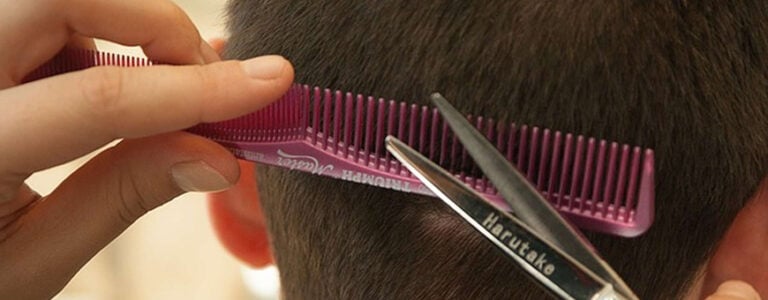
Medical review by: Prof. Dr. Soner Tatlıdede, hair transplant surgeon (22+ years, 18,947 procedures) – October 2026 When can you cut your hair after a hair transplant? Hair in the donor area can be trimmed after 1 month using scissors or clippers. As for the recipient area, trimming only the ends of the hair using […]

Medical review by: Prof. Dr. Soner Tatlıdede, hair transplant surgeon (22+ years, 18,947 procedures) – October 2026 Congratulations on completing your hair transplant. While the surgical part is finished, the success of your restoration now depends heavily on the recovery phase. In our clinical experience, the first two weeks post-surgery are just as critical as […]
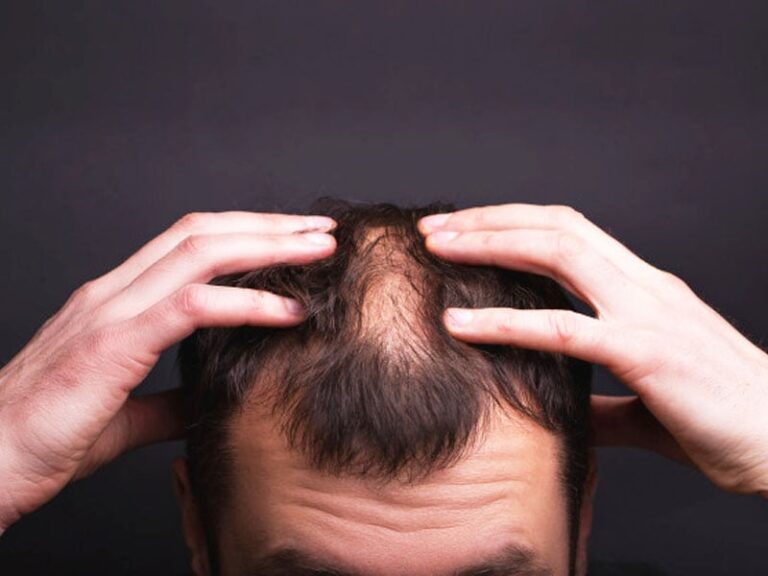
Scalp psoriasis and seborrheic dermatitis are chronic inflammatory conditions that frequently cause discomfort, itching, redness, and scaling. For individuals experiencing hair thinning alongside these conditions, severe anxiety often arises regarding permanent follicle loss and the feasibility of hair restoration. A central concern among patients is whether undergoing a hair transplant while managing scalp psoriasis is […]


Thank you!
Your details have been successfully submitted. Thanks!