


Can I go to work after a hair transplant?

Can I go to work after a hair transplant? Sometimes when we want to find a solution to our hair loss problems and start looking for information on the cost of a hair transplant in Turkey, we forget the most important thing: how do I resume my work once my new hair has been transplanted? How long can I wait before getting back to work?
Although a hair transplant using the modern FUE technique is a minimally invasive surgery that allows a very fast recovery of patients, we must not forget that it´s still a surgical intervention that requires a healing process. Let’s see how it will affect our work and our daily life during the first weeks.
When can I get back to work?
Once the hair has been transplanted, the doctor in charge of your operation will discuss with you how to proceed in the following weeks and months; if you are a young and healthy patient, the operation has gone well, scars are healing fast, and your work does not involve physical exercise, in some cases you will be able to return to work after 3 to 5 days. However, it is more advisable to wait 1-2 weeks before returning to work to allow your body to recover itself.
We must bear in mind that a surgical intervention represents a great stress for our body; therefore, the longer the resting time we give it is, the better the healing process will be. This is especially important if our work involves great physical effort, lifting loads, or simply sweating, which can harm your new transplanted hair. In other words: you must give your new grafts some time to settle themselves in the scalp.

As always, it will be our surgeon who will provide us with all the indications to follow after the intervention, so that it is as successful as possible: it is important to follow them correctly to guarantee the best results in the hair transplant. Usually, we should take antibiotics for at least a week to avoid infections in the operated area, as well as anti-inflammatory drugs.
Many patients also ask if other people or their work mates will notice about their hair transplantation. During the very first days redness and swelling usually appears in scalp, but this will soon disappear; so, if you wait to get back to your work a couple of weeks, the only sign that your mates will see will be your shaved hair: your colleagues will get used to your new image… and then, after 6 months your new hair will begin to grow: Surprise!
What else do I have to care about?
You should use the special shampoo recommended by your doctor after the surgery, and follow the instructions about how often and how to wash your hair to avoid any damage to your grafts. In general, hair care after a hair transplant is quite simple, but it is important to comply with all recommendations so that your transplant can be a complete success.
It is also recommended not swimming in pools or sea until at least one month has passed after the operation, to avoid damage from chlorine or salt. We should also avoid direct exposure to sunlight during the first two weeks, using a hat or cap only if it does not touch or press the operated area. Alcohol consumption during the first 7 days, and especially the day before and after the operation, is not advisable and should be avoided.
In summary: the answer to the question ‘Can I go to work after a hair transplant?’ will depend on your particular case and your doctor’s recommendations. That’s why it is so important to choose a trustworthy clinic with skilled professionals for your operation. Clinicana is the best-rated hair clinic in Istanbul: check it our yourself by reading our patients’ reviews on hair transplant in Turkey and… Ask for your free consultation now!


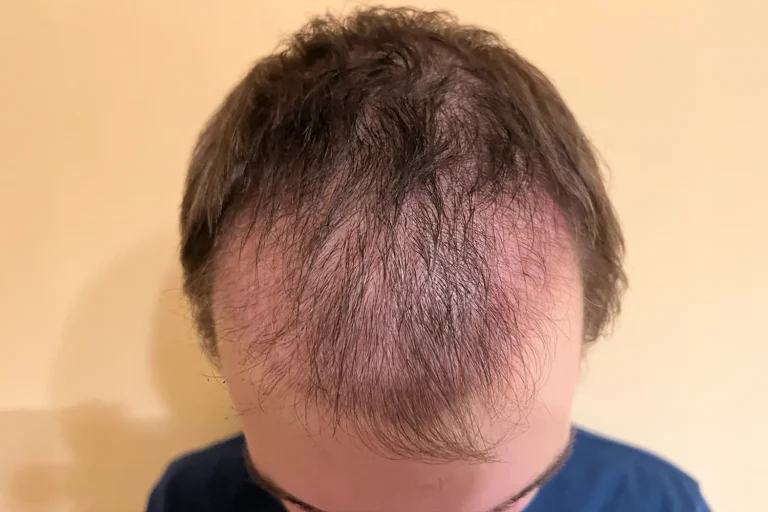
Diagnostic Parameter Tinea Capitis Alopecia Areata Seborrheic Dermatitis Primary Etiology Dermatophyte fungal infection (Microsporum / Trichophyton) Autoimmune response targeting hair follicles Overgrowth of Malassezia yeast and inflammatory reaction Scalp Scaling Present (fine grayish scales or thick crusting) Absent (scalp is smooth and clinically normal) Present (greasy, yellowish, or diffuse white flakes) Hair Shaft Appearance Broken […]
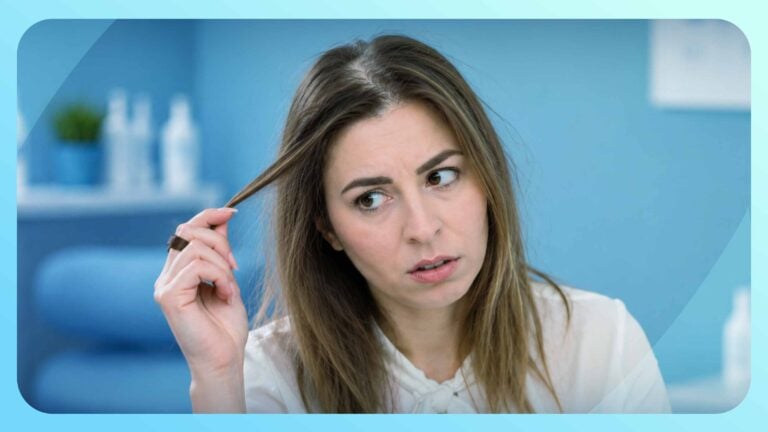
Medical Review by: Prof. Dr. Soner Tatlıdede – September 2026 Quick Summary (TL;DR) Iron deficiency—specifically depleted serum ferritin stores—is one of the most prevalent nutritional triggers of diffuse hair shedding, particularly among women and vegetarians. Iron is not merely a component of blood cells; it serves as a critical biological catalyst for cellular division and oxygen transport inside […]
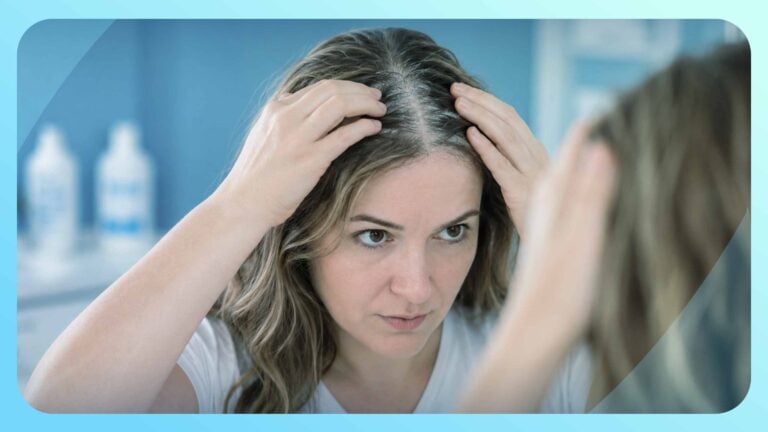
Medical Review by: Prof. Dr. Soner Tatlıdede – September 2026 Direct Definition: What Is Female Pattern Baldness? Female pattern baldness (androgenetic alopecia in women) is a genetically influenced condition characterized by progressive hair thinning across the vertex and widening of the central part line, while usually preserving the frontal hairline. Unlike male pattern hair loss, which frequently causes […]


Thank you!
Your details have been successfully submitted. Thanks!