


Diffuse Alopecia: Causes, Comprehensive Diagnosis, and Clinical Treatment Protocols
Medical Review by: Prof. Dr. Soner Tatlıdede – October 2026
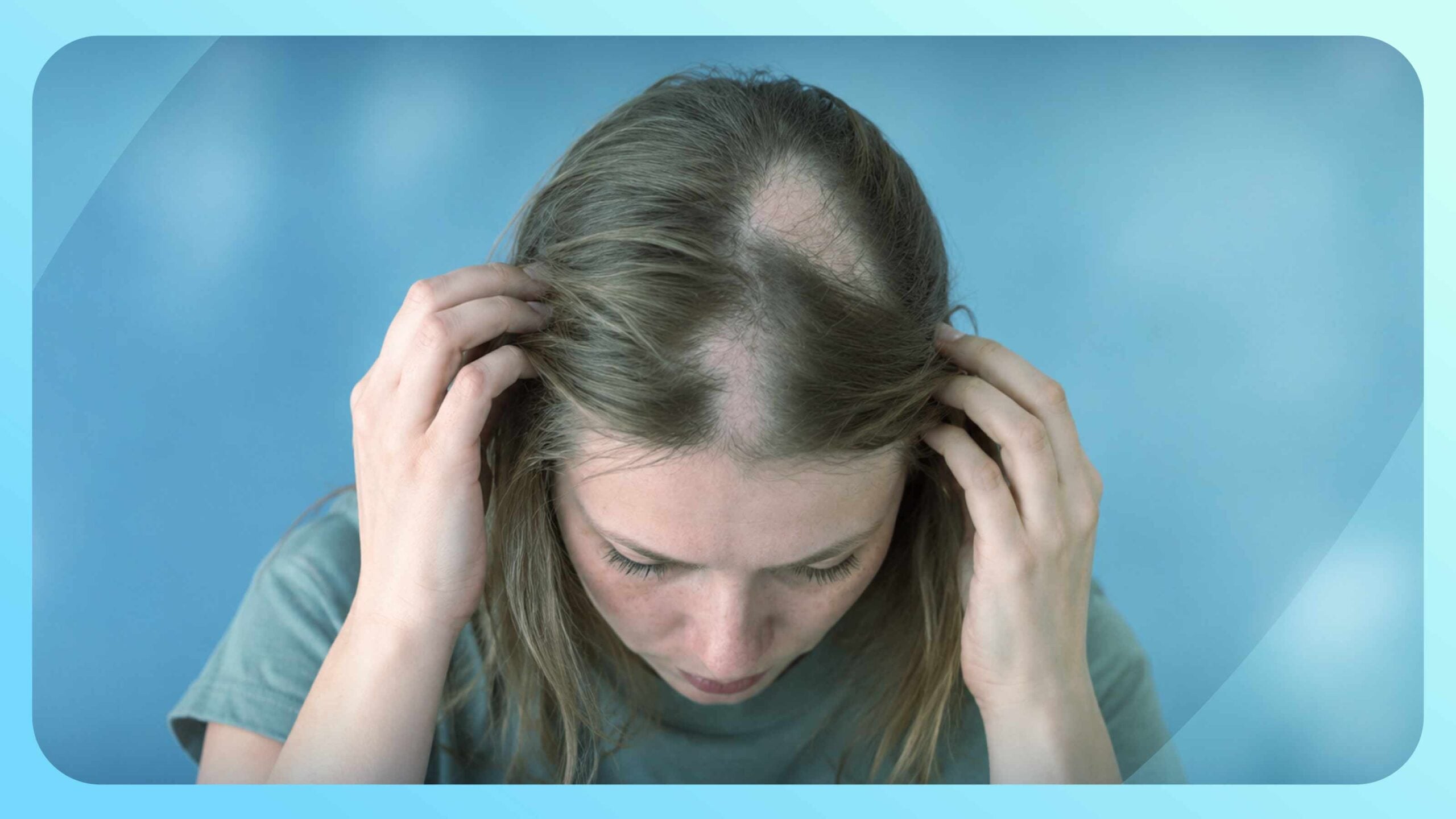
Diffuse alopecia is a hair loss condition characterized by a generalized, uniform reduction in hair density across the entire scalp without distinct bald patches.
Unlike androgenetic alopecia, the hair follicles in diffuse alopecia remain alive but enter a dormant or severely miniaturized state.
Driven by systemic, hormonal, nutritional, or metabolic triggers, it is highly reversible once the underlying cause is medically managed and supported by regenerative biological therapies like PRP.
Understanding Diffuse Alopecia: Biological Mechanism and Clinical Definition
Diffuse alopecia—frequently categorized or overlapping with Diffuse Unpatterned Alopecia (DUPA)—presents a unique clinical challenge compared to traditional localized hair loss.
While classic male or female pattern baldness targets specific zones (such as the temporal recesses, hairline, or vertex crown), diffuse alopecia causes an even, widespread loss of hair volume across the entire scalp, including the genetically resistant occipital donor zone (the back of the head).
Patients suffering from diffuse alopecia typically report excessive hair shedding, exceeding 100 to 150 hairs daily, alongside a noticeable reduction in the overall ponytail circumference or scalp coverage.
From a pathophysiological standpoint, the affected hair follicles undergo premature termination of the Anagen (growth) phase, pushing a large percentage of follicles into the Telogen (resting/shedding) phase or causing acute follicular miniaturization.
Crucially, the cellular matrix within the follicle remains intact, meaning the loss of density is not permanent if intervention occurs early.
Key Causes and Systemic Triggers of Diffuse Hair Loss
Hair follicles are among the most metabolically active structures in the human body, making them exceptionally sensitive to biological stress, nutrient depletion, and hormonal shifts. Identifying the precise cause is essential for effective treatment.
1. Endocrine and Hormonal Disruptions
- Thyroid Gland Dysfunctions: Both hypothyroidism (underactive thyroid) and hyperthyroidism (overactive thyroid) impair the production of thyroid hormones (T3 and T4), directly disrupting the cell division rate in the hair matrix.
- Hormonal Transitions in Women: Significant drops in estrogen—such as post-partum telogen effluvium, discontinuation of oral contraceptives, or the onset of perimenopause and menopause—lead to widespread hair thinning.
2. Nutritional Deficiencies and Gastrointestinal Malabsorption
- Serum Ferritin and Iron Stores: Iron is a vital cofactor for the enzyme ribonucleotide reductase, which is required for hair cell DNA synthesis. Low ferritin levels (below 50 ng/mL) directly induce diffuse hair shedding.
- Vitamin D3 and Zinc Deficiencies: Vitamin D receptors in the hair follicle play a critical role in starting the growth phase, while zinc is essential for protein synthesis and tissue repair.
- Malabsorption Disorders: Conditions such as Celiac disease, Crohn’s disease, irritable bowel syndrome (IBS), or history of bariatric surgery compromise nutrient uptake regardless of dietary intake.
3. Acute and Chronic Physiological Stress
- Telogen Effluvium Triggers: High fevers, severe viral infections, major surgical procedures under general anesthesia, or rapid weight loss place the body in a state of metabolic shock, causing up to 30% of growing hair follicles to enter the resting phase simultaneously.
- Chronic Psychogenic Stress: Prolonged psychological stress elevates systemic cortisol levels, triggering premature breakdown of follicular extracellular matrix components like hyaluronic acid and proteoglycans.
4. Medication-Induced Shedding (Drug-Induced Alopecia)
Pharmaceutical compounds can alter follicular dynamics. Common drug classes causing diffuse loss include:
- Anticoagulants (blood thinners like heparin or warfarin)
- Antihypertensives (beta-blockers and ACE inhibitors)
- Mood stabilizers and antidepressants
- High-dose Vitamin A derivatives (retinoids)
- Chemotherapeutic agents (causing Anagen Effluvium)
Differential Diagnosis: How Clinicana Distinguishes Diffuse Alopecia
Because diffuse hair loss shares symptoms with several scalp conditions, a detailed medical evaluation is vital to avoid misdiagnosis.
| Clinical Feature | Diffuse Alopecia / DUPA | Telogen Effluvium (Acute) | Androgenetic Alopecia (AGA) |
| Pattern of Thinning | Uniform across entire scalp (including donor area) | Diffuse shedding across the scalp | Localized (Hairline, temporal region, crown) |
| Onset Speed | Gradual or subacute progression | Sudden (2–3 months post-trigger) | Very gradual over years |
| Follicular Status | Widespread miniaturization | Normal follicles resting prematurely | Miniaturization in DHT-sensitive zones only |
| Donor Area Health | Thinning and compromised density | Temporarily shed, density recovers | Thick, permanent, and healthy |
| Shedding Severity | Moderate to high daily shedding | Very high (200+ hairs/day) | Mild to moderate |
| Reversibility | Reversible upon root-cause resolution | Reversible spontaneously or via support | Irreversible without medical/surgical care |
Multi-Stage Clinical Protocol for Diffuse Alopecia at Clinicana
At Clinicana, treating diffuse alopecia requires a comprehensive medical roadmap rather than quick cosmetic fixes.
Stage 1: Diagnostic & Metabolic Screening
Before prescribing any therapeutic regimen, our clinical team conducts an in-depth diagnostic evaluation, including:
- Comprehensive blood panel (CBC, Serum Ferritin, Vitamin D3, B12, Zinc, TSH, Free T3/T4, Free and Total Testosterone).
- Trichoscopy and scalp analysis to measure hair shaft diameter variance and follicular density.
Stage 2: Corrective Medical and Systemic Therapy
- Nutritional and Hormonal Optimization: Tailored supplementation to raise ferritin and vitamin levels to optimal therapeutic ranges.
- Topical and Oral Medical Management: Minoxidil (topical 5% or low-dose oral) to dilate micro-capillaries around the dermal papilla, prolonging the Anagen growth phase.
Stage 3: Regenerative Cell Therapy (PRP & Mesotherapy)
- Platelet-Rich Plasma (PRP) Injections: Plasma containing high concentrations of growth factors (PDGF, VEGF, FGF) is isolated from the patient’s blood and injected into the scalp. This stimulates angiogenesis, reactivates dormant miniaturized follicles, and thickens existing hair shafts.
- Scalp Mesotherapy: Direct intradermal administration of vitamins, amino acids, and minerals to nourish the follicular matrix.
Stage 4: Is Hair Transplantation an Option?
For patients with pure Diffuse Unpatterned Alopecia (DUPA), hair transplantation is usually contraindicated because the donor region at the back of the head is also affected by diffuse miniaturization.
Attempting to harvest compromised grafts can lead to poor survival rates and visible donor thinning. However, if the diffuse loss stabilizes and a high-density donor zone is confirmed via trichoscopy, targeted micro-grafting can be selectively performed.
Schedule Your Medical Consultation with Clinicana
Treating diffuse hair loss requires diagnosing the underlying internal cause before selecting a solution. [Contact Clinicana’s expert medical team in Istanbul today for a comprehensive online scalp analysis].
For women: when thinning is stable and the donor area at the back of the head is still dense, a transplant can restore a widened parting or a receding hairline — often without shaving the whole head. Read our guide to female hair transplant in Turkey to see who is a good candidate and how the techniques differ.


By Prof. Dr. Soner Tatlıdede · October 2026 When can you cut your hair after a hair transplant? Hair in the donor area can be trimmed after 1 month using scissors or clippers. As for the recipient area, trimming only the ends of the hair using scissors is permitted after 2 months. However, you must wait at […]
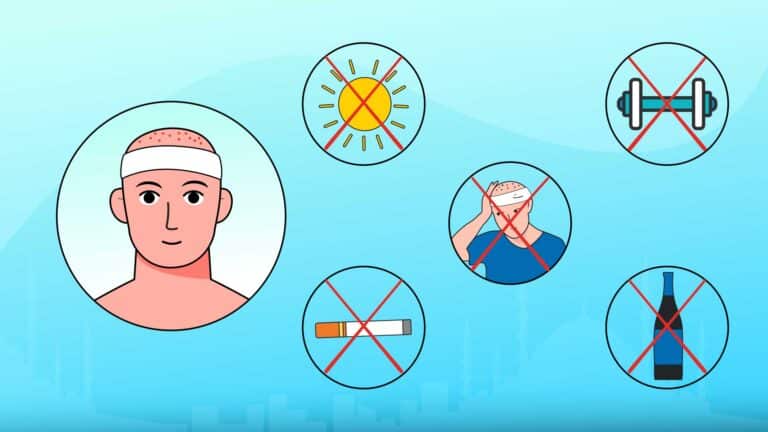
By Prof. Dr. Soner Tatlıdede · October 2026 Congratulations on completing your hair transplant. While the surgical part is finished, the success of your restoration now depends heavily on the recovery phase. In our clinical experience, the first two weeks post-surgery are just as critical as the procedure itself. Understanding what to avoid after a hair transplant […]
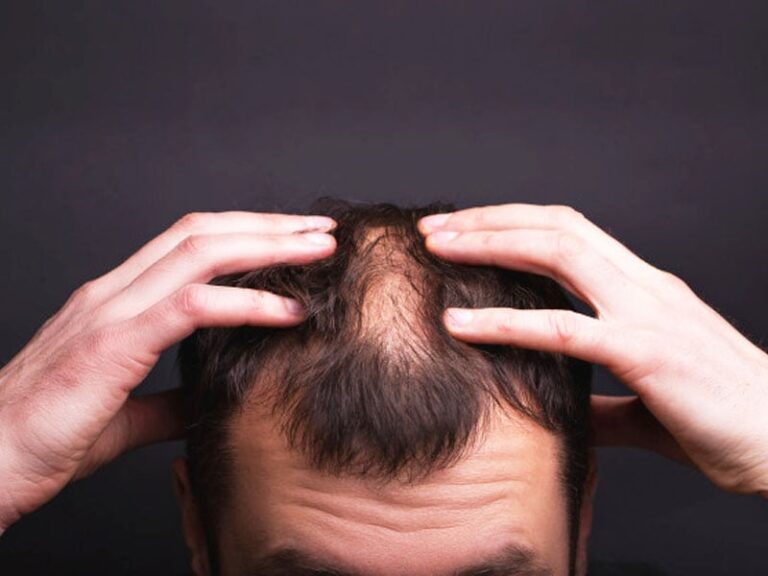
Scalp psoriasis and seborrheic dermatitis are chronic inflammatory conditions that frequently cause discomfort, itching, redness, and scaling. For individuals experiencing hair thinning alongside these conditions, severe anxiety often arises regarding permanent follicle loss and the feasibility of hair restoration. A central concern among patients is whether undergoing a hair transplant while managing scalp psoriasis is […]


Thank you!
Your details have been successfully submitted. Thanks!