


FUT Hair Transplant: Procedure, Scar, Recovery and FUT vs FUE

Medically reviewed by Prof. Dr. Soner Tatlıdede, Hair Transplant Surgeon — 22+ years, 18,947 procedures · September 2026
A FUT hair transplant (Follicular Unit Transplantation, also called the strip method) moves hair from the back of the head to thinning areas by removing a thin strip of scalp, dividing it into individual follicular units and implanting them. It was the standard technique for many years and is still used in some cases, but most clinics today, including ours, work with FUE-based techniques. This guide explains how FUT works, what the scar and recovery look like, and how it compares with FUE.
What is a FUT hair transplant?
FUT and FUE differ in one step: how the grafts are taken from the donor area.
- FUT removes a strip of scalp from the back of the head and closes the wound with stitches or staples. The grafts are then cut out of the strip under microscopes.
- FUE (Follicular Unit Extraction) takes each follicular unit directly from the scalp with a tiny punch, so there is no strip and no stitched wound.
After harvesting, the rest of the process is similar: the surgeon designs the hairline, opens small channels in the recipient area and places the grafts one by one.
The FUT procedure step by step
- Planning and hairline design. The surgeon assesses the donor area and the area to be covered, and marks the new hairline.
- Local anaesthesia of the donor and recipient areas.
- Strip removal. A strip of scalp, typically about 0.5 to 1.5 cm wide and 5 to 30 cm long depending on the number of grafts needed, is removed from the back of the head. The donor hair above it is not shaved.
- Closure. The wound is closed with stitches or staples. Many surgeons use a trichophytic closure, which lets hair grow through the scar line so it is less visible.
- Graft preparation. The team divides the strip into individual follicular units of one to four hairs under magnification.
- Implantation of the grafts into the recipient area.
FUT recovery time
| Time after surgery | What to expect |
|---|---|
| First days | Tightness, swelling and soreness at the back of the head, usually more than after FUE. |
| Around 10–14 days | Stitches or staples are removed (unless dissolvable). Scabs in the recipient area have usually come away. |
| Weeks 2–8 | Transplanted hairs shed (shock loss). This is normal. |
| Months 3–4 | New hair starts to grow. |
| Months 12–18 | Final result. |
Numbness or tingling around the donor scar is common in the first months and usually improves over time. Strenuous exercise and anything that stretches the back of the neck should be avoided until the surgeon clears it, because tension on the healing wound can widen the scar.
The FUT scar
Every FUT leaves a permanent linear scar across the back of the head. With good technique and normal healing it is usually thin and hidden by hair that is not cut very short. How it turns out depends on scalp tightness, how the wound was closed, individual healing and aftercare. Some scars stretch and become wider, and the scar will show if you later want a very short haircut.
A visible FUT scar can often be improved with FUE grafts placed into the scar, or camouflaged with scalp micropigmentation. Surgical scar revision is another option in some cases.
FUT results
In experienced hands, FUT and FUE can both produce natural, lasting results in the recipient area, because in both cases the grafts come from the DHT-resistant back and sides of the scalp. The difference is mainly in the donor area (a linear scar versus scattered tiny dots) and in the recovery. For examples of finished FUE-based results, see our before and after gallery.
Advantages and disadvantages of FUT
Advantages
- The donor area does not need to be shaved, and the stitched line is hidden by the hair above it.
- Many grafts can be harvested in one session, and the surgery is often faster than a large FUE.
- Grafts are cut under microscopes, which keeps follicle damage during harvesting low.
- Grafts come only from the central, most stable part of the donor area, which reduces the risk of over-harvesting.
- It is often cheaper per procedure where it is offered.
Disadvantages
- A permanent linear scar that limits very short hairstyles.
- More pain and tightness in the donor area in the first days.
- A stitched wound that needs care and stitch removal.
- Temporary numbness around the scar.
- The scar can stretch, particularly in tight scalps or with early strain.
FUT vs FUE: which is better?
| FUT (strip) | FUE | |
|---|---|---|
| Harvesting | Strip of scalp removed and stitched | Individual follicular units taken with a micro-punch |
| Donor scar | One linear scar | Small dot scars spread across the donor area, usually not visible with short hair |
| Donor shaving | Not needed | Usually shaved; unshaven FUE is possible for smaller sessions |
| Discomfort and recovery | More donor pain; stitches removed at 10–14 days | Less donor pain; no stitches |
| Short hairstyles later | Scar may show | Generally possible |
| Final result in the recipient area | Depends on the surgeon and the donor area | Depends on the surgeon and the donor area |
Neither technique is better for everyone. FUT can suit people who always wear their hair longer and want to avoid shaving. For most patients, and especially anyone who likes to keep their hair short, FUE avoids the linear scar and the stitched wound. That is why FUE-based techniques have largely replaced FUT, particularly in Turkey.
Does Clinicana perform FUT?
Our techniques are FUE-based: FUE, Sapphire FUE and DHI, planned around how many grafts each patient’s donor area can safely provide. You can compare them in our guide to hair transplant techniques, and see what is included in our hair transplant prices in Turkey. If you have had FUT in the past, we can assess whether FUE can add density or help hide the scar.
Frequently asked questions
Is FUT still done?
Yes, some surgeons still offer it, especially for patients who wear their hair long. But FUE-based techniques are now used for most hair transplants.
How long does FUT take to heal?
The donor wound usually has its stitches removed at around 10 to 14 days. Tightness and numbness can last longer, and the final result in the recipient area takes 12 to 18 months.
Is FUT more painful than FUE?
Both are done under local anaesthesia. After surgery, FUT is usually more uncomfortable in the donor area because of the stitched wound.
Can a FUT scar be removed?
It cannot be removed completely, but it can often be made much less visible with FUE grafts into the scar, scalp micropigmentation or, in some cases, surgical revision.
Is FUT cheaper than FUE?
Where it is offered, FUT is often cheaper per procedure. Compare the total cost, including the scar, the recovery and whether you want to wear your hair short in the future.


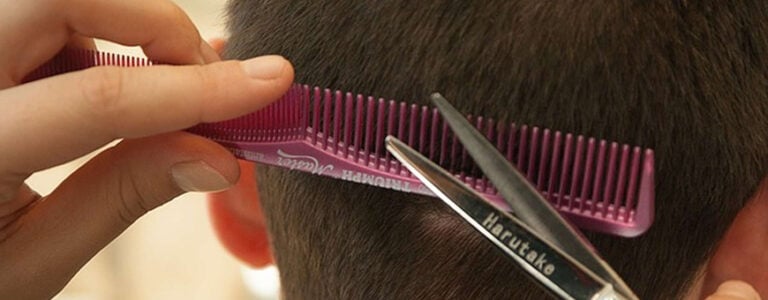
By Prof. Dr. Soner Tatlıdede · October 2026 When can you cut your hair after a hair transplant? Hair in the donor area can be trimmed after 1 month using scissors or clippers. As for the recipient area, trimming only the ends of the hair using scissors is permitted after 2 months. However, you must wait at […]

By Prof. Dr. Soner Tatlıdede · October 2026 Congratulations on completing your hair transplant. While the surgical part is finished, the success of your restoration now depends heavily on the recovery phase. In our clinical experience, the first two weeks post-surgery are just as critical as the procedure itself. Understanding what to avoid after a hair transplant […]
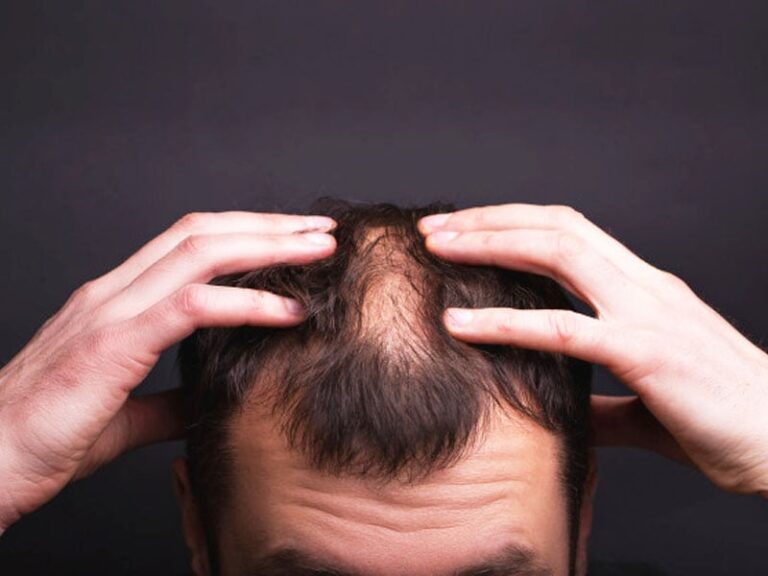
Scalp psoriasis and seborrheic dermatitis are chronic inflammatory conditions that frequently cause discomfort, itching, redness, and scaling. For individuals experiencing hair thinning alongside these conditions, severe anxiety often arises regarding permanent follicle loss and the feasibility of hair restoration. A central concern among patients is whether undergoing a hair transplant while managing scalp psoriasis is […]


Thank you!
Your details have been successfully submitted. Thanks!