


Coffee before and after hair transplant

Drinking coffee before and after a hair transplant is something not advisable. In order to achieve the best results, there are some precautions you should take before having the hair transplant surgery; and one of these precautions is that one or two days before the surgery, patients should stop drinking all kind of caffeine.
But, what is the problem with coffee and hair? Everybody knows that coffee is made from caffeine, but no one can think or know that in some cases, when you consume and drink caffeine this may affect your hair transplant surgery.
Reasons to avoid coffee before and after a hair transplant
One of the most important conditions for a successful hair transplant is to guarantee that there is no excessive bleeding when we are planting the grafts; this is because this excessive bleeding will affect the grafts growth and will also increase the surgery hours, for example if you are getting a hair transplant in Turkey with FUE technique.
Most people consume caffeine products in order to feel active when they wake up and start their day. Other people use these drinks to get rid of tiredness and help them to complete their daily duties, or just to feel relax. The problem with caffeine is that it´s responsible for increasing the blood pressure, and as a result, the probability of bleeding during the operation will increase.
Caffeine resources
Most people consume caffeine from drinking coffee or tea, especially in the morning. Compared with coffee, we consider that tea has less caffeine than the coffee does.
Also, there are other resources for caffeine that people can have; for instance, various energy drinks that include caffeine in it.
How to avoid caffeine consumption
Generally, we advise to avoid or decrease the amount of caffeine consumption before the operation, in order to avoid bleeding problems that may happen.
However, many people consider that avoid caffeine consumption is not a big problem, because it is just for a maximum of two days: this is a mistake. On the other hand, some patients may have difficulties in quitting the caffeine: in this case, they can decrease the amount of consumption, or they can just drink other beverages that have the same taste.
Some people may even suffer from headache if they do not have 3 to 4 cups of coffee per day; in these cases, we recommend then having just 1 to 2 cups. If the patient wants to drink the same amount of coffee, he or she should consider the dangers and that this may lead to increase the bleeding and the operation period. It also may increase a little bit the healing period.
Can I drink coffee after a hair transplant?
Drinking coffee after a hair transplant is one of the factors that can affect the results of your operation, but actually its effects are not as serious as other factors, such as smoking.
So, can you drink coffee after your hair transplant? Well, the truth is that it´s better to commit to the directives given by your doctor, and try to decrease the consumption of caffeine as much as possible, because having caffeine after a hair transplant could prevent you of achieving the best possible results for your hair surgery.
As you have seen, drinking coffee before and after a hair transplant is possible, but the caffeine contained within the coffee may have some consequences: not just during the surgery, but in the results afterwards, too. So we always recommend following the instructions and advices of our skilled medical staff at Clinicana, which always is looking for the best for you and your hair.
How Long Before Surgery Should You Stop Caffeine?
Clinics usually ask patients to stop caffeine about 24–48 hours before the procedure. The reason is practical: caffeine can raise heart rate and blood pressure slightly, and a calm circulation makes the surgery cleaner and more comfortable. Remember that caffeine is not only in coffee:
- Black and green tea, mate and matcha
- Energy drinks and cola
- Pre-workout powders and “fat burner” supplements
- Some over-the-counter headache tablets that combine painkillers with caffeine
If you drink several cups a day, reduce gradually over the week before your trip rather than stopping suddenly — that way you avoid the withdrawal headache on surgery day.
Caffeine After a Hair Transplant: A Simple Timeline
| Period | Recommendation |
|---|---|
| Surgery day and the first 2–3 days | Avoid caffeine; drink water to stay hydrated while swelling settles. |
| Days 4–7 | One cup a day is generally acceptable unless your surgeon says otherwise. |
| After the first week | Return to your usual habits, in moderation. |
Coffee is a much smaller risk than nicotine. If you smoke, the guide to smoking and hair transplants matters far more for your result than your coffee habits.
Frequently Asked Questions
Is decaffeinated coffee allowed?
Yes. Decaf contains only a small amount of caffeine and is a good substitute in the days around surgery.
Can I use caffeine shampoo after a hair transplant?
Not in the first weeks. Use only the shampoo the clinic gives you until the scabs are gone and the scalp has healed, then ask your surgeon before switching to any active product.
Does coffee cause hair loss?
No. Normal coffee consumption does not cause hair loss. The advice around surgery is temporary and only concerns bleeding and comfort during the healing phase.
For everything else to avoid during recovery, see what to avoid after a hair transplant.


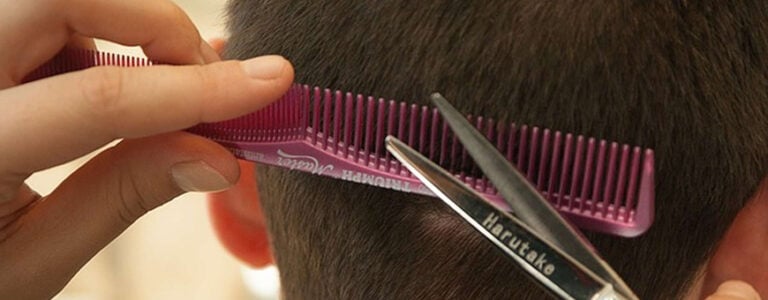
Medical review by: Prof. Dr. Soner Tatlıdede, hair transplant surgeon (22+ years, 18,947 procedures) – October 2026 When can you cut your hair after a hair transplant? Hair in the donor area can be trimmed after 1 month using scissors or clippers. As for the recipient area, trimming only the ends of the hair using […]

Medical review by: Prof. Dr. Soner Tatlıdede, hair transplant surgeon (22+ years, 18,947 procedures) – October 2026 Congratulations on completing your hair transplant. While the surgical part is finished, the success of your restoration now depends heavily on the recovery phase. In our clinical experience, the first two weeks post-surgery are just as critical as […]
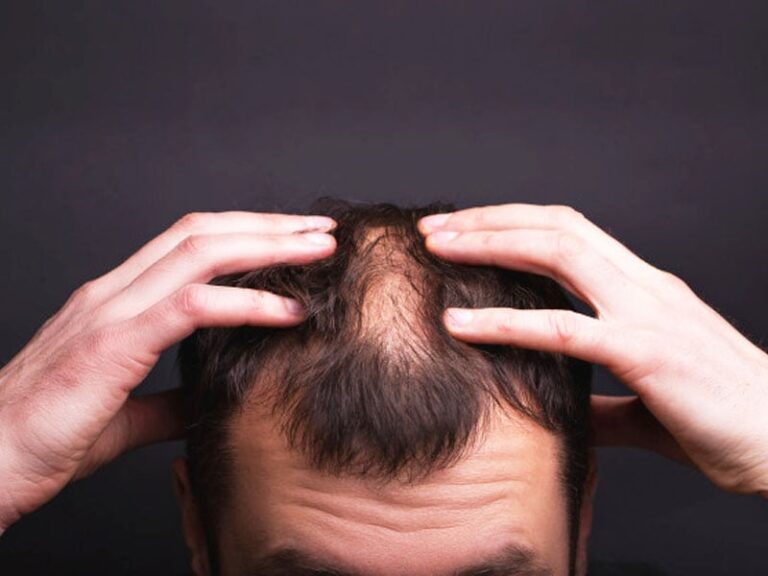
Scalp psoriasis and seborrheic dermatitis are chronic inflammatory conditions that frequently cause discomfort, itching, redness, and scaling. For individuals experiencing hair thinning alongside these conditions, severe anxiety often arises regarding permanent follicle loss and the feasibility of hair restoration. A central concern among patients is whether undergoing a hair transplant while managing scalp psoriasis is […]


Thank you!
Your details have been successfully submitted. Thanks!