


Bald spots in beard: causes and treatment
Finding a sudden bald patch in your beard can be a startling and frustrating experience, especially when you take pride in your facial hair.
While these gaps can affect your appearance and confidence, understanding the root cause—whether it is stress, genetics, or an autoimmune reaction—is the first step toward successful regrowth.
Many men struggle with bald spots in the beard, often mistaking them for simple patchy growth when they might actually be dealing with conditions like Alopecia Barbae.
This requires a specific approach that differs from scalp treatments to ensure the skin remains healthy and the follicles are properly stimulated.
In this comprehensive guide, we will explore the biological triggers of beard hair loss, the most effective clinical treatments ranging from topical steroids to minoxidil, and natural ways to support a fuller, more even beard.
Why do I have a bald spot in my beard?
So, why do I have a bald spot in my beard? What causes bald spots in beards?
The causes of bald patches in beard can be multiple, from genetic factors to some diseases that cause hair loss as a side effect. Usually, beard hair loss occurs for the following reasons:
- Genetic inheritance: we know that genes determine a large part of our physical appearance. If there is a precedent of uneven or patchy beards in our family, ours will probably be the same.
- Face injuries: certain types of injuries suffered on face (burns, scars, malformations, etc.) can make the beard not to grow in those areas.
- Stress and anxiety: these are two factors that have a great influence on our hair, and logically also on our beard; they can accelerate hair loss, and create depopulated areas.
- Medications: some medications, or even vaccines, can have among their side effects hair loss, also in beards.
- Diseases: certain diseases, such as alopecia areata, can make hair stop growing in specific beard areas, generating bald spots.
These are among the main causes of bald spots in beard; however, alopecia areata is certainly one of the most common causes of bald spots on head and beard.
Maybe you are reading this and thinking “My beard is getting bald spots, and I don’t know what to do”: no worries, there are solutions and treatments to this problem that we will see below.
How do you treat alopecia barbae?
Alopecia barbae is a form of alopecia areata that causes hair loss and bald spots mainly in beard. Alopecia barbae is an autoimmune disease that makes hair to fall out in certain areas, causing round bald spots in beard, usually the size of a coin.
This form of alopecia requires a proper diagnosis and treatment, because if treatments are not applied on time, it can generate a complete hair loss.
What happens to those who suffer from this ailment is that some follicles undergo an inhibition process that makes them stop generating new hair, while existing hair weakens and falls out more quickly.
In facial hair, areas of different sizes may appear on beard creating low capillary density areas that, eventually, become completely devoid of hair.
The exact causes of alopecia barbae – as well as those of alopecia areata – are not known, although there is a consensus on that stress and anxiety are triggering factors in people who, besides, have a genetic predisposition.
The good news is that normally this type of alopecia does not cause permanent hair loss, since follicles are still alive and therefore can regenerate hair once the disease is treated.
How do I fix bald spots in my beard?
Alopecia barbae or beard alopecia can cause significant aesthetic damages to beard, which in turn can lead to psychological problems and loss of self-esteem.
Then, how to get rid of bald spots in beard? Well, there is not a definitive solution for bald spots on beard, but there are some very useful tips that we should follow as soon as we perceive that our hair falls out in an unusual way.
One of the best ways to preserve our hair – especially if we suffer from any form of alopecia areata – is to avoid stress and anxiety.
Food is another key factor: a balanced diet improves defences and strengthens our hair, especially if it is accompanied with vitamin supplements such as biotin.
Also, you should avoid alcohol and tobacco, as well as aggressively brushing your beard or washing it too much.
As for the treatment for beard bald spots, it is possible to find some examples of a so-called “home remedy” for bald spots in beard on the Internet;
these treatments are based sometimes on ingredients such as tomato juice, and others use products such a castor or rosemary oil, lemon and cinnamon…
Our personal advice is that you should always distrust such kind of remedies and “miracle treatments” to make beard grow.
Studies show clearly that the best treatment for bald spots in beard is the use of minoxidil or Platelet Rich Plasma (PRP) to stimulate hair growth, and hair transplants to regain density.
Clinicana is the best hair transplant clinic in Turkey, and we are specialists in all hair treatments: request for your free consultation now, and we will provide you with a diagnosis and an estimate for your treatment, with no obligation.


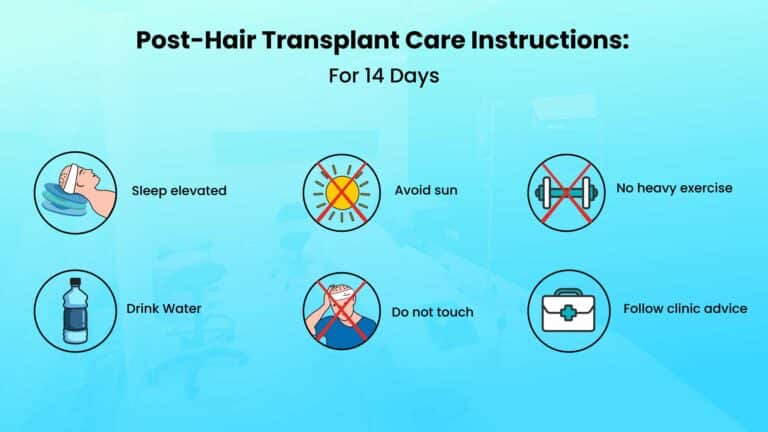
By Prof. Dr. Soner Tatlıdede · August 2026 Post-Op Field Checklist Time Phase Primary Clinical Objective Washing & Care Protocol Recommended Sleep Position Activities & Essentials Days 1 – 3 Protection & graft stabilization No washing allowed (spray moisturizing saline spray only) Sleep on back at a 45° incline with neck pillow Complete rest, avoid bending forward, […]

By Prof. Dr. Soner Tatlıdede · June 2026 TL;DR: Why does my head sweat so much? Excessive head sweating (craniofacial hyperhidrosis) affects 3% of the population and occurs when sweat glands are overactive, triggered by stress, heat, certain foods, or medical conditions. Treatment options include proper scalp care, dietary changes, Botox injections, and prescription medications. […]

By Prof. Dr. Soner Tatlıdede • July 2026 Determining the best age for a hair transplant is one of the most frequent questions raised by individuals experiencing progressive hair thinning or androgenetic alopecia. In the medical world, answering this question goes far beyond a patient’s emotional desire to restore density and youthfulness; it relies on a deep […]


Thank you!
Your details have been successfully submitted. Thanks!