


When is a hair whorl a bald spot?

Hair whorl or balding? Young men panic seeing their crown area with less hair in photos or hearing “you’re going bald!” from friends.
Hair whorl vs bald spot confusion drives patients to our Turkey hair transplant clinic, fearing first alopecia symptoms.
Most cases? False alarms. Hair whorl (natural swirl everyone has) gets mistaken for symptoms of baldness by those obsessed with crown photos.
Normal hair whorl appears thinner due to circular growth pattern – not balding.
Clinicana sees daily hair whorl vs balding worries. Learn when hair whorl becomes bald spot, normal hair whorl signs vs real thinning, and bald spot indicators requiring professional diagnosis.
Read on – save unnecessary panic!

Hair Whorls vs Bald Spots Explained
What is a hair whorl? Hair grows in a circular pattern around a visible center point on the scalp. Does everyone have a hair whorl? Yes, everyone has one from birth.
Female hair whorl equals male; some have multiple hair whorls (2-3).
Friends/family notice whorls from above, joking “you’re balding!” This alarms 18-30 year olds who photograph crowns and post online: hair whorl or baldness start?
Avoid obsession – ignore casual comments. Crown photos show natural whirlpool everyone has. Flash/mobile exaggerate contrast; hairstyles thin crown appearance.
Balding evolution: Natural whorl → gradual density loss over many years → big hair whorl → bald spot. Adolescent photos cannot predict baldness – requires decades + factors.
Uncertain? Consult specialist for hair whorl vs bald spot diagnosis.
When is a Hair Whorl a Bald Spot?
How do I know if my hair whorl is balding, or just a normal hair whorl? If you’re searching “hair whorl or balding,” “hair whorl vs bald spot,” or “hair whorl vs balding,” you’re not alone.
Many people worry that a prominent hair whorl on the crown looks like a bald spot. If the thinning turns out to be real, our guide to crown hair transplant results explains what the treatment involves. So, how can you tell if it’s a bald spot or hair whorl?
How do I know if I’m becoming bald? There are clear signs and clues to help distinguish between a normal hair whorl (or hair crown) and actual balding—let’s break them down.
Hairs on Your Pillow and in the Shower
One of the first red flags for “hair whorl balding” or general hair loss is noticing excessive hairs on your pillow after waking up, in your comb, or clogging the shower drain.
But does that mean you’re balding every time hair falls out? Not at all—it’s normal to lose 100 to 150 hairs daily.
If you see way more than that consistently, though, it could signal something’s off. Time to investigate if your hair whorl is turning into a bald spot.
Abnormal Hair Loss Patterns
We all shed more hair during seasonal shifts like spring or autumn—it’s natural telogen effluvium, and it grows back.
But if it’s not seasonal and you’re dealing with sudden, accelerated loss outside those times, consult a doctor or trichologist.
Stress, illness, or trauma can trigger this, mimicking early balding at the hair whorl. Keywords like “normal hair whorl vs balding” often point here: if loss is patchy or extreme, it’s not just your hair swirl or whirlpool.
Receding Hairline: A Key Balding Clue
For men asking “hair whorl or bald spot,” check beyond the crown. Balding often starts with a receding hairline at the front, not the hair whorl on top.
Not every receding hairline leads to full baldness—it’s common with age, and there are stages. If you have no receding hairline but worry “is hair whorl normal” or “does hair whorl mean balding,” it’s likely just a natural feature.
Everyone has a hair whorl (yes, “does everyone have a hair whorl” or “does everyone have a hair crown”—the answer is yes, it’s standard).
Family Background and Genetics
Pattern baldness, the top cause of losing the hair whorl area, runs in families. If relatives have “bald spot vs hair whorl” issues, your odds rise—genes often come from mom’s side.
But you can’t predict it solely from family photos. Searches like “whorl vs bald spot” or “balding hair whorl” highlight this: inheritance plays a big role, but it’s not destiny.
Age and Hair Density Changes
Age creeps up on everyone, thinning hair density over time regardless of care routines or family history. By 50, about 50% of men show some alopecia, often starting post-30 at the crown or hair whorl.
If you’re over 30 and noticing a “big hair whorl” or “why is my hair whorl so big,” monitor it—but a large whorl alone isn’t balding. “Normal hair whorl men” or “hair whorl men” are common; density loss is the real tell.
Is It a Normal Hair Whorl or Bald Spot?
To directly answer top queries like “is a hair whorl a bald spot,” “hair whorl looks like bald spot,” or “bald spot or hair whorl”:
- Normal hair whorl: A natural swirl (hair whirl, hair swirl, or crown) where hair grows in a circular pattern—everyone has one, it’s genetic, and hairs radiate out densely.
- Bald spot: Thinning or bare skin at the whorl, with visible scalp, often widening over time.
If it’s just a prominent whorl without thinning (“large hair whorl” or “natural hair whorl”), relax—it’s normal. But if hairs aren’t filling in (“hair whorl thinning” or “no hair whorl”), it might be early loss.

Consult an Expert for Peace of Mind
Many factors cause hair issues, from “are hair whorls normal” (yes!) to true alopecia.
Only a specialist can diagnose if your “hair whorl or hair loss” is serious and recommend treatments like minoxidil or a hair transplant.
If doubts linger—”whorl or balding,” “normal hair whorl or balding,” or even “does everyone have a bald spot on their crown”—don’t guess.
Our advice? If you’re wondering “when is a hair whorl a bald spot,” book a free consultation with Clinicana, the leading hair transplant clinic specializing in all treatments.
Get a no-obligation estimate today—you can still save your hair!


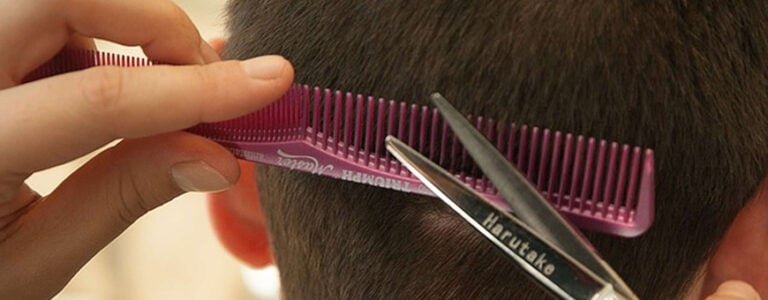
By Prof. Dr. Soner Tatlıdede · October 2026 When can you cut your hair after a hair transplant? Hair in the donor area can be trimmed after 1 month using scissors or clippers. As for the recipient area, trimming only the ends of the hair using scissors is permitted after 2 months. However, you must wait at […]
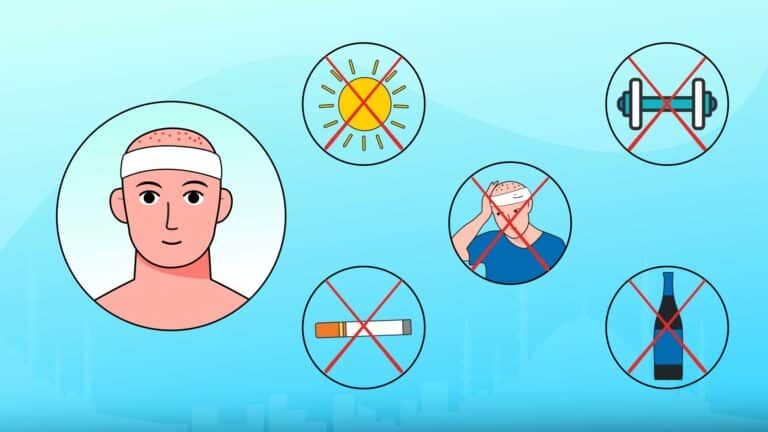
By Prof. Dr. Soner Tatlıdede · October 2026 Congratulations on completing your hair transplant. While the surgical part is finished, the success of your restoration now depends heavily on the recovery phase. In our clinical experience, the first two weeks post-surgery are just as critical as the procedure itself. Understanding what to avoid after a hair transplant […]
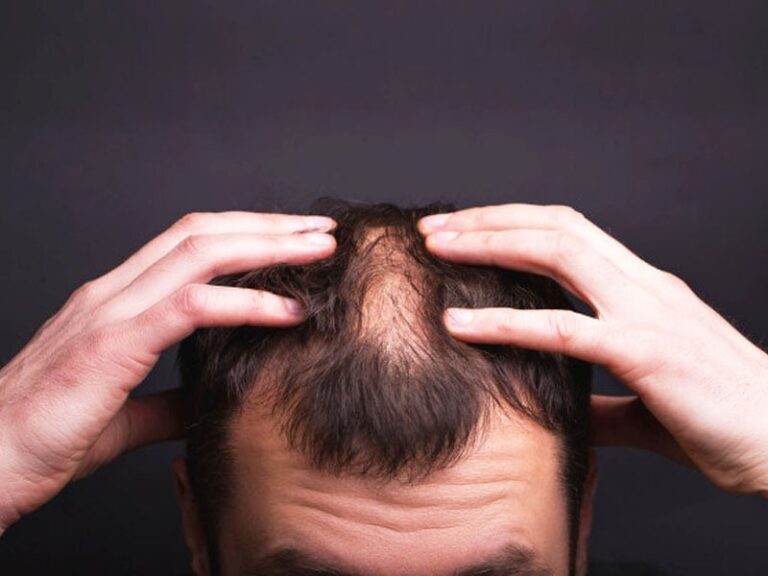
Scalp psoriasis and seborrheic dermatitis are chronic inflammatory conditions that frequently cause discomfort, itching, redness, and scaling. For individuals experiencing hair thinning alongside these conditions, severe anxiety often arises regarding permanent follicle loss and the feasibility of hair restoration. A central concern among patients is whether undergoing a hair transplant while managing scalp psoriasis is […]


Thank you!
Your details have been successfully submitted. Thanks!