


Apple Cider Vinegar for Hair: Benefits, Side Effects and Safe Use
Medically reviewed by Prof. Dr. Soner Tatlıdede, Hair Transplant Surgeon — 22+ years, 18,947 procedures · September 2026
Apple cider vinegar (ACV) is a popular hair rinse. Diluted properly, it can help remove build-up and make hair feel smoother and look shinier. But the evidence for most of the claims made about it is weak, it does not help hair grow or stop hair loss, and used too strong it can irritate or even burn the scalp. Here is what it can and cannot do, and how to use it safely.
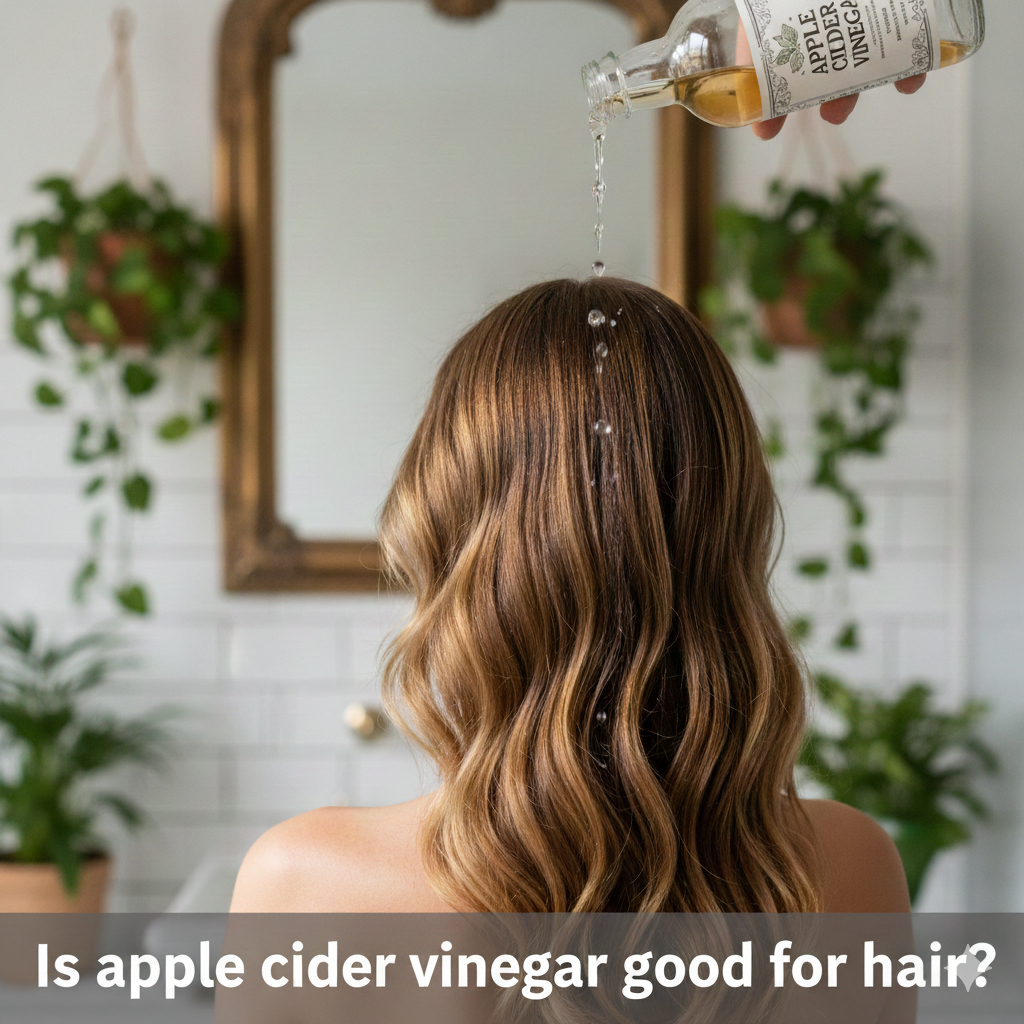
Is apple cider vinegar good for hair?
In moderation, for some people. Vinegar is acidic, while the outer layer of the hair (the cuticle) lies flatter at a lower pH. A dilute acidic rinse can therefore help hair feel smoother, reduce frizz and reflect light better, particularly after hard water or products have left residue. These are cosmetic effects on the hair shaft, and they wash out.
What apple cider vinegar can and cannot do
- Can: remove residue from products and hard water.
- Can: make hair temporarily smoother and shinier.
- Unproven: treating dandruff. Vinegar has some antimicrobial activity in the lab, but medicated dandruff shampoos have far better evidence.
- Cannot: make hair grow, thicken hair or reduce hair loss. There is no evidence for this.
- Cannot: reliably treat head lice. Vinegar has not been shown to kill lice or loosen eggs effectively; use a proven lice treatment.
Apple cider vinegar hair side effects
- Scalp irritation and dryness, especially with frequent use or on sensitive skin.
- Chemical burns if undiluted vinegar is left on the skin. Never apply it neat.
- Eye irritation if it runs into the eyes.
- Dryness and dullness with overuse, particularly on dry or chemically treated hair.
- Colour changes: it may slightly fade some hair dyes.
White vinegar is more concentrated in acetic acid than most apple cider vinegars and is more likely to irritate, so it should be diluted even more, or avoided on the scalp.
How to use an apple cider vinegar rinse safely
- Dilute it well: start with about 1 to 2 tablespoons of ACV in a cup of water.
- Use it after shampooing, pour it over the lengths of the hair, and keep it out of your eyes.
- Leave it on for no more than a few minutes, then rinse thoroughly with water.
- Use it no more than once or twice a week.
- Stop if your scalp stings, itches or becomes red. Avoid it on broken or irritated skin.
Does apple cider vinegar cause or stop hair loss?
Used correctly, it is unlikely to cause hair loss, though severe irritation or a burn to the scalp can. It does not stop hair loss either. If you are losing more hair than usual, look at the cause: see how many hairs fall out a day and hair miniaturization, and see a doctor if thinning continues.
Frequently asked questions
How long should I leave apple cider vinegar in my hair?
A few minutes is enough. Longer contact adds to the risk of irritation without extra benefit.
Is white vinegar or apple cider vinegar better for hair?
Apple cider vinegar is usually gentler. Whichever you use, dilute it well and use it occasionally.
Can apple cider vinegar change my hair texture?
It can make hair feel smoother for a while by flattening the cuticle, but the effect wears off after the next wash.


By Prof. Dr. Soner Tatlıdede · October 2026 When can you cut your hair after a hair transplant? Hair in the donor area can be trimmed after 1 month using scissors or clippers. As for the recipient area, trimming only the ends of the hair using scissors is permitted after 2 months. However, you must wait at […]
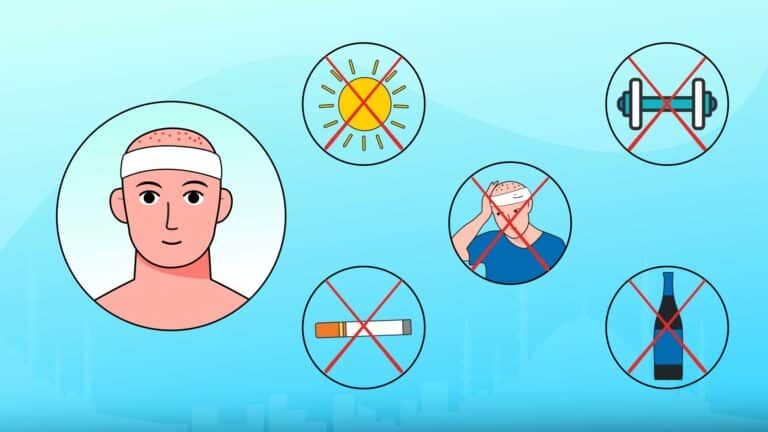
By Prof. Dr. Soner Tatlıdede · October 2026 Congratulations on completing your hair transplant. While the surgical part is finished, the success of your restoration now depends heavily on the recovery phase. In our clinical experience, the first two weeks post-surgery are just as critical as the procedure itself. Understanding what to avoid after a hair transplant […]
Scalp psoriasis and seborrheic dermatitis are chronic inflammatory conditions that frequently cause discomfort, itching, redness, and scaling. For individuals experiencing hair thinning alongside these conditions, severe anxiety often arises regarding permanent follicle loss and the feasibility of hair restoration. A central concern among patients is whether undergoing a hair transplant while managing scalp psoriasis is […]


Thank you!
Your details have been successfully submitted. Thanks!