


Hair loss in children: causes, symptoms and treatment
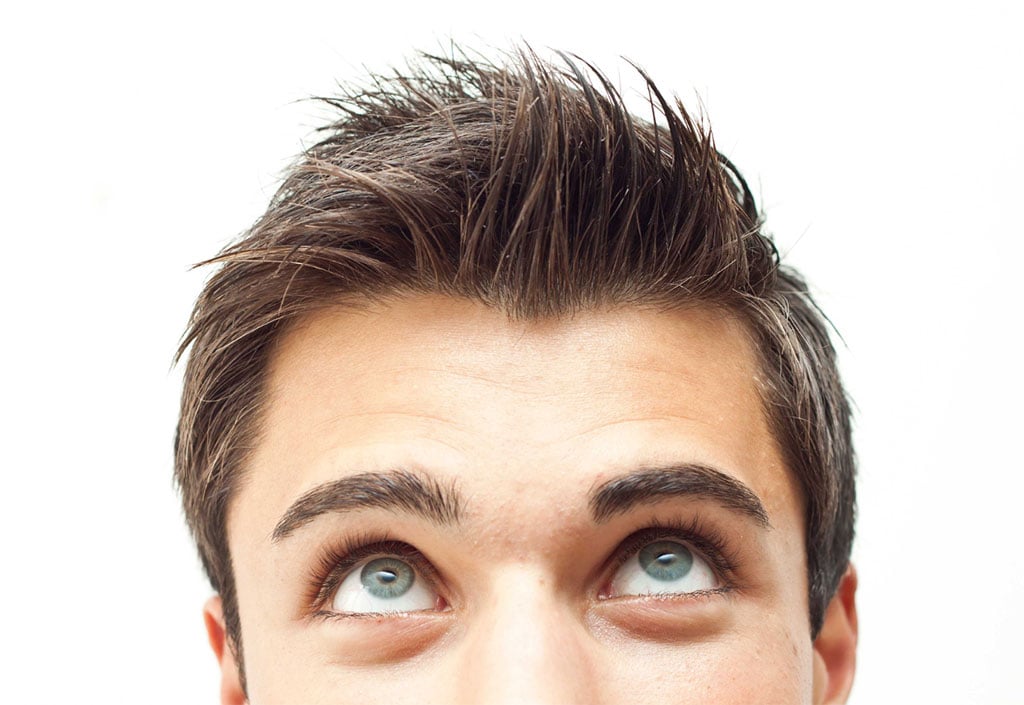
Hair loss in children, contrary to the common believe, is not something unusual. There are many factors that can trigger hair fall out at early stages of life, including infections like ringworm or diseases related to stress, like telogen effluvium or trichotillomania.
Fortunately, most of these causes are treatable; however, hair loss in children usually causes alarm among parents.
This is because normally people think that losing hair is something related to later ages and typical of people thinking of getting a hair transplant with FUE in Turkey.
Actually, there are plenty of factors behind children with hair loss. Let´s see the most relevant ones, and how to prevent them.
What are the causes of hair loss in children?
So, what causes hair loss in children? Why is my child’s hair falling out? Despite being not something unusual, the fact is that children’s hair loss reasons are different from their adult counterparts, where androgenetic alopecia or male pattern baldness is the main cause.
In children, infections, stress and nutritional deficiencies are frequently behind hair loss. Let´s take a look at them in detail.
Ringworm
Ringworm is a treatable fungal infection of the skin, and the most usual cause of hair loss in children. This condition causes a red, ring-shaped rash that, when affects the scalp skin, is called tinea capitis.
Parents usually will notice that their children have ringworm if they scratch or rub their scalp, which in the end together with the infection itself causes damages to the follicles and the appearance of patches without hair.
If you observe these symptoms in your child, a doctor can confirm through the use of a microscope the presence of this fungal infections. Ringworm is contagious, therefore your child should avoid touching the infected area or putting it in contact with hats, pillows, combs, etc.
Trichotillomania
If children get used to twirl or pull out their hair, in the end they may cause a damage to follicles, causing hair to fall out.
Doctors call this behaviour trichotillomania, and it´s originated by factors causing stress or anxiety, like for example the loss of a loved person, a divorce or disputes between parents, or problems in school.
If you observe this behaviour in your child, do not scold him/her: ask for counseling to find the source of stress or anxiety of the child.
Traction alopecia
When the scalp suffers long term tension because of wearing braids or ponytails for a long time, the scalp can become irritated and hair follicles can be damaged at the point of causing hair to fall out.
Avoiding this type of hairstyles may reverse the problem.
Telogen effluvium
We call telogen effluvium to a temporary hair loss caused by stress, a shock, or a traumatic event.
When hair is healthy, nearly 90% of hairs in the scalp are in the growing (anagen) phase at any time; however when telogen effluvium occurs, more hairs than usual enter in the telogen (resting) phase and hair becomes thinner and starts to fall out.
Other causes of telogen effluvium are physical injuries, fever, infections, some medications, and nutritional imbalances.
Nutritional deficiencies
Though not so common as the aforementioned factors, hair loss in children can be originated by vitamin deficiency (e.g. lack of vitamin H or biotin) or insufficient nutrients like zinc due to nutritional deficiencies. Besides, the excess of vitamin A can trigger hair loss, too.
Children’s hair loss treatments
If the origin of the hair loss in the child is ringworm, doctors can prescribe an antifungal cream for topic use, and usually hair will grow again once the infection is over. But if the cause is an obsessive-compulsive disorder like trichotillomania,
child will need to undergo therapy or even to take medication to overcome the source of anxiety that is triggering this abnormal behaviour.
Traction alopecia can easily be solved changing the hairstyle for another in which hair is looser, and then hair will regrow;
however, in some cases traction of hair can develop a scalp infection, which should be treated medically.
In cases where nutritional deficiencies are behind the hair loss, a healthy and varied diet will solve the problem in most cases.
Hair loss in children due to alopecia areata is rare, but the diagnosis and treatment are more difficult.

Hair loss due to telogen effluvium usually becomes more difficult to be treated, simply because is not so easy to be aware of the presence of this medical condition.
It´s important to take a child to the doctor if you see he/she is losing hair, especially after suffering a trauma, a disease, or after taking some medication.
An specialist can identify the cause and then, once a proper treatment is provided, in most cases hair grows back over time.
The most important thing is to ask for professional assessment once you observe the first symptoms, not just for cases of hair loss in children, but in any case.
Remember that at Clinicana we are experts in all hair treatments and that you have a free online consultation at your disposal.
Take a look at the hair transplant in Turkey reviews, and discover by yourself why we are the best-rated hair clinic in Istanbul, Turkey.


By Prof. Dr. Soner Tatlıdede • June 2026 Table of Safety Steps to Ensure Hair Transplant Success Time Phase Crucial Preventive Action Desired Outcome Preparatory Phase Assessing hair loss stability, performing comprehensive blood tests, and medical transparency. Preparing the scalp as a viable biological environment suitable for receiving the grafts. Inside the Operating Room Choosing […]

By Prof. Dr. Soner Tatlıdede • June 2026 Summary of Major Beard Transplant Challenges and Solutions Beard Transplant Phase Influential Medical Factors Behavioral and Preventive Factors Design & Distribution Determining the beard shape to suit facial features and avoiding rigid geometric distribution. Transparency in revealing the hereditary pattern of facial hair growth in the family. […]
By Prof. Dr. Soner Tatlıdede • June 2026 Table of Factors Influencing Hair Transplant Results Surgical Stage Factors Related to Medical Decisions Factors Related to Behavior and Compliance Planning & Diagnosis Assessing loss stability, and suitability of donor area quality. Transparency in disclosing medications and daily lifestyle. During the Procedure Extraction precision, microscopic sorting, and […]


Thank you!
Your details have been successfully submitted. Thanks!