


Telogen Effluvium: Biological Causes, Timeline, and Medical Solutions
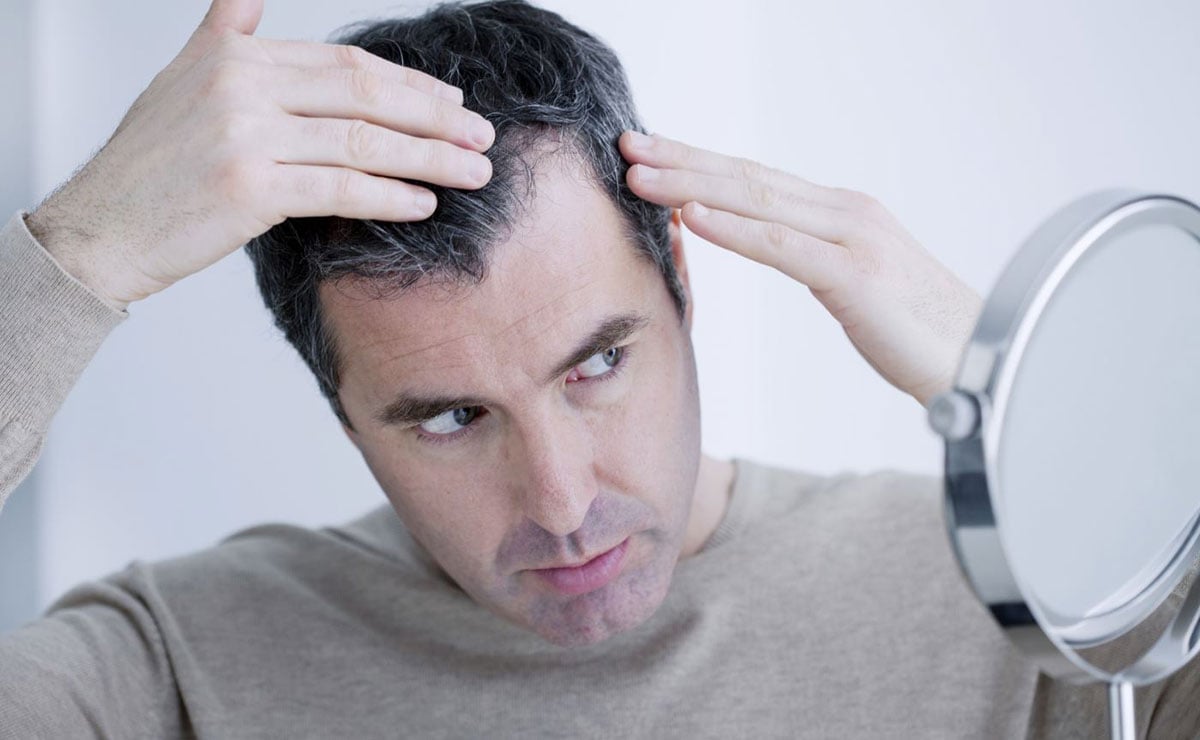
Medical Review by: Prof. Dr. Soner Tatlıdede – September 2026
Quick Summary (TL;DR)
Telogen Effluvium (TE) is a non-scarring, temporary form of hair loss characterized by sudden, diffuse shedding across the entire scalp.
It occurs when an acute physical or emotional shock, hormonal shift, severe nutritional deficit, or major systemic illness forces a large percentage of active growing hair follicles (Anagen) to prematurely enter the resting phase (Telogen) simultaneously.
Because hair shafts remain anchored in the scalp for 2 to 3 months during the telogen phase before releasing, shedding typically manifests weeks or months after the initial trigger occurred.
Acute Telogen Effluvium is fully reversible once the underlying trigger is corrected and supported by nutritional optimization and non-surgical therapies like Platelet-Rich Plasma (PRP).
However, chronic or unmanaged TE can unmask underlying Androgenetic Alopecia (pattern baldness) in genetically susceptible individuals.
In cases where permanent follicular miniaturization takes place, advanced surgical techniques such as Sapphire FUE or DHI provide definitive lifelong restoration.
What Is Telogen Effluvium? Biological Definition & Dynamics
Experiencing an unexpected spike in daily hair loss—noticing clumps in the shower drain or on your hairbrush—can be deeply alarming. In modern clinical trichology, this sudden onset of diffuse shedding is most commonly diagnosed as Telogen Effluvium.
To understand Telogen Effluvium, it is essential to examine the natural biological cycle of human hair follicles:
- Anagen Phase (Growth): Under normal physiological conditions, approximately 85% to 90% of scalp hair is in an active growth phase lasting between 2 to 6 years.
- Catagen Phase (Transition): A brief 2-week involution phase where the hair shaft detaches from its vascular dermal papilla.
- Telogen Phase (Resting & Shedding): Lasting roughly 2 to 4 months, around 10% to 15% of follicles rest while a new hair shaft forms underneath to push the old shaft out.
When a major physiological or psychological shock strikes the body, systemic signaling disrupts this balance. Instead of the standard 10–15%, up to 70% of active Anagen follicles are abruptly shifted into the Telogen phase at the same time.
THE TELOGEN EFFLUVIUM BIOLOGICAL PATHWAY
Primary Biological Triggers (Key Triggers Framework)
Telogen Effluvium does not occur without an underlying systemic catalyst. At Clinicana Hair Transplant Center, our medical team classifies TE triggers into four distinct clinical categories:
1. Severe Psychological Stress & Cortisol Spikes
Acute emotional trauma, anxiety, or prolonged burnout elevates adrenal cortisol production. High systemic cortisol levels alter extracellular matrix components around hair roots and cause peripheral cutaneous micro-vascular constriction, restricting nutrient delivery to dermal papillae.
2. Major Physical Trauma, Illness, & Surgical Shock
High-fever viral or bacterial infections, major surgical operations under general anesthesia, or severe physical accidents divert metabolic energy away from non-essential peripheral tissues like hair follicles to prioritize vital organ recovery.
3. Systemic Hormonal Fluctuations
- Postpartum Shedding: During pregnancy, high estrogen levels keep follicles artificially locked in the Anagen phase. Following delivery, estrogen levels plunge rapidly, causing a massive synchronized transition into Telogen shedding 2 to 3 months later.
- Thyroid Dysfunction: Both hypothyroidism and hyperthyroidism disrupt overall metabolic rate, destabilizing follicle cycling.
- Discontinuation of Oral Contraceptives: Sudden shifts in synthetic hormone intake can trigger transient effluvium.
4. Severe Acute Nutritional & Micronutrient Deficiencies
Keratin production demands high metabolic energy and specialized micronutrients. Rapid crash dieting, restrictive caloric intake, or deficiencies in essential components severely compromise follicle integrity:
- Iron & Ferritin: Low serum ferritin deprives dermal papillae capillaries of vital oxygen transport.
- Zinc & Vitamin D3: Essential for cellular repair, follicle cycling, and immune regulation within the scalp.
- Protein Deprivation: Insufficient amino acid supply starves the structural matrix of the hair shaft.
Why Is There a 2 to 3 Month Delayed Response?
A common source of confusion for patients is why hair shedding does not occur immediately when stress or illness strikes.
When a physiological shock forces an active hair follicle into the Telogen phase, the hair strand transforms into a “club hair”. The root detaches from its vascular base, but the hair shaft remains resting inside the follicular infundibulum for 8 to 12 weeks.
During this dormant window, the follicle prepares a new hair germ underneath. When the new hair shaft finally begins to push upward, it ejects the old club hair, resulting in noticeable shedding en masse.
Consequently, severe hair loss experienced in October is typically the biological aftermath of a high fever, surgical procedure, severe emotional shock, or crash diet that occurred in July or August.
Clinical Comparison: Telogen Effluvium vs. Androgenetic Alopecia
Accurately distinguishing temporary Telogen Effluvium from progressive Androgenetic Alopecia (pattern baldness) is vital for proper clinical management. Applying surgical solutions to temporary effluvium is medically inappropriate, while relying solely on stress reduction for genetic pattern loss will yield suboptimal results.
| Clinical Parameter | Telogen Effluvium (TE) | Androgenetic Alopecia (AGA) |
|---|---|---|
| Primary Underlying Cause | Systemic stress, illness, shock, or nutritional deficit | Genetic sensitivity to Dihydrotestosterone (DHT) |
| Shedding Pattern | Diffuse, uniform loss across the entire scalp | Receding frontal hairline, temples, or crown vertex |
| Hair Shaft Caliber | Full-thickness, healthy terminal hairs shed with bulbs | Progressive miniaturization (finer, shorter vellus hairs) |
| Follicular Integrity | Non-scarring; follicles remain fully alive and intact | Progressive miniaturization leading to follicle atrophy |
| Reversibility & Approach | Reversible via trigger resolution, nutrition & PRP | Requires medical therapy or Hair Transplant (FUE/DHI) |
Clinical Insight: Acute Telogen Effluvium lasts less than 6 months and resolves spontaneously. If shedding persists beyond 6 months, it transitions into Chronic Telogen Effluvium (CTE).
Chronic TE or persistent shedding episodes can unmask underlying genetic pattern baldness in patients predisposed to DHT-induced miniaturization.
Recovery Timeline: What to Expect
Recovering from Telogen Effluvium requires patience, as hair growth follows a strict biological pace (roughly 1 cm per month). Below is the standard clinical recovery timeline observed in patients:
| Recovery Phase | Biological Event | Expected Visual Progress |
|---|---|---|
| Months 1 – 3 | Trigger resolution & Telogen phase completion | Active shedding slows down and normalizes to ~50-100 hairs/day |
| Months 3 – 6 | Re-entry into early Anagen (Growth) phase | Fine new sprouts (“baby hairs”) emerge along the hairline and part line |
| Months 6 – 9 | Shaft lengthening and caliber expansion | Noticeable increase in overall ponytail thickness and scalp coverage |
| Months 9 – 12+ | Full cycle stabilization | Complete restoration of pre-effluvium hair density and volume |
Clinicana Diagnostic Protocols & Therapeutic Approaches
At Clinicana Hair Transplant Center in Istanbul, managing hair loss begins with precise diagnostic evaluation.
1. Microscopic Scalp Analysis (Trichoscopy)
Our specialists utilize high-definition digital trichoscopy to measure hair density per $cm^2$, assess terminal-to-vellus hair ratios, and evaluate scalp microcirculation. A terminal-to-vellus ratio greater than 4:1 with uniform hair diameters confirms Telogen Effluvium rather than genetic miniaturization.
2. Non-Surgical Regenerative Protocols
To accelerate Anagen re-entry and restore micro-vascular nourishment to dormant roots, Clinicana offers advanced biological treatments:
- Platelet-Rich Plasma (PRP) Therapy: Concentrated growth factors (PDGF, VEGF, TGF-beta) derived from the patient’s own blood are micro-injected into the scalp. PRP stimulates angiogenesis, improves microcirculation, and urges resting follicles directly back into active growth.
- Scalp Mesotherapy: Tailored micro-injections of essential amino acids, minerals, and vasodilators nourish weakened hair bulbs directly.
CLINICAL DIAGNOSTIC DECISION PATHWAY
3. When Is Surgical Restoration Necessary?
When Telogen Effluvium unmask or co-occurs with advanced Androgenetic Alopecia, follicles in the frontal line or crown may undergo complete atrophy. Once a hair root has atrophied into smooth fibrotic tissue, non-surgical products can no longer create new hair.
In such cases, modern surgical hair restoration at Clinicana offers a permanent solution:
- Sapphire FUE (Follicular Unit Extraction): Ideal for covering extensive balding areas. Using gem-grade sapphire blades, surgeons open microscopic recipient channels with precise orientation, allowing maximum graft density and rapid healing.
- DHI (Direct Hair Implantation): Perfect for densifying sparse areas between existing native hair without shaving. Specialized Choi Implanter Pens place healthy donor grafts directly into recipient zones, fully preserving surrounding native hair.
Read More: Does Stress Cause Hair Loss? Biological Mechanisms, Telogen Effluvium, and Treatments
Frequently Asked Questions (FAQ)
Can Telogen Effluvium cause complete permanent baldness?
No. Pure Telogen Effluvium is a non-scarring condition that does not destroy hair follicles permanently. Once the primary trigger is addressed, follicles retain the capacity to re-enter active growth. However, chronic shedding can accelerate underlying genetic pattern loss in predisposed individuals.
How can I tell if my shedding is Telogen Effluvium or genetic hair loss?
Telogen Effluvium causes sudden, diffuse shedding evenly across the entire scalp, often characterized by white-bulb club hairs falling out in large quantities. Genetic baldness follows specific patterns—such as a receding frontal hairline, temple recession, or thinning at the crown.
Is it safe to get a hair transplant while experiencing active Telogen Effluvium?
Elective hair transplant surgery should generally be deferred during acute active effluvium. Active systemic stress or acute shedding increases the risk of post-operative shock loss in non-transplanted native hair. A thorough evaluation at Clinicana ensures your scalp is stabilized before surgery.
Conclusion & Next Steps
Navigating sudden diffuse hair loss can be stressful, but understanding the 2 to 3 month biological timeline of Telogen Effluvium empowers you to address recovery calmly and objectively.
By identifying underlying triggers, optimizing nutrition, and utilizing regenerative scalp treatments, natural hair density can be successfully restored.
Request a Free Medical Evaluation from Clinicana
Are you unsure whether your hair thinning is temporary Telogen Effluvium or the early onset of genetic pattern baldness? You do not have to guess.
At Clinicana Hair Transplant Center in Istanbul, situated within Academias Hospital, our experienced medical team offers free, non-binding online consultations. Send clear photos of your scalp and hairline via WhatsApp to receive a personalized diagnostic assessment from our hair restoration specialists within minutes.
Medical Disclaimer & Review
- Medical Disclaimer: The information provided in this article is intended strictly for educational and awareness purposes and does not substitute for professional medical advice, diagnosis, or treatment plans. Individual scalp conditions and responses to stress or treatment vary significantly.
- Medical Review Conducted by: Prof. Dr. Soner Tatlıdede, Lead Plastic Surgeon and Hair Restoration Specialist at Clinicana Center, Istanbul. With over 22 years of clinical experience and 18,000+ successful hair restoration procedures.
Academic & Clinical References
- Journal of Cutaneous and Aesthetic Surgery: Telogen Effluvium: A Review of Etiology, Pathophysiology, and Clinical Management.
- National Center for Biotechnology Information (NCBI): Neuroendocrine Control of Hair Follicle Cycling and Stress-Induced Telogen Shedding.
- International Society of Hair Restoration Surgery (ISHRS): Differential Diagnosis Between Acute Telogen Effluvium and Early Androgenetic Alopecia.

Medical Review by: Prof. Dr. Soner Tatlıdede – September 2026 Quick Summary (TL;DR) Telogen Effluvium (TE) is a non-scarring, temporary form of hair loss characterized by sudden, diffuse shedding across the entire scalp. It occurs when an acute physical or emotional shock, hormonal shift, severe nutritional deficit, or major systemic illness forces a large percentage of active […]
Medical Review by: Prof. Dr. Soner Tatlıdede – September 2026 Quick Summary (TL;DR) Hair types are globally categorized into four main classes—Type 1 (Straight), Type 2 (Wavy), Type 3 (Curly), and Type 4 (Coily/Afro-textured)—determined by the biological shape and exit angle of the hair follicle beneath the scalp surface. While straight hair grows from round, perpendicular follicles, […]

Medical Review by: Prof. Dr. Soner Tatlıdede – September 2026 Quick Summary (TL;DR) Yes, physical or severe emotional stress directly triggers noticeable hair loss, primarily through a clinical condition known as Telogen Effluvium. When body stress spikes, elevated cortisol levels and capillary constriction force a large percentage of active growing hair follicles (Anagen) prematurely into a resting […]


Thank you!
Your details have been successfully submitted. Thanks!