


What causes autoimmune hair loss? Is there a treatment?
Facing sudden hair loss can be a deeply distressing experience, especially when it stems from your body’s own immune system.
While autoimmune-related hair loss, such as alopecia areata, can feel unpredictable and overwhelming, understanding the biological triggers is the first step toward finding an effective management plan and restoring your confidence.
Many individuals struggle to distinguish between typical thinning and hair loss caused by an overactive immune response that mistakenly attacks hair follicles.
This condition requires a specific medical approach that differs significantly from standard hair treatments. In this comprehensive guide, we will break down the most common autoimmune diseases that lead to hair loss,
the clinical symptoms you should watch for, and the latest therapeutic options—from corticosteroids to advanced immunotherapy—available to help you regain hair density and prevent future flare-ups.
Why autoimmune disorders trigger hair shedding?
As we have just said, there is a relation between autoimmune diseases and hair loss, but not all diseases related to the immune system cause hair to fall out;
it is estimated that there are more than 80 disorders related to the immune system, but of these only a few ones cause hair loss: alopecia areata, lupus, psoriasis or Crohn’s disease are examples of autoimmune disorders causing hair loss.
In these cases, hair loss occurs when the body’s white blood cells (leucocytes) attack follicles cells, damaging them and reducing their ability to generate hair.
However, it must be emphasized that in most cases follicle are still alive, so with the proper treatment it is possible to make them generate healthy hair again.
The causes that trigger autoimmune diseases are not well known yet, but it is known that there are risk factors or triggers such as genetics; but by themselves,
inherited genes are not the only cause, but they must be activated due to environmental factors, exposure to chemical agents, infections,
stress situations, etc. There is also a certain predisposition depending on race, and even gender.
What autoimmune diseases can cause hair loss?
What autoimmune diseases cause hair loss? Among the autoimmune diseases that can lead to some form of hair loss are alopecia areata, lupus, psoriasis, Chrohn’s disease and Hashimoto’s disease.
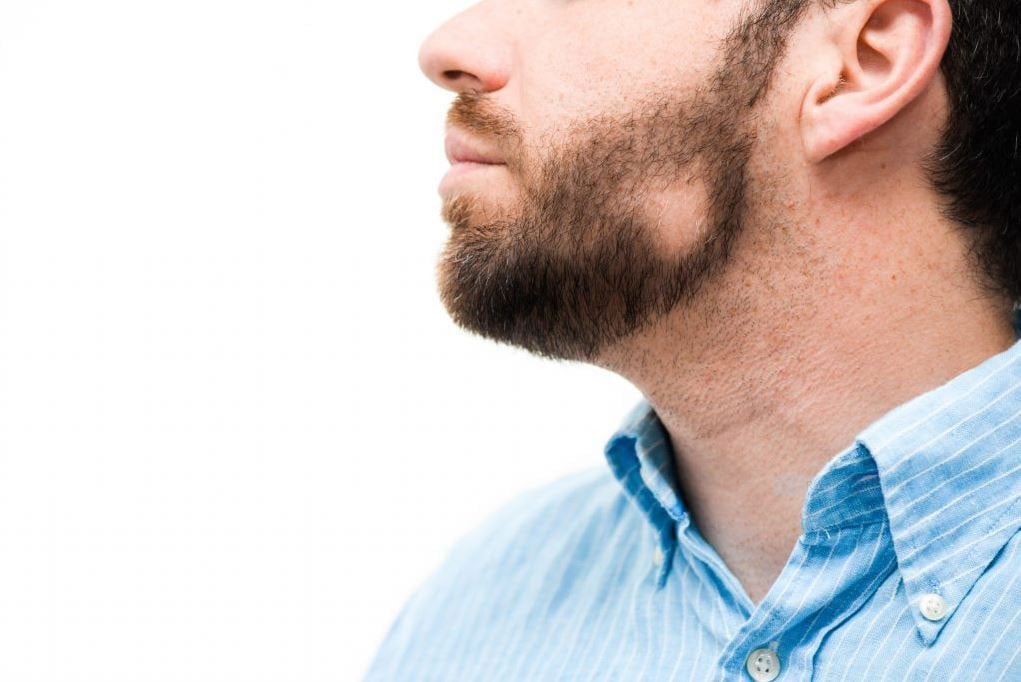
Alopecia areata is one of the autoimmune diseases that cause hair loss more frequently; it’s caused when hair follicles are attacked and thus their ability to produce hair becomes reduced.
It can affect head but also face and other parts of the body, generating small spots (areas) without hair that can grow further with time.
Lupus is another chronic autoimmune disease characterized by periods of activation and remission, in which the body rejects hair causing it to fall out, although it will later grow back during remission periods. For its part,
Hashimoto’s disease occurs when the immune system attacks thyroid gland, causing a series of disorders in the body that can include changes in hair texture or hair loss in large amounts, even in the long term.
Psoriasis is also an immune system disorder whose exact causes are unknown, and which is quite widespread among population.
It affects different areas of the skin causing redness, itchiness and the appearance of scales. Normally it does not cause major hair loss, unless it affects scalp.
Crohn’s disease is also a very common autoimmune system pathology that causes a chronic inflammation of intestine; although hair loss is not a common symptom of this disease,
it can occur because the absorption process in the intestine of nutrients and elements necessary for hair growth becomes limited.
How do you treat autoimmune hair loss?
Alopecia treatment in autoimmune diseases is not an easy task, it can be quite difficult depending on the disease and its severity.
However, there are several methods and treatments to stimulate hair growth, including following a varied diet rich in proteins and trace elements (necessary for hair growth), taking supplements such as biotin, or using natural and nutritious shampoos.
Using topical products such as minoxidil can also help to stop hair loss; Platelet Rich Plasma (PRP) is another recommended autoimmune hair loss treatment.
However, all these efforts are hampered not just by the autoimmune disease itself, but because the medication used to combat the disorder usually has hair loss as a side effect, as occurs with immunosuppressants.
On many occasions, the only solution left for autoimmune hair loss is – once the disease and its hair loss have stabilised – resorting to a hair transplant to mitigate the aesthetic consequences for the patient.
Clinicana is the best hair transplant clinic in Turkey, with innovative treatments and highly qualified staff. Ask us for a free consultation with no obligations. Get your hair back now!



Medical Review by: Prof. Dr. Soner Tatlıdede – September 2026 17-Alpha Estradiol (commercially known as Alfatradiol or Pantostin) is a topically applied stereoisomer of the female sex hormone 17-Beta Estradiol. Unlike its systemic isomer, 17-Alpha Estradiol exhibits minimal systemic estrogenic activity (approximately 1/100th of the binding affinity to classical estrogen receptors). When applied topically to the scalp […]

Medical Review by: Prof. Dr. Soner Tatlıdede – September 2026 Undergoing cancer treatment brings significant physical and emotional challenges. Among the various side effects, hair loss (alopecia) remains one of the most distressed symptoms for patients. However, a widespread misconception among patients and their families is that all cancer treatments affect hair growth in the exact same […]

Medical Review by: Prof. Dr. Soner Tatlıdede – September 2026 The Evolution of Minoxidil in Alopecia Therapy Minoxidil holds a unique place in modern pharmacological history. Originally developed in the 1970s as an oral antihypertensive treatment for severe high blood pressure, clinicians soon observed an unexpected secondary effect among patients: generalized hypertrichosis (excessive hair growth). Recognizing its medical […]


Thank you!
Your details have been successfully submitted. Thanks!