


Eyebrow hair loss: causes and treatment
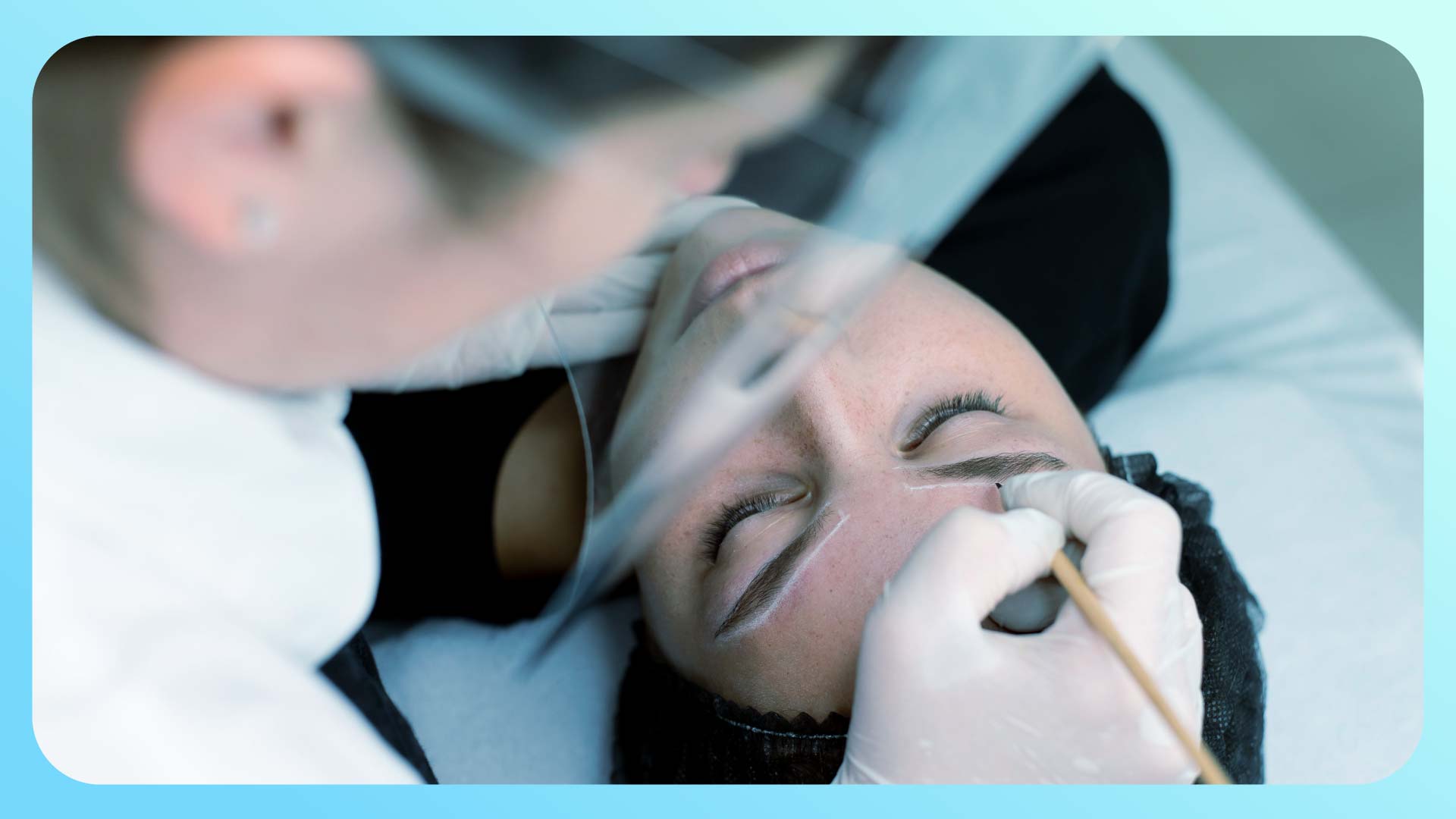
Noticing your eyebrows becoming thinner or developing patchy spots can significantly change your appearance and impact your self-confidence.
While losing eyebrow hair can be distressing, identifying the specific trigger—from nutritional gaps to hormonal shifts—is the key to finding an effective treatment and restoring your natural brow shape.
Many individuals struggle to understand why their eyebrows are shedding, often trying cosmetic cover-ups without addressing the underlying biological cause.
Whether the loss is due to over-plucking, aging, or a medical condition like alopecia areata, modern hair restoration offers a variety of successful pathways.
In this comprehensive guide, we will delve into the primary reasons behind eyebrow hair loss, the clinical symptoms to watch for,
and the most effective treatments available—ranging from topical growth serums and lifestyle changes to permanent eyebrow transplants—to help you achieve full, well-defined brows once again.
Causes of eyebrow hair loss
The causes of loss of hair in eyebrows can be many, some more frequent than others.
Before thinking about any treatment, it is necessary however to establish a clear diagnosis about what is causing the hair loss.
Among the main causes, there are the following:
Excessive waxing
This is a common cause of loss of eyebrow hair in women; they usually pluck their eyebrows to remove excess of hair or to make the brow line finer according to certain fashions; and this does not represent a problem if it is done moderately and carefully,
removing by traction only the hairs that grow outside the contour of the eyebrow.
However, if we observe some hair inside the eyebrow that protrudes, it is much better to cut it or we face the risk of damaging eyebrow hair follicles.
It must be remembered that through tractions, we cause the weakening of hair roots and eventually its disappearance, generating over time areas devoid of hair on the eyebrow.
Frontal fibrosing alopecia
This is a type of scarring alopecia – that is, it produces a permanent loss of hair follicles – common among women from 50 years of age after menopause, although more and more cases occur among young women, and even men.
It causes a receding of the hairline on the forehead, and is usually accompanied -before or after- by eyebrows fall out.
Alopecia areata
It is a form of alopecia caused by an immune response of the body, whose defences attack the hair root causing hair to fall out, although the root is still alive and therefore – with the proper treatment – hair can grow back.
Although the hair loss usually occurs on the scalp – where “areas” devoid of hair appear – it can also affect the eyebrows.
Skin diseases
When scaling skin diseases such as seborrheic dermatitis or psoriasis appear on some areas of the scalp, the hair also becomes affected and falls out.
Both psoriasis and seborrheic dermatitis may cause eyebrow hair loss, although – again – this fall is not permanent and hair can be recovered with treatment.
Injuries and scars
A major injury or a deep scar can destroy hair roots permanently. If we receive a blow to the eye or suffer an injury in this area of the face, damage to eyebrow hair roots can occur and it can trigger hair loss.
Certain diseases that cause skin lesions, such as skin cancer, can also cause hair loss both because of the disease itself and because of the surgery to remove it.
Thyroid conditions
Certain conditions of thyroid and eyebrow hair loss are related: if we suffer from problems in this gland and we have a low level of hormones, one of the symptoms is hair loss;
certain types of alopecia may appear, and they will require treatment.
Trichotillomania:
Trichotillomania is a disease that causes a compulsive behaviour that leads a person to constantly stretching, twisting and even pulling his/her hair, whether on the head, eyebrows or eyelashes.
It is the main cause of eyebrow loss due to stress.
Can I get my eyebrows to grow back?
Eyebrows do grow back sometimes with the proper treatment. However, before considering an eyebrow hair loss treatment, an expert dermatologist specialised in trichology must analyze our case, and carry out a study including a visual examination and blood tests to detect metabolic or hormonal problems.
After the diagnosis, the specialist will determine the best solutions for eyebrow hair loss: if hair loss is not caused by a scarring alopecia, eyebrows can grow back again.
We must keep in mind that hair growth on the eyebrow is very slow; so even if the treatment is successful, it may take 2-3 months for hair to grow back.
In the case of a scarring alopecia, early diagnosis is key to avoid further damages and to stop hair loss.
Once the cause has been identified and the hair loss has stopped, it is possible to recover the hair through an eyebrow transplant, which is similar to the one carried out on the scalp although with some differences, since eyebrow hair has different characteristics.
Furthermore, only single hair follicles are used for grafting in this type of transplant.
It is important that both the diagnosis of the problem that causes eyebrow hair loss and the treatment, including a transplant, is carried out by qualified and experienced personnel.
At Clinicana we are experts in all hair treatments, and a leading clinic in hair transplants. Read our patients’ reviews on hair transplant in Turkey, and get your hair back… Ask for your free online consultation now!


Diagnostic Parameter Tinea Capitis Alopecia Areata Seborrheic Dermatitis Primary Etiology Dermatophyte fungal infection (Microsporum / Trichophyton) Autoimmune response targeting hair follicles Overgrowth of Malassezia yeast and inflammatory reaction Scalp Scaling Present (fine grayish scales or thick crusting) Absent (scalp is smooth and clinically normal) Present (greasy, yellowish, or diffuse white flakes) Hair Shaft Appearance Broken […]
Medical Review by: Prof. Dr. Soner Tatlıdede – September 2026 Quick Summary (TL;DR) Iron deficiency—specifically depleted serum ferritin stores—is one of the most prevalent nutritional triggers of diffuse hair shedding, particularly among women and vegetarians. Iron is not merely a component of blood cells; it serves as a critical biological catalyst for cellular division and oxygen transport inside […]
Medical Review by: Prof. Dr. Soner Tatlıdede – September 2026 Direct Definition: What Is Female Pattern Baldness? Female pattern baldness (androgenetic alopecia in women) is a genetically influenced condition characterized by progressive hair thinning across the vertex and widening of the central part line, while usually preserving the frontal hairline. Unlike male pattern hair loss, which frequently causes […]


Thank you!
Your details have been successfully submitted. Thanks!