


Is It Possible to Transplant Hair From Another Person? Facts, Risks, and Alternatives
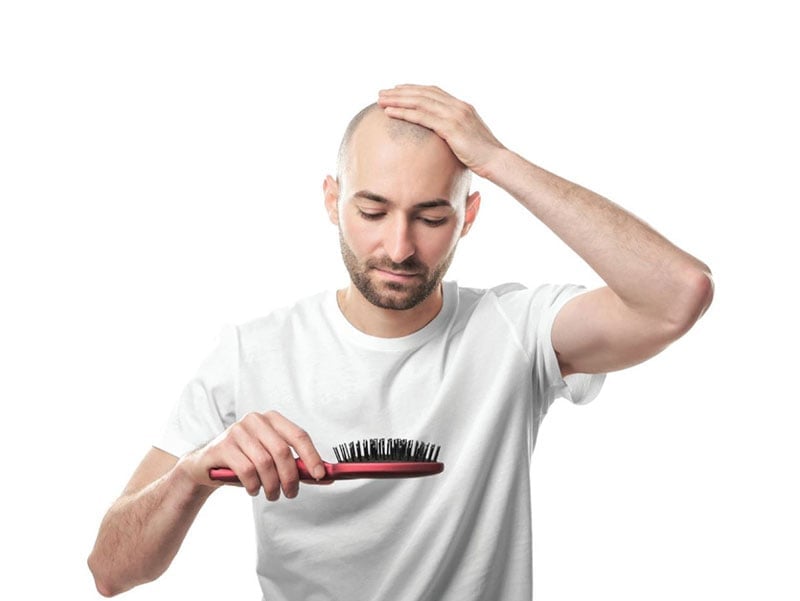
The world of restorative surgery has seen incredible breakthroughs, from life-saving heart surgeries to complex face transplants.
Naturally, this leads many individuals struggling with advanced hair loss to ask a pivotal question: Is it possible to transplant hair from another person?
When your own donor area—the hair on the back and sides of your head—is depleted or insufficient due to severe alopecia, the idea of using a donor’s hair seems like a logical solution.
However, the reality of hair transplantation from another person is far more complex than it appears.
While we often receive inquiries at Clinicana Turkey about “hair donation” or “using a family member’s hair,” there are critical biological barriers that dictate why this procedure is rarely performed in modern medicine.
In this detailed guide, we will dive deep into why your body might reject a stranger’s follicles, what the actual medical risks are, and—most importantly—what effective alternatives you have if you lack enough of your own hair to achieve a full, natural look.
The Biological Barrier: Why You Can’t Simply “Borrow” Hair
The core reason a hair transplant from another person is not a standard practice lies in your immune system.
Your body is designed to be a fortress; it has a sophisticated “identification system” that recognizes any biological material (cells, tissues, or hair follicles) that does not match your specific genetic code.
- Graft Rejection: Just as the body might reject a donated kidney or liver, it will identify foreign hair follicles as “invaders.” Your white blood cells will attack the transplanted grafts, leading to inflammation, scarring, and the total failure of the procedure.
- The Immunosuppressant Dilemma: To make a transplant from another person work, you would need to take immunosuppressive drugs (anti-rejection medication) for the rest of your life. These drugs carry heavy side effects, including a higher risk of kidney failure, infections, and certain cancers.
- Cost vs. Benefit: From a medical ethics standpoint, the risks associated with long-term immunosuppression far outweigh the cosmetic benefits of a hair transplant. This is why surgeons worldwide prioritize autologous transplants (using your own hair).
The Rare Exception: Identical Twins
There is one very specific scenario where a hair transplant from another person can be performed successfully: between identical (monozygotic) twins.
Because identical twins share the exact same DNA and HLA (Human Leukocyte Antigen) markers, the recipient’s body cannot distinguish the twin’s hair from its own.
In these rare cases, the transplant can thrive without the need for dangerous anti-rejection drugs.
What If My Donor Area Is Not Sufficient? (The Professional Workarounds)
If you have been told that your donor area is “too thin” or “over-harvested,” don’t lose hope. At Clinicana, we specialize in advanced techniques that bypass the need for a second person:
- Body Hair Transplant (BHT): We can often harvest healthy follicles from your beard or chest. Beard hair is particularly excellent for adding density to the crown area.
- FUE & DHI Hybrid Techniques: By using precision tools, we can maximize every single graft you have left, ensuring no follicle is wasted.
- Advanced Scalp Micropigmentation (SMP): For those with near-total baldness, SMP creates a flawless “shaved head” look that looks incredibly realistic and requires zero surgery.
The Verdict on Synthetic or Artificial Hair
Some patients ask about synthetic hair transplant as an alternative to using another person’s hair. While this is a possibility, we at Clinicana advise caution.
Artificial fibers often cause chronic scalp irritation and have a high rate of falling out over time.
We always recommend exploring every natural option first to ensure a result that lasts a lifetime.
FAQs: Everything You Need to Know
Can I use my brother’s or father’s hair for a transplant?
No. Even with close family members, your DNA is different enough that your body will reject the follicles unless you take dangerous anti-rejection drugs.
Is “Hair Donation” a thing in hair transplants?
In the world of wigs, yes. In the world of surgery, no. You are always your own donor.
What is the cost of a hair transplant in Turkey if I use my own hair?
Turkey remains the world leader in affordable, high-quality transplants. At Clinicana, we provide all-inclusive packages that cover the surgery, accommodation, and post-op care.
Conclusion: Trust the Experts at Clinicana Turkey
While the dream of a hair transplant from another person remains a medical rarity due to the risks of rejection, modern science offers better, safer ways to restore your confidence.
Whether it’s through maximizing your own donor hair or utilizing state-of-the-art body hair extraction, a solution is almost always available.
Ready to see what’s possible for your hair? Don’t rely on guesswork.
Contact Clinicana today for a 100% free medical consultation and let our experts analyze your donor area to provide a guaranteed plan for success.


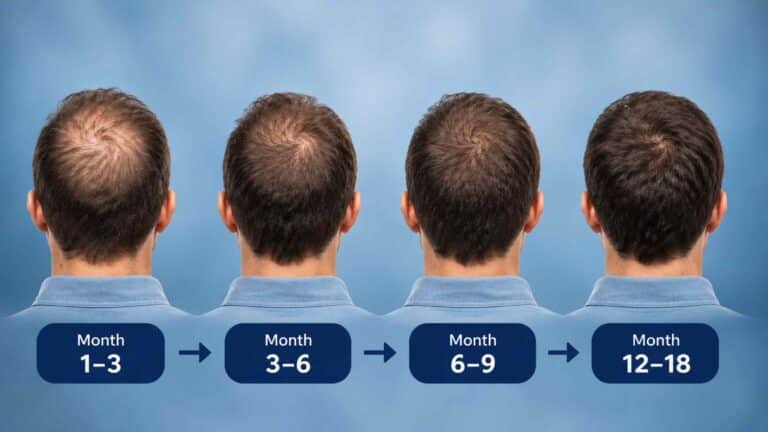
Medical Review by: Prof. Dr. Soner Tatlıdede – September 2026 Quick Summary: Crown Hair Transplant Growth Timeline Month-by-Month Timeline Stage Expected Growth & Hair Recovery Progress 0–2 Weeks Redness, scabbing, and temporary shock loss (shedding of transplanted hair). 2–4 Months Dormant phase ends; initial fine hair begins emerging from the scalp. 5–9 Months Considerable visible growth and […]

Medical Review by: Prof. Dr. Soner Tatlıdede – September 2026 Hair transplant costs in Turkey are up to 70% lower than in the US, UK, and Gulf region due to state healthcare subsidies, favorable economic exchange rates, lower operational overhead, and a specialized surgical infrastructure. However, low pricing carries risks: illegitimate “hair mills” operating around €1,350–€1,750 often […]

Medical Review by: Prof. Dr. Soner Tatlıdede – September 2026 17-Alpha Estradiol (commercially known as Alfatradiol or Pantostin) is a topically applied stereoisomer of the female sex hormone 17-Beta Estradiol. Unlike its systemic isomer, 17-Alpha Estradiol exhibits minimal systemic estrogenic activity (approximately 1/100th of the binding affinity to classical estrogen receptors). When applied topically to the scalp […]


Thank you!
Your details have been successfully submitted. Thanks!