


10 Hair Transplant Myths Debunked: The Truth About Pain, Results & Safety (2026)

Deciding to get a hair transplant is a major step. It’s exciting, sure, but it also comes with plenty of questions—and nerves!
You’ve likely seen stories of hair transplant regrets or found yourself wondering, “Does a hair transplant really work, or is it just hype?”
The internet is flooded with myths, half-truths, and oversimplified videos that can make separating fact from fiction difficult.
If you’re feeling overwhelmed, you’re not alone. Many patients hesitate because of misleading information about pain, recovery time, and results.
In this guide, we’ll debunk the 10 most common hair transplant myths and reveal the medical reality behind them.
Let’s clear up the confusion so you can make a confident, informed decision for your hair restoration journey.
Myth 1: Hair Transplant Results Are Instant (The Timeline Truth)
We all wish for overnight results, but a hair transplant isn’t a magic trick. One of the biggest misconceptions is expecting a full head of hair immediately after leaving the clinic.
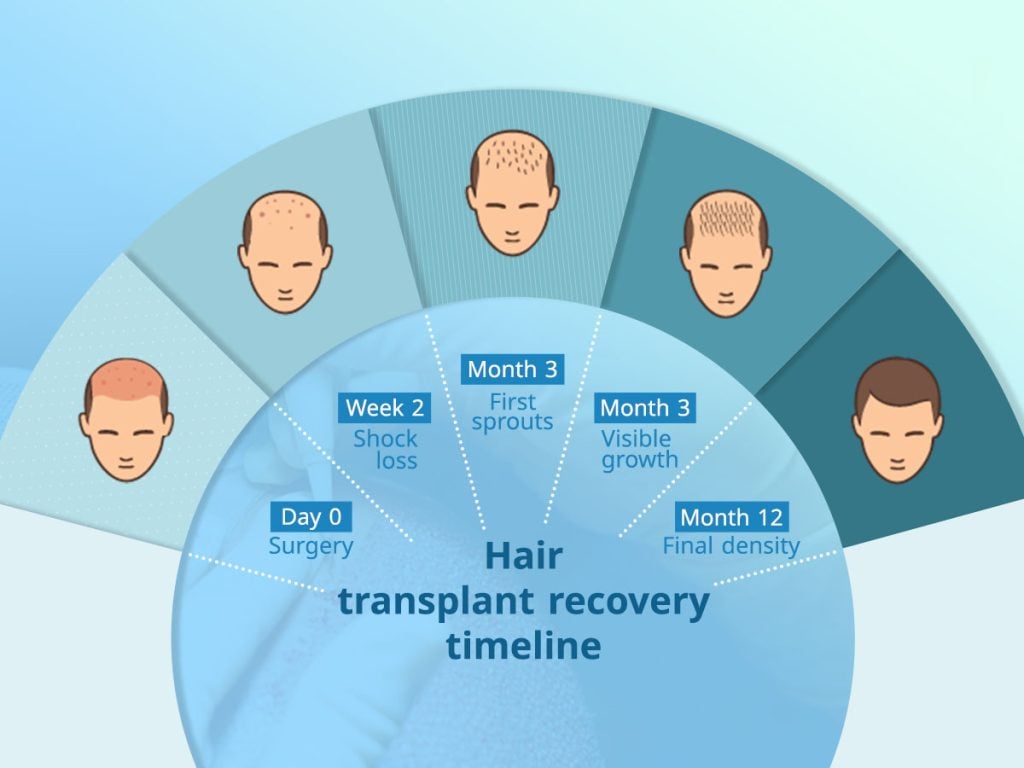
The reality? Real hair growth takes patience—typically 9 to 12 months to see the full effect.
In fact, shortly after your procedure, you will likely experience “shock loss.” This is a completely normal phase where newly transplanted hairs fall out within the first few weeks.
Don’t panic! The hair follicles remain alive and healthy beneath the skin, resting before they start producing new, permanent hair.
So, does a hair transplant work? Absolutely—but patience is key to achieving that natural, dense look.
Myth 2: Hair Transplants Are Only for Bald Men (Women & Thinning Hair)
Think hair transplants are just for men with shiny bald spots? Think again.
Modern techniques like DHI (Direct Hair Implantation) are now widely used to treat early signs of thinning, not just advanced baldness.
In fact, many patients visit clinics to fix a receding hairline or add density to a sparse crown long before they go bald.
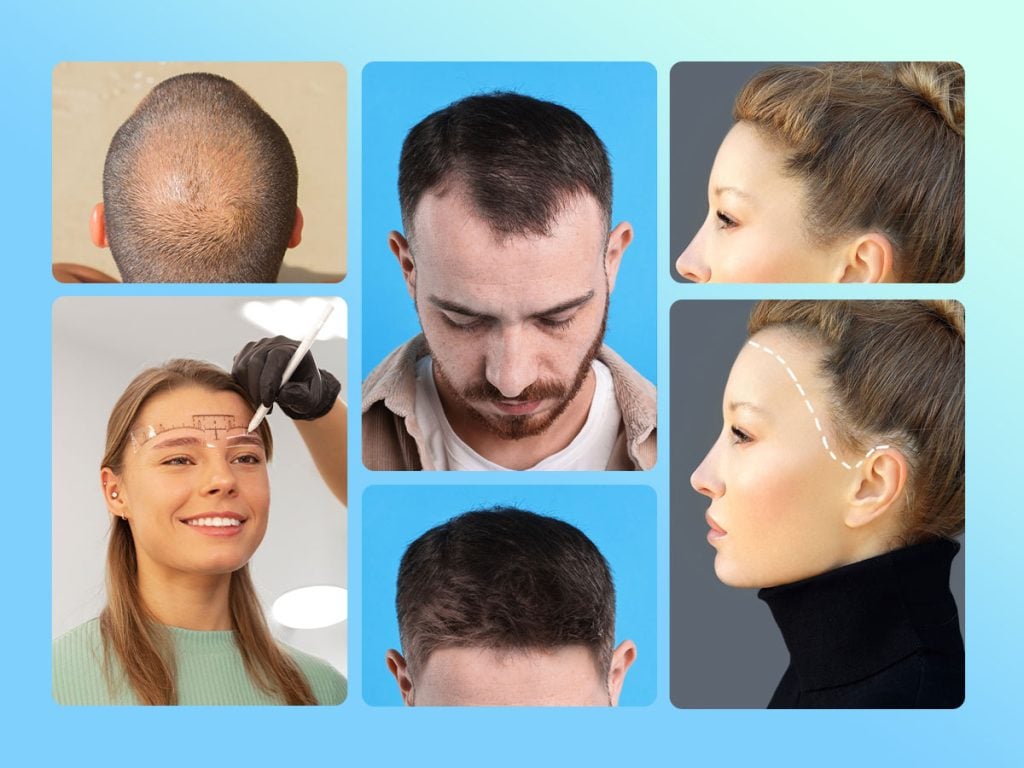
And here’s a fact: It’s not a “guys-only” club anymore. According to recent ISHRS statistics, the number of women getting hair transplants is steadily rising.
Whether it’s to lower a high forehead, fill in a widening part line, or restore thinning edges, the procedure has become a versatile solution for everyone.
Myth 3: A Hair Transplant Is a One-Time Fix Forever (Long-Term Plan)
A hair transplant can deliver long-lasting results—but it isn’t always a “set it and forget it” solution. The transplanted grafts are designed to stay, yet your native hair can continue to thin over time, which may create uneven density if you don’t plan.
That’s why reputable clinics talk about a long-term strategy, not just the surgery day. Depending on your case and medical suitability, your doctor may discuss options such as finasteride or minoxidil to help support existing hair and protect your overall look.
Think of a hair transplant as one step in a bigger hair-restoration journey—planning, realistic expectations, and follow-up care are what keep results looking natural over the years.
Myth 4: Hair Transplants Are Painful and Dangerous (Pain & Safety Facts)
Is a hair transplant painful? For most patients, not really—modern techniques like FUE (Follicular Unit Extraction) and DHI (Direct Hair Implantation) are minimally invasive and designed to be comfortable.
The procedure is typically done under local anesthesia, so you’re awake but numb, and many people describe it as similar to a long dental visit rather than “major surgery.”
Like any procedure, there are risks (swelling, infection, poor growth), but complications are generally less likely when you choose a qualified surgeon, a properly licensed clinic, and follow clear aftercare instructions—most “failed” cases are linked to poor technique or weak follow-up care.
Myth 5: Hair Transplants Look Fake (Natural vs. Pluggy Results)
This myth stems from older techniques in the ‘80s that left some patients with “pluggy” or doll-like hairlines. But thanks to modern advancements, natural-looking hair transplants are now the standard.
Today’s clinics use precise hairline mapping and careful graft placement to follow your natural growth direction and density. Skilled surgeons focus on creating soft, irregular hairlines that mimic real hair—not a straight, artificial line.
If a transplant looks fake, it’s often due to poor design or outdated methods. When performed correctly by an experienced team, the results should blend seamlessly with your existing hair—so much so that even your barber might not notice!
Myth 6: Hair Transplant Clinics in Turkey Are Risky (Safety Guide)
Is Turkey safe for a hair transplant? The short answer is yes—if you know how to choose the right clinic. Turkey is a global leader in hair restoration, home to many highly skilled surgeons and JCI-accredited hospitals.
However, safety depends on research. The risk usually comes from prioritizing low prices over medical quality. Some budget clinics may rely heavily on technicians instead of doctors, which can impact safety and results.
To ensure a safe experience, look for clinics that provide a consultation with the surgeon, display transparent before-and-after photos, and have clear medical credentials (like ISHRS membership). Choosing reputation over the “cheapest deal” is the best way to protect your health and hair.
Myth 7: More Grafts Always Mean Better Results (Density vs. Overharvesting)
It’s easy to assume that transplanting 5,000+ grafts in one session guarantees a thicker look, but in hair restoration, more isn’t always better. Quality, survival rate, and strategic placement matter far more than just a high number.
Focusing only on graft count can lead to overharvesting, which may damage your donor area (the back of your head) and leave it looking patchy or scarred. A depleted donor area also limits your options for future touch-ups if you need them.
A skilled surgeon prioritizes safe donor management and artistic design—placing grafts where they create the most visual impact rather than just chasing a number. It’s about achieving the best coverage while keeping your donor hair healthy for the long term.
Myth 8: Hair Transplant Results Are 100% Guaranteed (Success Rates)
While hair transplants have high success rates, no medical procedure comes with a 100% guarantee. Transplanted hairs are generally permanent, but the final outcome depends on factors like your genetics, blood supply, and how well you follow post-op care instructions.
Be cautious of any clinic promising a “perfect result” regardless of your condition—that’s a red flag. Success relies on proper planning and technique; rare cases of failure are often due to poor execution or neglecting aftercare, not the concept of transplantation itself.
Myth 9: Any Doctor Can Perform a Hair Transplant (Surgeon vs. Technician)
Hair transplantation is a precise medical art, not a simple task that “anyone” can do. In some low-cost clinics, procedures are handled almost entirely by unlicensed technicians rather than experienced doctors, which increases the risk of unnatural hairlines and complications.
A qualified surgeon understands facial symmetry, hair angles, and future hair loss patterns. They design a hairline that suits your age and face shape, ensuring the result looks natural today and ten years from now. Choosing a specialist over a generalist is the best way to avoid regrets.
Myth 10: Recovery Takes Weeks of Isolation (Downtime Realities)
Worried about hiding away for a month? Good news: hair transplant recovery is faster than most people think. You won’t need to put your life on hold for weeks.
Most visible signs, like scabs and redness, typically fade within 7 to 10 days. Swelling usually subsides in just a few days. With a loose hat or comfortable hoodie (once approved by your doctor), many patients are back to running errands or working from home within a week.
FAQ
Do hair transplants look fake?
No. Modern FUE/DHI techniques allow surgeons to place grafts at natural angles, making results undetectable once fully grown.
Is getting a hair transplant in Turkey safe?
Yes, if you choose an accredited clinic (JCI/ISHRS) with a reputable surgeon. Avoid “technician-only” clinics that prioritize low cost over safety.
How long does it take to see full results?
Most patients see significant growth by 6-9 months, with final results visible around 12-15 months after the procedure.
Final Thoughts: Choosing Facts Over Hype for Better Results
In the age of viral videos and quick fixes, it’s easy to get swept up in the hype. But your hair restoration journey deserves more than a 30-second clip—it requires planning, patience, and medical expertise.
A successful hair transplant isn’t just about the surgery day; it’s about choosing a clinic that prioritizes your long-term health over a quick sale.
The best clinics won’t just promise miracles; they will educate you on the risks, set realistic expectations, and design a plan that suits your specific hair loss pattern.
Ultimately, hair transplants do work—and they can be life-changing. By looking past the myths and choosing a skilled, ethical team, you’re investing in a natural, lasting result. Your future self (and your future hairline) will thank you for doing it right.



Noticing your eyebrows becoming thinner or developing patchy spots can significantly change your appearance and impact your self-confidence. While losing eyebrow hair can be distressing, identifying the specific trigger—from nutritional gaps to hormonal shifts—is the key to finding an effective treatment and restoring your natural brow shape. Many individuals struggle to understand why their eyebrows […]

Managing the daily challenges of an autoimmune condition like lupus is demanding, and noticing sudden hair thinning or scarring can add a significant emotional burden. While lupus-related hair loss can be complex, understanding the difference between systemic shedding and discoid lesions is the first step toward finding the right treatment to manage symptoms and encourage […]

Hair loss is a progressive condition that affects not only your appearance but also your psychological well-being. For decades, patients felt their only choices were invasive surgery or ineffective topical creams. However, the field of regenerative medicine has evolved rapidly, offering powerful biological solutions that harness the body’s own ability to heal. If you are […]


Thank you!
Your details have been successfully submitted. Thanks!