


Lupus and alopecia: is there a treatment?
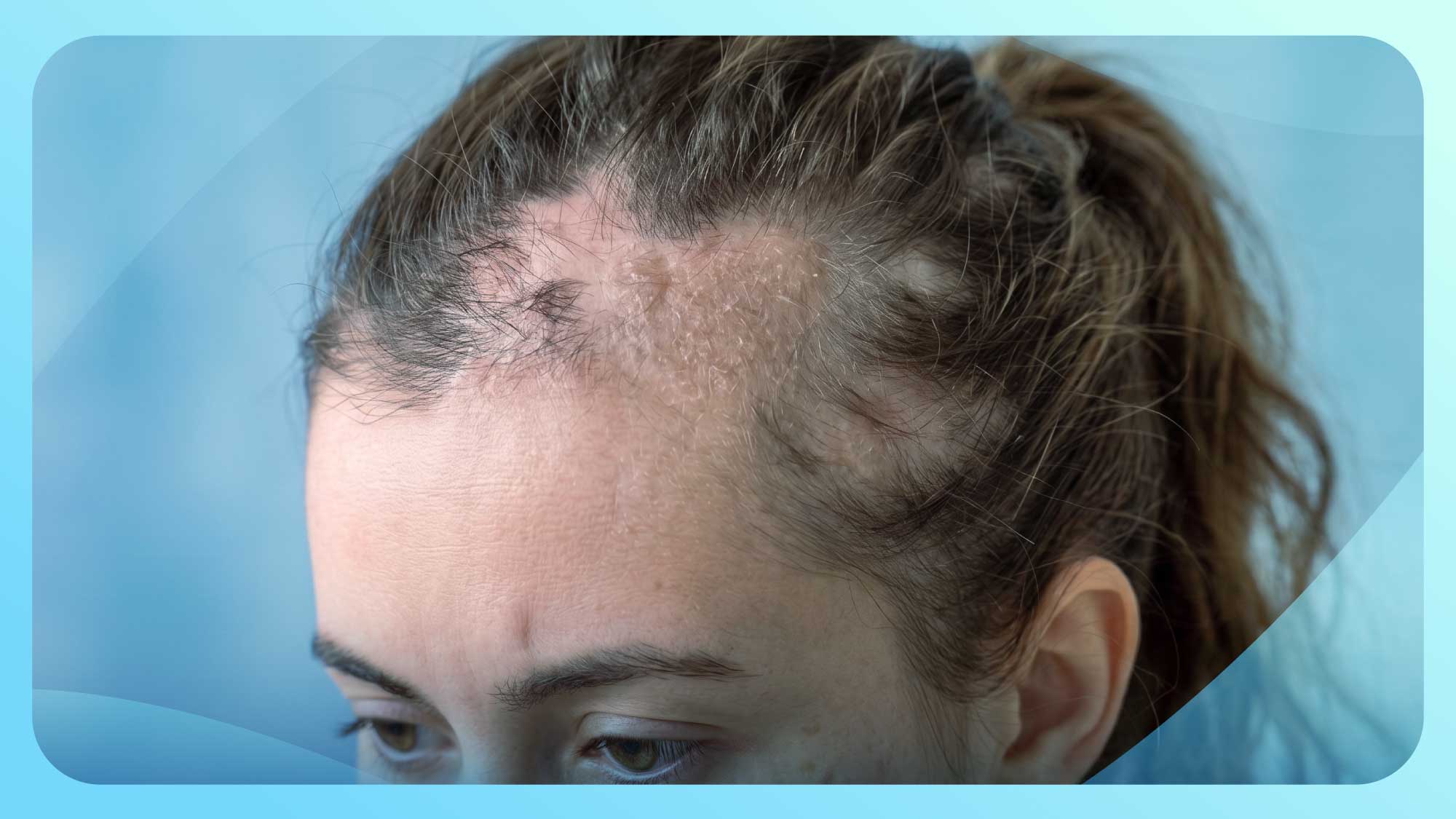
Managing the daily challenges of an autoimmune condition like lupus is demanding, and noticing sudden hair thinning or scarring can add a significant emotional burden.
While lupus-related hair loss can be complex, understanding the difference between systemic shedding and discoid lesions is the first step toward finding the right treatment to manage symptoms and encourage regrowth.
Many patients feel overwhelmed when their hair begins to thin during a flare-up, often wondering if the loss is permanent or a temporary side effect of medication.
Because lupus can affect the body in various ways, the approach to hair restoration must be carefully integrated with your overall medical care.
In this comprehensive guide, we will explore the biological reasons why lupus causes alopecia, the clinical signs of scarring versus non-scarring hair loss,
and the latest treatment strategies—from anti-inflammatory medications to specialized scalp care—designed to protect your follicles and help you regain your confidence.
What is usually the first sign of lupus?
Lupus is an autoimmune disease that makes the immune system to not distinguish between viruses or bacteria and the body’s cells, attacking its own tissues.
Although it is a more common disease than is believed and it has been known for centuries, its diagnosis is extremely difficult because it can affect almost any part of the body, and its early symptoms vary with each patient. But, what is the most common early symptom of lupus?
Actually, one of the most common early symptoms can be hair loss, but this is not always the case.
The range of symptoms include some such as joint and muscle pain, fatigue, rashes, sores, mouth ulcers, skin blemishes, inflammations, fever, internal organ pain, and many more…
Typically, these symptoms are moderate and do not pose a health risk, except when internal organs are severely affected.
If first symptoms are difficult to diagnose as lupus, it is even less clear for scientists what the causes of this symptoms and the overall disease are.
As with another autoimmune disease, alopecia areata, the cause of lupus is still unknown, although it is believed that factors such as genetics or environment have some influence on its appearance.
For example, it is known that certain people are born with a genetic tendency to develop lupus, and that the disease is activated in them from infections, medications, stress, pollution…
Hormones, and especially estrogens, are another lupus triggering factor.
In fact, about 90% of patients diagnosed with lupus are women, the main risk age being between 20 and 40 years old.
What are the main types of lupus?
There are mainly three types of lupus: systemic lupus erythematosus (SLE), which is the most common and affects a wide range of parts or organs in the body;
drug-induced lupus erythematosus (DIL), which accounts for 10% of lupus cases and has symptoms similar to SLE but caused by a drug, although they remit when medication is stopped; and finally, cutaneous lupus erythematosus (CLE), which is a sort of SLE that mainly affects skin.
CLE, like all types of lupus, is a chronic disease for which there is no cure but only palliative treatments to try to keep symptoms under control.
It manifests itself with lesions on face and in areas exposed to sunlight (legs, arms…), with flaking rashes on the skin that are aggravated by exposure to solar radiation.
Cutaneous lupus erythematosus often causes hair damage and different types of alopecia, although alopecia in systemic lupus erythematosus is also common.
There are two types of CLE: discoid lupus erythematosus (DLE), which causes scarring alopecia; and subacute cutaneous lupus erythematosus (SCLE), with milder symptoms. Discoid lupus alopecia affects 15% of lupus patients.
Is alopecia a sign of lupus?
Hair loss is not just a sign of lupus; as studies show, it is in fact one of the most frequent lupus symptoms, although its intensity varies in each patient: it can be from a simple hair thinning, up to an alopecia areata by lupus that may also cause eyelashes, beard or eyebrows hair loss.
Lupus alopecia is so common, that if hair falls out and there is no other explanation, doctors often suspect of lupus.
Sometimes lupus patients do not experience heavy hair loss, but their hair becomes so fragile and weak that it falls out easily.
Even with treatment and after symptoms subside, hair is often one of the areas that takes more time to recover, appearing spots where hair becomes brittle and with an unhealthy-looking.
Lupus can cause scarring or non-scarring alopecia. If lupus causes scarring alopecia – for example in discoid lupus – follicles are permanently damaged and hair does not grow back, so the hair loss will be permanent; however,
it is more common for lupus to cause non-scarring alopecia – in milder cases of lupus, or those that do not mainly affect hair – and, in that case, hair can recover again with treatment.
Coping with hair loss by lupus
As we mentioned before, lupus has no cure; so, the main objective of any treatment is to limit the damages, make symptoms – including hair loss – subside, and avoid the appearance of lesions or scars;
cortisone creams or hydroxychloroquine are common treatments to correct symptoms in milder cases – which are the majority. But, what can we do about the alopecia caused by lupus?
Normally, and if we are not dealing with a serious case of lupus, hair can be recovered again after the appropriate lupus alopecia treatment; however,
if we notice a weakening in our hair or abnormal hair loss, we should consult a doctor as soon as possible so that he or she can determine whether lupus is the cause or not, and which remedy is the most appropriate.
Not only there is a strong relation between lupus and alopecia; unfortunately, in the most severe cases of lupus, hair loss is irreversible and even hair transplant is not always recommended.
The best you can do is to consult the issue with an experienced professional who can advise you with the best solution: Clinicana is the best hair transplant clinic in Turkey, and we are specialists in all hair treatments.
Request a free consultation online, and we will help you to cope with your hair loss problem.


Medical Review by: Prof. Dr. Soner Tatlıdede – September 2026 Quick Summary: Crown Hair Transplant Growth Timeline Month-by-Month Timeline Stage Expected Growth & Hair Recovery Progress 0–2 Weeks Redness, scabbing, and temporary shock loss (shedding of transplanted hair). 2–4 Months Dormant phase ends; initial fine hair begins emerging from the scalp. 5–9 Months Considerable visible growth and […]

Medical Review by: Prof. Dr. Soner Tatlıdede – September 2026 Hair transplant costs in Turkey are up to 70% lower than in the US, UK, and Gulf region due to state healthcare subsidies, favorable economic exchange rates, lower operational overhead, and a specialized surgical infrastructure. However, low pricing carries risks: illegitimate “hair mills” operating around €1,350–€1,750 often […]

Medical Review by: Prof. Dr. Soner Tatlıdede – September 2026 17-Alpha Estradiol (commercially known as Alfatradiol or Pantostin) is a topically applied stereoisomer of the female sex hormone 17-Beta Estradiol. Unlike its systemic isomer, 17-Alpha Estradiol exhibits minimal systemic estrogenic activity (approximately 1/100th of the binding affinity to classical estrogen receptors). When applied topically to the scalp […]


Thank you!
Your details have been successfully submitted. Thanks!