


Post‑Op Hair Transplant Care and Graft Survival: What You Need to Know
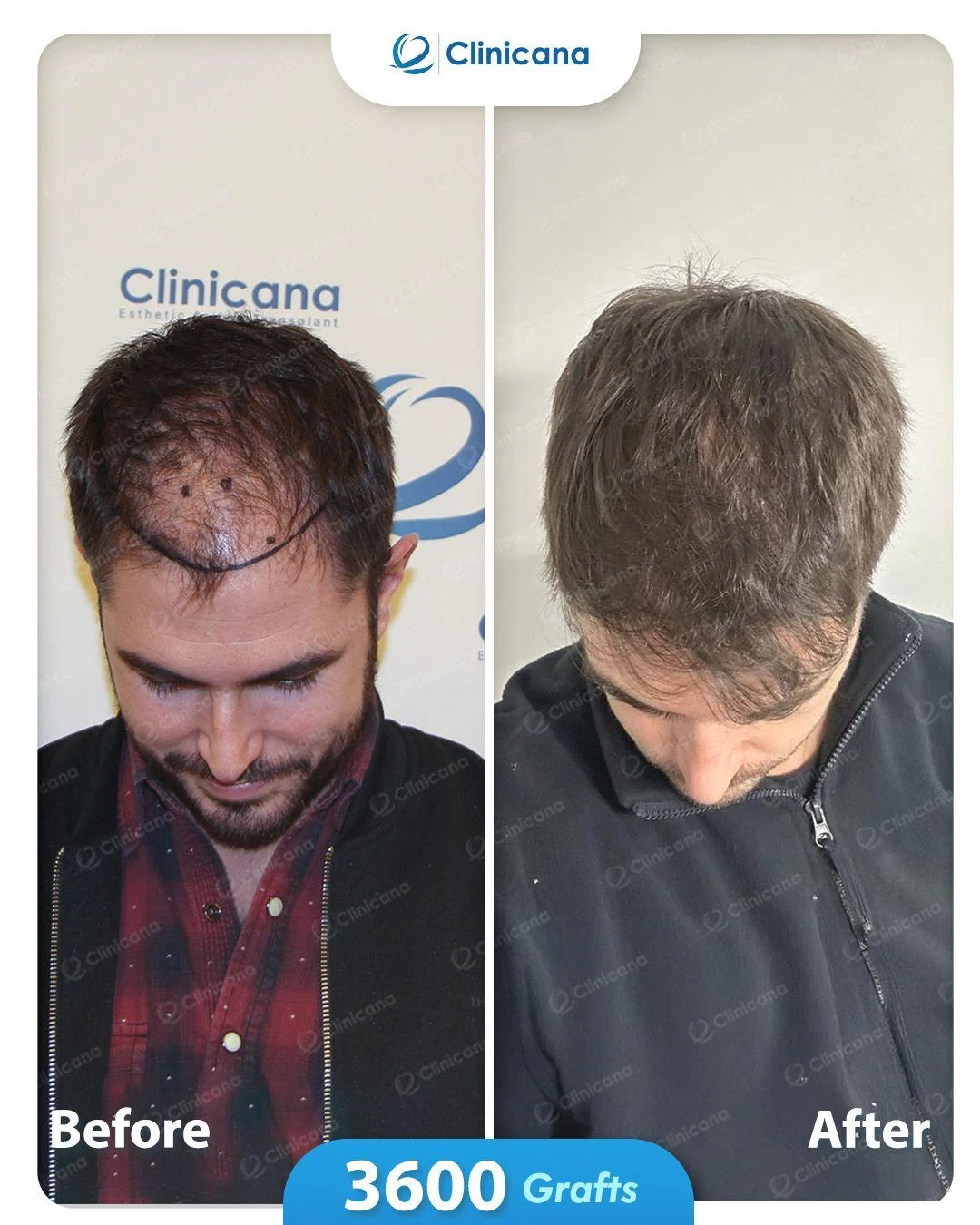
Undergoing a hair transplant is a significant decision and a major investment in your confidence. However, walking out of the clinic with new grafts is only half the journey.
The success of your procedure now rests heavily on how well you navigate the recovery period.
In our clinical experience, patients often underestimate the importance of the days immediately following surgery.
This is the time when your new follicles are establishing their blood supply and anchoring into the scalp. Proper care during this delicate phase is the single most critical factor in determining the final density and natural appearance of your hair.
This guide serves as your comprehensive medical companion, walking you through the essential steps to ensure optimal healing and maximum graft survival.
Why Post‑Op Hair Transplant Care Matters for Graft Survival
The period immediately following your surgery is defined by biology. Your body is working hard to heal the micro-incisions and accept the relocated tissue. Post hair transplant care is not just about hygiene; it is about creating the perfect physiological environment for these fragile grafts to thrive.
How your first days after surgery affect hair transplant results
The difference between a “good” result and a “life-changing” result often comes down to the first week. During this time, the grafts are susceptible to mechanical damage, dehydration, and infection.
- Vascularization: New blood vessels must form to feed the transplanted follicles.
- Stability: If a graft moves or dries out before it anchors, it will not survive.
- Inflammation Control: Managing swelling prevents pressure on the grafts.
Prioritizing your post hair transplant care instructions ensures that every viable graft has the chance to root and grow, directly impacting the overall density you see in the mirror a year later.
What happens to your grafts in the first 14 days
Understanding the hair transplant graft survival timeline helps reduce anxiety. Here is what is happening beneath the surface:
- Days 1–3: The grafts are held in place only by fibrin (a blood clot protein). They are extremely loose.
- Days 4–7: The body begins to produce collagen, gluing the grafts more securely to the scalp.
- Days 8–14: The crusts (scabs) begin to fall off, and the follicles enter a resting phase. By day 14, the grafts are typically considered secure.

Essential Post Hair Transplant Care Instructions (First 14 Days Overview)
Navigating the first two weeks requires discipline. We provide our patients with a strict protocol to ensure safety. These post hair transplant care instructions are the gold standard for recovery.
The most important rules to follow from day 1 to day 14
To maximize your results, adhere to these guidelines religiously:
- Sleep Elevated: For the first 5 nights, sleep with your head raised at a 45-degree angle to reduce swelling and prevent the grafts from touching the pillow.
- Spray Frequently: If provided with a saline spray, use it every 30–60 minutes to keep the recipient area moist. Dry grafts die quickly.
- Hydrate: Drink at least 3 liters of water daily to flush out anesthesia and support cellular repair.
- No Touching: Do not touch, rub, or pick at the recipient area under any circumstances.
These post hair transplant care instructions 14 days protocol are designed to bridge the gap between surgery and healing.
When to contact your clinic after a hair transplant
While complications are rare, prompt communication is vital. You should initiate an after hair transplant follow up if you notice:
- Excessive Bleeding: Spotting is normal; continuous flow is not.
- Severe Pain: Pain that is not relieved by prescribed painkillers.
- Signs of Infection: Green/yellow discharge, excessive heat, or fever.
- Necrosis: Dark or black patches on the skin, indicating a lack of blood supply.
What to Avoid After a Hair Transplant to Protect Your Grafts
Knowing what not to do is just as important as knowing what to do. What to avoid after hair transplant involves minimizing risks that could physically dislodge the grafts or impede blood flow.
Activities and habits that can damage your grafts
Your lifestyle must adapt temporarily to protect your investment. What not to do after hair transplant generally involves avoiding strain and blood pressure spikes.
- Heavy Lifting: Avoid gym workouts, heavy weights, or strenuous labor for at least 3 weeks. High blood pressure can push grafts out.
- Sexual Activity: Avoid sexual activity for the first 7 days to keep heart rate and blood pressure stable.
- Bending Over: Do not bend at the waist to pick things up. Squat down instead to prevent blood rushing to the head.
- Smoking: Nicotine constricts blood vessels, starving the new grafts of oxygen. Avoid smoking for at least 2 weeks post-op.
Sleeping, washing, touching, and hats: common mistakes to avoid
Mechanical damage is the number one enemy of graft survival. Learning how to protect hair transplant grafts means being mindful of physical contact.
- The “Head Bump”: Be extremely careful getting in and out of cars. Bumping your head can destroy a patch of grafts instantly.
- Washing Technique: Do not let the shower stream hit the grafts directly. Pour water gently using a cup.
- Headwear: Do not wear tight caps, beanies, or helmets for at least 14 days. A loose bucket hat is usually acceptable after day 3-5, but check with your surgeon.
Hair Transplant Success and Graft Survival Rates: The Facts
Patients often ask us about the statistics. The hair transplant success rate is generally very high, but it depends on the skill of the surgeon and the diligence of the patient.
Average hair transplant survival rate with proper post‑op care
In top-tier medical facilities, the hair transplant graft survival rate typically ranges between 90% and 95%. This means that for every 100 follicles transplanted, 90 to 95 will successfully root and grow hair.
- The “Shedding” Phase: Do not confuse shedding with graft failure. Between weeks 3 and 8, the transplanted hair shafts will fall out (shock loss). This is normal. The root remains alive, and new growth will begin around month 3 or 4.
Factors that influence your final success rate
Several variables contribute to the hair transplant success rate factors:
- Technical Skill: The handling of grafts during extraction and implantation (avoiding transection or dehydration).
- Blood Supply: The vascularity of the recipient area. Scar tissue has poorer blood supply than healthy skin.
- Post-Op Adherence: Patients who follow care instructions strictly see better density.
- Underlying Health: Uncontrolled diabetes or heavy smoking can lower survival rates significantly.
How Post‑Op Care Differs for FUE vs DHI vs FUT
While the biological healing principles are the same, the specific techniques can dictate slight variations in care.
Specific care tips for FUE hair transplant
FUE post hair transplant care (Follicular Unit Extraction) focuses on the broad donor area.
- Donor Healing: You will have hundreds or thousands of tiny dot scabs on the back of your head.
- Ointment: Apply the prescribed antibiotic or moisturizing ointment to the donor area to reduce itching and speed up healing.
- Sleeping: Since the donor area is at the back, you may feel tenderness when lying down. A soft travel pillow can help.
- FUE post op care instructions emphasize keeping the donor area clean to prevent infection in the micro-scars.
Specific care tips for DHI hair transplant
DHI post op care (Direct Hair Implantation) is similar but often involves a quicker recovery for the recipient area due to less trauma.
- Less Bleeding: DHI often results in less bleeding and crusting between the hairs.
- Gentle Washing: Because grafts are implanted directly, the scabs may be smaller. However, the “no touch” rule remains strict for the first 10 days.

Medications and Products After a Hair Transplant
Your clinic will provide a medical kit. Understanding your after hair transplant medication helps you manage comfort and safety.
Pain control, antibiotics, and anti‑inflammatory drugs
We prescribe a specific regimen of post hair transplant medications to support healing:
- Antibiotics: Usually taken for 5–7 days to prevent infection in the open pores.
- Painkillers: Mild analgesics are usually sufficient for 1–2 days. Most patients report little pain after 48 hours.
- Anti-swelling (Corticosteroids): These may be prescribed for the first few days to prevent edema from moving down to the eyes.
When to start shampoos, lotions, and topical treatments
Knowing when to wash hair after hair transplant is crucial.
- First Wash: Usually performed at the clinic 24–48 hours after surgery.
- Lotion Step: Apply a softening lotion (like Panthenol) to the recipient area and let it sit for 30 minutes to soften scabs.
- Shampoo Step: Foam up the medical shampoo in your hands and gently pat it onto the scalp. Do not rub. Rinse with a cup of lukewarm water.
- Daily Routine: Repeat this daily to keep scabs clean until they fall off (around day 10–12).
Long‑Term Care to Maintain Your Hair Transplant Results
A hair transplant is a lifetime investment. Long term care after hair transplant ensures that you keep your new look for decades.
When to start PRP, medications, and supportive treatments
To maximize density, we often recommend supportive therapies.
- PRP after hair transplant: Platelet-Rich Plasma therapy is highly recommended starting 1 month post-op. It increases blood flow to the new follicles and can speed up the growth rate.
- Medications after hair transplant: If you have genetic hair loss, continuing treatments like Finasteride or Minoxidil is vital. Finasteride blocks DHT, preventing your native hair from thinning further. Minoxidil supports the new grafts. Consult your surgeon on when to resume these (usually after 2–4 weeks).
Protecting both transplanted and native hair over the years
To maintain hair transplant results, treat your scalp with respect.
- Sun Protection: Protect your scalp from sunburn for the first 6 months. UV rays can damage the skin and the follicles.
- Healthy Diet: A diet rich in protein, iron, and vitamins (Biotin) supports hair keratin production.
- Regular Check-ups: Visit your dermatologist or hair specialist annually to monitor your scalp health and catch any further thinning early.
FAQs About Post‑Op Hair Transplant Care and Survival Rates
How long do I need to be careful after a hair transplant?
The most critical period is the first 14 days. During this time, the grafts are anchoring. After 2 weeks, you can return to most normal activities, but you should avoid heavy impact sports or direct strong sun for about a month.
When will the transplanted hair start to grow?
Patience is required. The transplanted hair will shed within the first 3–4 weeks (shock loss). New, permanent growth typically begins around month 3 or 4. Significant cosmetic improvement is usually visible by month 6, with the full result appearing around month 12.
What if I accidentally touch or hit the grafts?
If you lightly touch the grafts, they are likely fine. However, if you hit your head or scratch hard enough to cause bleeding and displace a graft, you may have lost that specific follicle. Contact your clinic immediately if this happens.
Can I still get a good result if I made a mistake in the first days?
One minor mistake (like bending over once) rarely ruins a transplant. The body is resilient. However, repeated negligence (like sleeping on your face or scratching scabs) will reduce your overall density. If you are worried, send photos to your medical team for reassurance.
When Should You See a Doctor?
While the recovery process is generally smooth, certain symptoms warrant immediate medical attention. Please contact our team if you experience:
Fever: A temperature over 38°C (100.4°F).
Pus: Yellow or green discharge from the donor or recipient sites.
Spreading Redness: Redness that expands beyond the surgical area and feels hot to the touch.
Persistent Bleeding: Bleeding that does not stop after 10 minutes of gentle pressure


Traveling for medical care is a major life decision. You must plan your treatment and your budget carefully. Many patients feel confused by complex clinic pricing. You want to focus purely on your healing. You do not want surprise bills after your surgery. In our medical practice, we see this confusion often. We believe in […]
For many individuals facing hair loss, the decision to undergo a hair transplant is not hindered by the surgery itself, but by the recovery phase. Specifically, the prospect of shaving one’s head is a significant psychological barrier. In our clinical practice, we frequently meet patients—ranging from high-profile executives to women with diffuse thinning—who delay necessary […]
Investing in a hair transplant is a significant decision that represents a commitment to restoring not just your hair, but your self-confidence. However, the procedure itself is only the beginning of the journey. Once you leave the operating room, your scalp enters a critical recovery phase where the newly implanted follicles must anchor themselves and […]


Thank you!
Your details have been successfully submitted. Thanks!