


What Does Replanting Hair Actually Mean? Myths, Surgery, and Second Sessions
Medical Review by: Prof. Dr. Soner Tatlıdede – September 2026
Quick Summary (TL;DR)
The colloquial phrase “replant hair” is often used by patients searching for options to restore thinning areas or correct a failed previous procedure.
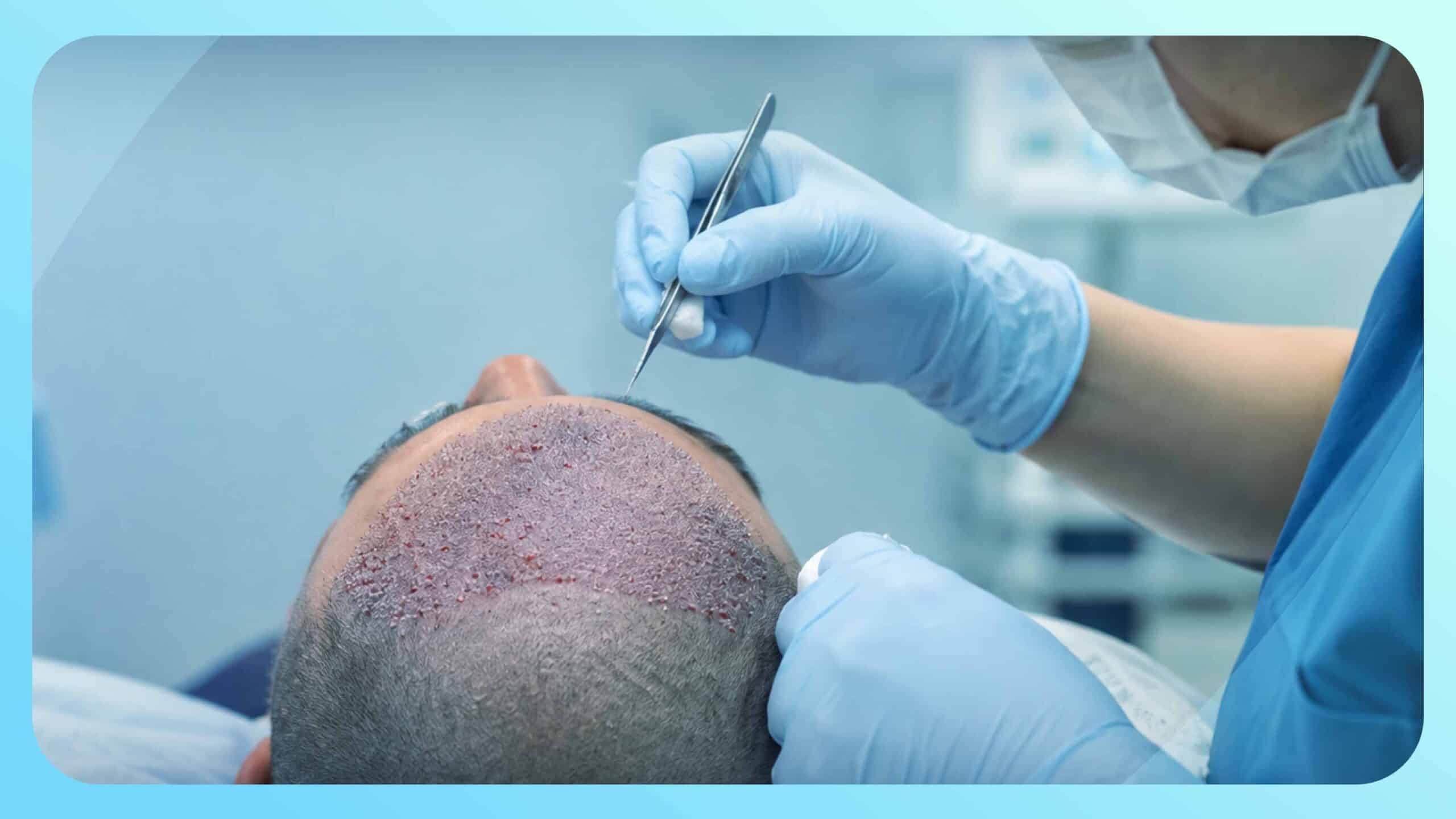
From a medical standpoint, hair transplantation does not involve putting fallen hairs back into the scalp or returning extracted hair to its original spot. Instead, permanent follicular units are extracted from a DHT-resistant donor area (typically the back of the head) and implanted into balding regions via a precise 3-step process: extraction, channel opening, and implantation.
If you are seeking a second session or revision procedure, success depends entirely on your remaining donor area capacity, hair loss stability, and safe harvesting limits.
Introduction: Clarifying the Medical Reality of “Replanting Hair”
When patients search for ways to “replant hair,” they are usually confronting one of two distinct situations: either experiencing progressive pattern baldness and wanting to regrow hair in sparse regions, or seeking to fix a previous, unsatisfactory hair transplant procedure.
In popular search terminology, the phrase suggests putting original hair back where it used to grow. However, human hair biology works differently.
Once a hair follicle dies due to Androgenetic Alopecia (male pattern baldness), it cannot be reawakened or “re-rooted”. Modern hair restoration is an autologous tissue transfer—relocating permanent, genetically healthy hair roots from one part of the scalp to another.
At Clinicana Hair Transplant Center in Istanbul, under the medical direction of Prof. Dr. Soner Tatlıdede, we prioritize transparent patient education.
Understanding the exact medical mechanisms behind hair transplantation—and what a second session actually entails—is essential before making any surgical decisions.
What Does “Replanting Hair” Mean in Modern Medicine?
In clinical dermatology, hair restoration is not a simple “removal and replacement” procedure. The process relies on the concept of donor dominance.
Follicles situated in the occipital region (the back and lower sides of the head) are genetically programmed to resist Dihydrotestosterone (DHT), the primary hormone responsible for shrinking hair roots in male pattern baldness.
When these DHT-resistant follicles are harvested and transplanted into recipient sites (such as the hairline, mid-scalp, or crown), they retain their genetic resistance permanently.
| Common Patient Term | Clinical Medical Term | Biological Reality |
|---|---|---|
| “Replanting original hair” | Primary Follicular Unit Extraction (FUE) | Transferring live, DHT-resistant grafts from the donor area to balding zones. |
| “Replanting after bad results” | Revision Surgery / Hair Transplant Repair | Correcting misaligned angles, density deficits, or pluggy hairlines using remaining donor reserves. |
| “Re-inserting fallen hair” | Biologically Impossible | Shed hair shafts lack live dermal papilla roots and cannot be re-anchored into the scalp. |
The 3-Step Process of Hair Restoration
Achieving natural density and proper growth angles requires a systematic, micro-surgical approach. Every successful procedure follows three mandatory stages:
1. Micro-Extraction (Harvesting)
Using specialized micro-motor devices fitted with circular punches measuring 0.7mm to 0.9mm, individual follicular units (containing 1 to 4 hairs each) are carefully extracted from the donor region.
The surgeon must align the punch precisely with the subcutaneous angle of the hair root to prevent transection (severing the follicle bulb).
2. Recipient Site Channel Opening (Incision)
This critical stage determines the final direction, angle, and aesthetic flow of the new hair. In modern procedures, surgeons use gem-grade micro-blades in Sapphire FUE Hair Transplants to create clean, precise micro-incisions.
Channels are opened at acute angles (typically 30 to 45 degrees) matching your original hair growth pattern.
3. Direct Implantation
The harvested grafts are carefully inserted into the newly prepared channels using micro-forceps or specialized implanter instruments.
Single-hair grafts are meticulously selected for the very front of the hairline to ensure a natural edge, while multi-hair grafts are positioned behind to create volume. In techniques like Direct Hair Implantation (DHI), channel creation and graft insertion occur simultaneously using Choi Implanter Pens.
Second Sessions and Repair: Can You Replant Hair a Second Time?
A frequent search intent behind “replant hair” comes from individuals who underwent a surgery years ago—or suffered a botched procedure at an unqualified clinic—and now need corrective work.
Can a Second Hair Transplant Be Performed?
Yes, a second procedure is entirely possible, provided key clinical conditions are met:
- Adequate Remaining Donor Capacity: The safe donor region contains roughly 10,000 to 12,000 follicular units over a lifetime. Medically, surgeons can extract a total maximum of 4,000 to 6,000 grafts across a patient’s lifespan without causing visible thinning or patchy scarring. If your first procedure over-harvested the donor site, further surgery may be limited.
- Stabilized Native Hair Loss: If surrounding native hair continues to thin, a second session can fill new gaps that have developed behind the original transplant.
- Resolution of Tissue Scarring: In revision cases, the scalp must fully heal from previous micro-trauma, which typically requires waiting 12 to 18 months before attempting corrective surgery.
For patients dealing with depleted donor reserves or unnatural hairlines caused by budget clinics, specialized options such as Hair Transplant Repair Surgery or Body Hair Transplantation (BHT using beard grafts) can help restore symmetry and density.
Frequently Asked Questions (FAQ)
Does hair regrow in the donor area after extraction?
No. Once a follicular unit is harvested from the back of the head, that specific root does not grow back in the donor zone. The extraction site heals into a tiny micro-scar that is hidden by surrounding hair. This is why calculating a safe extraction ratio is crucial to avoid over-harvesting.
How long must I wait between a first and second hair transplant?
Surgeons recommend waiting at least 12 to 15 months before undergoing a second session. This allows the full results of the first operation to emerge, gives donor tissues adequate time to recover, and ensures proper evaluation of true density requirements.
Is it possible to use someone else’s hair for a transplant?
No. Transplanting hair from another person is not medically viable because your immune system will recognize foreign cellular tissue and reject the grafts. Only your own natural donor hair can be successfully used.
Seeking an Expert Assessment for Your Scalp
Whether you are exploring a primary hair restoration procedure or evaluating options to repair a previous surgery, an accurate clinical assessment is the most critical first step.
Medical Disclaimer & Review
- Medical Disclaimer: The information provided in this article is intended strictly for educational and awareness purposes and does not replace personal clinical consultation, formal diagnosis, or individualized medical advice.
- Medical Review Conducted by: Prof. Dr. Soner Tatlıdede, Lead Plastic Surgeon and Hair Restoration Specialist at Clinicana Hair Transplant Center, Istanbul. with over 22 years of surgical experience and 18,947 procedures performed.
Academic & Clinical References
- Goldin J, Zito PM, Raggio BS. Hair Transplantation. StatPearls / NCBI Bookshelf. Updated 2025.
- Journal of Cutaneous and Aesthetic Surgery: Graft Survival Rates, Microcirculation, and Density Assessment in Male Pattern Hair Restoration.
- International Society of Hair Restoration Surgery (ISHRS): Global Practice Census Statistics & Safe Graft Extraction Protocols.
- Parsley WM, Perez-Meza D. Review of Factors Affecting the Growth and Survival of Follicular Grafts. Journal of Cutaneous and Aesthetic Surgery.


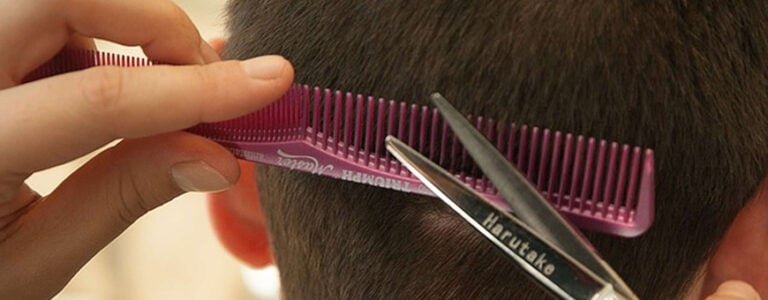
By Prof. Dr. Soner Tatlıdede · October 2026 When can you cut your hair after a hair transplant? Hair in the donor area can be trimmed after 1 month using scissors or clippers. As for the recipient area, trimming only the ends of the hair using scissors is permitted after 2 months. However, you must wait at […]
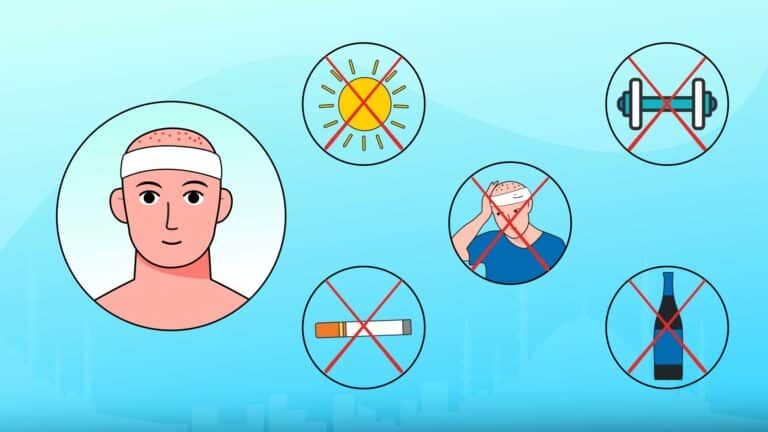
By Prof. Dr. Soner Tatlıdede · October 2026 Congratulations on completing your hair transplant. While the surgical part is finished, the success of your restoration now depends heavily on the recovery phase. In our clinical experience, the first two weeks post-surgery are just as critical as the procedure itself. Understanding what to avoid after a hair transplant […]
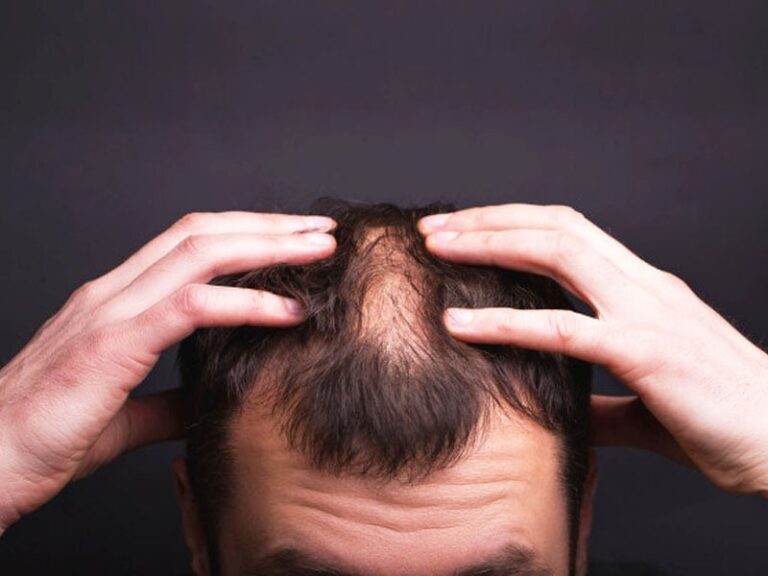
Scalp psoriasis and seborrheic dermatitis are chronic inflammatory conditions that frequently cause discomfort, itching, redness, and scaling. For individuals experiencing hair thinning alongside these conditions, severe anxiety often arises regarding permanent follicle loss and the feasibility of hair restoration. A central concern among patients is whether undergoing a hair transplant while managing scalp psoriasis is […]


Thank you!
Your details have been successfully submitted. Thanks!