


Restrictions After Hair Transplant: An Extended Preventive Guide to Protecting and Securing New Grafts
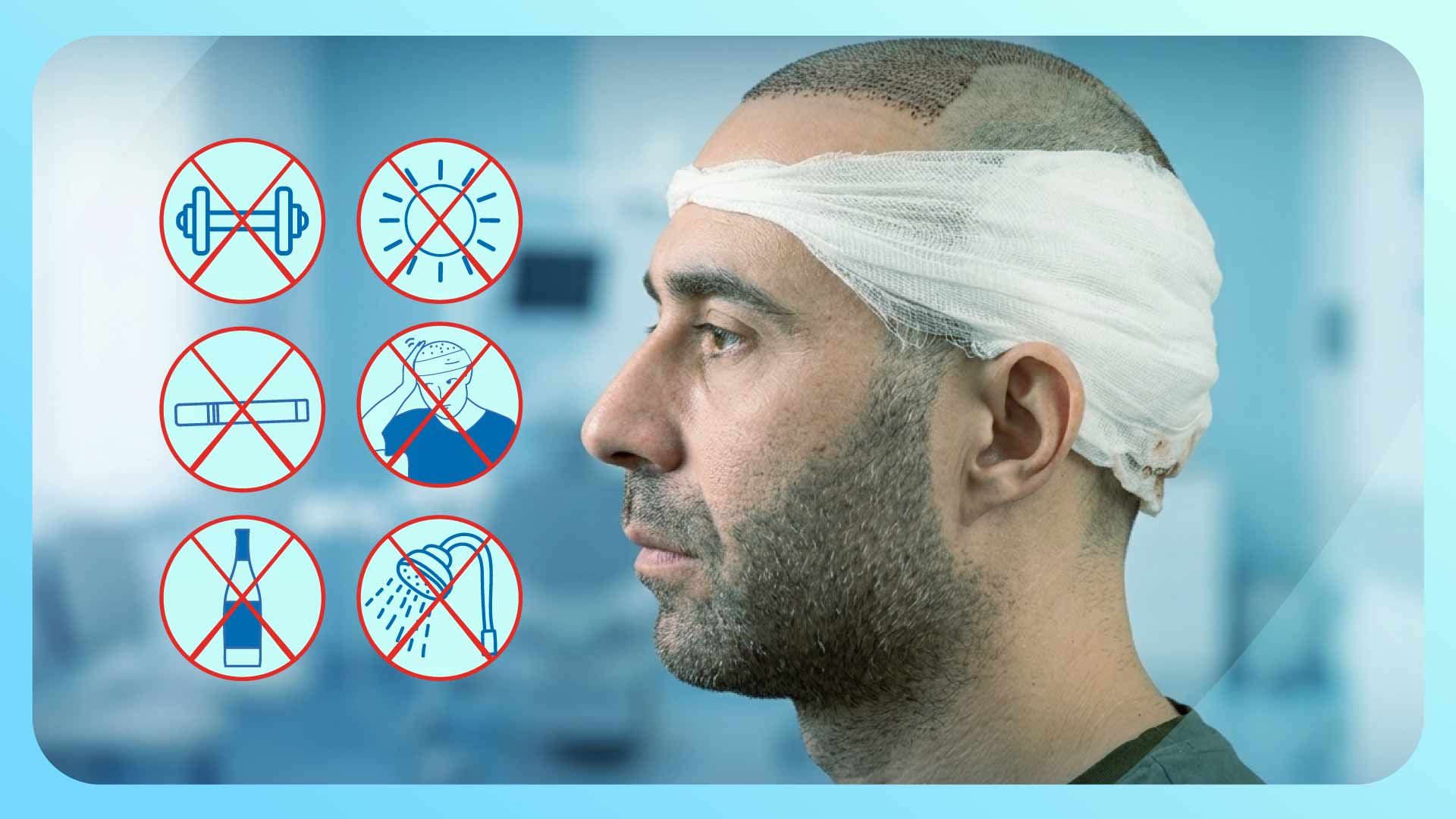
Hair transplant surgery marks the exciting beginning of a new chapter toward restoring a youthful appearance and natural hair density, serving as a significant investment individuals make to boost their self-confidence.
However, stepping out of the operating room successfully and in good health does not mean the journey is over. In fact, the most critical and delicate phase begins at home, specifically during the first two weeks of the recovery period.
During this transitional stage, the newly implanted roots and grafts in your scalp are extremely fragile and soft, closely resembling small plant seedlings embedded in new soil.
They have not yet fused with the deep blood vessels, nor have they acquired the mechanical stability that protects them from external factors.
During this critical time, they rely on absorbing basic nutrients from the surrounding fluids until new blood channels grow to nourish them fully—a process that takes between 10 to 14 days.
Based on this biological fact, any accidental wrong movement, minor neglect, or uncalculated daily habit could directly lead to the displacement or permanent damage of these follicles.
In this comprehensive and extended guide from Clinicana, we will review in detail the list of restrictions after a hair transplant and explain the medical reasons behind each prohibition, providing you with a clear roadmap to cross safely into harbor and achieve the ideal results you aspire to.
First: Restrictions on Touching, Friction, and Body Posture
Physical handling of the scalp in the early days requires strict discipline, as accidental touching is one of the biggest mistakes patients make.
1. Absolute Prohibition on Scratching or Rubbing the Scalp
After the first few days, plasma fluids begin to dry, forming microscopic scabs around the grafts. As wounds heal, the body releases histamine, causing a natural yet annoying itching sensation.
No matter how intense this urge becomes, it is strictly forbidden to touch the recipient area or scrape it with your fingernails during the first two weeks.
Fingernails can carry bacteria that cause folliculitis, and the scraping motion is enough to dislodge the follicle from its roots and cause immediate bleeding. If you experience severe itching, rely on a cooled saline spray to soothe the nerves.
2. Avoid Low Sleeping Postures and Sleeping on the Stomach or Side
Sleeping incorrectly falls directly under medical prohibitions. It is strictly forbidden to sleep on your stomach or side throughout the first week after the procedure.
Sleeping on the stomach causes the saline solutions and anesthetic fluids injected under the skin to rush toward the face and forehead, leading to acute swelling and puffiness around the eyes.
Sleeping on the side threatens direct friction of the anterior hairline with the pillow. As previously discussed in our detailed guide on how to sleep after a hair transplant, the only safe posture is to lie on your back with your head and shoulders elevated at a 45-degree angle using extra pillows, securing your neck with a U-shaped medical travel pillow to prevent involuntary movement during the night.
3. Prohibition on Bending Downward
During the first three to five days, you must avoid bending your head downward (where the head is lower than heart level), such as bending to tie your shoes, picking up objects from the floor, or reading in a low position.
This bending causes a sudden and violent rush of blood pressure toward the delicate capillaries in the scalp, which can dislodge the follicles from their open medical channels or cause minor bleeding under the skin.
If you want to pick something up, lower your entire body by bending your knees while keeping your head and back straight upward.
Second: Prohibitions Related to Physical Effort, Sweating, and Sports
Many people rush to return to their active athletic lives, but the body needs to direct its energy entirely toward wound healing during this phase.
1. Prohibition of Strenuous Sports Activities and Weightlifting (For 30 Days)
Engaging in vigorous aerobic exercises such as sprinting, or practicing bodybuilding and lifting heavy weights, are strict prohibitions during the first month.
Weightlifting requires straining body and neck muscles, which sharply and suddenly raises arterial blood pressure. This rise in pressure directly affects the newly transplanted grafts, as it can cause newly healed blood vessels to burst, leading to acute bleeding that dislodges the follicles.
After the second week, only light and organized walking is allowed, provided there is no overexertion.
2. Avoid Excessive Sweating and Bacterial Environment Build-up
Sweating is the hidden enemy of follicles in the first two weeks. When the body secretes sweat, salts and vital waste products exit with it, leading to irritation of the injured skin and doubling the urge to scratch.
Additionally, the humidity and heat resulting from sweating under caps or gauze form an ideal and typical environment for the proliferation of bacteria and fungi, raising the risks of contracting a microbial infection known as folliculitis.
Therefore, you must avoid staying in unconditioned places, abstain from heavy physical work, and completely refrain from entering saunas, jacuzzis, and steam rooms for at least a month.
3. Prohibition of Swimming in Chlorinated Water or Sea Water
It is strictly forbidden to enter swimming pools or the sea during the first thirty days. Pool water contains high percentages of chlorine and chemical disinfectants, which are burning and drying substances for newly healed skin and can damage new root cells.
On the other hand, seawater—despite its salinity—may contain microbes and micro-parasites that can penetrate medical channels that have not yet closed 100%, causing acute infections in the scalp.
Third: Daily Lifestyle and Biologically Harmful Habits
Restrictions are not limited to physical movements only, but include habits that directly affect blood quality and the blood perfusion reaching the scalp.
1. Smoking in All Forms and Types
Smoking (whether regular cigarettes, shisha, or electronic cigarettes and vapes) is one of the most dangerous practices after a hair transplant.
Nicotine is inherently a vasoconstrictor substance; when inhaled, it constricts the micro-arteries feeding the scalp, reducing the amount of blood, oxygen, and vital nutrients reaching the newly transplanted follicles.
This acute lack of perfusion not only slows down the wound healing process and extends the recovery period, but can also directly cause the grafts to die in place and fail to grow in the future. Smoking must be stopped completely for a week before the procedure and at least two weeks afterward.
2. Alcohol Consumption
Drinking alcohol is strictly prohibited for at least 48 to 72 hours after the operation.
Alcohol acts as a powerful natural blood thinner, increasing its fluidity and raising the likelihood of scalp bleeding during sleep.
Additionally, alcohol dangerously interferes with medical drugs, antibiotics, and painkillers prescribed to you by the Clinicana medical team after surgery, which may invalidate their effect or cause health complications for the liver and stomach.
3. Exposure to Direct Sunlight and Weather Heat
The scalp after a hair transplant temporarily loses its natural ability to protect itself from ultraviolet (UV) solar radiation.
Exposure to direct sunlight during the first two weeks can cause silent, deep sunburns in the affected skin layers; these burns destroy pigment cells and negatively affect follicle viability, potentially leaving permanent dark spots and discolorations on the scalp.
If going out during the day is necessary, an umbrella should be used, or the loose, wide cap provided by the clinic should be worn very gently after the fourth day.
Fourth: Restrictions on Hair Care, Showering, and Shaving
Applying a wrong cleaning method or using unsuitable tools can ruin the doctor’s work in a matter of minutes.
1. Prohibition of Direct Shower Water Jet on the Head
When showering and washing your head during the first ten days, it is strictly forbidden to open the shower faucet directly over the transplanted scalp. Rushing water with high pressure constitutes a violent mechanical shock to the delicate follicles that have not yet stabilized, and can easily dislodge them.
The correct method is to pour lukewarm water gently using a small cup or bowl, or adjust the shower flow to be extremely weak and fluid, directed by hand.
2. Prohibition of Commercial Shampoos and Harsh Chemical Materials
It is completely forbidden to use commercial shampoos distributed in markets that contain sulfates, parabens, or concentrated chemical fragrances throughout the first month.
These chemicals cause acute dryness and strip the scalp of its natural oils, increasing irritation and inflammation. You must rely exclusively on the gentle medical shampoo and moisturizing lotion prescribed to you by the medical team at Clinicana.
3. Prohibition of Hair Dryers (Blow Dryers) and Dyes
The use of a hot blow dryer is completely prohibited in the first month; the transplanted area suffers from temporary numbness in nerve endings, and if you use hot air, you may sustain skin burns without feeling pain.
Furthermore, heat dries out and damages the grafts. It is also forbidden to use hair dyes, gels, or hairsprays for at least two weeks to two months after the operation, due to their content of chemical compounds and concentrated ammonia that may penetrate the pores and destroy emerging hair roots.
4. Prohibition of Using Electric Shaver on the Recipient Area
Hair shaving is subject to strict chronological rules; it is prohibited to use an electric shaver on the recipient (transplanted) area for at least 6 months after the procedure.
The violent mechanical vibrations of the shaver blades and their direct friction with the skin can destroy the emerging hair roots beneath the surface or cause a decline in density.
The hair of the transplanted area can be cut using scissors only and very gently after the first month. As for the donor area (back of the head), it can be shaved with a machine or scissors after 3 weeks without worry.
Frequently Asked Questions and Detailed Patient Clarifications
When can I wear a cap, headscarf, or motorcycle helmet?
It is forbidden to wear tight caps (such as baseball caps), traditional headscarves, or a motorcycle helmet throughout the first ten days of the procedure because they press directly on the anterior hairline and the crown area, preventing the scalp from breathing and ventilating.
After the tenth day, and once the scabs have completely fallen off, you can wear a wide, loose cap, provided it is put on and removed very gently from back to front to protect the follicles from direct friction.
I bent down accidentally and felt a pulse and pressure in my head, did I lose the follicles?
If the bending was for a few seconds and not repetitive, and it was not accompanied by clear blood bleeding or hairs falling to the ground, then most likely things passed peacefully and the follicles were not affected.
The pulse you felt is the result of a temporary increase in blood flow; just take this feeling as a warning and avoid repeating bending in the following days to maintain stable blood pressure in your head.
Is eating spicy food or salts forbidden after the operation?
It is preferred to reduce very spicy foods (containing hot pepper and chili) and ease the use of salts in food during the first three nights.
Spicy foods may cause scalp sweating, and excessive salt intake contributes to fluid retention inside the body, increasing the chances of swelling and edema in the forehead area and around the eyes. Replace that with a balanced diet rich in proteins and vitamins to support hair growth.
Conclusion
The hair transplant journey is a true partnership where responsibility is shared equally between the doctor and the patient. The doctor performs the surgical part accurately and professionally inside the clinic, but maintaining this result and ensuring hair growth lies entirely on your awareness and commitment to instructions at home.
The list of restrictions after a hair transplant may seem long or require some sacrifice and change in your usual lifestyle, but they are in fact very temporary and simple restrictions not exceeding two weeks, in exchange for obtaining thick, permanent hair and an attractive natural look that accompanies you for a lifetime.
Remember that protecting your scalp and strictly avoiding these prohibitions is the fundamental pillar to avoid hair transplant failure and ensure hair growth with a perfect and ideal success rate.
If you are confused or feel any unfamiliar symptom, the medical follow-up team at Clinicana is always available around the clock to provide the appropriate medical support and guidance for you at every step.
References
National Library of Medicine (NCBI)
ScienceDirect Medical Journals
International Journal of Surgery (IJS)
International Society of Hair Restoration Surgery (ISHRS)


Medical review by: Prof. Dr. Soner Tatlıdede, hair transplant surgeon (22+ years, 18,947 procedures) – October 2026 Quick answer Every hair transplant leaves some marks, because skin heals with tiny scars. With modern FUE and DHI these are small dots spread across the donor area, and they are usually invisible once the hair grows back […]

Medical review by: Prof. Dr. Soner Tatlıdede, hair transplant surgeon (22+ years, 18,947 procedures) – October 2026 Quick answer Istanbul and Antalya are the two Turkish cities most international patients compare for a hair transplant. Izmir and Ankara come up less often. The city matters less than who operates, where and how. The deciding factors […]
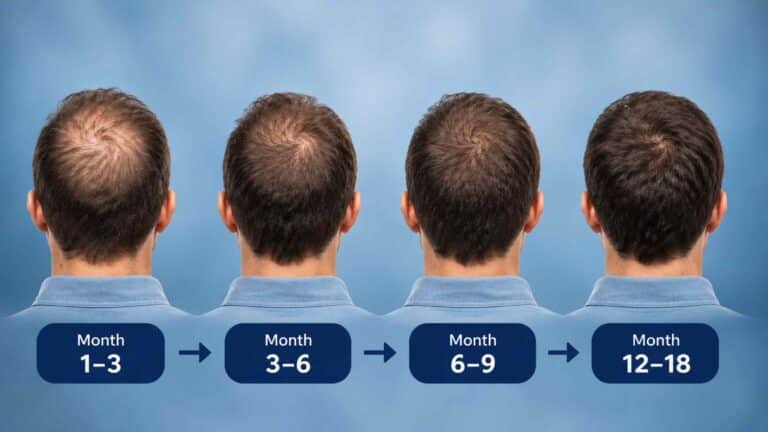
Medical Review by: Prof. Dr. Soner Tatlıdede – September 2026 Quick Summary: Crown Hair Transplant Growth Timeline Month-by-Month Timeline Stage Expected Growth & Hair Recovery Progress 0–2 Weeks Redness, scabbing, and temporary shock loss (shedding of transplanted hair). 2–4 Months Dormant phase ends; initial fine hair begins emerging from the scalp. 5–9 Months Considerable visible growth and […]


Thank you!
Your details have been successfully submitted. Thanks!