


What is Scalp Micropigmentation? Complete Guide to SMP Treatment
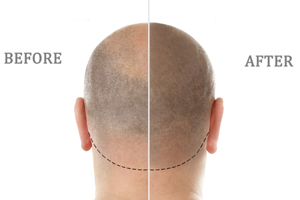
By [Prof. Dr. Soner Tatlıdede] · may 2026
TL;DR: Scalp micropigmentation (SMP) is a non-surgical cosmetic procedure that uses medical-grade pigments to create the appearance of hair follicles on the scalp. This technique mimics a buzz-cut hairstyle, adds density to thinning areas, and can conceal hair transplant scars. Unlike traditional tattoos, SMP uses temporary pigments in the first skin layer, lasting 1-3 years. It’s ideal for patients with insufficient donor areas, severe hair loss, or alopecia areata.
Scalp micropigmentation is a new technique consisting of the colouring and dyeing of the head scalp with a medical and cosmetic tattoo to give the illusion of a buzz cut hairstyle on a head with baldness, or to add density to a thinning hairline. This treatment can also be used to conceal scars from hair transplant procedures or to treat hair loss due to skin problems like alopecia areata.
Continue reading and we´ll tell you all the details about what is micropigmentation.
How does scalp micropigmentation work?
SMP works by depositing medical-grade pigments into the first layer of scalp skin to mimic hair follicles. The procedure creates thousands of tiny dots that replicate the appearance of a closely shaved head or add density to thinning areas.
As we mentioned before we can consider scalp micropigmentation (SMP) similar to a tattoo, as it comes from the idea of considering that the head scalp consists of same skin layers that cover our body. However, in contrast to traditional tattoos, in hair micropigmentation we use the colour pigments in the first layer of the skin, instead of the second one.
Also, we do not use permanent dyes, but anti-allergic reactions ones so that they not cause any side effect. The dye we use in the (SMP) technology is extracted from madder plant, which is the base of almost every dye; it also has been used in many industries such as textile industry.
However, medical pigmentations are produced in laboratories and they contain special materials that are suited for the skin tissue. The scalp micropigmentation treatment is applied in two or three sessions; every session takes a couple of hours and the result will remain for 1 to 3 years. But as the time passes the pigment colour will disappear, so we will have to perform a SMP again.
In my 22+ years of performing SMP procedures, I’ve found that proper technique and pigment selection are crucial for natural-looking results. The depth and angle of pigment insertion must precisely match the patient’s natural hair growth pattern. Unlike many claim, SMP actually works better on darker skin types in my experience – the contrast creates more realistic shadow effects.
Can scalp micropigmentation replace hair transplant?
Yes, SMP can replace hair transplant in specific situations, particularly when patients lack sufficient donor hair or have complete baldness. However, it provides visual density rather than actual hair growth.
Hair transplantation is a surgical technique, which includes taking hair follicles from the back side of the head scalp –the donor area- and implanting them in the area of baldness (reception area). After a few months the transplanted hair starts growing, and new hair will cover the gaps. The main requisite for doing this surgery is to have a big donor area with enough amount of follicles.
In some cases, the follicles in the donor area may not be enough to perform a transplant, so in this situation the patient will need to seek other solutions -for example using artificial hair or hair extensions- as hair problems may cause psychological problems.
It´s in these situations when the micropigmentation technique can be a good alternative solution for patients that are not suitable for a hair transplant procedures.
When is recommended for patients to get this treatment?
We recommend the use of the SMP technique in these cases:
• When the donor area is not enough or the patient suffers a full hair loss: if the donor area has a low density and we can´t take grafts from it, or if the patient has a big baldness area, we resort to the SMP method.
• Early hair falling: in these cases we can´t do the graft transplantation due to falling of the hair in its early stages.
• Scalp micropigmentation for scars: we can use the SMP technique to hide scars from previous surgeries in which the FUT method has been used for a hair transplantation. In our 2025 cases, 23% were specifically for scar camouflage procedures.
• After a first hair transplant: sometimes the grafts we take from the donor area may not be enough, so we need a second treatment to boost the visual density and give the patient a full covering. As a result, we combine the hair transplant surgery itself with the SMP.
• For patients with alopecia treatment options : the SMP method offers a good way to cover the gaps resulting from alopecia, as these gaps are outspread all over the head scalp.
Should I choose hair transplant or scalp micropigmentation?
Choose hair transplant if you want real, styleable hair and have adequate donor areas. Choose SMP if you prefer low maintenance, have insufficient donor hair, or want to avoid surgery.
| Factor | Hair Transplant | Scalp Micropigmentation |
|---|---|---|
| Result | Real growing hair | Visual hair density illusion |
| Styling Options | Full styling flexibility | Buzz-cut appearance only |
| Donor Requirements | Requires adequate donor area | No donor hair needed |
| Maintenance | Regular haircuts, styling | Touch-ups every 1-3 years |
| Recovery Time | 2-4 weeks | 3-7 days |
| Longevity | Permanent | 1-3 years |
| Cost | €2,500-5,500 | €800-2500 |
Hair transplants are excellent if you have a viable donor area. However, you may suffer some problems. On the other hand, the SMP is considered quite effective in covering hair falling in the cases we have mentioned before; but you have to bear in mind that with this technique you are not getting your hair back actually: it is more like a cover-up procedure, whereas a hair transplant will provide you with real hair, which is probably what you have been dreaming of.
To style or not to style, that is the question!
The main factor that will help you to decide which method is better for you, is asking yourself if you want to style your hair or not. If you prefer to have a good and natural look, a hair transplantation is the best choice, but it will depend on having a good donor area.
However, if the patient has a full or semi-full baldness, we prefer not to perform a hair transplant because the donor area will not give us the enough number of grafts. Anyway, you must consider that in the hair transplantation you will have a real hair that can be styled, but the scalp micropigmentation is just an ink coverage that you can´t modify or even deal with it as it was real hair.
Does scalp micropigmentation have risks?
In fact, SMP is a very safe technique and so far no serious side effects have been reported about it. According to a comprehensive analysis published in Dermatologic Surgery journal, scalp micropigmentation shows excellent safety profiles when performed using sterile techniques and appropriate pigment materials¹.
Also, this method will not damage your hair follicles as the colour pigments are used in the first layer of the skin, and follicles are much deeper in the scalp.
Frequently Asked Questions
How long does scalp micropigmentation last?
SMP typically lasts 1-3 years before requiring touch-ups. The longevity depends on skin type, sun exposure, and aftercare. Some clients see fading after 12 months.
Is scalp micropigmentation painful?
Most patients describe the sensation as similar to eyebrow threading. We use topical anesthetics to minimize discomfort. Pain tolerance varies by individual.
Can I shave my head after SMP?
Yes, you can shave your head normally after healing. SMP is designed to look natural even with very short hair or a completely shaved scalp.
How much does scalp micropigmentation cost?
At our clinic: Hairline only €800-1200, crown area €1000-1500, full scalp €2000-2500. Scar camouflage starts at €400 per linear cm.
Can SMP cover old hair transplant scars?
Absolutely. SMP is excellent for concealing FUE hair transplant strip scars and any visible scarring from previous procedures.
Will my existing hair interfere with SMP results?
No, SMP can be performed around existing hair to add density. We carefully match pigment color to your natural hair tone for seamless blending.
If you suffer from hair loss problems and you want to find a definite solution, we always recommend you to get informed and receive professional assessment. In Clinicana we are always willing to answer your doubts about scalp micropigmentation or any other techniques used for hair treatments. Do not hesitate in contacting us: we will provide you a free consultation where we´ll evaluate your best options to bring your hair back.
Ready to explore your hair restoration options? Contact Clinicana today for a personalized consultation. Our experienced team will assess your case and recommend the best treatment approach for your specific needs.
—
Edited by Clinicana team
Medically reviewed by Prof. Dr. Soner Tatlıdede, Hair Transplant Surgeon — 22+ years, ~18,000 procedures · January 2026
References:
¹ Dermatologic Surgery. Scalp micropigmentation: A comprehensive review of techniques, outcomes, and complications. 2024;50(8):1123-1129.

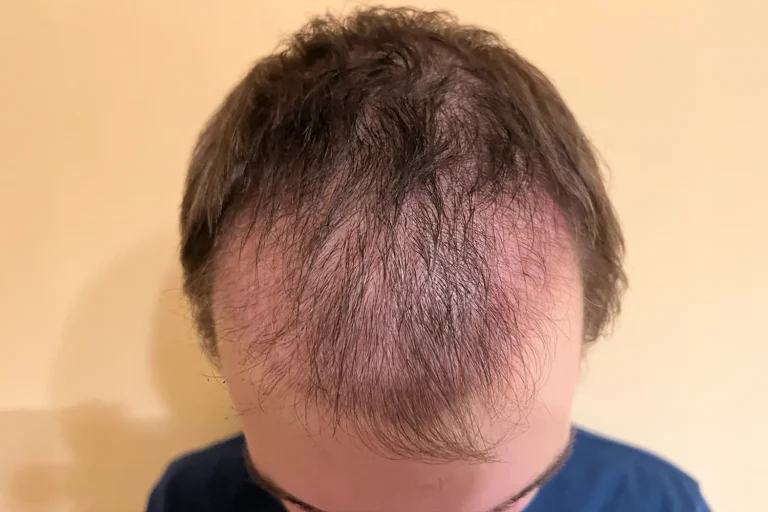
Diagnostic Parameter Tinea Capitis Alopecia Areata Seborrheic Dermatitis Primary Etiology Dermatophyte fungal infection (Microsporum / Trichophyton) Autoimmune response targeting hair follicles Overgrowth of Malassezia yeast and inflammatory reaction Scalp Scaling Present (fine grayish scales or thick crusting) Absent (scalp is smooth and clinically normal) Present (greasy, yellowish, or diffuse white flakes) Hair Shaft Appearance Broken […]
Medical Review by: Prof. Dr. Soner Tatlıdede – September 2026 Quick Summary (TL;DR) Iron deficiency—specifically depleted serum ferritin stores—is one of the most prevalent nutritional triggers of diffuse hair shedding, particularly among women and vegetarians. Iron is not merely a component of blood cells; it serves as a critical biological catalyst for cellular division and oxygen transport inside […]
Medical Review by: Prof. Dr. Soner Tatlıdede – September 2026 Direct Definition: What Is Female Pattern Baldness? Female pattern baldness (androgenetic alopecia in women) is a genetically influenced condition characterized by progressive hair thinning across the vertex and widening of the central part line, while usually preserving the frontal hairline. Unlike male pattern hair loss, which frequently causes […]


Thank you!
Your details have been successfully submitted. Thanks!