


When Can I Wash My Hair After a Hair Transplant? The Chronological Timeline and Safe Washing Methods
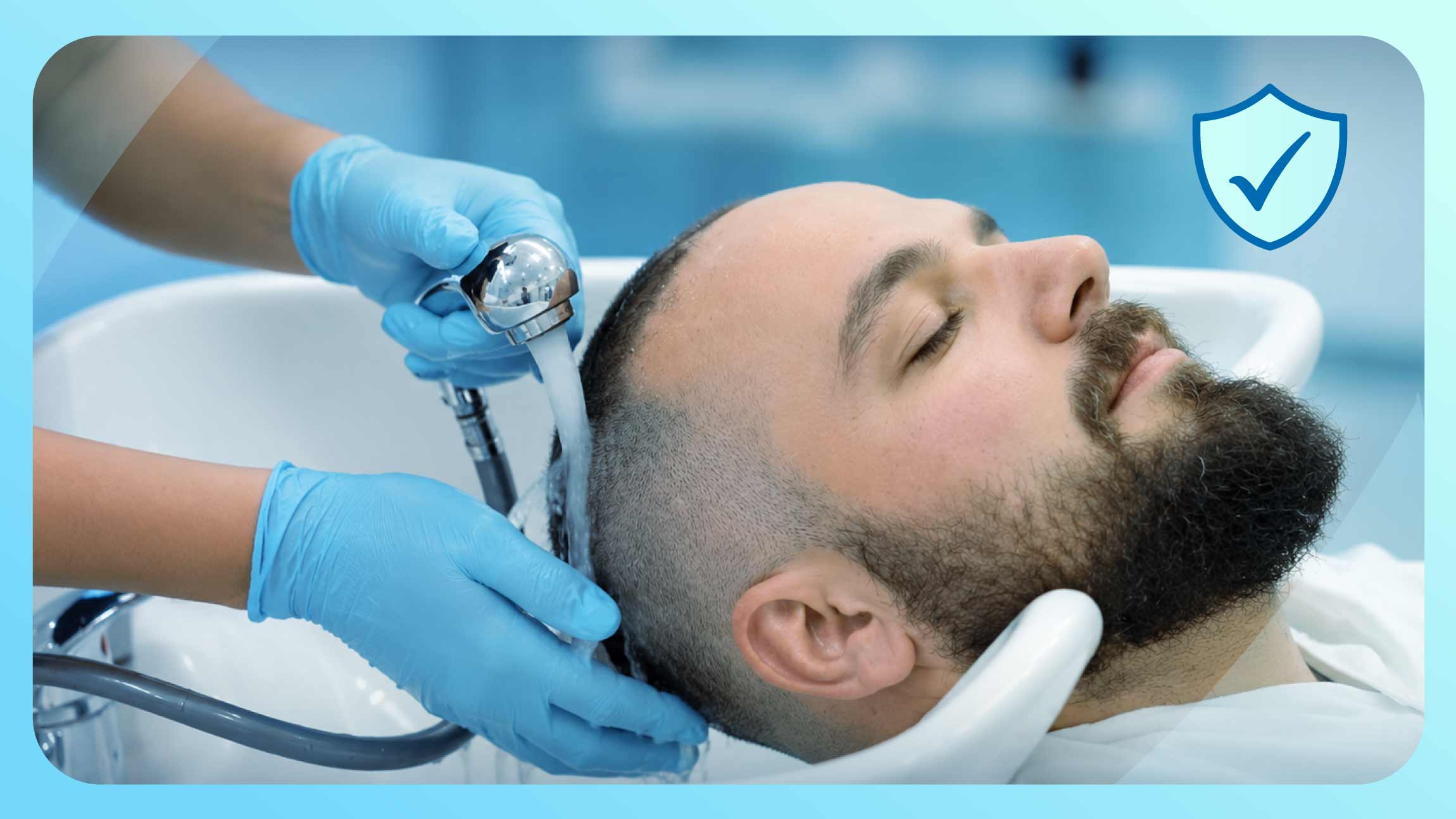
A hair transplant surgery marks the exciting beginning of a promising journey toward restoring a natural appearance and a renewed sense of self-confidence.
As you step out of the operating room, a new phase begins that is no less important than the surgery itself: the post-operative graft care phase.
During these initial days, the scalp acts as a delicate soil that has just received highly sensitive, microscopic seedlings. These newly implanted grafts have not yet fused with the deep blood vessels, nor have they acquired mechanical stability, making them vulnerable to any external factors.
One of the most pressing and common questions that arises for almost all patients without exception in the first hours following surgery is: “When can I wash my hair after a hair transplant? And how can I do it without putting the grafts at risk?”.
Fearing water contact with the scalp is natural and expected, as anxiety about damaging this significant investment grants the patient extra caution.
In this comprehensive and extended guide from Clinicana, we will review the precise medical timeline for starting hair washing and explain, through detailed and simplified steps, the correct and safe method to clean the scalp, highlighting the major prohibitions to avoid to ensure your new hair grows with the highest possible efficiency.
First: The Precise Medical Timeline – When to Start the First Wash?
The brief and medically accurate answer is: Water must not touch your scalp directly during the first 48 hours after the completion of the procedure.
The Initial Days and Nights (First 48 Hours)
During this stage, the microscopic channels opened to implant the grafts are still in the process of initial closure. The scalp exudes mild plasma fluids mixed with remnants of anesthetic fluids and the saline solution injected during surgery.
Leaving the head completely dry during this period allows the micro-wounds to close and clot safely, preventing any thinning that could displace the grafts.
During this sensitive period, and as previously pointed out in our preventive plan regarding how to sleep after a hair transplant, you should focus only on keeping your head elevated at a 45-degree angle and keeping it stable to avoid friction.
Timing of the First Wash (Day 3)
The first wash of the scalp typically begins on the third day after the procedure (i.e., after 48 to 72 hours have passed since surgery).
Most often, this first wash is performed inside the clinic under the supervision of the specialized medical staff at Clinicana to teach the patient the method practically, training them on the allowed amount of pressure and the specific products to apply.
If you have left the clinic and are unable to attend, the third day is the safe time to execute the first wash yourself at home by following strict medical guidelines.
Second: Step-by-Step Daily Washing Guide (From Day 3 to Day 14)
After crossing the first wash successfully, washing the head becomes a mandatory daily routine once every 24 hours. This daily washing is not just for personal hygiene; it is a necessary therapeutic measure aimed at moisturizing the skin, improving local blood circulation, and helping loosen the dry scabs that gradually form around the follicles.
Here is the detailed medical protocol for washing your head at home:
Step 1: Applying the Moisturizing Lotion (The Preparatory Phase)
- Apply an appropriate amount of the moisturizing and nourishing medical lotion (prescribed to you by the clinic) to the recipient (transplanted) area and the donor area very gently.
- Application Method: The lotion is applied using a “gentle patting” method with the fingertips. It is strictly forbidden to rub the lotion or drag it with your fingernails.
- Duration: Leave the lotion on the scalp for 30 to 45 minutes during the first week. The benefit of this lotion is to moisturize hard scabs and make them soft and smooth, facilitating their dissolution later without needing to peel them off by hand.
Step 2: Rinsing the Lotion with Lukewarm Water
- After the duration ends, rinse the lotion using lukewarm, slightly cool water.
- Strict Warning: It is completely forbidden to direct the direct, powerful jet of shower water onto the head. High water pressure can dislodge fragile follicles instantly.
- The Correct Method: Use a small cup or bowl, fill it with water, and pour it very gently and smoothly over your head, or let the shower stream flow over your hand or shoulder first and then flow gently toward the scalp.
Step 3: Applying Medical Shampoo (Creating Foam)
- Take an appropriate amount of the medical shampoo intended for post-transplant care and place it between your palms, then rub them together to produce a thick, rich foam.
- Place this foam very gently over the transplanted area using the vertical patting method (very light, vertical downward pressure without any horizontal or circular movement).
- As for the donor area (back of the head), you can wash and massage it a bit more firmly to help clean remnants of dried blood and relieve the sensation of tightness and numbness.
- Leave the foam on the head for two to three minutes, then rinse it completely using the same gentle rinsing method with a cup.
Step 4: Drying the Head Safely
- Do not use traditional, rough cotton towels to dry the transplanted area, as towel fibers can catch on the transplanted hairs and dislodge them when pulled.
- The Correct Method: Use soft, strong paper towels and place them very gently on the head to absorb water through contact (light pressure without rubbing).
- It is strictly forbidden to use hot electric hair dryers (blow dryers) throughout the first month of the procedure.
Third: The Scab Shedding Phase (From Day 10 to Day 14)
Upon reaching the tenth day after the procedure, you will notice that the scabs surrounding the follicles have become completely dry and are starting to look prominent.
Leaving these scabs for a long time after the second week may suffocate the follicles and prevent natural skin breathing; therefore, the goal of washing shifts here to “shedding scabs safely.”
- Increasing Lotion Duration: Starting from the tenth day, you can leave the moisturizing lotion on the head for up to a full hour to further soften the scabs.
- Very Gentle Circular Massage: When washing the head with shampoo at this stage, you can begin transitioning from the vertical patting method to very light circular movements with your fingertips (the pads of the fingers, not the fingernails). This light circular massage will cause the scabs to fall off with the foam and water automatically and gradually.
- Reaching Day 14: By the fourteenth day, the scalp should be completely clean and free of any scabs. If some stubborn scabs remain, do not peel or scrape them aggressively; instead, continue the routine of moisturizing and gentle massaging, and they will fall off automatically within a few days.
Fourth: Dangerous Mistakes and Prohibitions During Hair Washing
To avoid any setback affecting the density and growth of your future hair, please exercise extreme caution against the following practices while showering:
- Using Very Hot Water: Hot water violently increases blood flow to the scalp, causes severe irritation and acute dryness of the affected skin, and weakens the viability of emerging grafts. Always use moderate, lukewarm water.
- Using Commercial Shampoos: It is strictly forbidden to use anti-dandruff shampoos or commercial shampoos rich in sulfates, parabens, and fragrances during the first 30 days, as they contain chemical compounds harsh on a healing scalp.
- Scratching with Nails or Dry Peeling: Scraping scabs while they are dry or using fingernails to get rid of them represents a real, direct danger that leads to dislodging the follicles, causing wounds and bleeding.
Read More:
Itching After Hair Transplant: Causes and Safe Solutions to Relieve It
Frequently Asked Questions (FAQ)
I noticed small hairs falling out with the scabs during washing, does this mean the procedure failed?
There is absolutely no need to worry or panic; this symptom is 100% natural and biologically expected. What falls out with the scabs is only the “hair shaft” and not the wound or the follicle root. The vital follicle has settled safely within the scalp and entered a temporary resting phase, medically known as “shock loss,” and this hair will return to grow strongly and completely naturally starting from the third month.
When can I direct regular shower water directly onto my head?
After two weeks (14 days) have passed since the procedure, the channels have completely closed, and the grafts have fused with the surrounding tissues and acquired sufficient mechanical stability. At this point, you can return to showering normally and opening direct shower water over your head, maintaining moderate water pressure and avoiding extremely violent rushing for an additional short period.
When can I return to using my regular shampoo?
You can return to using your regular shampoo after a full month has passed since the procedure, provided it is a gentle shampoo and does not contain harsh chemical ingredients. However, Clinicana doctors always advise continuing to use sulfate-free medical shampoos that nourish the follicles for as long as possible to support the viability and growth of the transplanted hair.
Conclusion
Washing your hair after a hair transplant is not just a regular hygiene step; it is a precise, carefully studied medical protocol that goes hand in hand with the biological healing process of the scalp. It requires you to follow the steps patiently and with extreme care for just two weeks.
Adhering to the timeline and safe washing method represents the fundamental pillar to avoid hair transplant failure and ensure the follicles emerge with the highest possible growth rates and density to accompany you for a lifetime.
If you hesitate or face any unfamiliar symptom during washing, the medical follow-up team at Clinicana is always available to provide immediate support and guidance for your comfort and safety.
References
- National Library of Medicine (NCBI)
- ScienceDirect Medical Journals
- International Journal of Surgery (IJS)


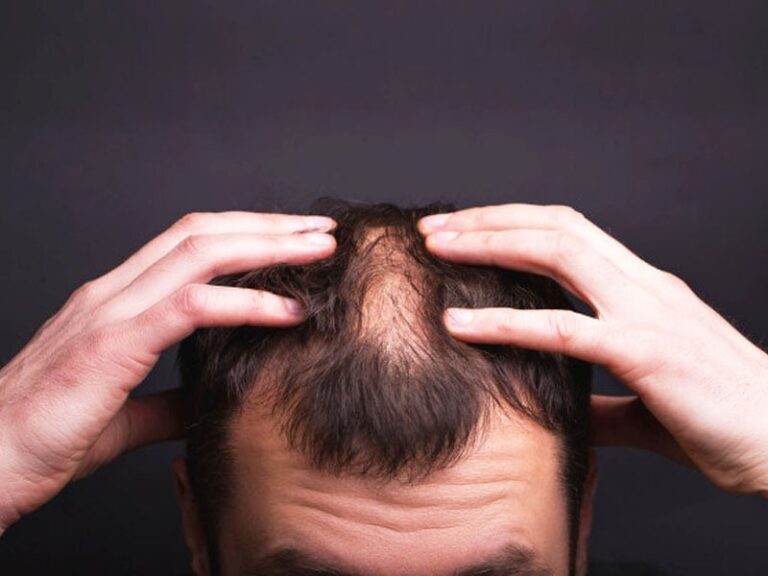
Scalp psoriasis and seborrheic dermatitis are chronic inflammatory conditions that frequently cause discomfort, itching, redness, and scaling. For individuals experiencing hair thinning alongside these conditions, severe anxiety often arises regarding permanent follicle loss and the feasibility of hair restoration. A central concern among patients is whether undergoing a hair transplant while managing scalp psoriasis is […]
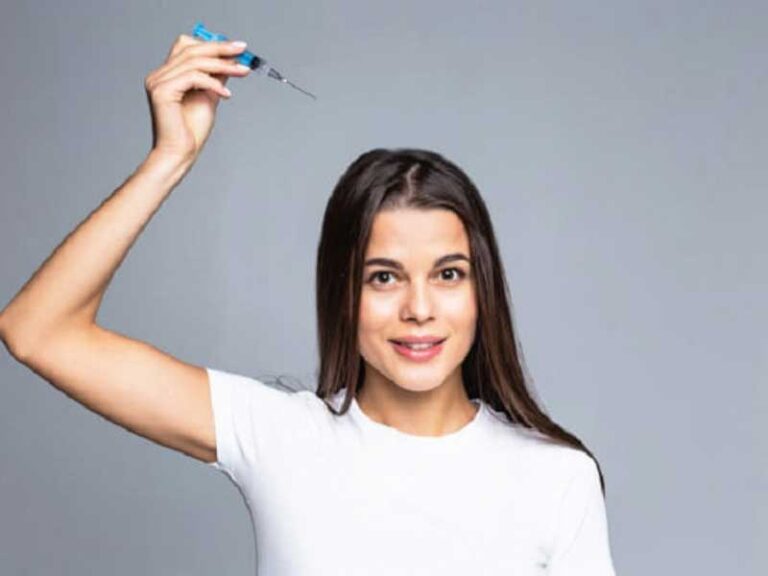
Medical Review by: Prof. Dr. Soner Tatlıdede – October 2026 Hair loss—specifically androgenetic alopecia (pattern baldness)—is driven by a progressive cellular process known as follicular miniaturization. Under the influence of dihydrotestosterone (DHT) and localized micro-inflammation, the growth phase (anagen) of the hair cycle shortens, while the resting phase (telogen) lengthens. Over successive hair cycles, blood flow to the […]
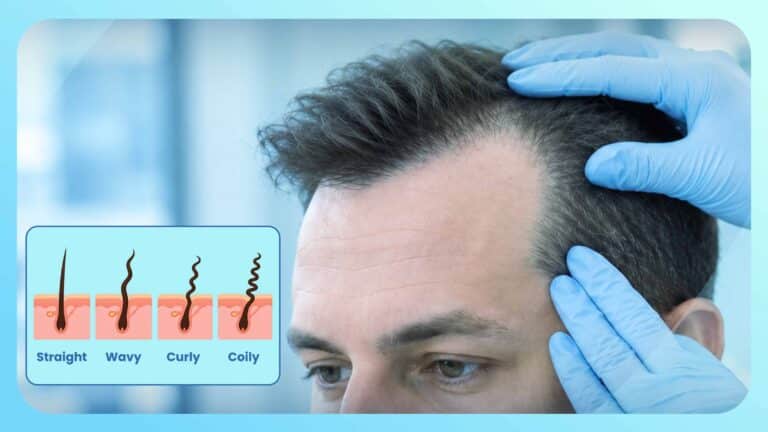
Medical Review by: Prof. Dr. Soner Tatlıdede – September 2026 Quick Summary (TL;DR) Hair types are globally categorized into four main classes—Type 1 (Straight), Type 2 (Wavy), Type 3 (Curly), and Type 4 (Coily/Afro-textured)—determined by the biological shape and exit angle of the hair follicle beneath the scalp surface. While straight hair grows from round, perpendicular follicles, […]


Thank you!
Your details have been successfully submitted. Thanks!