


The Hidden Dangers of “Hair Mills”: Why Premium Clinics Are a Long‑Term Investment
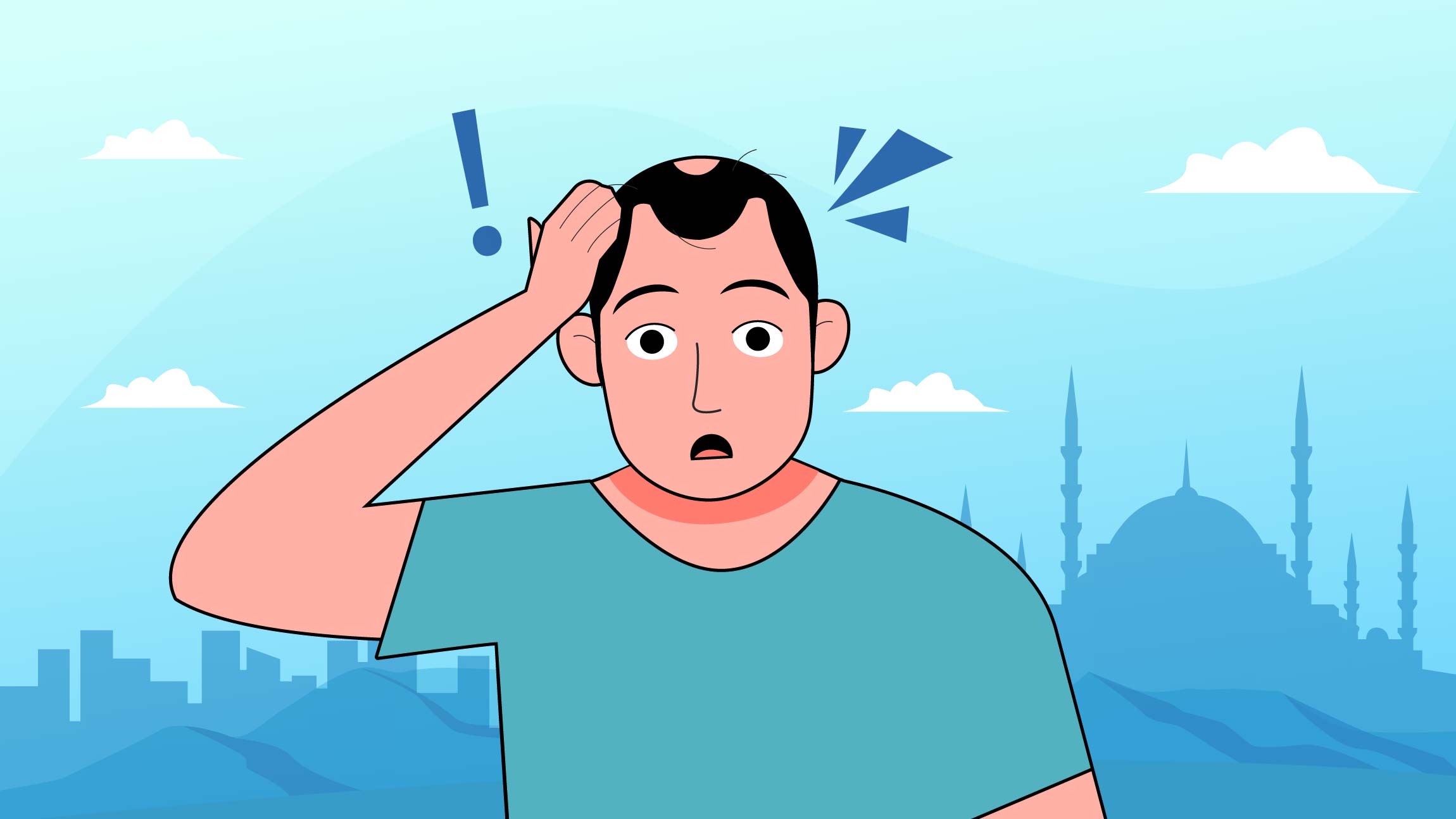
A hair transplant in 2026 is more than a cosmetic procedure—it is a medical intervention that permanently reshapes a person’s appearance, confidence, and long‑term self‑image.
As global medical tourism continues to expand, especially in Turkey, patients now have access to a wide range of clinics offering dramatically different levels of quality, safety, and medical oversight.
Among these are the so‑called “hair mills”: high‑volume, low‑cost centers that prioritize speed and turnover rather than individualized medical care.
While the appeal of a low price is understandable, the consequences of choosing the wrong clinic can be permanent.
This article provides a clear, medically grounded explanation of the risks associated with hair mills and why choosing a premium clinic is ultimately a long‑term investment in your health, appearance, and future options.
A Life‑Changing Procedure in a Crowded Market
Hair transplantation has become one of the most sought‑after aesthetic procedures worldwide.
Advancements in FUE and DHI techniques have made natural, undetectable results achievable for a wide range of patients.
However, the rapid growth of the industry has also created a highly uneven market.
Many clinics now advertise extremely low prices, “unlimited grafts,” and same‑day bookings. While these offers may seem attractive, they often come with hidden risks.
A hair transplant is a microsurgical procedure that requires precision, planning, and medical expertise. When performed incorrectly, the damage can be irreversible.
In this environment, understanding the difference between a premium medical clinic and a high‑volume hair mill is essential for making an informed decision.
What Exactly Is a “Hair Mill”?
A “hair mill” is not defined by its location or size, but by its business model. These clinics operate on volume rather than quality, performing multiple surgeries per day with minimal medical oversight.
Three characteristics typically define them:
High‑Volume Operations
Hair mills often perform 10 to 50 surgeries per day, treating patients as sequential cases rather than individuals with unique needs. The focus is on speed—preparing the room for the next patient as quickly as possible.
Minimal Surgeon Involvement
In many mills, the surgeon’s role is limited to a brief consultation or even just a signature. Critical steps such as graft extraction, channel creation, and implantation may be performed by technicians with inconsistent training and no medical accountability.
Standardized, Template‑Based Results
Instead of designing a hairline based on facial structure, age, and long‑term planning, mills often rely on a “one‑size‑fits‑all” approach.
This leads to unnatural, identical results that lack the subtlety of a medically designed hairline.
These operational shortcuts may reduce costs, but they significantly increase the risk of complications and poor outcomes.
Learn more about proper FUE hair transplant procedures at Clinicana.
Risk #1 — Donor Area Damage: The Most Irreversible Mistake
The donor area—the back and sides of the scalp—contains a finite number of permanent follicles. These follicles do not regenerate. Once they are removed, they are gone forever.
How Hair Mills Cause Donor Damage
Low‑cost clinics often advertise “unlimited grafts,” a concept that is medically impossible. To meet these promises, they may extract aggressively without considering:
- The patient’s long‑term hair loss pattern
- The safe extraction density
- The future need for corrective procedures
- The natural distribution of donor hair
Consequences of Over‑Harvesting
- Visible thinning or “moth‑eaten” patches
- Permanent scarring
- Reduced graft survival in future surgeries
- Limited options for correction
Because the donor area is a non‑renewable resource, damage in this region is one of the most serious and permanent complications of a poorly performed transplant.
Explore the DHI implantation method used in premium clinics.
Risk #2 — Unnatural Aesthetic Results
A successful hair transplant should be undetectable. When performed correctly, the transplanted hair blends seamlessly with the patient’s natural growth pattern. Hair mills often fail in three critical areas:
Unnatural Hairline Design
A natural hairline is irregular, age‑appropriate, and tailored to the patient’s facial proportions. Mills may draw a straight, low line because it is faster and easier to implant, resulting in an artificial “helmet” appearance.
Incorrect Graft Angulation
Hair grows at different angles across the scalp. Proper placement requires microsurgical precision. In mills, grafts may be placed vertically or inconsistently, leading to:
- “Doll hair” appearance
- Grass‑like texture
- Poor density distribution
Imbalanced Graft Allocation
Some clinics claim to implant thousands of grafts but may:
- Overpack the frontal area
- Neglect the crown
- Miscount grafts
- Use multi‑hair grafts in the hairline
These mistakes create unnatural density patterns that become more noticeable over time.
Risk #3 — Medical Safety and Infection Control
Beyond aesthetics, patient safety is the most important factor in any surgical procedure. High‑volume environments increase the risk of medical complications.
Sterilization and Hygiene
Fast turnover between patients can compromise sterilization protocols. Even minor lapses can increase the risk of:
- Infection
- Folliculitis
- Delayed healing
Lack of Medical Oversight
In a premium clinic, a doctor monitors anesthesia, blood flow, and tissue health throughout the procedure. In mills, patients may be left with non‑medical staff who are not trained to recognize early signs of complications.
Risk of Necrosis
Necrosis—localized skin tissue loss—is rare but serious. It can occur due to:
- Excessive density
- Poor surgical technique
- Incorrect anesthesia application
When recognized early, it can be managed. When missed, it leads to permanent scarring where hair will never grow again.
The Real Cost of Fixing a Failed Transplant
Correcting a poorly performed transplant is significantly more complex than performing it correctly the first time.
Challenges of Revision Surgery
- Removing misplaced grafts
- Working around scar tissue
- Redistributing limited donor hair
- Managing reduced graft survival
Financial and Emotional Impact
A revision procedure often costs two to three times more than the original surgery. Beyond the financial burden, patients may experience:
- Loss of confidence
- Anxiety
- Prolonged dissatisfaction with their appearance
Choosing the right clinic from the start prevents these long‑term consequences.
Why Premium Clinics Are a Long‑Term Investment
Premium clinics prioritize medical safety, individualized planning, and natural results. The difference is not just in the price—it is in the entire philosophy of care.
Surgeon‑Led Procedures
Experienced doctors perform or directly supervise the critical steps, ensuring alignment between medical and aesthetic goals.
Limited Daily Patient Count
By treating fewer patients per day, premium clinics maintain:
- Focus
- Precision
- Consistent quality
Advanced Tools and Techniques
Clinics like Clinicana use Sapphire FUE, which offers:
- Cleaner incisions
- Faster healing
- Higher density potential
- Reduced trauma to the scalp
Higher Graft Survival Rates
Proper storage solutions, gentle handling, and controlled implantation techniques ensure that 90–95% of transplanted grafts grow successfully.
Aftercare: The Second Half of the Treatment
The first 12 months after surgery are crucial for achieving optimal results. Many hair mills provide minimal or no follow‑up once the procedure is complete.
Premium Aftercare Includes:
- Scheduled check‑ins at 1, 3, 6, and 12 months
- Guidance on washing and scalp care
- Supportive treatments such as PRP or Mesotherapy
- Continuous communication with medical staff
This ongoing support ensures that patients achieve the best possible outcome.
How to Identify a Hair Mill: Five Clear Red Flags
Before choosing a clinic, watch for these warning signs:
- “Unlimited grafts” for a flat fee
- No clear information about the surgeon
- Aggressive sales tactics or pressure to book immediately
- Stock or low‑quality before/after photos
- Prices too low to cover proper medical standards
If a clinic cannot explain its medical process clearly, it is unlikely to provide safe, high‑quality care.
The Clinicana Benchmark: Safety, Precision, and Natural Results
Clinicana’s approach is built on three pillars:
Patient Safety
Every step of the procedure is performed under strict medical supervision in a licensed hospital environment.
Ethical Practice
We only accept cases that are medically appropriate and aligned with long‑term planning.
Natural, Long‑Lasting Results
Our goal is to create results that age gracefully and remain undetectable throughout the patient’s life.
FAQ
Can a failed hair transplant be corrected?
In many cases, yes. However, the success of a revision depends on the remaining donor capacity and the extent of scarring. This is why choosing a qualified clinic from the start is essential.
Why do hair mills offer such low prices?
Their business model relies on high daily volume, technician‑led procedures, and reduced medical oversight. These shortcuts lower costs but increase the risk of complications.
How can I verify if a clinic is trustworthy?
Check the surgeon’s credentials, ask for real patient results, confirm hospital accreditation, and request a video consultation with the medical team—not a sales agent.
Are “unlimited grafts” safe?
No. The donor area has a finite number of follicles. Over‑harvesting can cause permanent thinning and limit future treatment options.
Conclusion: Your Appearance Deserves a Thoughtful Decision
A hair transplant is a permanent change to your appearance. While low‑cost options may seem appealing, the risks associated with hair mills can lead to lifelong consequences—both aesthetic and medical.
Choosing a premium clinic is not just about paying more; it is about investing in safety, expertise, and results that stand the test of time.
If you are considering a hair transplant, take the time to understand your options, ask the right questions, and choose a clinic that prioritizes your long‑term well‑being.
Ready for a Safe, Personalized Treatment Plan?
Clinicana offers free medical assessments to help you understand your hair loss pattern, donor capacity, and the most suitable treatment options.
Our team is committed to providing transparent, medically grounded guidance tailored to your unique needs.


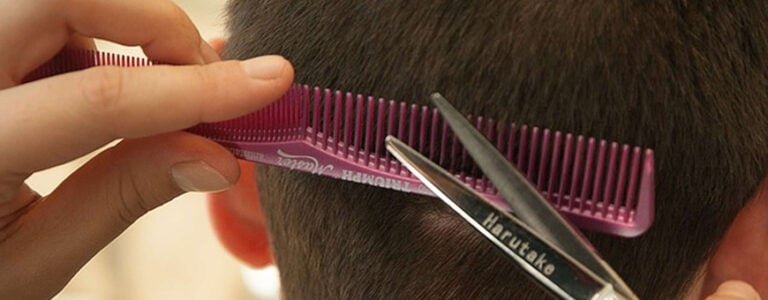
By Prof. Dr. Soner Tatlıdede · October 2026 When can you cut your hair after a hair transplant? Hair in the donor area can be trimmed after 1 month using scissors or clippers. As for the recipient area, trimming only the ends of the hair using scissors is permitted after 2 months. However, you must wait at […]
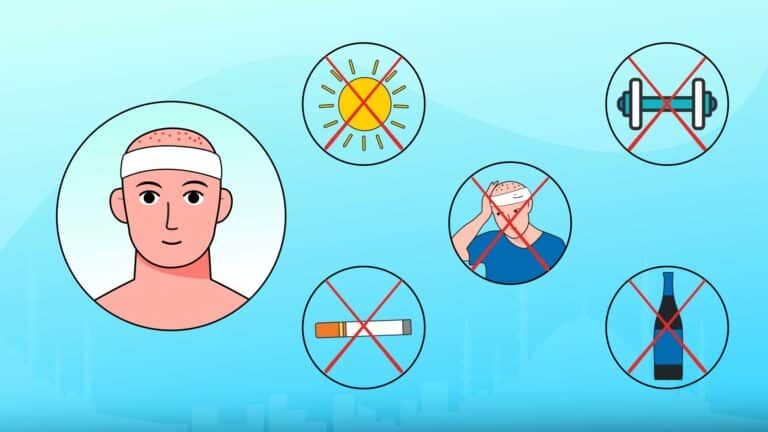
By Prof. Dr. Soner Tatlıdede · October 2026 Congratulations on completing your hair transplant. While the surgical part is finished, the success of your restoration now depends heavily on the recovery phase. In our clinical experience, the first two weeks post-surgery are just as critical as the procedure itself. Understanding what to avoid after a hair transplant […]
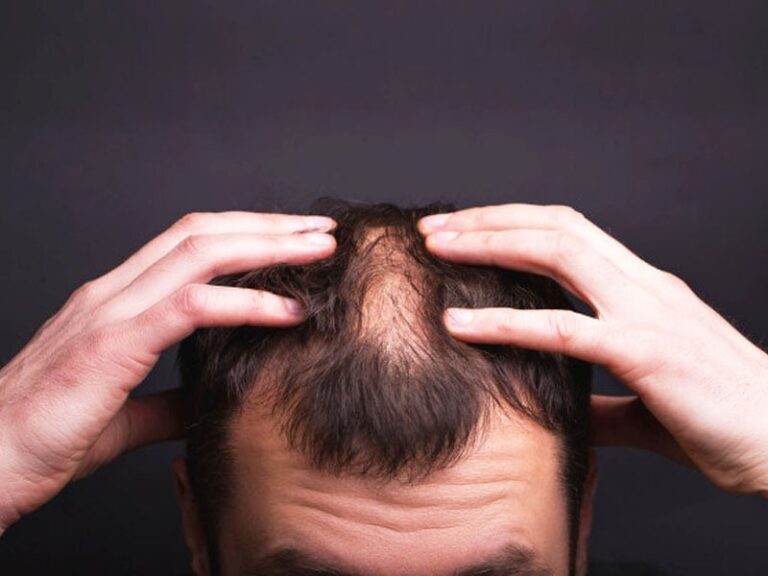
Scalp psoriasis and seborrheic dermatitis are chronic inflammatory conditions that frequently cause discomfort, itching, redness, and scaling. For individuals experiencing hair thinning alongside these conditions, severe anxiety often arises regarding permanent follicle loss and the feasibility of hair restoration. A central concern among patients is whether undergoing a hair transplant while managing scalp psoriasis is […]


Thank you!
Your details have been successfully submitted. Thanks!