


Itching After Hair Transplant: Causes and Safe Solutions to Relieve It
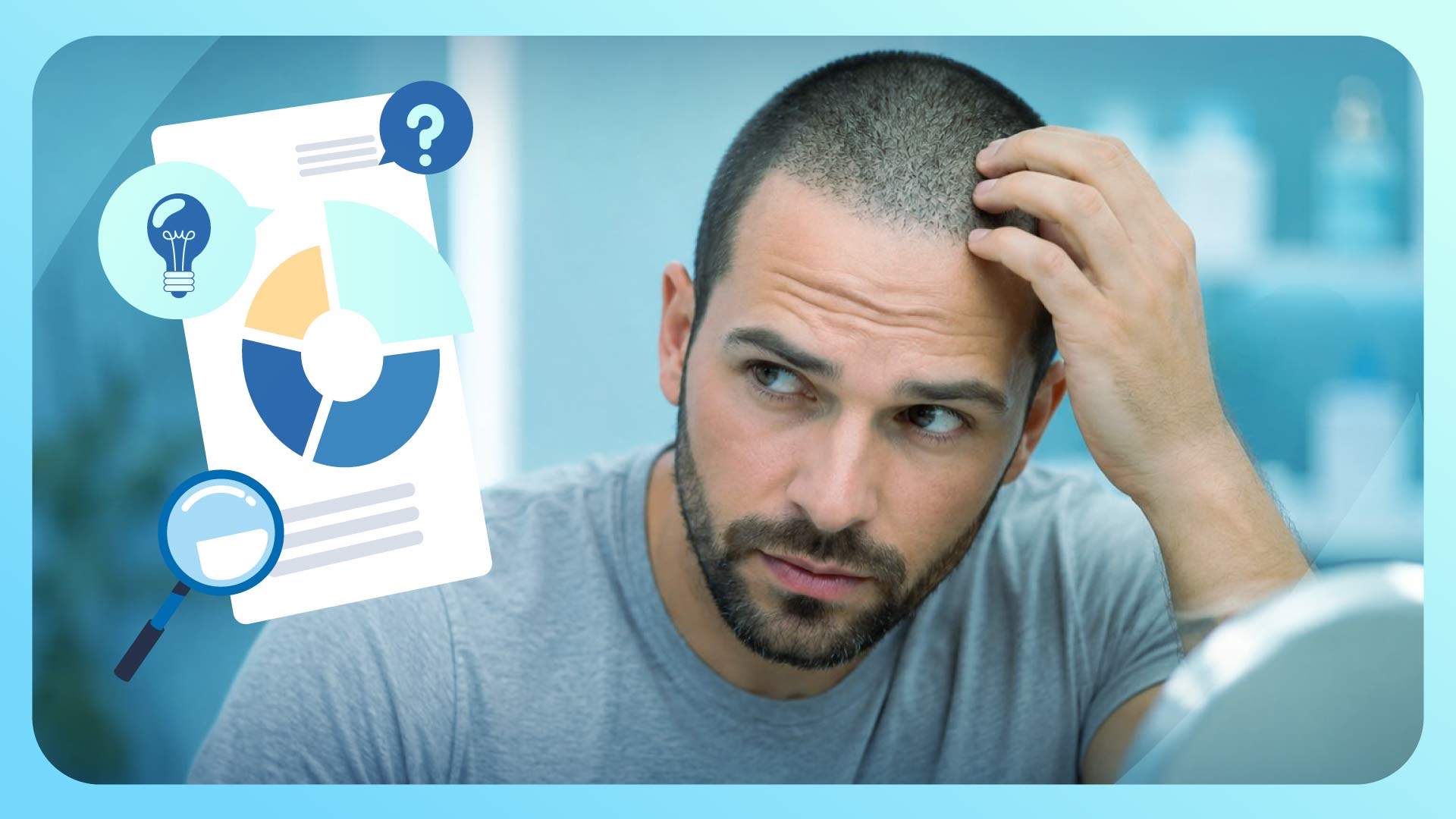
A hair transplant surgery marks the exciting beginning of a journey toward restoring a youthful look and natural hair density. However, once the anesthesia wears off and the initial days of recovery set in, most patients encounter an unwelcome, persistent, yet entirely expected guest: a severe itching sensation on the scalp.
Itching after a hair transplant is a completely natural biological response from the body, and it is an almost inevitable companion for everyone undergoing this procedure.
While it is generally a positive sign indicating that tissues are healing, dealing with it requires extreme caution. Yielding to casual scratching with your fingernails during the first few days can be the first nail in the coffin for newly implanted grafts, as it can dislodge them or introduce a bacterial infection into the scalp.
In this comprehensive guide from Clinicana, and having previously discussed how to sleep after a hair transplant safely, we will take you through a detailed look at the scientific reasons behind this itching, when it peaks, and most importantly, how to safely treat and relieve it using comfortable, practical steps.
The Scientific Reasons: Why Does Itching Occur?
To find peace of mind, we must first understand what is happening under the scalp after the procedure. Itching is not evidence of a failed surgery; rather, it is the byproduct of several simultaneous biological processes:
1. Natural Healing of Micro-Wounds
During the procedure, thousands of tiny channels are opened to plant the grafts in the recipient area, alongside thousands of microscopic punctures in the donor area from graft extraction. This means the scalp contains thousands of micro-wounds. As the body begins to repair these tissues, it releases natural chemical compounds known as histamines. This vital compound is primarily responsible for sending itch signals to the brain as part of cell regeneration and wound closure.
2. Skin Dryness and Scab Formation
During the first few days, the wounds exude a mild plasma fluid that gradually dries to form small scabs around the transplanted hairs. These scabs pull on the surrounding skin, making it extremely tight and dry. This acute dryness irritates the sensitive nerve endings in the scalp, generating an intense urge to scratch to relieve the tension.
3. New Hair Growth Beneath the Skin
After the first or second week, parts of the newly transplanted hairs begin to move and grow slightly, or prepare for a new growth cycle. This microscopic movement of the hair presses against the walls of the pores and medical channels, causing mild tingling and localized, persistent itching.
4. Use of Medical Products or Transient Inflammation
In some cases, the cause might be a reaction to a specific moisturizing lotion, or a lack of proper hair washing due to fear of damaging the grafts. This leads to the accumulation of oils and environmental dirt, creating a fertile environment for skin irritation. In very rare cases, itching can develop as a result of a microbial infection (Folliculitis), accompanied by severe redness and pus-filled blisters that require medical intervention.
The Itching Timeline: When Does It Start and End?
The intensity of itching varies from person to person based on skin type and body response, but the usual scenario follows this timeline:
- Days 1 – 4: Itching begins mildly and gradually, appearing first in the donor area due to the healing of extraction punctures.
- Days 5 – 10 (The Peak): This is the most challenging phase; scabs form completely in the recipient area, and scalp dryness reaches its maximum. The patient feels a powerful urge to scratch, and this is the true test of patience.
- Weeks 2 – 4: The itching begins to recede gradually as scabs fall off completely during organized washing and the skin regains its elasticity.
- After the First Month: Itching completely disappears for most patients, though it may appear intermittently and very mildly for some as new hair begins to emerge in subsequent months.
Safe Methods and Treatments to Relieve Itching
Since scratching the scalp with your fingernails is strictly forbidden (especially in the first 10 days), here are the approved medical and practical alternatives to cross this stage safely:
1. Use Saline Spray
The best and fastest instant solution for sudden itching is to spray sterile saline solution (usually provided by the clinic) onto the scalp. Saline solution not only gives the scalp immediate moisture to relieve tightness but also helps soothe irritated nerves and cleans the area without needing to touch it. Keep the spray cold in the refrigerator and use it whenever you feel discomfort.
2. Adhere to Moisturizing Lotion and Shampoo
Use the lotion recommended by Clinicana doctors precisely; leave it on the scalp for the specified duration before washing, as it is specially designed to soften hard scabs and reduce skin dryness. When washing, use lukewarm water (never hot) and a gentle, chemical-free medical shampoo.
3. Oral Antihistamines
If the itching is severe enough to prevent you from sleeping or distracts your focus during the day, you can consult your treating physician to prescribe oral antihistamines (such as Cetirizine or Loratadine). These pills reduce the body’s allergic reaction and help you relax and sleep peacefully without thinking about scratching your head.
4. Mild Steroid Lotions or Sprays (After the First Week)
In cases suffering from excessive and stubborn itching, the doctor may prescribe a topical spray containing a very small percentage of hydrocortisone to relieve local inflammation. Never use these products on your own without explicit medical approval.
Behavioral Tips to Prevent Graft Damage
- The Gentle Patting Method: If itching becomes unbearable in a specific area, you can use your fingertips (not fingernails) and press very gently (gentle patting) over or around the area to distract the nerve, strictly avoiding any dragging or scraping movements.
- Cut Your Nails and Wear Gloves: As a clever preventative measure to protect yourself during involuntary sleep, cut your nails well before the procedure, and you can wear soft, light cotton gloves at night to ensure you do not cause damage if you scratch your head unconsciously.
- Avoid Sweating and Heat: Stay away from direct sunlight, strenuous physical effort, and saunas; sweating secretes salts that increase skin irritation, making the itching twice as bad.
Frequently Asked Questions (FAQ)
Does itching mean there is a bacterial infection on the scalp?
In 95% of cases, itching is just a normal symptom of healing and dryness. However, if the itching is accompanied by severe redness that spreads quickly, abnormal swelling, pus discharge from the pores, or a rise in body temperature, these are signs indicating an infection, and you must contact the clinic immediately.
I scratched my head casually and a scab fell off with a drop of blood. Did I lose the graft?
If this happens during the first seven days of the procedure and a clear drop of blood emerges, there is a high probability that the graft has been dislodged from its place. There is no need to panic; wash the area gently and sanitize it. Losing one or two grafts will not affect the overall result composed of thousands of grafts, but take this warning as a motivation to exercise extreme caution in the following days.
When can I scratch my head completely normally?
After 14 days, the grafts become an integral part of your scalp and have fully fused with the blood vessels, and the wounds have closed. At this point, you can interact with your scalp normally, washing and scratching it gently, while avoiding excessive violence or long, sharp fingernails for an additional period.
Conclusion
Itching after a hair transplant is a temporary and very simple tax you pay on your way to obtaining permanent, healthy hair. The golden key to dealing with this phase is patience and commitment to moisturizing.
Remember that protecting your scalp for just two weeks is the fundamental pillar to avoid hair transplant failure and ensure you reap the fruits of this investment for many years to come.
If you feel that the itching exceeds your ability to tolerate or is accompanied by strange symptoms, do not hesitate to consult the medical follow-up team at Clinicana, who are available around the clock for your comfort.
Resorces
International Society of Hair Restoration Surgery (ISHRS)
Bernstein Medical Center Patient Guide


Scalp psoriasis and seborrheic dermatitis are chronic inflammatory conditions that frequently cause discomfort, itching, redness, and scaling. For individuals experiencing hair thinning alongside these conditions, severe anxiety often arises regarding permanent follicle loss and the feasibility of hair restoration. A central concern among patients is whether undergoing a hair transplant while managing scalp psoriasis is […]
Medical Review by: Prof. Dr. Soner Tatlıdede – October 2026 Hair loss—specifically androgenetic alopecia (pattern baldness)—is driven by a progressive cellular process known as follicular miniaturization. Under the influence of dihydrotestosterone (DHT) and localized micro-inflammation, the growth phase (anagen) of the hair cycle shortens, while the resting phase (telogen) lengthens. Over successive hair cycles, blood flow to the […]
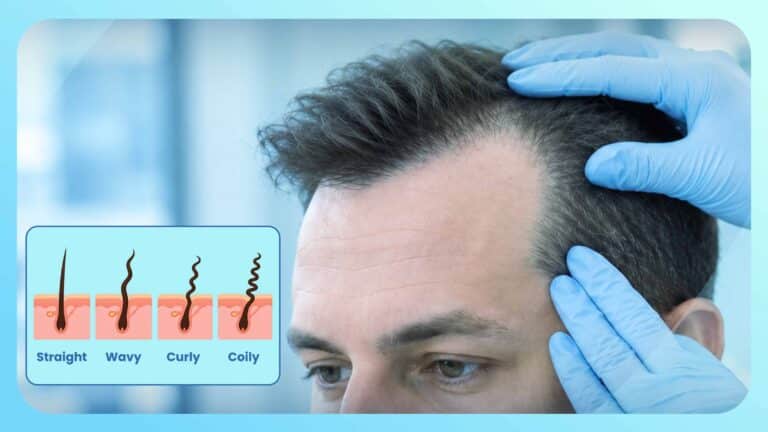
Medical Review by: Prof. Dr. Soner Tatlıdede – September 2026 Quick Summary (TL;DR) Hair types are globally categorized into four main classes—Type 1 (Straight), Type 2 (Wavy), Type 3 (Curly), and Type 4 (Coily/Afro-textured)—determined by the biological shape and exit angle of the hair follicle beneath the scalp surface. While straight hair grows from round, perpendicular follicles, […]


Thank you!
Your details have been successfully submitted. Thanks!