


Derma Roller for Hair Growth: Medical Mechanism, Minoxidil Synergy, and Safety Guidelines
Medical Review by: Prof. Dr. Soner Tatlıdede – August 2026
Quick Summary (TL;DR)
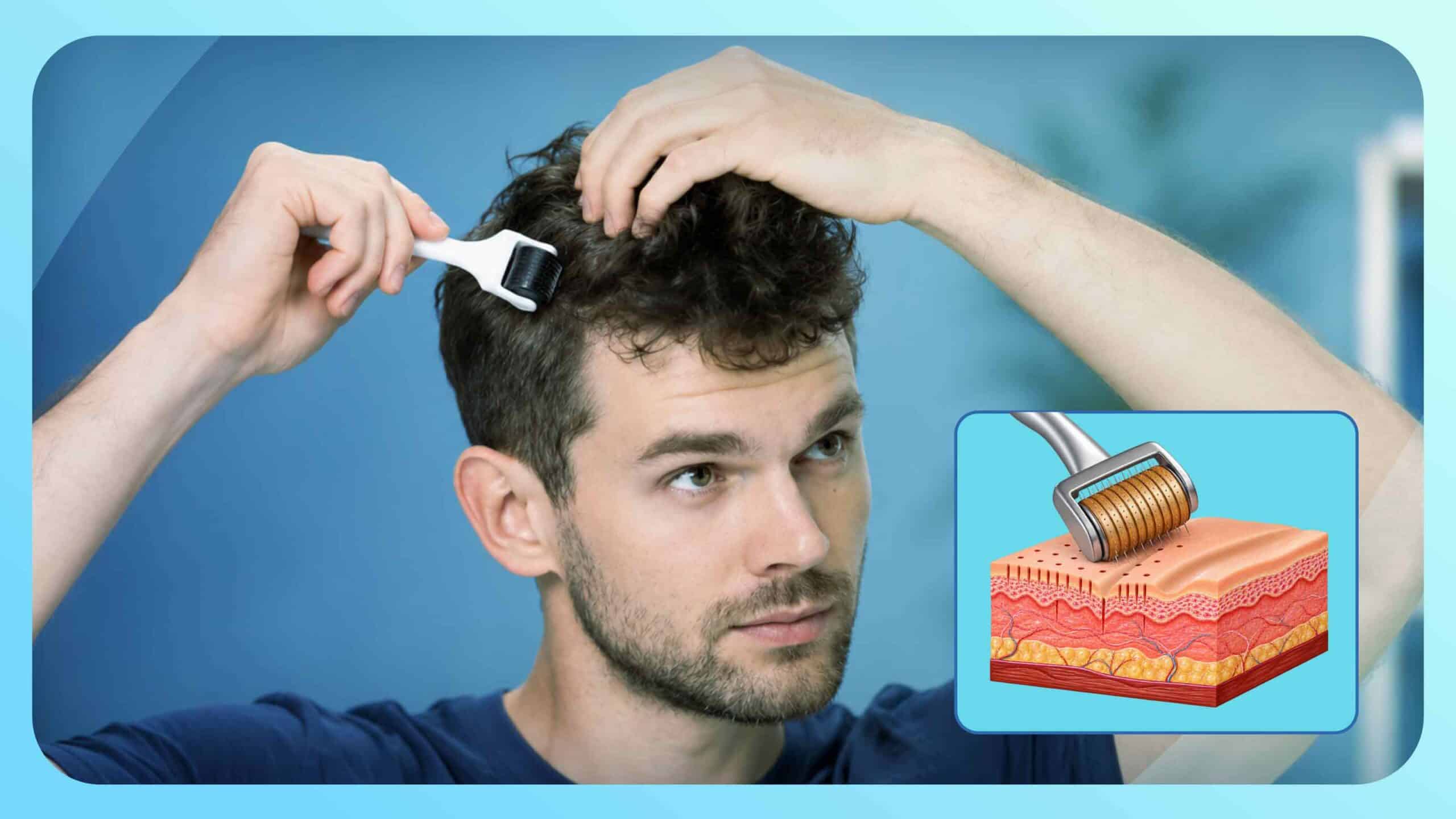
Derma rollers and microneedling devices trigger microscopic micro-injuries in the scalp, releasing collagen and platelet-derived growth factors while drastically enhancing localized blood circulation.
When paired with topical therapies like Minoxidil, microneedling increases drug absorption into miniaturized hair follicles by up to 5 times.
However, microneedling can only revive living, shrinking follicles (vellus hair). Once hair follicles have completely died and turned into smooth scar tissue, surgical restoration via Sapphire FUE or DHI remains the only definitive medical solution.
Understanding Microneedling: How Scalp Micro-Injuries Stimulate Hair Growth
Microneedling—traditionally used in dermatology for skin rejuvenation—has emerged as a scientifically backed therapy for hair loss. The technique utilizes fine, medical-grade stainless steel or titanium needles rolled over the scalp to create thousands of invisible micro-perforations in the epidermis.
The physiological process relies on triggering a controlled wound-healing response without causing permanent tissue damage.
THE MICRONEEDLING PHYSIOLOGICAL CYCLE
When these micro-punctures occur, the body initiates a three-stage repair cascade:
- Inflammation & Growth Factor Release: Platelets aggregate at the micro-injury sites, releasing essential signaling proteins including Platelet-Derived Growth Factor (PDGF), Vascular Endothelial Growth Factor (VEGF), and Epidermal Growth Factor (EGF).
- Neovascularization & Tissue Remodeling: The release of VEGF stimulates angiogenesis—the formation of new micro-capillaries around dormant hair roots. This restored blood flow delivers crucial oxygen and micronutrients directly to starving hair bulbs.
- Wnt/β-catenin Signaling Activation: Studies show that microneedling activates stem cells located in the hair follicle bulge area by overexpressing Wnt/β-catenin proteins, effectively prompting miniaturized follicles to transition from the telogen (resting) phase back into active anagen (growth).
The Synergy Between Derma Rollers, Minoxidil, and PRP Therapy
Used in isolation, a derma roller provides modest stimulation. However, its true clinical potential is unlocked when integrated into a structured combination protocol featuring topical therapies or Platelet-Rich Plasma (PRP).
TOPICAL ABSORPTION BARRIER COMPARISON
1. Boosting Topical Minoxidil Absorption
The outermost layer of the skin, the stratum corneum, acts as a hydrophobic barrier that limits the absorption of topical treatments. Standard topical Minoxidil application typically yields an absorption rate of only 3% to 5%.
Creating micro-channels bypasses this protective epidermal layer. Clinical evaluations reveal that applying Minoxidil after microneedling increases localized tissue permeability significantly, allowing the active drug to reach the hair follicle base at much higher concentrations.
- Clinical Caution: Minoxidil should never be applied immediately after using needle depths greater than 0.5 mm. Direct vascular entry of Minoxidil can trigger systemic side effects, including sudden drops in blood pressure, dizziness, and heart palpitations.
2. Enhancing Platelet-Rich Plasma (PRP) Injections
In clinical settings, dermatologists often combine automated microneedling (such as Dermapen) with PRP therapy. While PRP is injected directly into the deeper dermal layers, surface microneedling ensures that surrounding superficial tissue receives an even distribution of growth factors, maximizing total follicle coverage.
Safety Guidelines, Needle Lengths, and Hygiene Protocols
While derma rollers are widely available for home use, improper technique or poor hygiene can cause severe complications, including bacterial folliculitis, scarring, and accelerated mechanical hair breakage.
| Needle Length | Primary Clinical Function | Recommended Usage Frequency | Safe Application Zone |
| 0.25 mm – 0.3 mm | Enhances topical product absorption; zero dermal bleeding | 2 to 3 times per week | Safe for home use; do not apply over open wounds |
| 0.5 mm | Stimulates epidermal collagen; targets early hair miniaturization | 1 time per week | Home/clinical hybrid; light pressure required |
| 1.0 mm – 1.5 mm | Reaches dermal papilla; triggers vascular growth factors | Once every 2 to 3 weeks | Best performed by or under guidance of a specialist |
| > 2.0 mm | Deep scar remodeling | Prohibited for general scalp use | High risk of permanent follicle scarring |
Medical Hygiene and Disinfection Protocol
To avoid bacterial folliculitis—an infection of the hair follicles caused by pathogens entering open wounds—patients must adhere strictly to these sterilization standards:
- Sanitize the Device: Submerge the derma roller head in 70% isopropyl alcohol for at least 10 to 15 minutes before and after every single use. Allow it to air-dry completely on a sterile paper towel.
- Scalp Preparation: Wash the hair and scalp thoroughly with a mild, pH-balanced shampoo prior to rolling. Never microneedle a scalp contaminated with styling gels, synthetic fibers, or excess sebum.
- Rolling Technique: Roll the device gently in four distinct directions—horizontally, vertically, and along both diagonals—4 to 5 times per area. Lift the roller between passes rather than dragging it to prevent skin tearing.
- Device Replacement: Replace home derma rollers every 10 to 12 uses. Dull or bent needles act as micro-hooks that rip hair shafts out and damage the scalp stratum corneum.
Realistic Expectations vs. Surgical Restoration
Managing expectations is vital when assessing non-surgical hair preservation methods. Microneedling is an effective tool for maintaining existing density, but it has defined physiological limits.
FOLLICULAR VIABILITY DIAGNOSTIC
What Microneedling Can Treat: Miniaturized Hair
Androgenetic alopecia (pattern baldness) causes hair follicles to shrink over successive cycles due to Dihydrotestosterone (DHT) sensitivity. During early miniaturization, the follicle still produces fine, lightly pigmented “vellus” or “intermediate” hairs. Microneedling can successfully increase localized microcirculation, helping these struggling follicles regain diameter and transition back into thick “terminal” hair.
What Microneedling Cannot Treat: Atrophied Follicles
Once a hair follicle has been absent for years, the pore closes entirely, and underlying dermal tissue undergoes micro-fibrosis. In completely bald, smooth areas, no living stem cells remain to reactivate. No amount of microneedling or topical stimulation can generate new hair follicles out of fibrotic skin.
When Hair Transplantation Is Necessary
When follicular atrophy is complete, hair transplantation is the only clinically proven method to restore natural density:
- Sapphire FUE (Follicular Unit Extraction): Ideal for covering extensive bald areas (Norwood stages 3 to 7). Using ultra-sharp sapphire gem blades, surgeons open microscopic channels that allow maximum graft density with minimal post-operative scarring.
- DHI (Direct Hair Implantation): Perfect for increasing density between existing hair strands or lowering the frontal hairline. Utilizing single-use Choi Implanter Pens, healthy donor grafts are extracted and implanted simultaneously without requiring pre-made channel incisions, ensuring complete protection of neighboring native hair.
Frequently Asked Questions About Scalp Microneedling
Does microneedling a receding hairline cause hair loss initial shedding?
Yes, temporary shedding (telogen effluvium) can occur within the first 2 to 6 weeks of starting microneedling or combination treatments. This shedding happens as weak, miniaturized hair shafts are pushed out by new, stronger shafts entering the anagen growth phase.
Can I use a derma roller if I have active scalp psoriasis or dandruff?
No. Using a derma roller over active seborrheic dermatitis, psoriasis flare-ups, or open lesions can spread bacterial or fungal infections across your scalp. Treat the scalp inflammation first under medical guidance before initiating microneedling.
How long does it take to see visible results from derma rolling for hair loss?
Biological hair growth is a slow process. While scalp microcirculation improves immediately, visible increases in hair shaft diameter and visual density typically require 3 to 6 months of consistent application.
Is an automated Dermapen better than a manual derma roller for hair growth?
Yes. Automated microneedling pens penetrate the skin at a perpendicular (90-degree) angle. Manual derma rollers enter and exit the skin at an arch, which can create micro-tears in the scalp if applied with excessive pressure.
Medical Disclaimer & Review
- Medical Disclaimer: The information provided in this article is intended strictly for educational and awareness purposes. It should not replace professional medical diagnosis, advice, or treatment plans. Individual scalp conditions and treatment responses vary significantly.
- Medical Review Conducted by: Prof. Dr. Soner Tatlıdede, Lead Plastic Surgeon and Hair Restoration Specialist at Clinicana Center, Istanbul. Member of the International Society of Hair Restoration Surgery (ISHRS) with over 22 years of clinical experience and 18,947 successful hair restoration procedures.
Academic & Clinical References


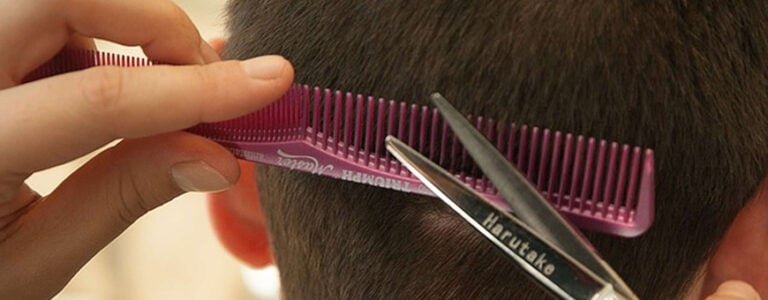
By Prof. Dr. Soner Tatlıdede · October 2026 When can you cut your hair after a hair transplant? Hair in the donor area can be trimmed after 1 month using scissors or clippers. As for the recipient area, trimming only the ends of the hair using scissors is permitted after 2 months. However, you must wait at […]
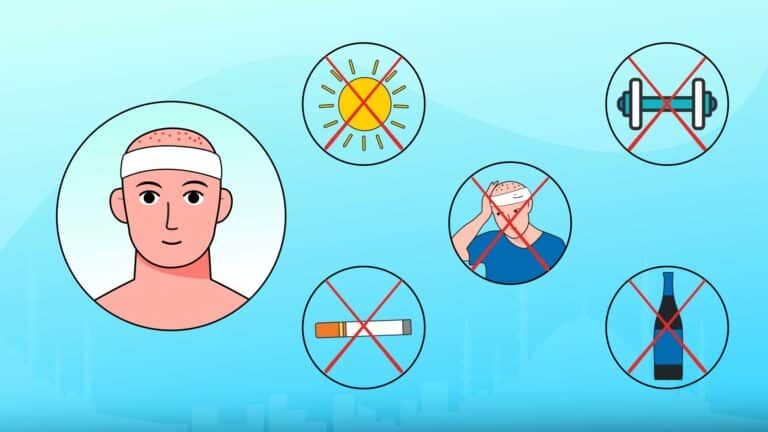
By Prof. Dr. Soner Tatlıdede · October 2026 Congratulations on completing your hair transplant. While the surgical part is finished, the success of your restoration now depends heavily on the recovery phase. In our clinical experience, the first two weeks post-surgery are just as critical as the procedure itself. Understanding what to avoid after a hair transplant […]
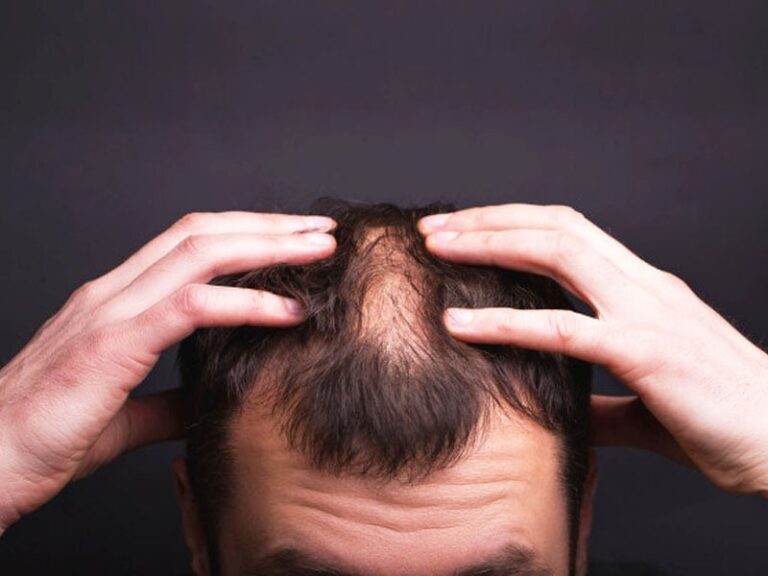
Scalp psoriasis and seborrheic dermatitis are chronic inflammatory conditions that frequently cause discomfort, itching, redness, and scaling. For individuals experiencing hair thinning alongside these conditions, severe anxiety often arises regarding permanent follicle loss and the feasibility of hair restoration. A central concern among patients is whether undergoing a hair transplant while managing scalp psoriasis is […]


Thank you!
Your details have been successfully submitted. Thanks!